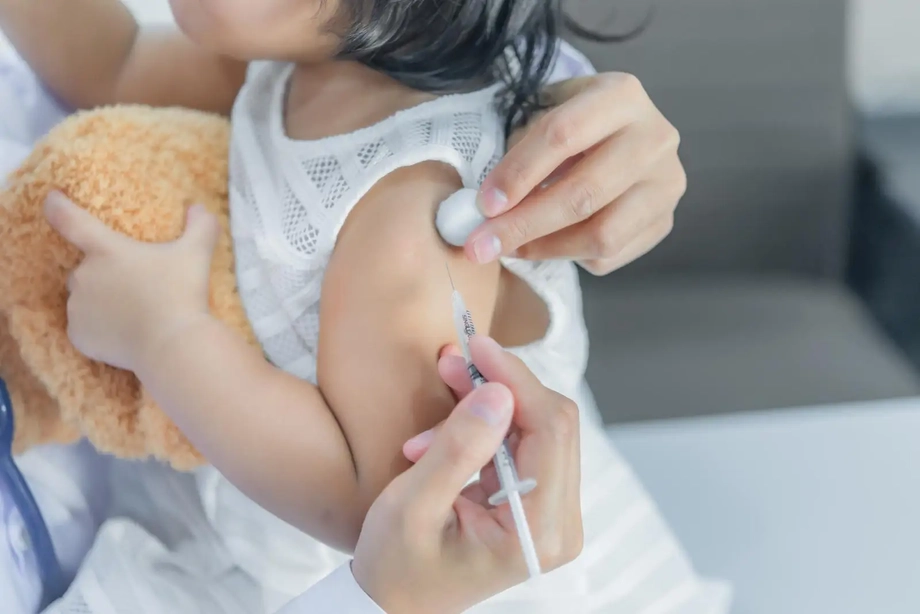
Free protection against infections that can turn severe
Thailand's Ministry of Public Health has begun providing free pneumococcal conjugate vaccine, or PCV, to young children nationwide, with a standard schedule of three doses at 2, 4 and 12 months. The rollout covers children born from October 1, 2025, and aims to prevent infections that can cause pneumonia, meningitis, disability or death.
Contents
- Free protection against infections that can turn severe
- Why pneumococcal disease is a concern
- What Thailand's surveillance figures show
- Which children qualify, and when?
- How the three doses work
- A missed appointment does not mean starting again
- Some children need a fourth dose
- What to expect at a vaccination visit
- What the rollout changes for families
- Key Points
The Department of Disease Control recorded 5,217 cases of severe pneumococcal disease among children aged 0 to 5 during 2023 to 2025, with illness rates rising over that period. Vaccines have been dispatched to hospitals across the country. Parents of children aged up to 12 months can contact a nearby hospital to check eligibility and arrange an appointment.
The ministry expects childhood illness and serious complications to fall substantially within 12 to 18 months after services begin. For families, the immediate change is access to vaccination without paying for the vaccine through the public programme, alongside an effort to reduce the medical costs associated with serious infection.
Eligibility requires attention to both birth date and vaccination history. Guidance for fiscal year 2027 lists children born from October 1, 2026, as the routine vaccination group, while Thai children born from October 1, 2025, are included in the group attending late. Those two dates describe different routes into the programme, making a hospital eligibility check particularly useful for families whose children have already missed a scheduled dose.
Why pneumococcal disease is a concern
Pneumococcal disease is caused by the bacterium Streptococcus pneumoniae. It can live in the nose and throat and spread through droplets from coughing or sneezing, or through close contact. More than 100 types of the bacterium exist.
Young children, especially those under 5, face a greater risk of severe illness. Older people and people with weakened immune systems, certain chronic conditions or an absent or poorly functioning spleen are also more vulnerable. The spleen is an organ that helps the body fight some bacterial infections.
Pneumococcal infection can affect the lungs, causing pneumonia, or spread to the bloodstream. It can also cause meningitis, an infection of the membranes around the brain and spinal cord. These severe forms explain why the vaccination programme focuses on protection early in life, before a child has passed through the ages of greatest vulnerability.
What Thailand's surveillance figures show
The Department of Disease Control's digital disease surveillance data show that pneumonia with an unspecified cause increased each year from 2021 through 2024. Children aged 0 to 4 had the highest reported rate in 2024, at 3,767 cases per 100,000 people in that age group.
People aged 70 and above had the next highest rate, at 1,955 per 100,000. The rate among young children was therefore about 1.9 times the rate among those older adults. This comparison helps explain the priority given to childhood vaccination.
The guidance also gives an estimated 3,683 cases of pneumococcal pneumonia among children younger than 4 in 2024, alongside 98,076 pneumonia cases with an unspecified cause. The pneumococcal figure is an estimate of illness caused by a particular bacterium; the broader surveillance category includes pneumonia for which the cause was not identified.
Meningitis with an unspecified cause also increased during 2021 to 2024. Children younger than 4 had the highest rate, at 7.95 cases per 100,000. Together, these figures describe a substantial burden of lung and other serious infections among young children.
Which children qualify, and when?
The rollout announcement sets October 1, 2025, as the earliest eligible birth date. The fiscal year 2027 guidance then separates routine appointments for a newer birth cohort from vaccination for eligible children who attend late. Thailand's fiscal year 2027 begins on October 1, 2026.
The main dates and milestones are:
- 2023 to 2025: The Department of Disease Control recorded 5,217 severe pneumococcal disease cases among children aged 0 to 5.
- October 1, 2025: The earliest birth date covered by the rollout announcement and the date used for Thai children attending late in the fiscal year 2027 guidance.
- October 1, 2026: The birth date from which children enter the routine group described in the fiscal year 2027 guidance.
- At 2, 4 and 12 months: The standard ages for the three PCV doses.
- Within 12 to 18 months of service introduction: The period in which the ministry expects a substantial reduction in illness and serious complications.
The announcement gives no exact nationwide launch date, so the ministry's expected improvement cannot yet be tied to a specific calendar month. Parents can check their child's place in the programme with a hospital using the child's birth date and record of previous vaccinations.
How the three doses work
The standard schedule consists of two initial doses, at 2 and 4 months, followed by a booster at 12 months. In clinical guidance, this is called a 2p+1 schedule: two primary doses and one booster. The first doses build the child's immune response, while the later dose strengthens protection.
The vaccine identified in the fiscal year 2027 guidance is SII PNEUMOSIL, made by Serum Institute of India. It is a PCV10 vaccine, meaning it targets 10 pneumococcal types, also called serotypes.
A conjugate vaccine joins bacterial sugar components to a carrier protein so that a young child's immune system can respond more effectively. The vaccine teaches the body to recognise selected pneumococcal types before an infection occurs.
PCV reduces the risk of disease caused by the pneumococcal types it covers. Pneumonia can also be caused by other bacteria and viruses, so children may still develop pneumonia after vaccination. The public health goal is to reduce a preventable part of that burden, particularly serious pneumococcal infections.
The guidance lists SII PNEUMOSIL for use from 6 weeks of age until before the second birthday. This product age limit becomes especially relevant when a child starts vaccination late and a later dose would fall beyond that age.
A missed appointment does not mean starting again
Children who receive a dose late do not need to restart the entire course. Health workers should review the doses already given and arrange the remaining vaccinations using the recommended intervals and the minimum permitted time between doses.
The Department of Disease Control's Division of General Communicable Diseases and the Pediatric Infectious Disease Society of Thailand jointly prepared recommendations covering PCV services and children attending late under the National Immunization Programme. The approach is to fit missing doses into existing vaccination appointments wherever possible.
Previous private vaccination also matters. The guidance allows different PCV products to be used to complete a course. For example, a child who previously received PCV13 at a private clinic can receive a subsequent PCV10 dose through the public benefit without starting again.
Children approaching their second birthday need particular attention. The guidance gives the example of a child receiving a first dose at 1 year and 11 months who needs another dose at least eight weeks later. Health workers must select a product appropriate for the child's age when that later dose is due.
Some children need a fourth dose
Children at high risk of severe pneumococcal infection are advised to receive four doses, at 2, 4, 6 and 12 months. This is described as a 3p+1 schedule: three initial doses followed by a booster.
The guidance identifies children with weakened immune systems, an absent spleen or certain chronic diseases as groups needing additional attention. Examples include HIV infection, cancer, impaired spleen function and kidney disease involving abnormal protein loss.
Children taking medicines that suppress the immune system require an individual assessment. PCV is a nonlive vaccine, but the immune response may be weaker in some children. Their treating doctor should consider the underlying condition, medication, vaccination history and timing of doses.
Babies born prematurely should generally be considered for vaccination according to their actual age since birth, together with their clinical condition and the product instructions. The guidance advises against delaying vaccination without a medical reason because these infants may face an increased risk of pneumococcal disease.
What to expect at a vaccination visit
PCV can be given on the same day as other vaccines in the National Immunization Programme. Health workers should use separate injection sites at least one inch apart. Coordinating appointments can reduce the number of journeys a family needs to make while keeping the child on schedule.
Pain, swelling or redness at the injection site may occur in about 20% to 40% of recipients, according to the guidance. These reactions can be more common after a booster or in older children and usually settle within two to three days. Mild fever or tiredness may also occur.
The guidance also lists irritability, sleepiness, reduced appetite and high fever among possible reactions, as well as severe allergic reactions. Parents should tell the vaccination team about previous reactions to vaccines and any known allergy to vaccine ingredients.
Allergy to an antibiotic does not automatically prevent PCV vaccination. Staff need to assess the particular allergy and the vaccine's ingredients. The listed contraindications include hypersensitivity to a component and a history of allergy to diphtheria vaccine.
Children with an acute high fever should have vaccination postponed. A history of low platelets, a bleeding disorder or treatment with medicines that reduce blood clotting also requires care when planning the injection.
What the rollout changes for families
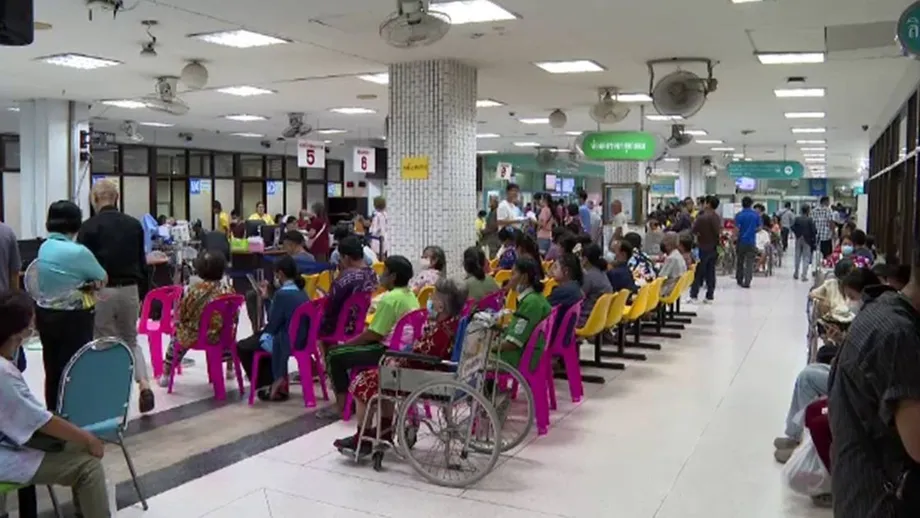
Hospitals now have a central role in turning the national entitlement into completed vaccination courses. For parents, the practical first step is to contact a nearby hospital, confirm eligibility and have staff review any doses the child has already received.
Families with children aged up to 12 months are specifically encouraged to check their entitlement and book an appointment. Parents of eligible children attending late should also ask about the catch up arrangements described in the fiscal year 2027 guidance, particularly if their child is approaching the vaccine product's age limit.
The ministry's target is a substantial reduction in illness and severe complications within 12 to 18 months. Reaching children early, completing the booster and arranging suitable schedules for those at higher risk are the practical tasks behind that expectation.
Key Points
- Thailand has begun providing free PCV nationwide, with routine doses at 2, 4 and 12 months.
- The rollout covers children born from October 1, 2025; fiscal year 2027 guidance separates routine and late attendance groups.
- The Department of Disease Control recorded 5,217 severe pneumococcal disease cases among children aged 0 to 5 during 2023 to 2025.
- Children at high risk are advised to receive an additional dose at 6 months.
- Children who miss a scheduled dose can complete their course without restarting, following a clinical review.
- Parents can contact a nearby hospital to check eligibility, previous doses and appointment arrangements.