Medical cannabis policy meets a broader drug crackdown
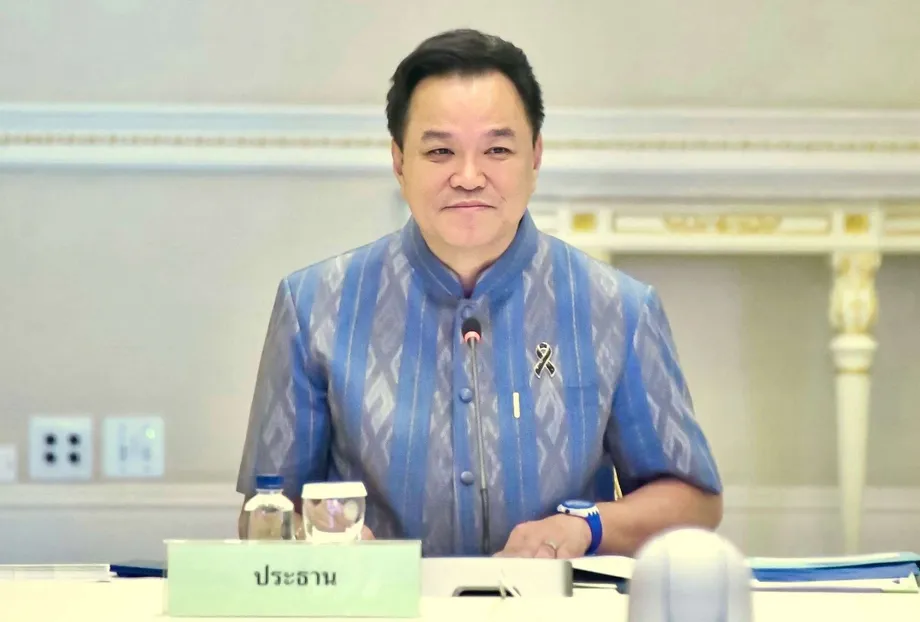
Thailand plans tougher cannabis controls and penalties alongside a wider drug enforcement campaign targeting 21 provinces and 82 districts. At an October 22, 2026 meeting of the Narcotics Control Board, Prime Minister Anutin Charnvirakul backed medical use, ordered closer inspections of licensed businesses and called for stronger checks on exports.
Contents
- Medical cannabis policy meets a broader drug crackdown
- How Thailand reached this point
- What the cannabis bill would change
- Licensed shops face closer inspections
- Exports come under tighter scrutiny
- Possession proposals carry conflicting descriptions
- Longer detention and wider access to data
- Treatment remains part of the plan
- A campaign across 21 provinces
- Key Points
The board's third meeting of the year also approved a drug action plan for the 2027 fiscal year and a proposed campaign lasting six months. Its decisions followed the submission of two bills to Parliament on October 21 that would expand investigators' access to information and increase the maximum detention period for drug suspects from three days to seven.
Cannabis businesses face several connected changes: enforcement of existing licence conditions, proposed cannabis legislation and amendments to broader narcotics laws. The cabinet approved a draft Cannabis and Hemp Act on September 22 to restrict the market to medical use and phase out recreational sales.
Anutin, who is also interior minister and leader of the Bhumjaithai Party, said government policy should separate medical treatment from recreational consumption. In a statement published on the Royal Thai Government website, he set out the principle he said should guide those decisions.
Drug policies must be guided by scientific evidence, facts and the public interest,
The October meeting backed measures to reduce and prevent recreational cannabis activity in all forms while supporting medical use. Its policy recommendations will go to the Council of State, the government's legal advisory body, for consideration alongside the Ministry of Public Health's cannabis bill. For shop operators, the immediate pressure is closer inspection; the proposed laws would reshape the conditions under which businesses can continue.
How Thailand reached this point
Thailand first legalised medical cannabis in 2018 and decriminalised the plant in 2022. Anutin championed decriminalisation while serving as public health minister. Cannabis businesses then expanded rapidly as shops served a recreational market that grew faster than the rules governing it.
The industry generated an estimated 28 billion baht in revenue during the first year after decriminalisation. By late December 2025, Thailand had recorded 18,433 cannabis outlets nationwide, illustrating the scale of the commercial activity now facing tighter restrictions.
The latest proposals follow several stages of policy and enforcement decisions:
- 2018: Thailand legalised medical cannabis.
- 2022: Cannabis was decriminalised, followed by rapid growth in retail businesses.
- July 3, 2026: Anutin chaired the board's second meeting of the year, which approved a coordinated drug operation in principle.
- September 22, 2026: The cabinet approved the draft Cannabis and Hemp Act.
- October 21, 2026: Anutin and Bhumjaithai lawmakers submitted two bills to amend narcotics laws.
- October 22, 2026: The board backed tighter cannabis controls and the broader enforcement plans.
The cannabis bill and the two narcotics bills still require parliamentary consideration and approval. No date was given for those votes or for the proposed tougher cannabis penalties to take effect.
What the cannabis bill would change
Public Health Minister Pattana Promphat said the cannabis bill followed a study of its regulatory effects and public hearings. Its proposed system would require licences lasting three years for cultivation, production, sale, import and export involving cannabis flowers and extracts.
Sales would be limited to people older than 20 for treatment by licensed practitioners, or for medical research. Cultivators would have to register their growing locations so authorities could track them. Specified other plant parts, including roots, stems, branches, leaves and seeds, could be sold without a licence when intended for medical treatment.
The bill would ban advertising, including promotion of cannabis use and related equipment. Illegal production, import, export and sale would carry criminal penalties and fines, while people who misuse cannabis would face fines only.
Existing dispensaries would be allowed to operate under their current licences through 2028. Once those licences expire, shops outside medical facilities would need to meet the new law's conditions to qualify for renewal. For businesses built around recreational customers, that would mean changing their activities to fit the medical market.
Licensed shops face closer inspections
Anutin directed the Ministry of Public Health and other responsible agencies to inspect licensed establishments and take legal action when operators breach their licence conditions. Revocation is among the measures available, meaning a business could lose its permission to operate.
Speaking after the October 22 meeting, Anutin said shops should sell medical products and warned against sales involving cannabis flower in forms such as rolled smoking products. He described flower as remaining under narcotics control and said offending shops could have their licences withdrawn immediately.
Anutin also said he believed current shop licences required annual renewal and called for inspections before renewal rather than automatic approval. His remarks concerned current enforcement, while the cannabis bill proposes a licensing system lasting three years.
Pattana said more than 10,000 cannabis shops and cultivation sites had entered a government tracking system. That figure includes both shops and cultivation premises, whereas the 18,433 figure recorded in December 2025 counted outlets. Authorities intend to use registration and inspections to identify which businesses meet the rules.
Exports come under tighter scrutiny
The Customs Department has been instructed to strengthen intelligence gathering, inspect outgoing goods more closely and conduct random checks. Anutin issued the instructions after concerns about drugs being smuggled abroad through freight companies.
Cannabis stems, leaves and flower buds must comply with Thai export law, he said. Cannabidiol, usually called CBD, can be used in medical or cosmetic products under Food and Drug Administration requirements and approvals. CBD is a compound found in cannabis; permission to make or export a product depends on the applicable rules and licences.
Anutin described the export requirements in his government statement:
Exports of cannabis stems, leaves and flower buds must strictly comply with Thai law, while cannabidiol (CBD) extracts could be exported subject to licensing requirements and regulations set by the Food and Drug Administration (FDA),
Cross border smuggling had already featured at the July 3 board meeting. Indonesia's National Narcotics Board, known as BNN, had announced the arrest of 12 people in a major cannabis flower smuggling network it said originated in Thailand. Anutin said at that meeting that exports outside medical products were not permitted in principle and that destination countries would apply their own laws.
Possession proposals carry conflicting descriptions
The two bills submitted on October 21 would amend the Narcotics Code and the Narcotics Cases Procedure Act. Anutin and Bhumjaithai lawmakers handed them to House Speaker Sophon Zaram and requested urgent consideration.
The proposed Narcotics Code amendment has been described as presuming that possession above legally defined amounts for personal use is possession for distribution. Such a presumption gives investigators a starting legal assumption about why someone holds the drugs, making the quantity important to the charge.
Descriptions of the proposal conflict on a central point. The threshold based description would retain a quantity test, while another description says everyone found possessing drugs would be treated as a trafficker. Anutin, speaking on October 22, instead described a provision under which possession of even one pill would lead to an accusation of being a drug user. The final wording approved by Parliament will determine how possession is classified.
The board also considered a related ministerial regulation that would remove seven category 1 drugs from provisions presuming that specified quantities are held for personal consumption. That proposal would proceed through the legal process. It matters because the classification of a person as a user or a dealer affects both potential punishment and access to treatment.
Longer detention and wider access to data
The proposed procedure amendment would extend the maximum period officials may hold a drug suspect from three days to seven days. That is four additional days and more than twice the existing maximum. Anutin said investigators needed the extra time to gather evidence and expand cases.
Police from the Narcotics Suppression Bureau would be able to seek Criminal Court orders granting access to information through different forms or channels. The proposed court application process is a specific part of the wider push to give investigators more information.
The Narcotics Code bill would also allow Office of the Narcotics Control Board officials to obtain information from central databases for investigations, treatment and rehabilitation. Officials could order the suspension or deletion of online content promoting drug use.
Other provisions would increase penalties for involving children in drug offences and address the use of computer systems to encourage drug consumption. Together, the proposals reach beyond physical seizures to the people, communications and information systems connected to drug activity.
Treatment remains part of the plan
Anutin said enforcement against possession, including offences involving small amounts, should be considered alongside treatment and rehabilitation. The proposed Narcotics Code amendment would clarify rehabilitation procedures and allow family members or caregivers to bring someone forward for voluntary treatment.
At the October 22 meeting, he raised concerns about whether prisons and hospitals could manage the demands created by action against people possessing even one pill. According to his account, senior public health and justice officials and the board's secretary general said their agencies could manage the workload.
Anutin also ordered a study of why some people return to drug offending after rehabilitation. That instruction places attention on what happens after treatment, as well as on arrests and admission to care.
The board's earlier July operation covered seven areas, including international cooperation, border security, action against trafficking networks and implicated state officials, reducing harm to communities, care for psychiatric patients affected by drugs, a district treatment initiative and community safety. The October decisions build on that combination of enforcement and treatment.
A campaign across 21 provinces
The board approved a draft action plan for the 2027 fiscal year and backed a proposed campaign lasting six months. It designated urgent action areas covering 21 provinces and 82 districts under Section 5(10) of the Narcotics Code.
Planned command units would target drugs, precursor substances and chemicals along the northern, northeastern and western borders, as well as in the south. Precursors are ingredients that can be used to manufacture drugs. Regional army commanders, regional internal security directors or designated officials would lead the units.
The campaign would seek to reduce trafficking and drug supplies and take action against public officials involved in offences or allowing them to occur. Anutin also warned commanders about informants operating without their approval, saying such arrangements could enable improper benefits and cause harm to the public.
Separately, the National Security Council convened security, intelligence and administrative agencies to coordinate a strategy for the southern border provinces. Anutin instructed agencies to monitor developments, strengthen surveillance and share intelligence to prevent escalation and protect residents.
He described the purpose of that coordination in his government statement:
The aim is to ensure that all agencies have a common understanding and work together under the same strategic plan in a unified manner,
For cannabis operators, the most immediate changes are inspections and closer export checks. For people suspected of other drug offences, the larger proposed changes concern detention, access to personal information and the legal treatment of possession. Parliament's decisions on the bills will determine how far those powers extend.
Key Points
- Thailand plans tighter cannabis controls focused on medical use and action against breaches of licence conditions.
- The cabinet approved the draft Cannabis and Hemp Act on September 22, 2026; it still requires parliamentary consideration.
- Two bills submitted on October 21 would expand investigative powers and increase maximum drug suspect detention from three days to seven.
- Descriptions conflict over how the possession proposals would distinguish drug users from traffickers.
- The October 22 board meeting backed urgent drug action in 21 provinces and 82 districts.
- Customs officials have been ordered to strengthen checks on exports, while treatment and rehabilitation remain part of the government's plan.