336 foreign investors seek answers as Jakarta tries to rebuild confidence
Indonesia is mobilising its diplomatic missions to reassure foreign investors as regulators face questions from 336 international investors over a proposed change to the country's stock market classification. MSCI is considering moving Indonesia from its Emerging Market category to Standalone Market, with a final decision due by June 30, 2027.
Contents
- 336 foreign investors seek answers as Jakarta tries to rebuild confidence
- What Indonesia's diplomats are being asked to do
- Why MSCI is considering a more severe classification
- The warnings began months before October's selloff
- Why the identity of shareholders matters
- The exchange is changing its benchmark and trading rules
- OJK promises enforcement alongside disclosure
- Singapore allegations draw denials and a defence of MSCI
- What investors and businesses could face next
- Key Points
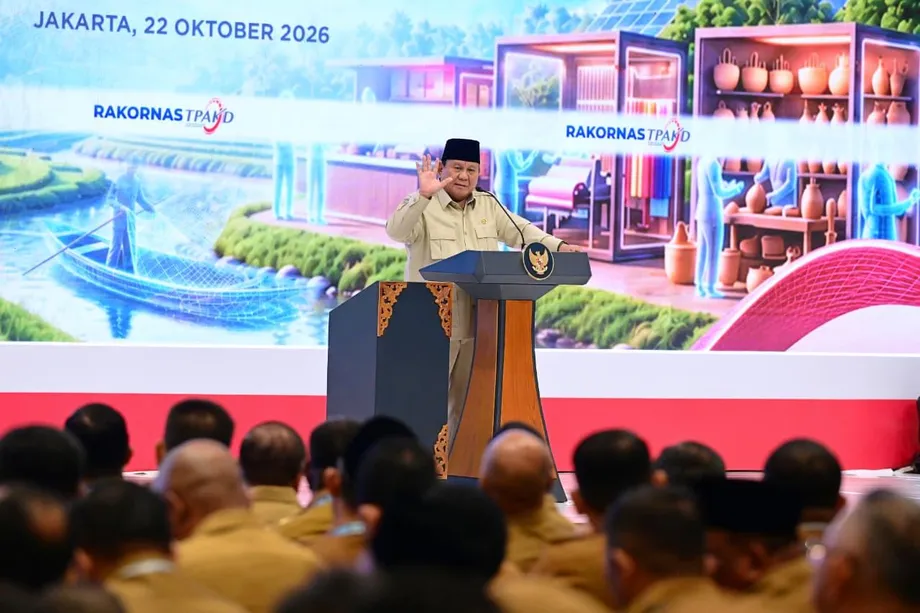
Foreign Ministry spokesperson Vahd Nabyl A. Mulachela said in Jakarta on October 22, 2026, that Indonesian representatives abroad would provide clearer information about domestic economic conditions and connect overseas investors with businesses and officials at home. The ministry is coordinating with other government agencies to present a fuller picture of the investment climate.
The diplomatic effort comes after a sharp market shock. Indonesia's Jakarta Composite Index fell about 11.6 percent on October 16, its steepest daily decline since January 1998. An estimated US$65 billion in market value disappeared that day, while losses over two trading days reached about US$82 billion.
MSCI's concerns centre on who actually owns listed shares, how much stock is genuinely available for public trading and whether coordinated transactions are distorting prices. Indonesia's response now combines investor outreach, ownership disclosure reforms and tougher enforcement.
The stakes extend beyond a change of label. Investment funds that follow MSCI's emerging market benchmarks could have to sell Indonesian shares if the proposal takes effect. Regulators therefore face two connected tasks: explaining the country's economic position and demonstrating that trading conditions are improving.
Hasan Fawzi, the Financial Services Authority official responsible for supervising capital markets, financial derivatives and carbon exchanges, said on October 22 that approximately 336 regional and global investors had joined an online discussion with the regulator and the Indonesia Stock Exchange earlier that week. Their central question was what the authorities would do next.
What Indonesia's diplomats are being asked to do
Mulachela described economic diplomacy as a continuing effort to maintain investment interest, rather than a single response to MSCI. Embassies and other Indonesian missions are expected to explain domestic conditions consistently and help investors obtain answers from the relevant institutions.
Speaking at a media briefing, the Foreign Ministry spokesperson set out the ministry's position:
In this regard, the Ministry of Foreign Affairs will continue to pursue economic diplomacy.
Indonesian missions will also connect businesspeople overseas with domestic partners. That gives investors a route to discuss commercial opportunities and concerns directly, while coordination across government is intended to prevent incomplete explanations of Indonesia's economic situation.
The work addresses a different part of investor confidence from stock exchange regulation. Diplomats can explain economic conditions and arrange discussions. OJK, the financial regulator, and the exchange are responsible for the ownership information, trading supervision and enforcement measures at the centre of MSCI's review.
Why MSCI is considering a more severe classification
MSCI opened its consultation on October 16, following a warning dated October 15. The proposal would move Indonesia directly from Emerging Market to Standalone Market, bypassing the Frontier Market category considered during an earlier stage of scrutiny.
MSCI constructs stock indices that investment managers use as reference points or follow directly. A fund tracking an emerging market index aims to hold investments resembling that index. Removing a country from the benchmark can therefore cause selling even when individual companies remain profitable.
Standalone status places a market outside MSCI's main developed, emerging and frontier groupings. MSCI said investor feedback indicated that moving Indonesia into the frontier category would not adequately reflect the market access problems identified.
The index provider said investors continued to raise concerns about unclear ownership structures, concentrated shareholdings and suspected coordinated trading. It expects to proceed with the proposed change unless consultation feedback provides clear evidence of substantial improvements in governance and market functioning.
The warnings began months before October's selloff
Indonesia's market classification review developed through several stages in 2026. The earlier restrictions focused on index adjustments and the reliability of share ownership data. By October, MSCI was consulting on a broader removal from its emerging market grouping.
- January 27, 2026: MSCI announced a pause on several index adjustments for the February review, citing ownership transparency, free float data and possible coordinated trading.
- April 2026: Indonesian authorities said they had completed reforms intended to address the concerns.
- June 2026: MSCI acknowledged reform measures but warned that insufficient progress could lead to a reclassification consultation.
- October 16, 2026: MSCI opened the consultation on Standalone Market status, and Indonesian shares suffered their largest daily fall since January 1998.
- October 19, 2026: The Indonesia Stock Exchange met MSCI and subsequently announced further disclosure and index changes.
- October 21 and 22, 2026: OJK and the Foreign Ministry set out their responses, including enforcement, investor dialogue and economic diplomacy.
- April 30, 2027: Consultation feedback is due.
- June 30, 2027: MSCI's final decision is due.
January's review had included differing investor views about data from Indonesia's central securities depository, Kustodian Sentral Efek Indonesia, or KSEI. Some supported using its monthly securities registration reports as an extra reference. Others considered its shareholder classification data insufficiently reliable for consistent assessments of publicly tradable shares.
MSCI's October position puts implementation at the centre of the process. Announced reforms must produce changes that investors can observe in ownership data, trading conditions and enforcement.
Why the identity of shareholders matters
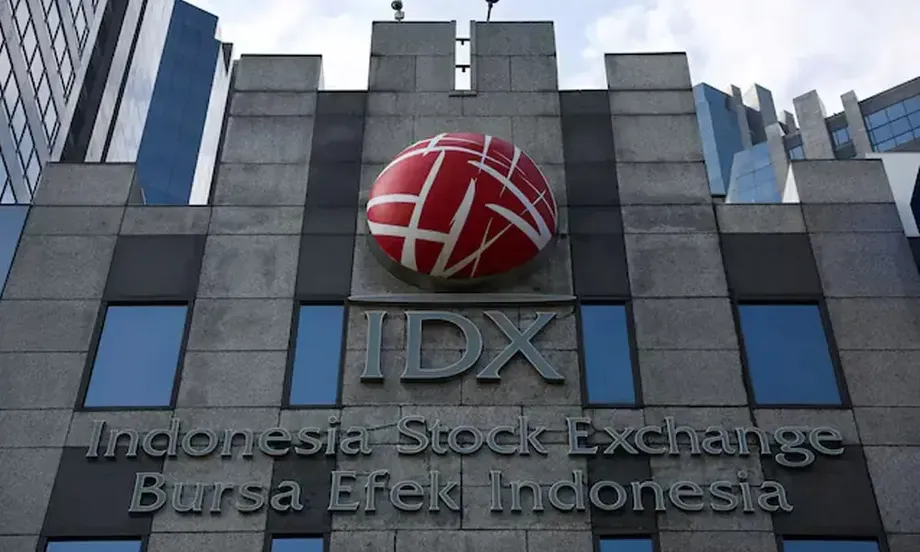
Indonesia Stock Exchange president director Jeffrey Hendrik has outlined measures to publish the names of shareholders holding 1 percent stakes and provide more detailed investor data. After the October 19 meeting, the exchange also announced plans to disclose affiliations involving shareholders with ownership of at least 1 percent.
Affiliation information helps show whether apparently separate shareholders are connected. Several accounts can appear to represent independent investors while belonging to related people or companies. Knowing those relationships gives investors a clearer picture of who controls a business and how widely its shares are distributed.
Free float means the portion of a company's shares available for public trading, rather than stock held by controlling owners or other strategic holders. Indonesia's reform roadmap includes a minimum free float requirement of 15 percent.
Hendra Wardana, founder of Republik Investor, said international investors need clarity about actual ownership, genuinely available shares and fair price formation. He described the concern this way:
If a stock appears to have a large free float on paper but is actually concentrated among certain groups and is not genuinely available in the market, investors will question the quality of our data and trading mechanisms.
A reliable free float figure helps a large fund judge whether it can buy or sell shares without moving the price sharply. The combination of shareholder names, affiliations and more detailed classifications is intended to make that judgement easier.
The exchange is changing its benchmark and trading rules
The exchange plans to remove all stocks classified as having high shareholding concentration from the Jakarta Composite Index, also known locally as the IHSG. Jeffrey's proposed package has included excluding 80 such stocks from the benchmark.
High concentration means that ownership is clustered among a limited group of shareholders. Removing those stocks would change which companies contribute to the headline index used to follow the Indonesian market. The measure sits alongside plans to identify concentrated stocks publicly and improve ownership disclosure.
The exchange has also lowered the minimum permitted share price from Rp50 to Rp1. The new floor is one fiftieth of the previous level, allowing prices to be recorded below the former minimum.
MSCI is maintaining its own restrictions on certain Indonesian index changes until further notice. It will not add securities to its Indonesia Investable Market Index, increase specified foreign inclusion factors or share counts, or move securities into higher market size segments through the affected processes.
The provider will continue removing securities identified under Indonesia's high shareholding concentration framework. It will also use disclosures of holdings above 1 percent to adjust its estimates of free float. Indonesian disclosure reforms therefore have a direct role in the information MSCI uses to construct its indices.
OJK promises enforcement alongside disclosure
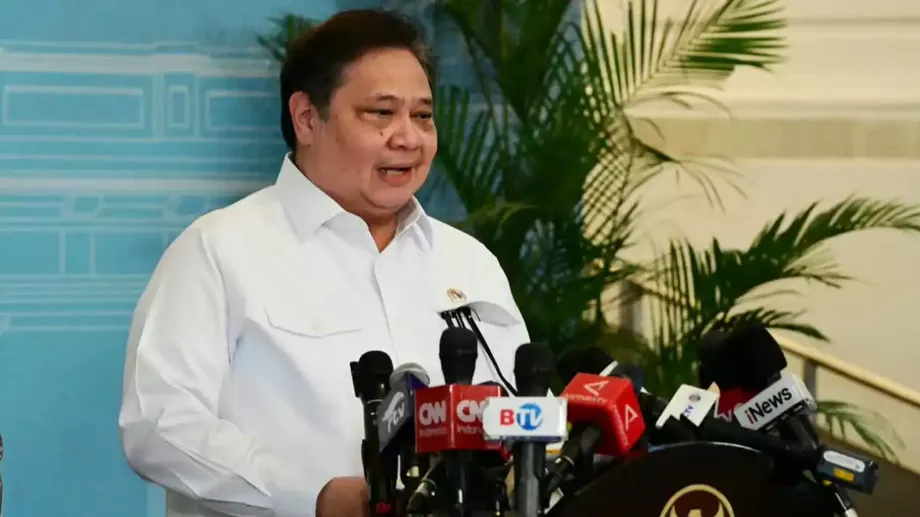
OJK chairperson Friderica Widyasari Dewi said on October 21 that reforms were intended to make Indonesia's market more credible, liquid and transparent. Liquidity describes how easily investors can buy or sell an asset without causing a large price movement.
Speaking after a cabinet meeting at the Presidential Palace complex, Friderica stated the regulator's objective:
We are making every effort to ensure Indonesia remains an emerging market.
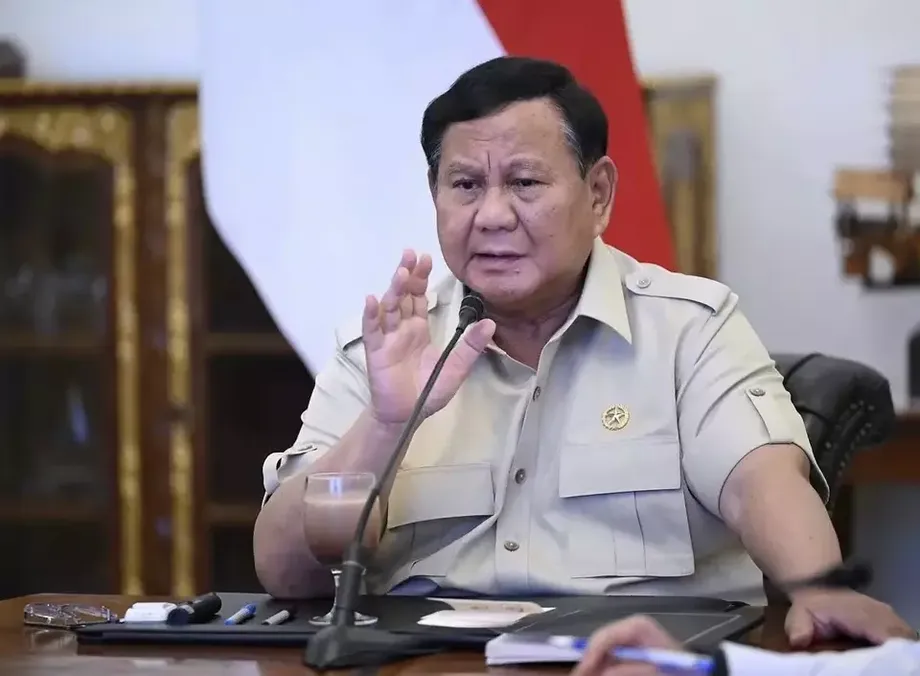
Friderica said the programme had been underway since January under instructions from President Prabowo Subianto. OJK had recently imposed administrative fines totalling Rp2.1 trillion on three listed companies for market violations.
Hasan said supervision would focus on false information, market manipulation, coordinated trading and disclosures that do not match the facts. OJK has pledged sanctions intended to discourage further violations.
The enforcement programme addresses the trading behaviour behind the ownership concerns. Better disclosures can reveal connections between accounts; supervision and penalties address conduct that may distort prices or mislead investors.
Singapore allegations draw denials and a defence of MSCI
Former Indonesian trade minister Muhammad Lutfi added a diplomatic dimension to the dispute through Instagram posts on October 20. He accused Singapore investment institutions GIC and Temasek of pressuring MSCI to threaten a downgrade, alleging that the aim was to depress prices so foreign investors could acquire Indonesian assets cheaply. He provided no evidence for the allegations.
Lutfi also linked the market turmoil to regional disputes over haze from Indonesian forest and land fires and criticised Malaysian politicians over calls to restrict financing for Indonesian plantation companies. GIC and Temasek denied attempting to influence MSCI.
Jeffrey, the exchange's president director, defended the independence of index providers on October 20 and said the exchange would concentrate on improving Indonesia's market:
We have always believed, and continue to believe, that global index providers are independent.
GIC said its investment decisions depend on the fundamentals of individual companies and assets, rather than index classifications or a broad view of a market. The institution said it had invested in Indonesia for more than 30 years and would continue considering opportunities on the basis of risk and return.
Fock Wai Hoong, Temasek's head of global investments for Asia Pacific outside China and India, said neither the institution nor its staff had contacted MSCI to influence its decisions concerning regional exchanges.
What investors and businesses could face next
Henry Wibowo, cofounder of Alphagate Capital and a former chief Indonesia strategist at JPMorgan Chase, estimated that a move to Standalone Market status could cause up to US$5 billion in further foreign outflows. That is a forecast tied to the proposed change.
Funds following emerging market indices could reduce or sell their Indonesian holdings. Other investors would make decisions under their own mandates and assessments, including the prospects of individual businesses.
Wardana warned that further selling could reduce liquidity and increase the perceived risk of Indonesian assets. He said pressure could spread to the rupiah, government bonds and corporate financing costs. When investors require a higher return to accept risk, raising money can become more expensive for companies and the government.
Indonesia's currency was already under pressure during the selloff. The Jakarta Interbank Spot Dollar Rate stood at Rp18,052 per US dollar on October 16 and Rp18,050 on October 19. Moody's and Fitch had also revised Indonesia's sovereign rating outlooks to negative, citing weaker policymaking credibility.
Wardana cautioned that investment decisions also reflect global market conditions, interest rates, the rupiah and the economic outlook. Those forces will continue to shape demand for Indonesian assets alongside the MSCI consultation.
The final classification remains undecided. Investors can submit feedback until April 30, 2027, and MSCI may issue an interim update before its June 30 decision. The next stage will test whether diplomatic explanations, clearer ownership records and sustained enforcement persuade investors that market conditions have materially improved.
Key Points
- Indonesia is using diplomatic missions to explain domestic economic conditions and connect foreign investors with local partners.
- Approximately 336 international investors sought answers from OJK and the stock exchange about the response to MSCI.
- MSCI is consulting on moving Indonesia from Emerging Market to Standalone Market status.
- The proposed reforms cover shareholder affiliations, concentrated ownership, a 15 percent minimum free float roadmap and stronger enforcement.
- GIC and Temasek denied allegations of interference, while the Indonesian exchange defended the independence of index providers.
- Consultation feedback closes on April 30, 2027. MSCI's final decision is due by June 30, 2027.