A larger lending push aimed at household incomes
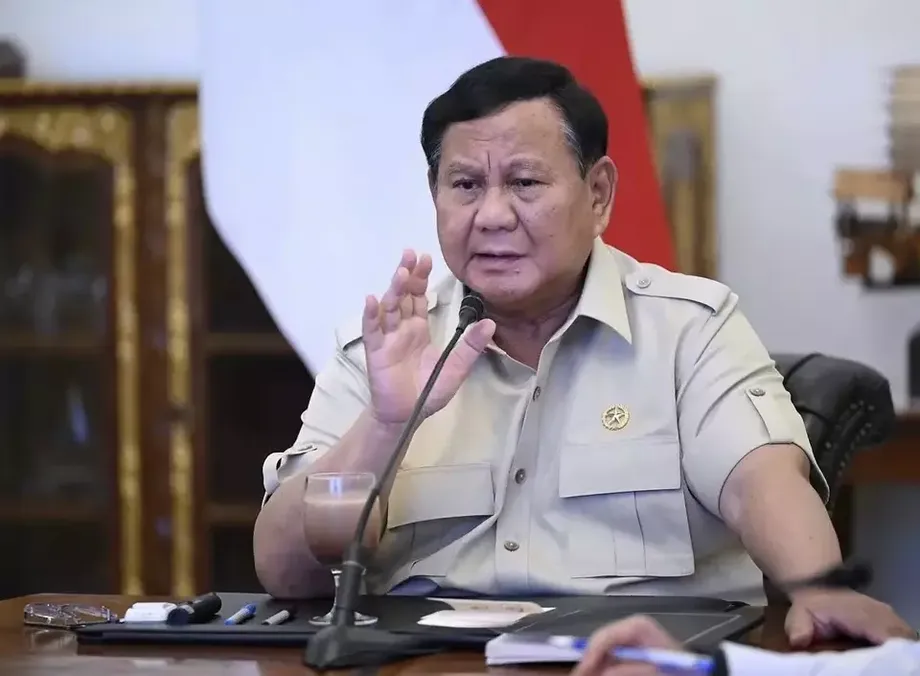
President Prabowo Subianto has set a target of distributing up to Rp400 trillion in productive loans in 2027 to 28 million Indonesian families, building on Rp53.15 trillion already distributed to 2,106,401 borrowers between August and October 2026 through 343 financial services institutions.
Contents
- A larger lending push aimed at household incomes
- Who the government wants to reach
- What Rp53.15 trillion has already financed
- How much larger is the 2027 ambition?
- Regional teams provide the delivery network
- A new council puts families at the centre
- Natural resources and state enterprises enter the plan
- The test is what families can afford
- Key Points
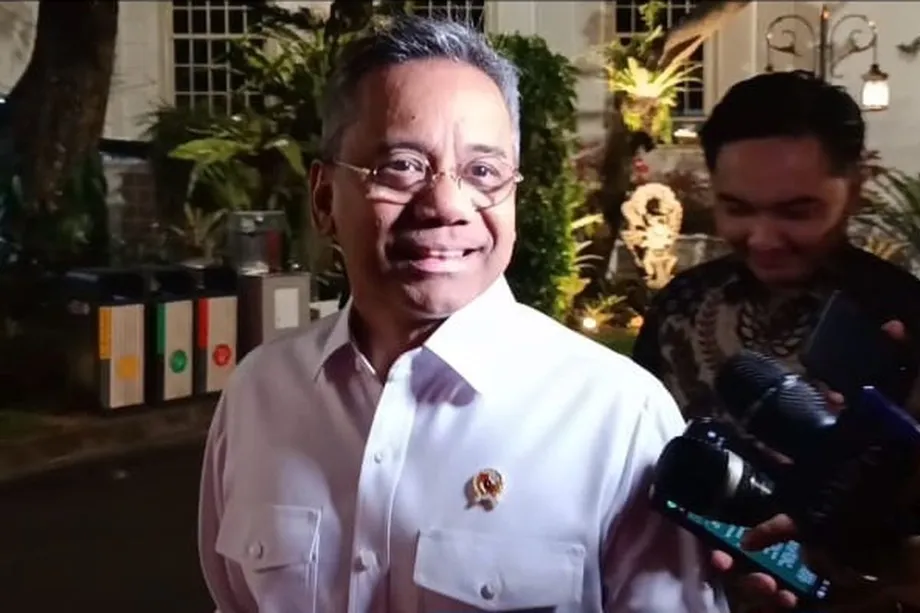
Speaking at the National Coordination Meeting of Regional Financial Access Acceleration Teams on October 22, 2026, Prabowo identified farmers, fishers, rural communities, people in remote and underdeveloped areas, and urban residents with low incomes as priorities. His stated goal is to turn wider access to business finance into higher earnings and greater ability to pay for everyday needs.
The meeting was identified as taking place at JIExpo Convention Centre in Kemayoran, Jakarta, although Gunung Putri in West Java was also given as the venue. At the event, Prabowo symbolically handed over agreements representing loans already distributed during the August to October period.
Prabowo, Indonesia's president, described his ambition for expanding finance to people working outside the country's major commercial centres:
Our plan or target for the coming years is to distribute Rp400 trillion (around US$22 billion) to farmers, fishers, and people living in villages,
The 2027 target combines two large promises: a much greater volume of lending and a wider reach into households. Carrying it out would require financial institutions and regional authorities to connect millions more families with financing suited to their businesses, while keeping the focus on the income those businesses can generate.
Who the government wants to reach
The proposed expansion covers both rural livelihoods and work in towns and cities. Farmers and fishers feature prominently, alongside small business owners and residents whose location or income places them among the government's priority groups.
Recipients of the financing already distributed included online motorcycle taxi drivers, market traders, food sellers and clothing merchants. Their inclusion shows that the lending effort extends beyond agricultural production to services and small retail businesses that support daily household spending.
Productive credit means borrowing intended to support an activity that earns money. For a small business, that can mean paying for stock, equipment or other operating needs. The practical benefit depends on whether the financed activity generates enough income to cover its costs and loan repayments.
Prabowo estimated that reaching 28 million families could benefit about 100 million people when spouses and children are included. He used an assumption of four people per family. Multiplying 28 million by four gives 112 million, so his reference to 100 million people was a broad estimate of the population that might benefit.
The household figure also explains why the administration is presenting the plan as a welfare measure. A loan may go to one borrower, while earnings from the business can help pay for food, schooling and other expenses shared by the family.
What Rp53.15 trillion has already financed
The October ceremony recognised Rp53.15 trillion in productive loans distributed from August to October 2026 to 2,106,401 borrowers. The financing involved 343 financial services institutions and covered small businesses, farmers, fishers and other entrepreneurs.
Five borrowers represented that wider group at the event. Their loans ranged from Rp5 million to Rp400 million, illustrating the different financing needs within a program that brings several occupations under the same broad policy.
- Hendra Sukmawijaya works in aquaculture in Bekasi regency.
- Dedi Supriyatna is an online motorcycle taxi driver in Jakarta.
- Wahyu is a coffee farmer in Temanggung regency.
- Ratna Dewi Susanti sells food in Jakarta.
- Dewi Murni sells clothing at Jakarta's Tanah Abang market.
Prabowo presented boards showing the loan amounts to the representatives. Coordinating Minister for Economic Affairs Airlangga Hartarto and Financial Services Authority Chair Friderica Widyasari Dewi accompanied him during the handover.
The range from Rp5 million to Rp400 million matters for understanding the expansion. A trader seeking a modest amount of operating money and an established producer seeking a larger loan have different needs. The 2027 target brings those varied financing requirements into a single national total.
How much larger is the 2027 ambition?
Rp400 trillion is about 7.5 times the Rp53.15 trillion distributed during August to October 2026. The comparison places a target for the coming year alongside lending recorded over three months, so the periods need to stay visible when judging the scale of the expansion.
The reach would grow even more sharply. The target of 28 million families is about 13.3 times the recorded 2,106,401 borrowers. The earlier count measures individual borrowers, while the new goal is expressed in families.
Dividing Rp400 trillion equally among 28 million families produces an illustrative average of about Rp14.3 million per family. The Rp53.15 trillion already distributed works out at about Rp25.2 million per borrower. Both calculations describe the relationship between the totals and recipient counts; actual financing at the ceremony ranged widely.
The figures suggest that reaching the full household target would require lending to spread much more broadly. The illustrative average for 2027 is about 43% below the average calculated from the August to October disbursements. Loan sizes, the mix of borrowers and the number of loans within each family would shape the eventual result.
The announcement left several practical details open: the funding mix, interest rates, repayment periods, collateral requirements, eligibility rules and application timetable. Those details will determine how families can apply and whether the financing fits the cash flow of their work.
Regional teams provide the delivery network
Prabowo praised the Financial Services Authority, known as OJK, Bank Indonesia, regional governments and other participants for establishing Regional Financial Access Acceleration Teams across every province, regency and city by the end of 2024.
The teams are known by the Indonesian abbreviation TPAKD. Their role is to help widen access to financial services in their respective areas. The president presented their nationwide presence as an achievement supporting the expansion of productive lending.
Local coordination matters because the intended recipients operate in very different settings. A coffee farmer in Temanggung, an aquaculture producer in Bekasi and a clothing trader in Tanah Abang earn money through different business cycles. Regional institutions form part of the connection between those livelihoods and the national financing ambition.
The timetable brings together an existing network, completed lending and targets still ahead:
- By the end of 2024, TPAKD teams had been established in all provinces, regencies and cities.
- From August to October 2026, 343 financial institutions distributed Rp53.15 trillion to 2,106,401 borrowers.
- On October 22, 2026, Prabowo presented the Rp400 trillion lending ambition and took part in the symbolic loan handover.
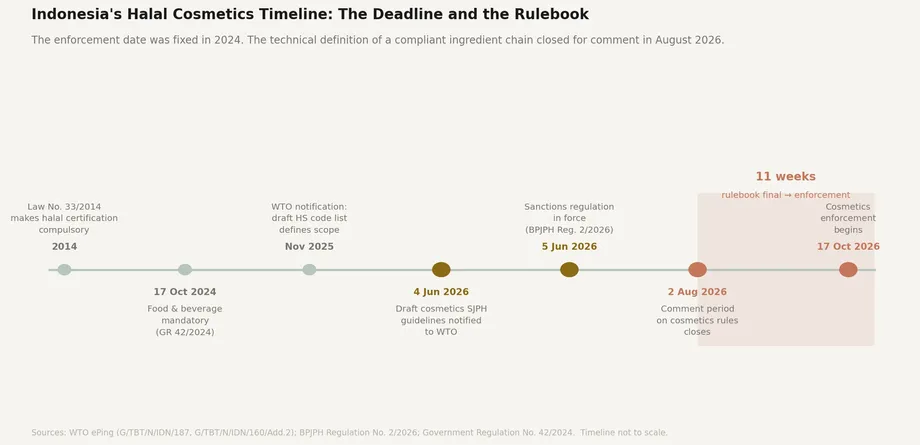
- By December 2026, the government aims to close around 700 state enterprises described as unprofitable or involved in falsifying financial reports.
- In 2027, the lending expansion is intended to reach 28 million families.
A new council puts families at the centre
The meeting also included the launch of the National Council for Family Welfare, replacing the National Council for Financial Inclusion under Government Regulation No. 42 of 2026. The new body was also described as the National Financial Welfare Council.
Airlangga said its focus would be financial wellness, financial resilience and financial security, measured at the family level. In everyday terms, those priorities concern whether a household can manage its financial needs, cope with a sudden setback and feel secure about handling its money.
The change connects access to finance with the condition of the household using it. For a family running a small business, receiving a loan is one step. Managing repayments while meeting daily expenses and coping with disruptions is the continuing task.
Prabowo chairs the council, with Airlangga serving as daily chair and OJK Chair Friderica Widyasari Dewi as deputy chair. Bank Indonesia Governor Destry Damayanti and Finance Minister Suahasil Nazara hold deputy daily chair positions, alongside ministerial participation.
The leadership brings the presidency, economic coordination, financial regulation, the central bank and public finance into the same structure. Its stated focus places family finances alongside the lending totals that dominated the announcement.
Natural resources and state enterprises enter the plan
Prabowo linked the lending ambition to stronger protection and management of Indonesia's natural resources. He said the country's capacity to support households could grow if those resources were better secured and used for public prosperity.
The president said oversight would be tightened to prevent a small number of parties from monopolising resource wealth. He instructed Energy and Mineral Resources Minister Bahlil Lahadalia to act against mining companies that had shown no real activity for more than two years, including by revoking their permits.
Prabowo also cited a target of closing around 700 state enterprises by December 2026 if they were unprofitable or had falsified financial statements. He presented action on resource management and state businesses as part of directing more of the country's economic capacity toward public welfare.
These measures carry different responsibilities. Financial institutions would distribute credit, mining authorities would review inactive concessions, and the government would handle changes to state enterprises. The president brought them together under his argument that national wealth should deliver practical benefits to ordinary families.
The test is what families can afford
Prabowo said economic progress should appear in real incomes and purchasing power. Real income means what earnings can buy after changes in prices are taken into account. A family needs its income to stretch further, rather than simply receive a larger amount of money while essentials become more expensive.
The president's emphasis places attention on what happens after a loan is issued: whether a farmer can earn more from production, a fisher can sustain a livelihood, or a trader can build sales while meeting repayment obligations.
The announcement follows Prabowo's renewed budget savings push, presented as a way to preserve spending that improves public welfare. The government is also seeking economic growth of 6% in 2027 while targeting a budget deficit of 2.4% of gross domestic product.
That policy setting makes delivery central to the promise. The lending program seeks to support economic activity through millions of smaller businesses and households, while the wider government agenda aims to manage public resources more tightly.
For the intended recipients, the most immediate issues will be access, affordability and business earnings. The Rp400 trillion target sets the scale of Prabowo's ambition. The terms of the loans and the income they help generate will shape its effect on daily life.
Key Points
- Prabowo targets up to Rp400 trillion in productive loans for 28 million families in 2027.
- Priority groups include farmers, fishers, rural residents, remote communities and urban households with low incomes.
- From August to October 2026, 343 financial institutions distributed Rp53.15 trillion to 2,106,401 borrowers.
- The 2027 target is about 7.5 times that three month lending total.
- A new national council will focus on family financial wellness, resilience and security.
- Loan terms, eligibility rules, funding arrangements and an application timetable have yet to be detailed.