December deadline puts state companies under pressure
Indonesian President Prabowo Subianto has set a December 2026 target to close 700 state owned companies, saying businesses that keep losing money, operate inefficiently or produce false financial statements should make way for companies that benefit the public.
Contents
- December deadline puts state companies under pressure
- What the 700 target covers
- Two years of restructuring, with weeks left to deliver
- Prabowo claims profits are improving
- False accounts bring accountability into focus
- Public welfare is the stated economic goal
- Regional credit plans show the scale of the promise
- Mining permits and forest concessions face scrutiny
- Key Points
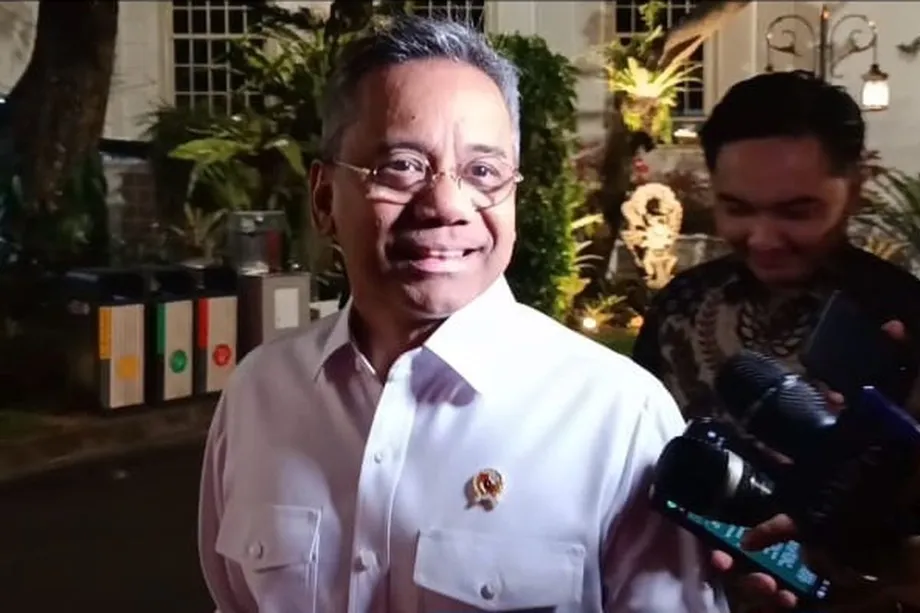
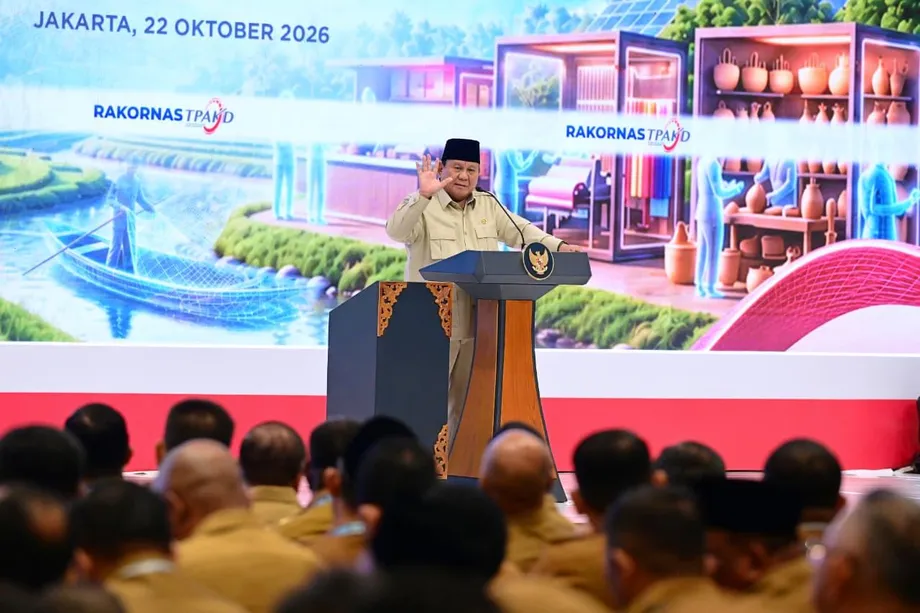
Speaking at JIEXPO Kemayoran in Jakarta on October 22, Prabowo cited an initial network of 1,074 companies and a progress figure of about 364, based on an update he received the previous evening. The restructuring is being carried out through the state investment management body BPI Danantara.
The 364 figure has been described as the number of companies already consolidated, closed or streamlined, but also as the number remaining after consolidation. The presidency's statement quotes Prabowo giving that figure without explicitly resolving which count he meant. That leaves the precise starting point for the December target uncertain.
The Ministry of State Secretariat's October 22 statement presents the program as an effort to make state assets more productive and deliver concrete benefits to Indonesians. Prabowo, explaining which companies the government would target, said in remarks translated from Indonesian:
Those that are inefficient, those that make losses, those that have been producing false financial reports, we will close. Concentrate on state owned enterprises that deliver for the people.
The announcement brings together three priorities: reducing the number of corporate entities, improving the performance of businesses that remain, and taking action against alleged financial misconduct. Those tasks involve different decisions, even when they sit under the same restructuring program.
What the 700 target covers
Prabowo used the language of closure when setting the December goal. His description of work already completed, however, combined closures with consolidation and streamlining. The broader restructuring target has also been described as covering all three measures.
Closing a company ends its existence as a business entity. Consolidation brings businesses together, while streamlining simplifies their structure or operations. A subsidiary can therefore disappear from a corporate chart while some of its activities continue inside another company.
The initial count of 1,074 also reaches beyond the main state enterprises. Prabowo previously said that, when Danantara was established, the government found a network containing subsidiaries and further layers of companies beneath them. That helps explain the scale of the proposed reduction.
The December target of 700 represents about 65% of that initial network, calculated from 700 divided by 1,074. The comparison shows how large the restructuring ambition is. The government has not provided a company list, a breakdown between mergers and closures, arrangements for employees and creditors, or a precise December completion date.
Two years of restructuring, with weeks left to deliver
Prabowo said the work had been under way during the first two years of his administration, which began on October 20, 2024. He argued that changing the structure and performance of state businesses takes time.
The latest announcement follows earlier criticism of how the corporate network was being managed. The main dates are:
- October 20, 2024: Prabowo began his presidency alongside Vice President Gibran Rakabuming Raka.
- August 14, in an earlier parliamentary address: Prabowo challenged accountability within state companies and discussed a special court to investigate irregularities.
- October 21, 2026: Prabowo received the evening update behind the approximately 364 figure.
- October 22, 2026: He announced the target at the national coordination meeting of Regional Financial Access Acceleration Teams, known as TPAKD.
- December 2026: The government aims to reach its target of 700 closures or other restructuring actions.
The timetable leaves roughly two months after the speech to reach the stated goal. Danantara's role places the management of a sprawling corporate network at the center of that work, rather than leaving the exercise solely to individual businesses.
Prabowo claims profits are improving
Prabowo said some businesses that previously failed to make a profit were now profitable. He also cited profit increases of 200%, 300% and as much as 900% at some state companies.
The president presented those figures as evidence that better management could produce results alongside closures. Describing changes during his first two years, he said, in translation:
State owned enterprises that kept making losses, we closed. Those that previously could not make a profit are now profitable.
A percentage increase measures change against an earlier amount. A 200% increase would turn a profit of 100 into 300, while a 900% increase would turn 100 into 1,000. The original amount matters: a large percentage rise from a small profit can still produce a modest financial gain.
Prabowo did not identify the companies, their sectors, the comparison periods or their profits in rupiah. His figures describe improvements at selected businesses, while the financial position of the full corporate network requires company accounts and a combined assessment.
The policy therefore has two tracks. Companies judged unable to justify their continued operation face closure or consolidation. Those retained are expected to improve their finances and provide a clearer public benefit.
False accounts bring accountability into focus
Prabowo singled out false financial reporting alongside inefficiency and continuing losses. Financial statements tell the state, lenders and the public what a business owns, owes, earns and spends. Inaccurate accounts can conceal problems until they become more expensive to resolve.
His earlier parliamentary remarks also challenged the idea that state companies belonged to their directors or could serve as a source of money for people in power. He described them instead as the property of the Indonesian people.
In that address, Prabowo proposed an ad hoc court, meaning a court created for a particular purpose, to investigate irregularities in state enterprises. He also raised the possibility of some form of forgiveness for people who acknowledged wrongdoing. Those remarks were proposals, with no implementation details given in the October announcement.
The accountability issue extends beyond whether a business survives. A merger changes corporate ownership and management; an investigation examines who made decisions, whether records were truthful and whether money was misused. Both can affect how much value the state recovers from restructuring.
Public welfare is the stated economic goal
Prabowo linked the overhaul to Articles 33 and 34 of Indonesia's 1945 Constitution. Those provisions concern the organization of the economy, the management of resources for public prosperity, and state responsibilities toward social welfare.
His argument was that state assets should serve Indonesians rather than remain tied up in unproductive companies. That places financial performance within a wider promise about the use of public wealth.
The announcement followed his call for further savings after an October 21 cabinet meeting. Finance Minister Suahasil Nazara said continuing reviews of the state budget were intended to preserve funding for necessary spending that improved public welfare.
For citizens, the practical stakes are the services, jobs, payments and public resources connected to these companies. The government's stated objective is to move resources toward productive activity. Achieving that requires decisions about what each business does, which activities continue and how obligations are handled when a corporate entity closes.
Regional credit plans show the scale of the promise
The October 22 meeting also addressed access to finance outside Indonesia's main economic centers. Prabowo praised the Financial Services Authority, Bank Indonesia and regional governments for building TPAKD teams across all provinces, regencies and cities by the end of 2024.
The teams had helped channel Rp53 trillion in productive credit to about two million beneficiaries. Productive credit is borrowing used for income earning activities, such as buying farming supplies, equipment or stock for a small business.
Prabowo said he wanted Rp400 trillion in financing distributed in the following year to farmers, fishers and people in rural areas, with the wider ambition reaching poorer urban communities and disadvantaged areas. The stated target was 28 million families.
Rp400 trillion is about 7.5 times Rp53 trillion. That comparison illustrates the size of the financing ambition, although the earlier figure counts beneficiaries and the new target counts families. Prabowo also declared the formation of a National Council for Financial Welfare at the meeting.
The credit plans explain why he discussed corporate efficiency and resource management at a financial access event: he presented all of them as ways to direct more of Indonesia's wealth toward household prosperity.
Mining permits and forest concessions face scrutiny
Prabowo extended his argument about public resources to mining and plantation concessions. He said the government was pursuing dozens of mining business permits and international studies to establish the size of Indonesia's reserves.
He also instructed the energy and mineral resources minister to revoke mining permits where companies were proven to have carried out no real activity for more than two years. A permit gives a company permission to operate within specified rules; the president's instruction targets holders leaving that permission unused.
The presidency's statement also records his criticism of concession holders suspected of repeated violations connected with forest and land fires. He referred to companies allegedly violating rules three or four times, and one as many as 19 times. He argued that permits should be revoked after two violations.
The warning followed student demands over wildfires during demonstrations marking his second anniversary in office. Those protests connected the fire emergency with concerns about jobs, living costs and the use of public resources.
Prabowo called on regional governments and universities to identify and prepare young Indonesians capable of managing plantations and other resource businesses. His proposal connects enforcement with a further task: finding people able to run operations when existing concession holders lose their permits.
Key Points
- Prabowo set a December 2026 target to close 700 state companies, with consolidation and streamlining also part of the restructuring program.
- The initial network contained 1,074 entities, including several layers of subsidiaries.
- The approximately 364 progress figure remains ambiguous between companies already restructured and companies remaining.
- Businesses facing action include those described as inefficient, persistently unprofitable or responsible for false financial reports.
- Prabowo claimed profit increases of 200%, 300% and 900% at unnamed state companies.
- The president linked the overhaul to public welfare, wider access to credit and stricter management of natural resources.