A Name, A Label, A Legal Line in the Sand
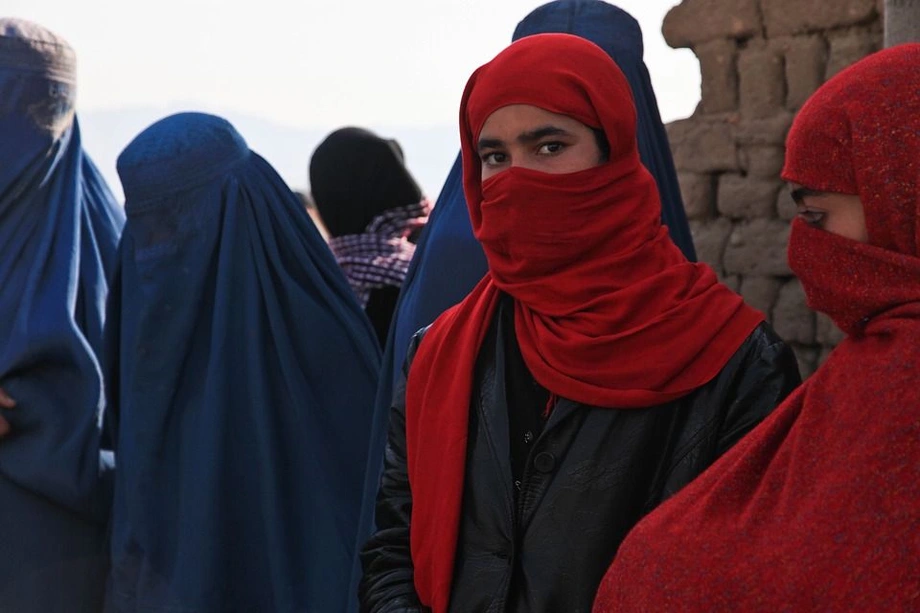
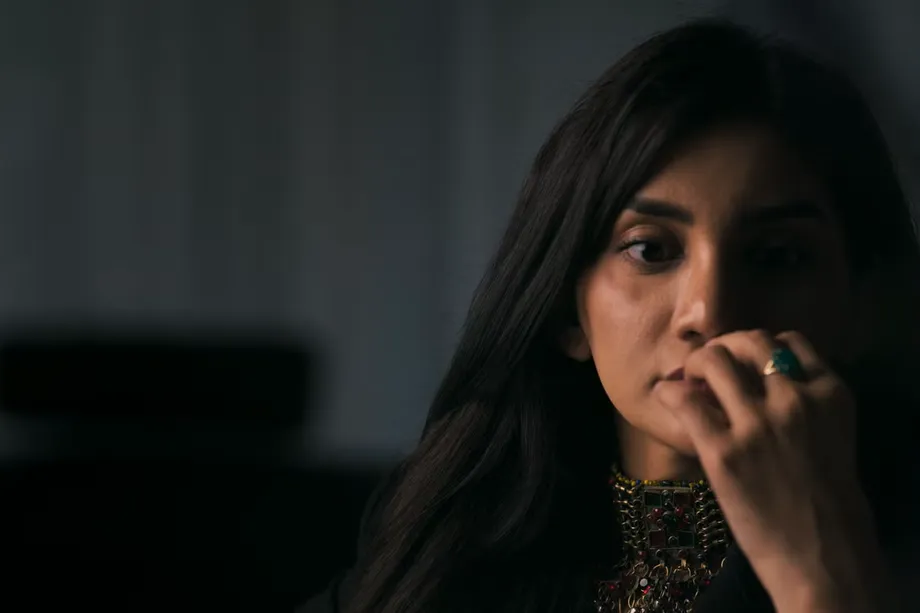
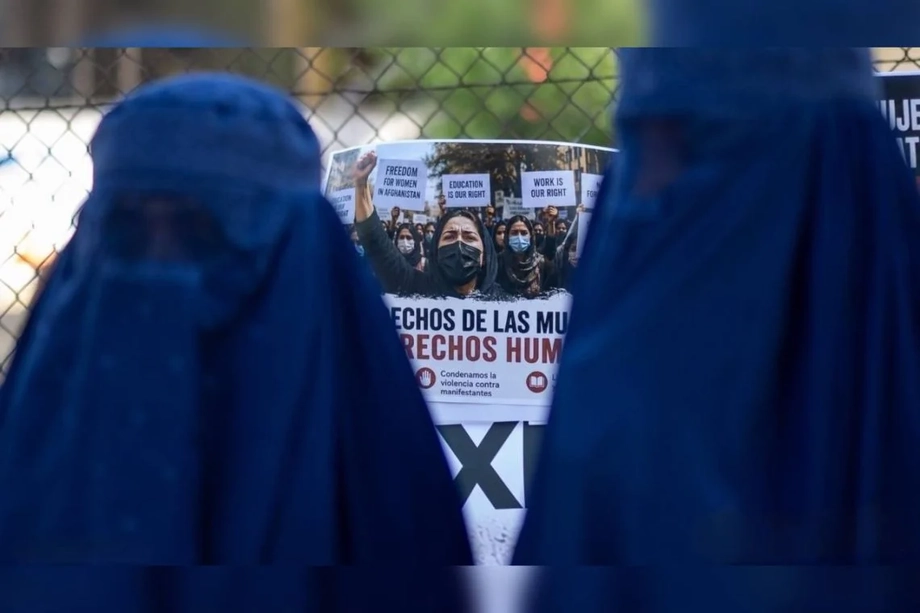
A single label, Bibi, has replaced the names of thousands of women in Afghanistan's northern Balkh province. Public employees and health workers are instructed to write and say Bibi, a term for an older woman or grandmother, for every female patient on official documents. This order, communicated as early as May 2026 and widely known by late November, turns individual names into a single category. Lalah Osmany, an Afghan rights activist based in Germany, describes the measure as an institutional assault on human dignity. She calls a name a face, a voice, and a story, and says that taking it away is the first step to dehumanisation.
Contents
Osmany argues that replacing a personal name with an animal label reduces a woman to a biological object. While some local staff have ignored the order, the practice is expected to travel. A local measure that meets resistance at first can return later as a decree covering the whole country, a pattern seen with other restrictions. The custom is older than the Taliban. Afghan women have long been listed as the wife or daughter of a male relative, and many tombstones carry no woman's name.
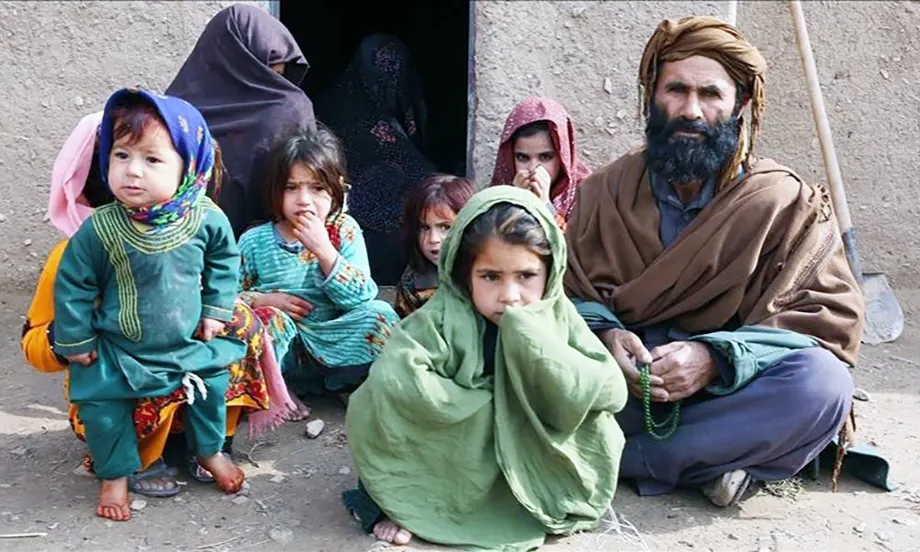
Amnesty International has called on governments to put pressure on the Taliban to end their repression of and restrictions on women and girls in Afghanistan. Since the Taliban takeover, women and girls have been deprived of their fundamental rights and freedoms. The organisation said the Taliban have denied women and girls access to secondary and university education, entry to parks and sports clubs, and the right to travel without being accompanied by a male guardian.
Amnesty International also highlighted that the Taliban permit child marriage and consider girls' silence as consent to marriage. The organisation has called on governments to stop deporting migrants to Afghanistan.
In Germany, the Federal Foreign Office stated on Thursday, 26 November 2026, that the systematic and structural violation of the rights of Afghan women and girls could amount to persecution on gender grounds. Berlin invoked the Rome Statute, the founding treaty of the International Criminal Court, giving the condemnation a precise legal basis. Berlin was addressing an organised structure of discrimination, while stopping short of calling that structure gender apartheid.
The systematic and structural violation of the rights of women and girls in Afghanistan may constitute persecution on the basis of gender.
The statement did not simply object to individual Taliban decrees. It addressed what Berlin described as an organised structure of discrimination. The ministry reiterated that Berlin does not recognise the Taliban administration as Afghanistan's legitimate government. Contacts with the group remain at a technical level, with German officials using those exchanges to press for improvements in human rights.
The European Union in Afghanistan has reaffirmed its support for Afghan women and girls, emphasizing their right to live free from violence, access education, work and shape their own futures. The EU stressed that the voices of Afghan women and girls must be heard, their choices respected and their fundamental rights protected.
The EU stands with Afghan women and girls. Every day.
The international response has deepened as the situation on the ground remains volatile. The distinction between a local measure and a national decree is critical for understanding the speed of change in Afghanistan.
Taliban Order Strips Women's Names From Official Papers in Afghanistan's Balkh Province highlights a specific local measure that may become national.
Germany Says Systematic Taliban Repression of Women Could Be a Crime Against Humanity provides the legal context for Berlin's stance.
The UN Warning and the Aid Crisis
The United Nations has warned that restrictions imposed by the Taliban on female humanitarian workers are preventing women and girls in Afghanistan from accessing essential, life-saving assistance, information and protection services. The UN Office for the Coordination Human Affairs raised the concern on Friday, November 27, in a statement on X. The agency stressed that no woman or girl should be excluded from humanitarian assistance because of restrictions on women's employment.
Without female colleagues in the field, our assessments cannot fully identify the needs or priorities of women.
Leila, a female humanitarian worker, provided this assessment in the OCHA statement. She added that although remote communication could help, it could not always replace direct and safe conversations with women and girls. The warning comes amid continued restrictions on Afghan women's participation in humanitarian operations.
In September 2025, Taliban authorities prevented Afghan female employees and contractors from entering United Nations compounds. The restrictions were subsequently extended to UN field offices across the country. A Reuters report from September 11, 2025, noted that the United Nations warned the restrictions threatened assistance to vulnerable communities, including earthquake survivors and returning Afghan refugees. The UN said female humanitarian workers were essential to delivering assistance to women in a culturally sensitive and effective manner.
The impact of the restrictions remains widespread. A survey published by local media on November 26, citing research by UN Women and humanitarian partners, found that half of 90 aid organizations surveyed across Afghanistan reported that restrictions prevented their female employees from reporting to work in some provinces. Nearly one-third of those surveyed also said female staff had been stopped by Taliban morality officers while travelling to work.
The survey was conducted between October 7 and 26 and included 72 national non-governmental and civil society organizations, 10 international NGOs and eight UN agencies operating across all 34 provinces. The restrictions are part of a broader series of measures imposed on women and girls since the Taliban returned to power in August 2021.
Humanitarian agencies have repeatedly warned that excluding women from aid operations makes it difficult to identify and address the needs of vulnerable female populations, particularly those who cannot safely communicate with male aid workers. The United Nations continues to conduct humanitarian operations in Afghanistan, where women and girls remain among the most vulnerable groups affected by the country's ongoing crisis.
Reported Taliban Order in Balkh Replaces Women's Names With Bibi connects the local naming order to the wider structural issues.
Scotland Restricts Afghanistan Cricket Ties Over Taliban Treatment of Women and Girls shows how international sports bodies are reacting.
Legal Precedents and Public Outcry
Germany's use of the words systematic and structural matters significantly in international law. Persecution involves the severe deprivation of fundamental rights because of a person's identity. Under article 7(1)(h) of the Rome Statute, persecution on gender grounds can be prosecuted as a crime against humanity. Crimes against humanity generally require a widespread or systematic attack directed against a civilian population, rather than an isolated abusive act.
Germany's statement addresses what it described as an organised structure of discrimination. In Afghanistan, that pattern includes exclusion from education, employment and public life, alongside restrictions on movement and healthcare. Gender apartheid carries a related but broader argument. Activists use it to describe an institutional system of domination and exclusion based on gender.
France and Spain have gone further in their public language. French Foreign Minister Jean-Noël Barrot used the apartheid label in the National Assembly on Tuesday, 24 November. Paris and Madrid are seeking a new legal definition. Berlin has chosen to invoke an offence already written into the Rome Statute. The ministry announced no new court filing or legal deadline, and no completion date has been given for the proposed convention.
The cycle of impunity remains a key concern for civil society. Amnesty International Canada is the specific branch calling for action. It highlighted seven major areas of human rights violations in the country. These include corporal punishment and public flogging, the systematic denial of women and girls' fundamental rights and participation in society, and the humanitarian and economic crisis.
The organisation also identified the erosion of access to justice and the rule of law, arbitrary detention, torture and enforced disappearances, and the repression of civil society and independent media. Amnesty International Canada identified the suppression of peaceful protests and restrictions on freedom of expression as further human rights violations in Afghanistan.
The organisation urged people worldwide to join the campaign and take action to end impunity for human rights violations and hold the Taliban accountable. The global campaign emphasizes that five years after the Taliban seized power, Afghanistan has become trapped in an escalating cycle of human rights violations.
The International Criminal Court's Rome Statute provides the framework for these legal classifications.
Healthcare and Human Rights
The United Nations warned during a press briefing in Geneva on Friday, November 20, 2026, that an estimated 22 million women and girls are at risk of losing access to essential healthcare services. This looming health emergency stems from a combination of strict new rules imposed by the Taliban and sharp reductions in international humanitarian assistance.
Since returning to power in August 2021, the de facto authorities have issued more than 100 decrees restricting women and girls. These edicts limit freedom of movement, ban secondary education beyond grade six, exclude women from universities and most forms of employment, and require a male guardian for travel. In December 2024, the administration further restricted medical education by barring women from attending training institutions such as nursing and midwifery programs.
This policy threatens the future availability of female healthcare workers in a society where cultural norms often prevent women from receiving treatment from male medical staff. Declining international financial support has forced aid organizations to make difficult choices about who receives assistance. The UN Office for the Coordination of Human Affairs noted that nearly 300 humanitarian health facilities have closed or suspended operations across Afghanistan.
These closures affect more than one million women and girls who rely on those centers for basic medical care, maternal health services, and emergency treatment. Obstetric fistula, a serious childbirth injury causing chronic pain and incontinence, illustrates the specialized needs at risk.
UN Special Representative and head of the UN Assistance Mission in Afghanistan, Rabab Fatima, visited the World Health Organization-supported fistula repair ward at Mirwais Regional Hospital in Kandahar on November 16, 2026. Specialized centers at Mirwais Regional Hospital and Rabia Balkhi Hospital in Kabul aim to directly benefit 300 women and indirectly support 300,000 women and girls of reproductive age.
Sophia Calltorp, chief of humanitarian action at UN Women, shared accounts of severe hardship gathered during a recent visit to Afghanistan. She described meeting a woman in Kunar province who suffered multiple miscarriages without receiving medical care.
One woman that I met in Kunar told me that she had suffered multiple miscarriages without access to healthcare.
Calltorp also highlighted the plight of displaced women spending their second winter away from home after losing houses in last year's earthquake, compounded by recent flooding and clashes along the border with Pakistan. She noted that while support programs exist, such as a case involving a young woman helped by a local violence prevention initiative, broader protection mechanisms have been dismantled.
The reduction in resources extends far beyond medical clinics. More than 193 support centers for survivors of gender-based violence have closed, leaving over thousands of women without safe spaces. The broader human consequences are significant.
Amnesty International's call for pressure on the Taliban aligns with the UN's data on healthcare access and the German government's legal perspective.
The Road to Accountability
The situation in Afghanistan is not static. The interplay between local decrees and international pressure is creating new dynamics. The EU's daily support statement reinforces the diplomatic front. The German legal assessment provides a potential path for international justice. The UN warnings highlight the immediate humanitarian cost.
The distinction between a local measure and a national decree is critical for understanding the speed of change in Afghanistan. The Balkh naming order, while local, serves as a microcosm of the broader trend. The German statement, while not an apartheid label, offers a robust legal tool for the future.
Actors on the ground, from Leila the aid worker to Lalah Osmany the activist, provide the human context for these high-level political and legal moves. Their words bridge the gap between abstract policy and daily reality.
The global community now faces a choice. Continue technical engagement or apply structural pressure. The recent moves by Germany, the EU, and the UN suggest a shift toward the latter. The Taliban, for their part, continue to enforce restrictions with a steady hand, creating a stable but restrictive environment for women and girls.
Key Points
Amnesty International urges governments to pressure the Taliban to end the repression of women and girls in Afghanistan.
Berlin states that systemic violations of women's rights could constitute a crime against humanity under the Rome Statute.
The UN warns that restrictions on female aid workers threaten healthcare for 22 million Afghan women and girls.
A local order in Balkh province replacing women's names with Bibi is seen as a potential national precedent.
The European Union reaffirms its support for Afghan women's rights to education, work, and freedom from violence.
Germany, France, and Spain are adopting stronger legal and diplomatic stances regarding the Taliban administration.
Scholars and activists argue that the removal of names and public presence is a systematic process of dehumanisation.
The international community is called upon to stop deporting migrants to Afghanistan and support humanitarian operations.