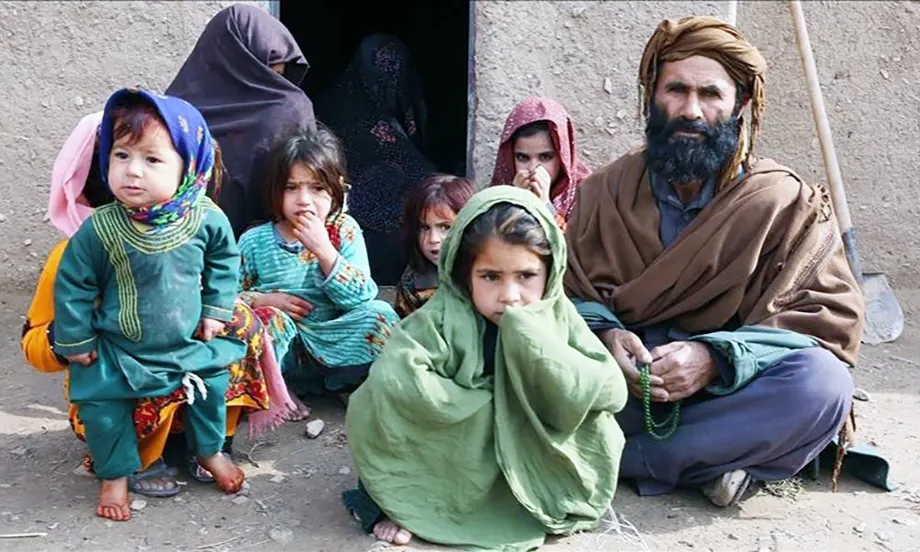
Less aid reaches Afghanistan as needs grow
Afghanistan received $570 million in humanitarian funding so far in 2026, compared with $2 billion in 2023, as millions of returning migrants and the loss of basic health services put growing pressure on the country. Bruno Lemarquis, the United Nations Deputy Special Representative for Afghanistan and Resident and Humanitarian Coordinator, warned that needs would rise sharply in 2027.
Contents
- Less aid reaches Afghanistan as needs grow
- Funding has fallen while demand keeps rising
- Hundreds of health facilities face closure
- Returning families need documents and work
- Girls remain excluded from classrooms and universities
- Restrictions also reach Afghan women working for the UN
- Opium production exposes pressure on rural incomes
- Weather risks could add another shock in 2027
- The warning extends beyond Afghanistan
- Key Points
Speaking at UN Headquarters in New York on Friday, November 6, 2026, Lemarquis described a country where relative stability and security coexist with a fragile economy, extensive restrictions on women and girls, and more than 20 million people needing humanitarian assistance.
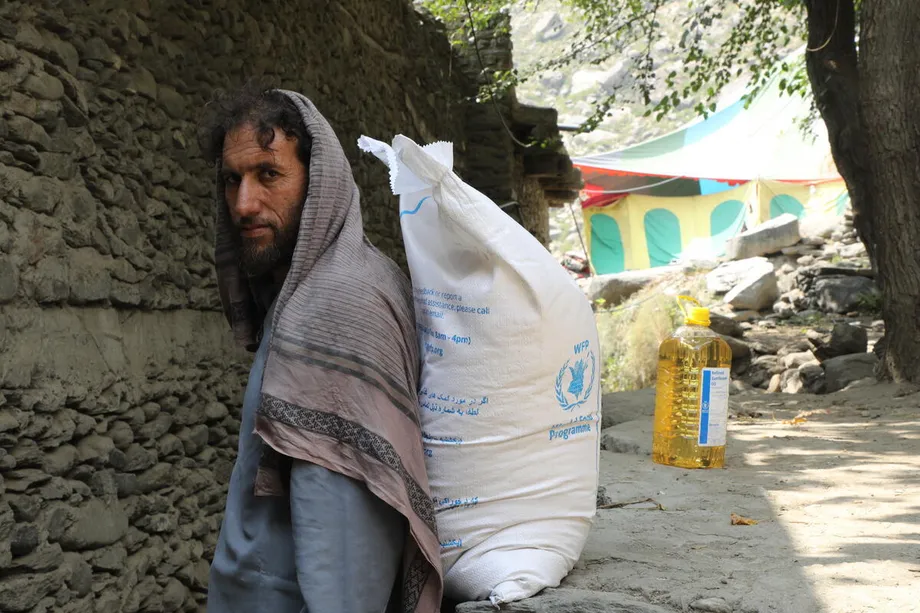
Approximately 6.7 million Afghans have returned since 2020, many after forced departures from Pakistan and Iran. Their arrival is increasing demand for housing, jobs, documents and medical care just as humanitarian organisations have fewer resources to help.
Lemarquis identified three pressures behind the warning for 2027: further mass returns, regional instability and a potentially severe El Niño weather pattern. Together, they threaten food supplies and access to essential services. His appeal was for international engagement to continue despite falling humanitarian assistance.
Funding has fallen while demand keeps rising
The humanitarian response received approximately $2 billion in 2023 and $1 billion in 2025, according to Lemarquis. That represents a halving of funding between those two years. The $570 million received so far in 2026 amounts to 28.5 percent of the 2023 total, although the 2026 figure covers only part of the year.
Afghan communities are facing several demands at once. Existing residents need food and healthcare, returning families need help establishing homes and incomes, and restrictions on education and employment are narrowing opportunities. A smaller aid budget leaves humanitarian organisations with less capacity to respond across those needs.
The funding figures also help explain why the warning focuses on services as well as emergency supplies. A health facility requires continuing support to keep staff, medicines and basic care available. When funding falls, the effects can reach people who depend on the same service month after month.
Hundreds of health facilities face closure
Lemarquis put the number of primary healthcare facilities affected by funding shortages at around 700 out of approximately 1,900. His remarks were described both as 700 facilities having closed over the past year and as around 700 expected to close during 2025 and 2026; the exact number already shut was not clear.
The UN official described the threatened loss as about 40 percent of the network. Using the stated figures, 700 out of 1,900 is approximately 37 percent, or more than one in three facilities. Either measure points to a substantial reduction in access to basic care.
Primary healthcare is usually the first place people seek medical help, rather than a specialist hospital. Losing that nearby service creates particular difficulties for women, children and people in remote areas, where other options are already limited. The closures also leave fewer facilities to serve communities receiving returning families.
Returning families need documents and work
The approximately 6.7 million returns since 2020 include many Afghans forcibly expelled from neighbouring countries, particularly Pakistan and Iran. Lemarquis said some had never lived in Afghanistan before, making their arrival a move to an unfamiliar country rather than a return to an established home.
He described meeting a father aged 45 who had been born abroad and had arrived with his children in his ancestral village. The example shows why family roots in Afghanistan do not necessarily come with a house, employment or experience of navigating local services.
Lemarquis said returnees needed legal documentation, protection and employment. Describing the urgency of finding a way to earn a living, the UN humanitarian coordinator called for:
jobs, jobs, jobs.
Documents help people establish their identity and deal with public institutions. Protection means assistance for people exposed to danger, abuse or other threats. Employment gives families a means to pay for food, shelter and daily needs beyond the period covered by emergency assistance.
Girls remain excluded from classrooms and universities
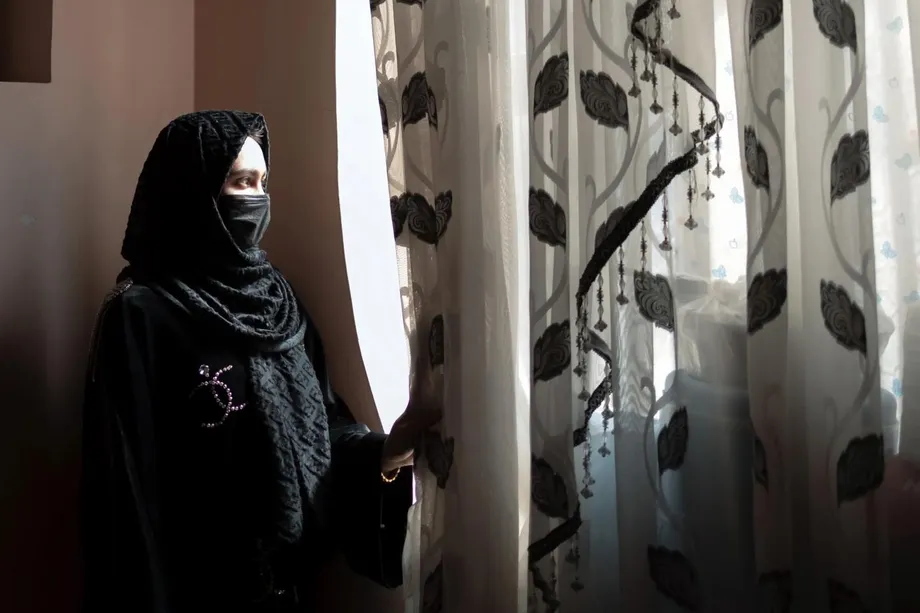
More than 2.6 million girls have been denied secondary education since 2021, Lemarquis said. Female university enrolment now stands at zero. Those figures describe two barriers at successive stages of learning: adolescent girls cannot continue through secondary school, while women are excluded from universities.
Women and girls also face restrictions on work and participation in public life. Lemarquis, speaking in his role as the UN representative and humanitarian coordinator, described the restrictions as:
severe and sweeping
Afghanistan's economic difficulties are affecting boys' education too. Some families are holding their sons back from further study because of financial pressure. Families therefore face different obstacles: girls are excluded by policy, while poverty is also limiting the education some boys receive.
The loss of learning and access to employment reaches into household finances. Returning families need jobs, and communities need functioning services, while women face restrictions on gaining qualifications and participating in the workforce. Those pressures are unfolding together rather than as separate problems.
Restrictions also reach Afghan women working for the UN
Afghan women employed by the United Nations have been barred from entering UN premises across the country since September 2025, Lemarquis said. The restriction remained in place at the time of his briefing, extending limits on women's work into the organisation coordinating the humanitarian response.
Asked about Taliban explanations for restrictions on women and girls, Lemarquis described a combination of religious extremism and longstanding practices of control and discrimination. He said there had been no perceptible policy change despite public statements by the Organization of Islamic Cooperation and approaches from Muslim countries and Islamic scholars.
The Organization of Islamic Cooperation is a group of Muslim countries. Its involvement, alongside that of scholars and individual governments, shows that appeals to change the restrictions have also come from within the Muslim world. Lemarquis nevertheless described women and girls as continuing to lose opportunities to learn, work and participate in public life.
Opium production exposes pressure on rural incomes
Lemarquis cited a recent UN report finding that opium poppy production increased by 330 percent in 2025. Production had fallen sharply after the Taliban imposed a ban in 2022. A rise of 330 percent means output became 4.3 times its level in the comparison period.
Afghanistan was for decades the world's largest source of illicit opium, a substance obtained from poppies and used to make heroin. Lemarquis said farmers had found ways to hide production from the Taliban, while stressing the need for other viable ways to earn a living.
According to Lemarquis, some farmers described how little income they would have without growing poppies. He recounted their words:
We cannot survive. And we don't want to die.
His argument was that efforts to eliminate poppy cultivation need to be accompanied by practical alternatives for farming households. The issue connects the drug economy to the wider humanitarian crisis: families need an income, and restrictions on a crop leave them needing another dependable source of earnings.
Weather risks could add another shock in 2027
Lemarquis warned that an unusually severe El Niño could worsen Afghanistan's humanitarian needs in 2027. El Niño is a periodic warming of part of the tropical Pacific Ocean that can alter weather patterns far beyond the Pacific, affecting rainfall and temperatures in other regions.
The concern for Afghanistan is the possibility of drought, weaker food security and disruption to essential services. Food security means having reliable access to enough safe, nutritious food. A weather shock can put that access under pressure when farming families lose production or income.
Afghanistan would face such a shock while receiving large numbers of returnees and operating with reduced humanitarian funding. For a community already sharing limited water, medical care and employment, additional weather pressure could make daily needs harder to meet. Lemarquis presented the forecast alongside regional instability and migration as connected risks for the coming year.
The main developments behind the warning span several years:
- Since 2020: Approximately 6.7 million Afghans have returned to the country.
- Since 2021: More than 2.6 million girls have been denied secondary education.
- 2022: The Taliban imposed a ban on opium poppy cultivation.
- 2023: Humanitarian funding reached approximately $2 billion.
- 2025: Funding stood at $1 billion, and a UN report cited by Lemarquis recorded a 330 percent rise in opium production.
- September 2025: Afghan women working for the UN were barred from its premises.
- November 6, 2026: Lemarquis warned in New York that humanitarian needs would rise sharply in 2027.
The warning extends beyond Afghanistan
Lemarquis urged the international community not to turn its back on Afghanistan. He said the consequences of a worsening crisis could reach neighbouring countries and affect security, stability and migration routes, linking humanitarian assistance inside Afghanistan to concerns across the region.
The UN humanitarian coordinator described the possible consequences as "very, very, very significant" and warned:
The consequences could go beyond the Afghanistan border, potentially affecting regional security, regional stability and migration pathways.
Pakistan and Iran already feature directly in the crisis through the large numbers of Afghans returning from both countries. Inside Afghanistan, the immediate priorities are concrete: keeping medical services available, helping returnees obtain documents and work, supporting families facing hunger, and restoring opportunities for women and girls.
The central pressure is the gap between rising needs and shrinking resources. More people require support from communities whose services are already stretched, while restrictions on education and employment limit the opportunities available to build a more secure household income.
Key Points
- The UN expects Afghanistan's humanitarian needs to rise sharply in 2027 amid mass returns, regional instability and weather risks.
- Humanitarian funding fell from $2 billion in 2023 to $1 billion in 2025, with $570 million received so far in 2026.
- Around 700 of approximately 1,900 primary healthcare facilities have closed or face closure because of funding shortages.
- Approximately 6.7 million Afghans have returned since 2020, including many forcibly expelled from Pakistan and Iran.
- More than 2.6 million girls have been denied secondary education, and female university enrolment stands at zero.
- Lemarquis urged continued international support, warning of consequences for regional security, stability and migration.