A narrow opening with no shared table
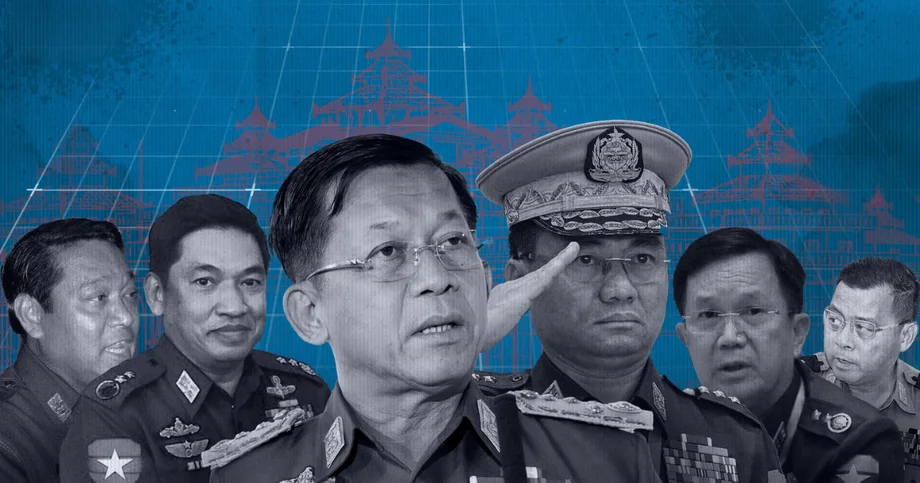
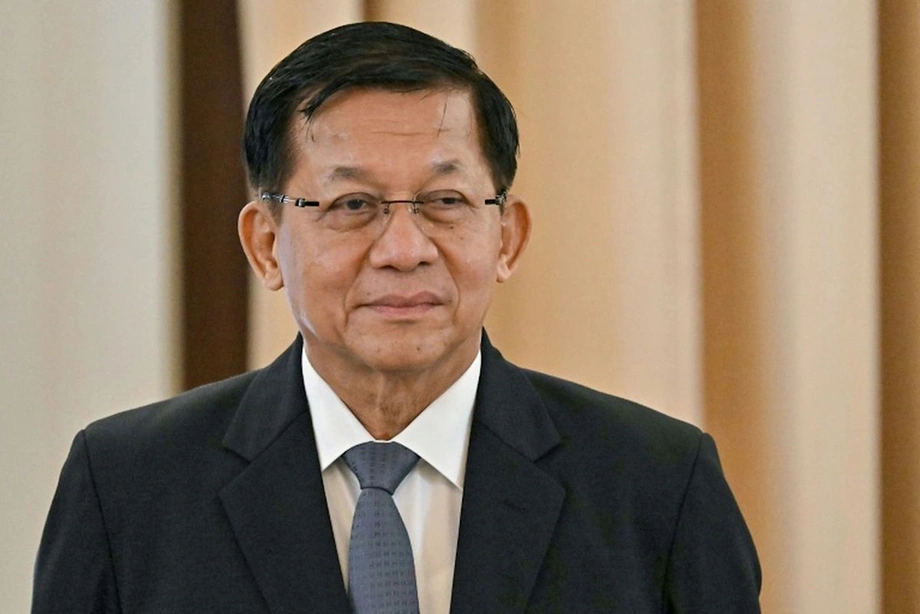
On April 20, 2026, Min Aung Hlaing offered peace talks to Myanmar's ethnic armed organizations and People's Defence Forces, setting July 31 as the date before which he wanted discussions to begin. His invitation did not mention the National Unity Government, the civilian administration formed by opponents of military rule. The Karen National Union and Chin National Front rejected the offer, leaving the proposal without some of the most important participants in any settlement.
Contents
- A narrow opening with no shared table
- What the battlefield says about bargaining power
- Who has been asked to talk?
- Why older agreements still feed distrust
- What the Sinbaungwe bombing changes
- Why Min Aung Hlaing is courting his neighbours
- How the genocide judgment raises the stakes
- Why Kim Aris wants pressure to continue
- What would turn an opening into negotiations?
- Key Points
The invitation nevertheless marked a possible opening after more than five years of war. The military has recovered some ground since its earlier losses, retains its most powerful weapons and faces growing regional pressure to engage with its opponents. At the same time, recent airstrikes, continued displacement and disagreements over who should represent the resistance show how narrow that opening remains.
Several organizations are central to understanding the dispute. Ethnic armed organizations, often called EAOs, control territory and field armies in many border areas. The National Unity Government, or NUG, says it represents the civilian leadership displaced by the coup. People's Defence Forces, or PDFs, are armed groups formed largely after the coup and include many local resistance units. The national armed forces are widely known as the Tatmadaw.
For now, the opening consists of invitations, indirect contacts and diplomatic activity rather than an agreed negotiation with a common agenda. No date for a new comprehensive round of talks has been announced. For civilians, the practical question is whether these contacts can eventually stop bombing, release prisoners and allow displaced families to return home.
What the battlefield says about bargaining power
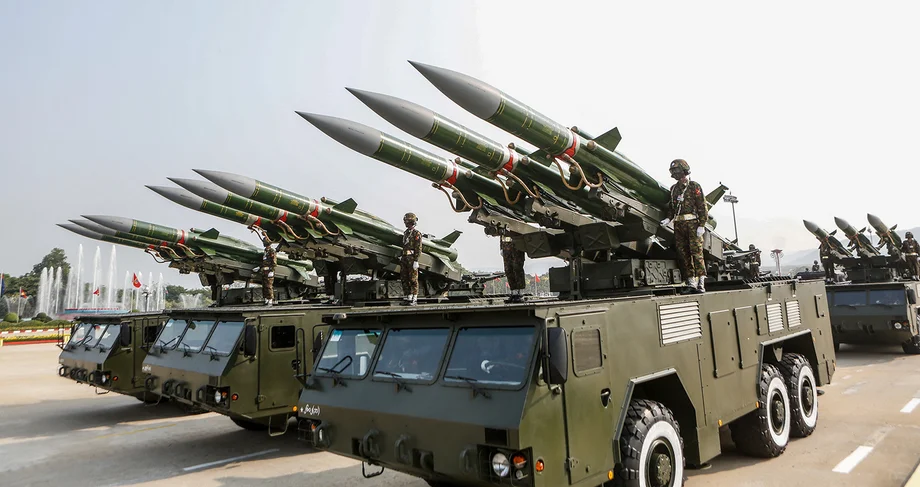
An April assessment put the military's direct control at an estimated 21 percent of Myanmar's territory, compared with 42 percent held by resistance forces and ethnic armies. The army still held most major cities, including Yangon and Naypyidaw, as well as aircraft, artillery and expanding drone forces. Those figures explained why the fighting was described as a strategic stalemate: territorial recovery had improved the military's position without restoring national control.
Recent fighting south of Myawaddy in Karen State demonstrates the limits of air power and urban control. From November 19 to 22, a coalition led by the Karen National Liberation Army, the armed wing of the Karen National Union, ambushed military columns along the Kyawt War Bo, Lay Day, Kyun Khu Nit Pin and Yekone ridges. The clashes occurred along the upper road between Hpalu and Wawlay. Karen resistance sources said the military suffered heavy losses before calling in fighter jets and Y-12 utility aircraft. One fighter jet dropped a bomb weighing 500 pounds, while other aircraft bombed resistance positions and delivered ammunition. The resistance coalition also suffered casualties, and no verified total was given.
A resistance fighter, whose name was not disclosed, described the air deliveries, the bodies left on the ground and the weapons used by both sides.
The Y-12 also dropped bombs and airdropped ammunition to junta ground troops. Militia members fighting alongside the junta were also killed, and dozens of bodies were left behind because they could not retrieve them. Both sides used drones and artillery to attack each other.
The Democratic Karen Benevolent Army, which is aligned with the military, ordered its forces on November 20 to stay out of the clashes around Hpalu. A person close to the group said the fighting had entered its territory, creating a danger that checkpoints and positions held jointly with the military could become targets. Military artillery and drone attacks were launched from Infantry Battalion 275 in Myawaddy and a frontline command in Lay Kay Kaw. Behind these movements sits a months-long effort to reinforce the Wawlay hilltop base. Villagers displaced by that offensive remain unable to return.
Who has been asked to talk?
The April invitation followed earlier attempts to create a negotiating process on the military's terms. From June 25 to 27, 2025, the military authorities held a Peace Forum in Naypyidaw. Participants included signatories to the Nationwide Ceasefire Agreement, the United Wa State Army, the Shan State Progress Party and the National Democratic Alliance Army. The agenda covered ending conscription during elections, reviewing the constitution, releasing political dissidents and holding fair elections.
Groups opposed to military rule criticized that forum as an attempt to gain international acceptance for the authorities in Naypyidaw. Their objection went to the heart of the dispute: discussions about elections and constitutional rules carry little weight for opponents who believe the military controls the process and can disregard the result.
A separate approach emerged in Kachin State. On August 11, 2025, Gun Maw of the Kachin Independence Organisation said the military's State Security and Peace Commission had sought online talks. His organization offered to send a delegation to Myitkyina, the state capital, but received no response. That episode established that contacts were possible while also showing how easily they could stall.
NUG defence minister U Yee Mon has said the PDFs and other resistance groups are open to political dialogue if the Tatmadaw carries out fundamental reforms. The April invitation did not answer that demand, and its omission of the NUG left unclear who could negotiate for the wider opposition. The Karen National Union and Chin National Front then rejected the proposal. Any further process must therefore settle participation and political conditions before detailed ceasefire arrangements can be discussed.
Why older agreements still feed distrust
Myanmar's present war sits on top of armed conflicts that began before independence from Britain on January 4, 1948. Many ethnic communities have sought equal treatment, cultural and political rights, and an end to forced relocation, poverty and neglect in their areas. Earlier ceasefires sometimes reduced fighting, but agreements collapsed and military intervention repeatedly changed the political order.
The Nationwide Ceasefire Agreement remains the clearest warning about incomplete participation. Sixteen armed ethnic groups agreed its text in 2015, covering ceasefire monitoring, implementation and a route toward political negotiations. Only eight groups signed it with the government and the Tatmadaw, half the number that had accepted the draft.
- From 2011 to 2013: President U Thein Sein's government pursued bilateral ceasefires, formed the Nationwide Ceasefire Coordination Team and helped launch the peace process that produced the national agreement.
- October 2015: Eight armed groups, the government and the Tatmadaw signed the Nationwide Ceasefire Agreement, leaving several major armed organizations outside it.
- August 31, 2016: The first session of the Union Peace Conference, known as 21st Century Panglong, began after the National League for Democracy made peace a central priority.
- February 2021: The military removed Aung San Suu Kyi's elected government, widely marking the collapse of the existing peace process and the return of nationwide war.
- Late October 2023: The Three Brotherhood Alliance launched Operation 1027 in Shan State, beginning a series of serious military setbacks.
- February 2024 and early 2025: The military introduced forced conscription to address troop shortages, while Chinese mediation produced ceasefires and pressure on the Myanmar National Democratic Alliance Army to return Lashio to military control.
This record helps explain the response to new invitations. Armed groups are being asked to trust institutions associated with broken agreements, ignored election results and renewed attacks. A signature alone would provide little security without participation, monitoring and agreement on the military's future political power.
What the Sinbaungwe bombing changes
At around 3 pm on a Thursday in Sinbaungwe Township, Magway Region, a military airstrike struck a school and monastery compound in a village held by rebels while a religious ceremony was underway. Artillery fire followed. At least 30 people were killed, including an infant and several schoolchildren. NUG spokesperson Nay Phone Latt and a local witness said the dead comprised more than 20 civilians, among them women and children, and nine rebel fighters.
Opposition authorities alleged that the attack involved four aerial bombs weighing 500 pounds each, 12 artillery shells and seven drones designed to explode on reaching their targets. The local witness said there were no active clashes in the area and that rebel fighters only passed through the village occasionally. Telegram channels supporting the military said the strike targeted a graduation ceremony and a gathering of rebel forces. The military had issued no official statement by Saturday afternoon, and there was no independent verification of the casualty figures or the competing descriptions.
NUG records give the attack a broader context. They list 15,327 airstrikes during 6,653 incidents from February 1, 2021, to late October 2026. An incident can involve several airstrikes, which explains the difference between those two totals. The records attribute 6,467 civilian deaths to the attacks and list damage to 562 schools and 848 religious buildings.
The NUG and the interim Magway Federal Unit Government jointly called the Sinbaungwe attack a war crime and a violation of the Geneva Convention. They said evidence was being collected for future international proceedings and urged the United Nations, ASEAN and neighbouring countries to stop supplies of aviation fuel, munitions and drone technology reaching the military. Their wider estimate put the war's death toll at around 100,000 people, with more than 3.5 million displaced.
Why Min Aung Hlaing is courting his neighbours
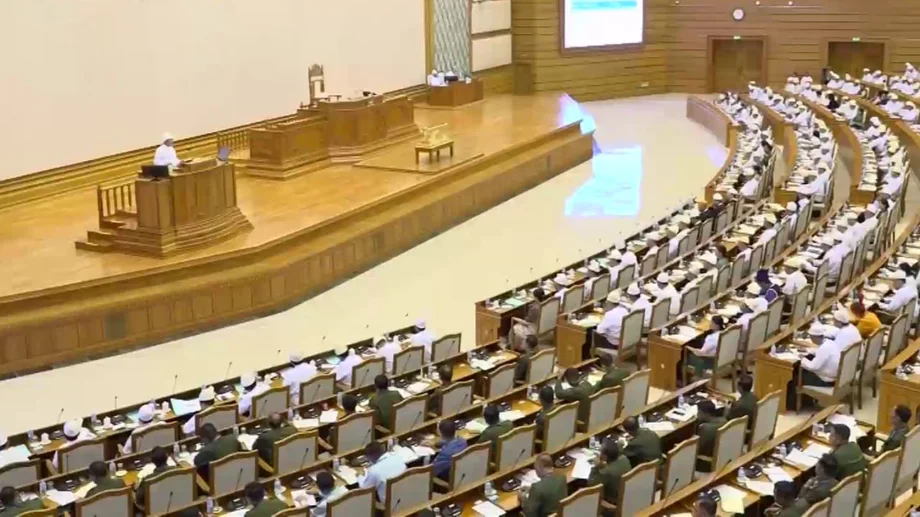
Min Aung Hlaing secured the presidency on April 3, 2026, after elections conducted between December 2025 and January 2026. Major opposition parties were excluded, conflict prevented voting in some areas and parties aligned with the military won a landslide. The constitution reserves one quarter of parliamentary seats for serving officers, while roughly 90 percent of the new parliament was described as loyal to him through either military service or party alignment.
The presidency changed his formal position without removing the military from politics. General Ye Win Oo, a close ally and former intelligence chief, succeeded him as armed forces commander. The Union Consultative Council Law, enacted on February 3, also created a body with authority spanning security, foreign relations, peace and legislation. These arrangements form part of the political setting in which the military can present talks as a route to stability while retaining substantial power.
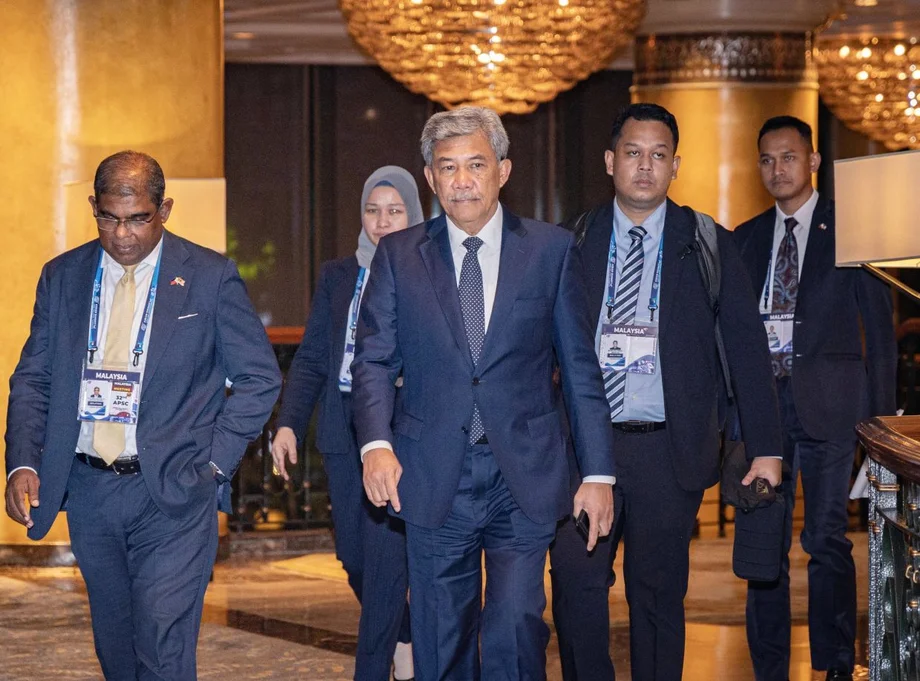
His next diplomatic test comes in Hanoi on Saturday, at his first multilateral meeting since becoming president. Vietnam said he would join Cambodian Prime Minister Hun Manet, Thai Prime Minister Anutin Charnvirakul, Vietnamese Prime Minister Le Minh Hung, Laotian Prime Minister Saleumxay Kommasith and ASEAN Secretary-General Kao Kim Hourn. The gathering combines the 12th Cambodia, Laos, Myanmar and Vietnam summit with the 11th Ayeyawady, Chao Phraya and Mekong Economic Cooperation Strategy summit. Its agenda covers infrastructure, logistics, trade, supply chains and the environment.
The visit follows Min Aung Hlaing's tour of Thailand, Laos, Vietnam and Cambodia, a regional effort to gain acceptance for his new administration. ASEAN has kept Myanmar out of its highest-level summits since the coup, but agreed this month to pursue "calibrated engagement". In practice, that phrase points toward selective contact while the war and political crisis continue. Hanoi offers discussion on trade and regional projects, not a negotiation with the NUG or armed resistance.
How the genocide judgment raises the stakes
The International Court of Justice, the principal judicial organ of the United Nations, delivered another major change to that diplomatic setting on November 19, 2026. In a 9 to 6 decision, the court found that Myanmar committed genocide during its 2017 crackdown on the mostly Muslim Rohingya minority. Min Aung Hlaing commanded the armed forces at the time. The court ordered reparations, the safe return of displaced Rohingya and prosecution of those responsible.
Myanmar has denied genocide and maintained that its operations targeted an insurgency. Its response called the judgment "a great disappointment" and "not fair". Min Aung Hlaing subsequently said his government would reject some of the court's demands. Fourteen foreign ministers from Europe, North America, Oceania and West Africa then demanded full compliance, describing the judgment as binding under international law.
The United Kingdom went further on the following Monday. It formally recognised the genocide, imposed sanctions on five senior Myanmar military officers and announced plans to restrict aviation fuel supplies. Fuel restrictions have a direct connection to the war because aircraft allow the military to bomb territory beyond the reach of its ground forces. Opposition calls for limits on fuel, munitions and drone technology seek to reduce that capacity.
Min Aung Hlaing also faces Argentine arrest warrants and a separate application at the International Criminal Court. An Argentine judge issued warrants for 25 Myanmar military and civilian officials on February 13, 2025. At the International Criminal Court, prosecutors applied on November 27, 2024, for his arrest over alleged deportation and persecution of the Rohingya. Judges have announced no public date for a decision. Together, these proceedings increase the legal pressure surrounding his search for diplomatic recognition.
Why Kim Aris wants pressure to continue
Kim Aris, the son of Aung San Suu Kyi, recently heard his mother's voice for the first time in five years. Suu Kyi, who is 81, had been held in solitary confinement in a Naypyidaw prison before being moved to an undisclosed location that the military describes as house arrest. The Red Cross visited her earlier this year and confirmed that she was alive. Her later telephone call with her son was recorded and monitored after Myanmar's embassy in London contacted the British Foreign Office.
Aris, who has campaigned for his mother's release since the 2021 coup, described his response to the call.
Obviously I was very happy to hear her voice and it was a huge relief to actually know that she's alive and well after all this time.
His relief came with objections to her continuing detention. He said she was not in her own home and had no access to media, while previously her only medical care came from military doctors. He urged governments to maintain pressure on the military rather than treat the transfer as evidence of moderation. He also rejected the recent elections as free and fair.
Aris cited a larger humanitarian count than the estimate accompanying the Sinbaungwe attack, saying more than 4 million people were internally displaced and another 2 million had fled abroad. He linked part of that flight to military conscription. His conditions for peace were a halt to the bombing of civilians and the release of all political prisoners.
Without those steps, I can't see peace coming back to Burma soon.
Aris also addressed his mother's appearance before the International Court of Justice in December 2019, when she defended Myanmar against the genocide allegations. He said she had established the Kofi Annan Commission on Rakhine State on the second day of her term and had been trying to preserve a fragile civilian government that the military could dismantle. His argument connects that earlier political balancing act with the coup that eventually removed her.
What would turn an opening into negotiations?
The parties have already identified the issues that a credible process would need to address. Participation comes first: the April invitation covered ethnic armed organizations and PDFs but omitted the NUG, while two major ethnic organizations rejected it. The military's political future, constitutional review, conscription, political prisoners and fair elections all appeared in earlier discussions or opposition conditions.
Conduct during talks is another immediate test. Aris wants civilian bombing to stop and prisoners released before peace can become plausible. The NUG wants fundamental reform of the Tatmadaw before political dialogue. Villagers around Wawlay need fighting to end before they can return, while families in Sinbaungwe need schools and religious gatherings to become safe again.
The military now has incentives to talk from a stronger position and to convert regional engagement into recognition. Resistance groups have incentives to seek relief from airstrikes and conscription without accepting a process that excludes their political representatives. Until the participants, conditions and basic protections are agreed, the present opening remains a collection of possibilities rather than a negotiated route out of the war.
Key Points
- Min Aung Hlaing offered talks to ethnic armed groups and PDFs on April 20, 2026, but did not include the NUG in the invitation.
- The Karen National Union and Chin National Front rejected the offer, and no date for comprehensive negotiations has been announced.
- An April assessment estimated military control at 21 percent of territory and resistance or ethnic army control at 42 percent.
- At least 30 people were killed in the Sinbaungwe school and monastery attack, according to opposition authorities and a local witness.
- Min Aung Hlaing will attend regional talks in Hanoi as ASEAN begins a policy of calibrated engagement with Myanmar.
- The International Court of Justice ruled on November 19 that Myanmar committed genocide against the Rohingya in 2017 and ordered reparations, safe return and prosecutions.
- Kim Aris says peace requires an end to civilian bombing and the release of all political prisoners.