Six appointments keep Ismail in office
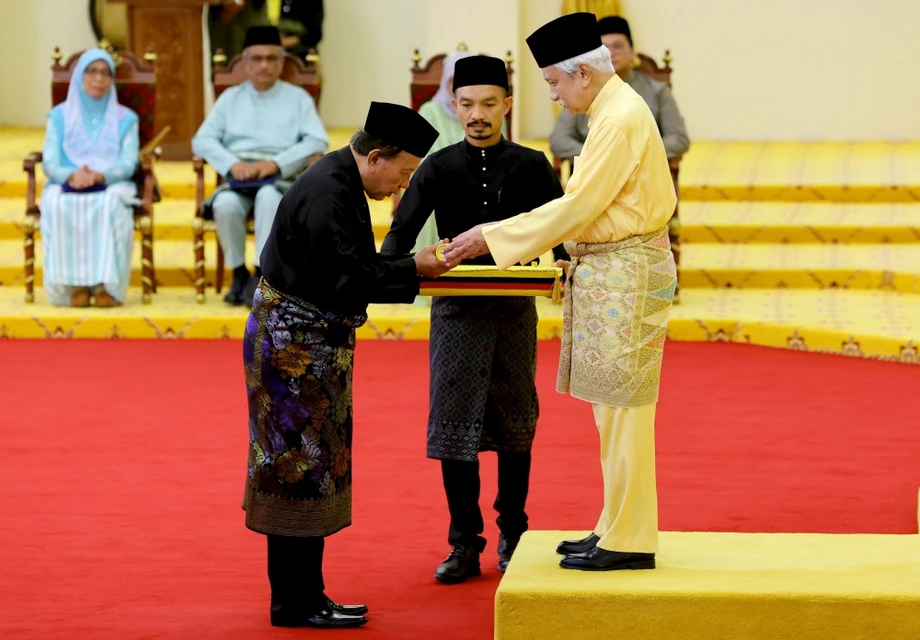
Datuk Ismail Lasim remained Negeri Sembilan's menteri besar on Friday, November 27, 2026, as six assemblymen took their oaths as executive councillors at Istana Besar Seri Menanti in Kuala Pilah. The appointments, approved by the Yang di-Pertuan Besar, Tuanku Muhriz Tuanku Munawir, gave the state a new council 68 days after he revoked the appointments of all 10 previous councillors. The menteri besar is the state's chief minister, while the executive council, commonly called the exco, performs a role similar to a state cabinet.
Contents
- Six appointments keep Ismail in office
- Who are the six new executive councillors?
- Why was Jalaluddin expected to take over?
- How did the disputed resignation letter unfold?
- How did a customary dispute reach the throne?
- The key dates behind Friday's settlement
- What limits did Tuanku Muhriz set?
- Why could assembly numbers not settle everything?
- What happens to the budget and the court case?
- Key Points
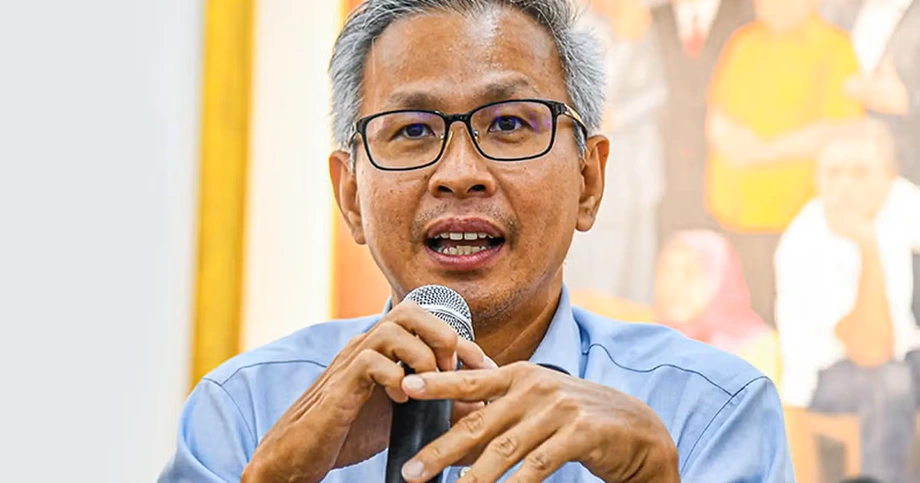
Friday's ceremony also ended immediate speculation that Datuk Seri Jalaluddin Alias, the Negeri Sembilan Umno chairman, would replace Ismail. Jalaluddin, who is the Pertang assemblyman and Jelebu member of parliament, attended the ceremony and said he accepted the outcome with an open heart. He described the appointment as Tuanku Muhriz's prerogative under the state constitution, following the party leadership's nomination process.
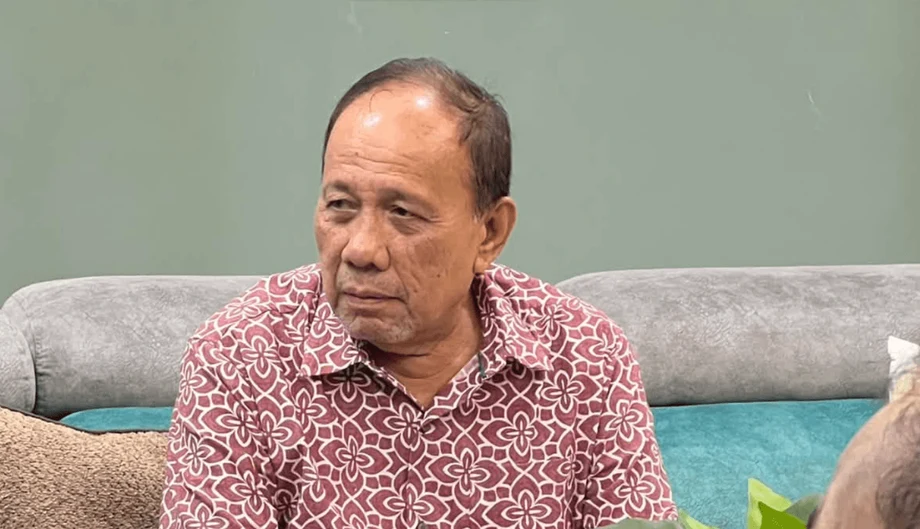
Ismail, the Juasseh assemblyman, announced the six approved names, congratulated the appointees and thanked the ruler. Tunku Ampuan Besar Tuanku Aishah Rohani Tengku Besar Mahmud also attended. For Negeri Sembilan residents, the practical change is that executive responsibilities can again be shared among a council after more than two months without a complete line-up.
Who are the six new executive councillors?
Four of the appointments went to Barisan Nasional assemblymen, including three from Umno and one from its coalition partner MCA. The other two went to Wawasan and PAS, representing the Perikatan Nasional side of the state administration.
- Suhaimi Aini, the Kota assemblyman, representing Umno.
- Mohamad Qayyum Abd Jalil, the Senaling assemblyman, representing Umno.
- Datuk Mohd Zaidy Abdul Kadir, the Jeram Padang assemblyman, representing Umno.
- Koh Kim Swee, the Repah assemblyman, representing MCA.
- Ridzuan Ahmad, the Gemas assemblyman, representing Wawasan.
- Abdul Fatah Zakaria, the Bagan Pinang assemblyman, representing PAS.
The six took their oaths before Tuanku Muhriz. Their appointment restores the numerical core of the council, although the menteri besar remains responsible for showing that his administration can work effectively after the prolonged dispute.
Why was Jalaluddin expected to take over?
Umno president and BN chairman Datuk Seri Dr Ahmad Zahid Hamidi had presented Jalaluddin as the coalition's main candidate for menteri besar before the August 1 state election. After BN and Perikatan Nasional secured a majority together, Ahmad Zahid submitted three names to the palace for consideration, including Jalaluddin. Tuanku Muhriz eventually consented to Ismail's appointment. Jalaluddin and Umno assemblymen were absent when Ismail took his oath on August 2, adding to speculation about dissatisfaction within the party.
Jalaluddin rejected that interpretation after Friday's ceremony. He said he had recognised from the outset that becoming menteri besar depended on the party president's decision and the ruler's assent. He also called on all parties to respect Tuanku Muhriz's decision and strengthen their loyalty to the royal institution so that the turmoil would not recur.
Asked directly whether he was disappointed, the state Umno chairman denied harbouring such feelings.
I'm okay and I do not harbour any sense of disappointment or the like.
Jalaluddin blamed ceplos, a term he used for cyber troops or partisan online campaigners, for spreading claims that he was upset. He urged those involved to end what he called psychological warfare and give full support to the state government. His stated priority was to resume development work and improve public welfare rather than continue arguing over the appointment.
How did the disputed resignation letter unfold?
The latest leadership dispute began on November 16, when BN secretary general Zambry Abd Kadir announced Ismail's resignation. Zambry said a letter dated that day had been prepared for Tuanku Muhriz and that Ahmad Zahid had received a copy. Ahmad Zahid subsequently described the resignation as voluntary and said Ismail had not been ordered to step down.
Ismail gave a different account after an audience with Tuanku Muhriz on November 20. He said he had neither submitted a resignation letter nor authorised anyone to submit it, adding that the document was being held by his party leadership. A person close to him had issued a similar denial on November 17. On November 18, Ismail's press secretary, Fasha Musthafa, confirmed that he was still carrying out his duties.
The palace clarified that it had not instructed Ismail to remain as menteri besar. It said a resignation takes effect only with Tuanku Muhriz's consent under the state constitution. The palace also required Ismail to demonstrate that he continued to command majority support in the State Legislative Assembly. The letter, royal consent and assembly support therefore became separate parts of the same leadership dispute.
On the night of November 20, 24 assemblymen backed party directives following a meeting at Wisma Umno Negeri Sembilan. The group represented 24 of the 25 BN and PN assemblymen. Twenty two attended in person, while Mohd Fairuz Mohd Isa of Serting and Razali Abu Samah of Sikamat, who were abroad, conveyed their support. Ismail did not attend.
State BN chairman Mohamad Hasan, who chaired the meeting for more than two hours, said the pledge was intended to help resolve the crisis quickly and preserve stability. He also stressed the need to follow the constitution and the rule of law.
Everything must be done properly. There are no shortcuts.
The agreement named no replacement and left Ismail's position unsettled at that stage. It instead gave the party leadership a mandate to negotiate a solution.
Tuanku Muhriz received Ismail at Istana Hinggap at 2pm on November 26, before receiving senior Umno leaders including Ahmad Zahid. After that audience, Ahmad Zahid said Umno would leave it to the palace to announce the outcome of discussions concerning the menteri besar and the exco appointments. Friday's ceremony, with Ismail announcing the six councillors, supplied that outcome.
How did a customary dispute reach the throne?
The wider crisis began on April 17, when the Dewan Keadilan dan Undang, or Council of the Yang di-Pertuan Besar and Ruling Chiefs, declared the retroactive dismissal of Mubarak Dohak as the Undang of Sungei Ujong. The council has jurisdiction over customary matters including the selection, removal and vacation of office of the state's ruling chiefs. Two days later, Mubarak, supported by a majority of the four ruling chiefs, declared Tuanku Muhriz removed and named Tunku Nadzaruddin ibni Almarhum Tuanku Ja'afar as the new ruler. The legality of both declarations has been disputed.
Mubarak's dispute with the customary administration had roots in 2024. He alleged that two customary chiefs had established a Council of Customary Chiefs of Sungei Ujong without his approval and that it had applied for RM170,000 from the Negeri Sembilan Museum Board and Seremban member of parliament Anthony Loke between 2019 and 2024. His office said it had been unaware of the council and possessed no bank account for the supposed transfers until July 1, 2024.
Negeri Sembilan's Adat Perpatih system explains why local chiefs play such a large constitutional role. Under this customary framework, which has Minangkabau origins, the Yang di-Pertuan Besar does not automatically inherit the throne through his father. He is selected through the consensus of four territorial chiefs known as the Undang Yang Empat, representing Sungei Ujong, Jelebu, Johol and Rembau.
Article 10 of the Laws of the Constitution of Negeri Sembilan 1959 sets out circumstances in which those chiefs may call on the ruler to withdraw from his duties or abdicate. The grounds include a serious defect affecting the ruler's qualities, conduct barred by Hukum Syarak, an overt act damaging the sanctity, honour or dignity of the office, or deliberate disregard of the constitution. Such a call requires a proclamation by the four ruling chiefs and the menteri besar. This requirement explains why Ismail's signature and the position taken by his former council became central to the confrontation.
The key dates behind Friday's settlement
August's election and the events that followed turned the customary and royal dispute into a crisis for the elected state administration.
- August 1: Negeri Sembilan held its 16th state election after Aminuddin Harun dissolved the assembly during the crisis. The previous Pakatan Harapan and BN administration was replaced by a government formed by BN and PN.
- August 2: Ismail took his oath as the state's ninth menteri besar. Jalaluddin and Umno assemblymen were absent from the ceremony.
- August 3: Ismail signed a proclamation concerning Tuanku Muhriz's status as Yang di-Pertuan Besar, one day after taking office.
- September: The previous executive councillors backed a proclamation naming Tunku Nadzaruddin as ruler in place of Tuanku Muhriz.
- September 8: Ismail lodged a police report in which he claimed that he had been coerced.
- September 20: Tuanku Muhriz revoked the appointments of all 10 executive councillors. The palace said they had breached their oaths of office.
- November 27: Six new councillors took their oaths, allowing Ismail's administration to be reconstituted.
Friday's ceremony was therefore more than a routine cabinet reshuffle. Tuanku Muhriz appointed a new council around the same menteri besar whose earlier administration had backed action against him. The appointments restored the council without erasing the earlier confrontation.
What limits did Tuanku Muhriz set?
Tuanku Muhriz used the ceremony to instruct the new councillors to remain within their respective portfolios and not exceed their authority. He said recent events should serve as lessons for everyone entrusted with administering the state.
Focus your full attention on the portfolios entrusted to you and discharge your responsibilities with commitment and wisdom."
"I do not wish to see a recurrence of past events that could undermine the harmony, stability, and smooth administration of the state government.
The ruler also told the councillors to place the people's interests first, uphold integrity and professionalism, and ensure that their decisions served the state and public welfare. He congratulated them while describing their appointments as a trust carrying heavy responsibilities, and prayed that Ismail and the council would receive guidance, strength and wisdom.
Tunku Besar Seri Menanti Tunku Ali Redhauddin Tuanku Muhriz and Tunku Panglima Besar Tunku Zain Al-'Abidin Tuanku Muhriz attended the ceremony. Three ruling chiefs were also present: Muhammad Faris Johari of Sungei Ujong, Hassan Ab Hamid of Rembau and Azrin Khairi of Jelebu. All three took their customary offices in 2026 and are aligned with Tuanku Muhriz in the dispute.
Why could assembly numbers not settle everything?
BN won 18 of Negeri Sembilan's 36 assembly seats in the state election, while PN secured seven. Their combined total of 25 is enough for a majority because 19 seats are required in a chamber of 36. BN's 18 seats left it one short on its own, making cooperation with PN essential to the government's majority.
Those figures explain the importance of the pledge by 24 of the coalition's 25 assemblymen to follow party directives. They do not remove the ruler's constitutional role in consenting to a menteri besar or deciding related appointments. Jalaluddin's response reflected that division between party influence and royal authority.
Dr Siti Maisarah Abd Rahman, a political and legal analyst, interpreted Ismail's retention as a failure of Umno's attempt to install Jalaluddin. In her assessment, the party misread both the political position and the place of the royal institution within Negeri Sembilan's system of government. She argued that an electoral mandate and support among assemblymen do not give a party unlimited authority under a constitutional monarchy.
Siti Maisarah also cautioned that restoring the exco did not settle every administrative problem. She said Ismail must demonstrate that the government can function well after about two months without a complete council. Jalaluddin, by contrast, described the crisis as having ended and called for unified support behind the administration.
What happens to the budget and the court case?
Ismail's immediate administrative test is the 2027 Negeri Sembilan budget. Before the November 26 royal audiences, the budget had been planned for presentation on November 27, and the leadership impasse had left little time to prepare it. No budget announcement accompanied Friday's exco appointments, so whether it was presented on that date was not stated. No replacement date was given.
The new councillors also await a public allocation of their individual portfolios, which was not included with Friday's names. Their first duties will be to take up those responsibilities and show that the reconstituted council can handle the state's ordinary business after the prolonged vacancy.
A separate legal process remains on the calendar. A Seremban High Court injunction is dated June 5, and a hearing in committal proceedings is scheduled for January 11, 2027. Committal proceedings can be used to ask a court to address disobedience of its orders. That date means part of the dispute will continue in court after the council has resumed work.
Negeri Sembilan now has Ismail as menteri besar and six councillors drawn from both sides of the governing coalition. Tuanku Muhriz has set conduct and integrity as his conditions for stable administration, while Jalaluddin has publicly committed himself to accepting the royal decision. The budget, the allocation of portfolios and the January hearing are the next concrete markers for the settlement.
Key Points
- Ismail Lasim remained Negeri Sembilan menteri besar as six executive councillors took their oaths on November 27, 2026.
- The appointees comprise four BN assemblymen and two from the PN side, restoring the council 68 days after the previous 10 appointments were revoked.
- Jalaluddin Alias denied being disappointed and said the appointment depended on the party president's decision and Tuanku Muhriz's assent.
- Ismail denies submitting or authorising the resignation letter announced by BN on November 16.
- Tuanku Muhriz ordered the new councillors to stay within their portfolios, act with integrity and prevent another confrontation that could disrupt the state government.
- BN and PN hold 25 of the assembly's 36 seats together, above the 19 required for a simple majority.
- The fate of the planned November 27 budget presentation was not announced, while committal proceedings are scheduled for January 11, 2027.