November 16 Resignation Opens Leadership Transition
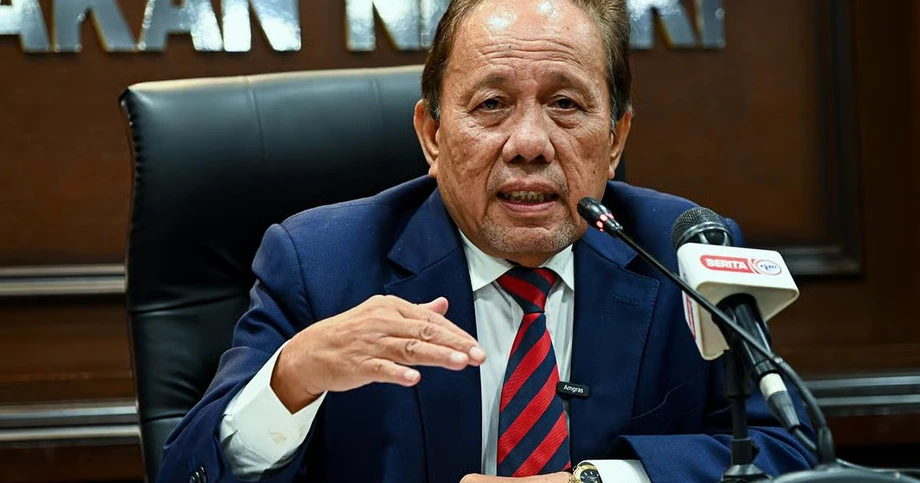
Ismail Lasim has resigned as chief minister of Malaysia's Negeri Sembilan state, submitting a letter dated November 16, 2026, to Tuanku Muhriz Tuanku Munawir after months of conflict over the ruler's position. Barisan Nasional secretary-general Zambry Abd Kadir announced the resignation and said coalition chairman Ahmad Zahid Hamidi had received a copy.
Contents
Ismail, 67, represents Juasseh in the state legislative assembly. His departure comes shortly before a proposed assembly sitting on November 26 and the planned presentation of the 2027 state Budget on November 27, making the leadership transition urgent for the state's administration and spending plans.
Zahid, who is also president of the United Malays National Organisation, will put forward a proposed successor for presentation to Tuanku Muhriz. Zambry said the process would follow the Negeri Sembilan State Constitution, taking account of support among assembly members and the ruler's consent.
The resignation follows Ismail's confirmation that he had withdrawn a challenge to Tuanku Muhriz's position as Yang Dipertuan Besar, the title of Negeri Sembilan's ruler. In September, Ismail had endorsed an executive council statement supporting the ruler's purported removal. Tuanku Muhriz subsequently revoked the appointments of all 10 executive councillors.
BN Promises Cooperation on a Successor
Zambry said Barisan Nasional, commonly known as BN, respected Ismail's decision and thanked him for his service. He presented the resignation as an opportunity to restore political stability and allow the state administration to function smoothly.
The BN secretary-general set out the coalition's response in a statement:
BN respects the decision and extends its gratitude for Datuk Ismail Lasim's service and contributions throughout his tenure as the Menteri Besar of Negeri Sembilan.
Zambry also said BN would give its full cooperation to an orderly transition. His announcement put two requirements at the centre of choosing a replacement: the majority position in the assembly and Tuanku Muhriz's consent.
No successor or appointment date was announced. The immediate task for Zahid is to propose a candidate who can secure the support needed to lead the government while completing the constitutional appointment process.
What the Assembly Numbers Mean
BN and Perikatan Nasional together hold 25 of the Negeri Sembilan assembly's 36 seats following the state's 16th election. BN won 18 seats and Perikatan Nasional secured seven, giving the two coalitions the numbers to form the government.
Those figures explain why cooperation between the coalitions matters. A simple majority in a chamber of 36 requires 19 seats. BN's 18 seats leave it one short of that threshold on its own, while the combined total of 25 exceeds the 24 seats that make up two thirds of the assembly.
A chief minister, known in Malay as a menteri besar, leads the state government. Zambry's statement describes a succession process involving both elected representatives and the ruler: assembly support determines the candidate's political strength, while the appointment proceeds under the state constitution with royal consent.
Ismail was sworn in as Negeri Sembilan's ninth chief minister on August 2 at Istana Besar Seri Menanti in Kuala Pilah. His resignation brings his tenure to an end only a little more than three months later, leaving the governing coalitions to agree on another leader.
The Withdrawal That Preceded His Departure
Ismail's resignation followed a move to reverse his position in the royal dispute. On Saturday, November 14, he confirmed withdrawing a letter sent to Syed Danial Syed Ahmad, the Keeper of the Rulers' Seal, concerning Tuanku Muhriz's purported removal.
The withdrawal followed a reported meeting with Syed Danial during the preceding week. A letter dated November 10 described an agreement involving Ismail and the 10 former executive councillors to withdraw their earlier objections to Tuanku Muhriz's position.
The move had already brought the dispute closer to the practical question of restarting legislative business. Ismail was expected to seek an audience with Tuanku Muhriz to express loyalty and request consent for the assembly to meet, following his move to withdraw the challenge.
The withdrawal letter referred to the September 17 communication in which Ismail had endorsed the executive council's position. It also cited the statement issued after the Conference of Rulers met on October 14, a June 5 Seremban High Court order preserving the existing position, and the Negeri Sembilan Constitution of 1959.
How the Royal Dispute Reached This Point
Negeri Sembilan's crisis began in April, when four men claiming authority as undangs, or traditional chieftains, announced that Tuanku Muhriz had been removed. Their status and the authority behind their actions were disputed.
In June, the same disputed chieftains purported to proclaim Tunku Nadzaruddin Tuanku Ja'afar as the new ruler at a hotel in Melaka. The dispute later drew in the state executive council and Ismail, bringing the conflict directly into the elected administration.
The main developments unfolded over several months:
- April: Four disputed chieftains announced Tuanku Muhriz's purported removal.
- June 5: A Seremban High Court order preserved the existing position, according to the later withdrawal letter.
- June: The disputed chieftains proclaimed Tunku Nadzaruddin as a replacement ruler at a hotel in Melaka.
- September 15 to 17: The executive council adopted and announced its position supporting the purported change, followed by Ismail's endorsement. Tuanku Muhriz subsequently revoked all 10 executive council appointments.
- October 14: The Conference of Rulers held its 273rd meeting, after which the Keeper of the Rulers' Seal issued a statement cited in the withdrawal letter.
- November 10 to 14: A letter withdrawing the challenge emerged, and Ismail confirmed the withdrawal on November 14.
- November 16: Zambry announced Ismail's resignation.
The sequence left the government seeking consent for an assembly meeting from the same ruler whose removal its leadership had supported. Withdrawing that position was therefore closely connected to efforts to resume the state's legislative work.
Why the Budget Dates Matter
November 26 and 27 are the next dates to watch. The government had proposed beginning an assembly sitting lasting five days on November 26 and presenting the 2027 Budget the following day. An earlier sitting had been planned for October 16.
A state budget sets out spending plans and seeks lawmakers' approval to use public money. The proposed sitting would give assembly members an opportunity to examine those plans and make the decisions needed to fund the administration.
Royal consent was part of the government's effort to convene the assembly. The change of chief minister now adds a leadership appointment to the work required before those proposed dates.
For residents, the practical issue is whether the state can move from a prolonged political dispute to decisions about public spending. The budget process connects the leadership crisis to the money needed for government operations and services.
A New Leader Must Rebuild Working Relations
Zahid's role in proposing a successor gives BN a central part in the transition, while the assembly arithmetic keeps Perikatan Nasional important to the governing arrangement. The two coalitions together have a substantial majority, but BN alone holds exactly half the chamber.
The incoming chief minister will also take office after the removal of the entire executive council. That council is the group of senior state officeholders who help the chief minister run the administration. Rebuilding a functioning leadership team will be part of restoring normal government business.
Zambry's statement focused on continuity, constitutional procedure and political stability. Ismail's resignation changes the person leading the government, while the proposed assembly sitting and budget presentation give the transition an immediate administrative purpose.
The next concrete developments are the submission of a proposed successor, the ruler's decision on the appointment and arrangements for legislative business. Those steps will determine how quickly Negeri Sembilan can return its attention to governing and approving its spending plans.
Key Points
- Ismail Lasim resigned through a letter dated November 16, 2026, addressed to Tuanku Muhriz.
- BN chairman Ahmad Zahid Hamidi will propose a successor under the Negeri Sembilan State Constitution.
- BN holds 18 assembly seats and Perikatan Nasional holds seven, giving them 25 of the chamber's 36 seats.
- The resignation follows Ismail's withdrawal of a challenge to Tuanku Muhriz's position after months of royal and political conflict.
- The government had proposed an assembly sitting from November 26 and presentation of the 2027 Budget on November 27.