Party agreement leaves Ismail Lasim's position unsettled
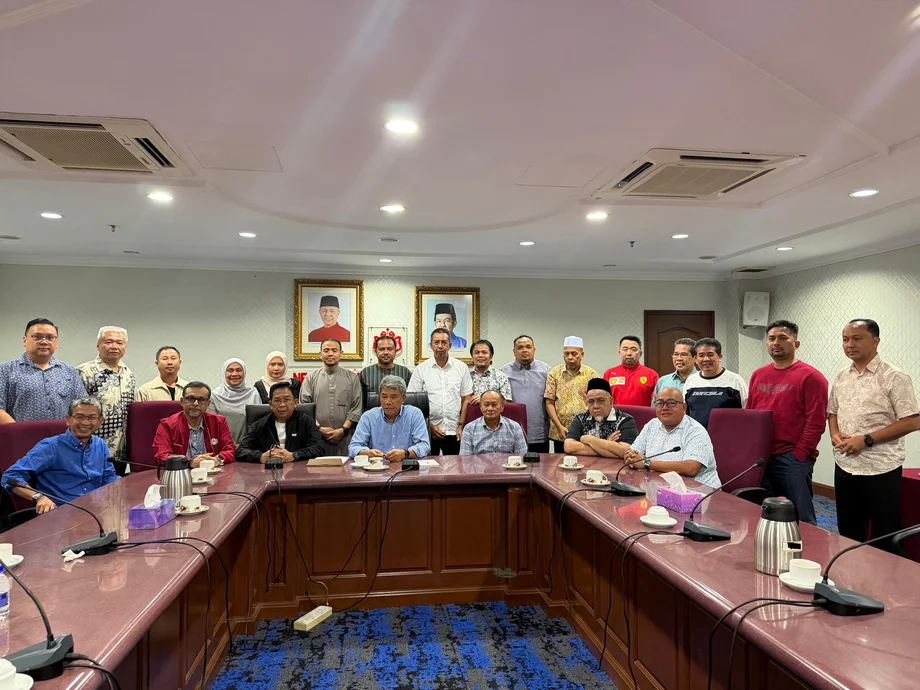
SEREMBAN, Nov. 20, 2026: Twenty-four of Negeri Sembilan's 25 Barisan Nasional and Perikatan Nasional assemblymen agreed to follow instructions from their party leadership as a dispute over Menteri Besar Ismail Lasim's position continued. Ismail, the Juasseh assemblyman, did not attend the meeting at Wisma UMNO Negeri Sembilan.
Contents
The meeting, chaired by state BN chairman and BN deputy chairman Mohamad Hasan, began at 9 p.m. and lasted more than two hours. Twenty-two assemblymen were present. The two who were abroad, Mohd Fairuz Mohd Isa of Serting and Razali Abu Samah of Sikamat, sent their support for any decision reached, Mohamad said.
The agreement was a pledge to follow leadership directions and party decisions, including among PN representatives. It did not itself settle whether Ismail remains in office. The Negeri Sembilan Palace said he must show that he still commands majority support in the State Legislative Assembly, while the dispute over whether he resigned also turns on the ruler's consent.
Mohamad said the assemblymen had agreed to comply with directives so the state's political crisis could be resolved promptly and stability maintained. Earlier in the day, he said issues in state administration must be handled under the constitution and the rule of law. He put it this way:
Everything must be done properly. There are no shortcuts.
Why was Ismail absent from the meeting?
Ismail spoke to reporters earlier on Nov. 20, saying Tuanku Muhriz Tuanku Munawir, the Yang di-Pertuan Besar of Negeri Sembilan, had instructed him to continue his duties to keep the state administration running. He also said he had neither submitted a resignation letter to the ruler nor agreed to its submission, and that the letter was being held by his party leadership.
His account differed from the announcement made by BN secretary general Zambry Abd Kadir on Nov. 16. Zambry said Ismail had resigned and that BN chairman and UMNO president Ahmad Zahid Hamidi had received a copy of a letter dated that day, said to be addressed to the ruler. Zahid later said Ismail had resigned voluntarily and had not been ordered to do so.
The Palace then clarified that it had not asked Ismail to stay on as Menteri Besar. It said he must demonstrate continuing majority support among assembly members to determine his position, in line with constitutional conventions and provisions. Palace Comptroller Datuk Azizi Mohamad Ali said the matter needed to be resolved after Ismail's audience with Tuanku Muhriz at Istana Hinggap on Nov. 20.
What does the constitutional dispute involve?
The dispute has two connected parts: whether a resignation was made and accepted, and whether Ismail has enough support in the assembly to continue leading the state government. The Palace said a Menteri Besar's resignation takes effect only with Tuanku Muhriz's consent under the state constitution. Ismail disputes that he submitted or authorised the letter, while BN leaders have said a resignation letter was received.
That leaves the question of support among elected representatives central to deciding who can lead. Negeri Sembilan's assembly has 36 seats. BN holds 18 and PN holds seven, giving the two parties a combined 25 seats. A simple majority in a 36 seat chamber is 19, so the two parties together have enough seats to form a majority if their members support the same leadership.
The Nov. 20 gathering was held at an UMNO office, not as a vote in the State Legislative Assembly. Its agreement to follow party directions is politically relevant, but the Palace's stated test concerns support in the assembly. The meeting statement did not name a replacement for Ismail or set out a date for a formal vote.
How did the disagreement unfold?
The dispute followed a series of announcements and clarifications over the course of several days. The main events were:
Nov. 16: Zambry announced that Ismail had resigned and said Zahid had received a copy of a resignation letter dated that day.
Nov. 17: The Palace said a Menteri Besar's resignation takes effect only with the ruler's consent under the state constitution.
Nov. 20: Ismail said he had not submitted or authorised submission of the letter and said the ruler had directed him to continue his duties. The Palace said it had not asked him to remain and that he needed to show continued majority support.
Nov. 20, evening: Twenty-four BN and PN assemblymen agreed to follow leadership instructions and party decisions. Ismail was not at the meeting; the two members abroad expressed support for any decision.
The November 16 resignation announcement came after an earlier dispute involving Tuanku Muhriz's position as ruler. Ismail had endorsed an executive council statement supporting the ruler's purported removal, after which Tuanku Muhriz revoked the appointments of all 10 executive councillors. Ismail later withdrew his challenge to the ruler's position.
Political criticism adds pressure for an explanation
On Nov. 20, DAP vice chairperson and Member of Parliament Syahredzan Johan questioned why a resignation letter had been submitted to Tuanku Muhriz if Ismail had not agreed to send it. Syahredzan called on UMNO to answer whether it had tried to mislead the ruler. His comments added a public political challenge to the disagreement over who authorised the letter.
The central issue for state government is now whether the political dispute can be resolved through a process accepted by the Palace and backed by enough assembly members. Mohamad's call for constitutional procedure reflects the need to distinguish party decisions from the formal steps that determine who holds the office.
The assembly is expected to sit on Nov. 26, followed by the planned presentation of the state's 2027 budget on Nov. 27. Those dates make the leadership question urgent for the administration, which must continue its work and prepare spending plans while Ismail's position remains contested. No successor or final resolution had been announced by the end of Nov. 20.
What happens next?
The next key test is whether Ismail can demonstrate majority support in the State Legislative Assembly, as the Palace has said is necessary to determine his position. The Nov. 20 agreement signals that 24 BN and PN representatives are prepared to follow party leadership, while the Palace's clarification keeps the constitutional process at the centre of the decision.
The assembly dates also create a practical deadline. A leadership decision before the planned Nov. 26 sitting and Nov. 27 budget presentation would give the state a clearer basis for conducting its business. The meeting at Wisma UMNO showed a shared willingness among the 24 assemblymen to accept leadership decisions, but it did not resolve the competing claims about Ismail's resignation or complete the assembly support test.
Key Points
Twenty-four of Negeri Sembilan's 25 BN and PN assemblymen agreed to follow party leadership directions.
Ismail Lasim did not attend the Nov. 20 meeting and says he neither submitted nor authorised submission of a resignation letter.
The Palace says a Menteri Besar's resignation requires the ruler's consent and that Ismail must show continued majority support in the assembly.
The 36 seat assembly has 18 BN members and seven PN members; a simple majority is 19.
The assembly is expected to sit on Nov. 26, with the 2027 state budget presentation planned for Nov. 27.