Legal challenge follows Najib's move home
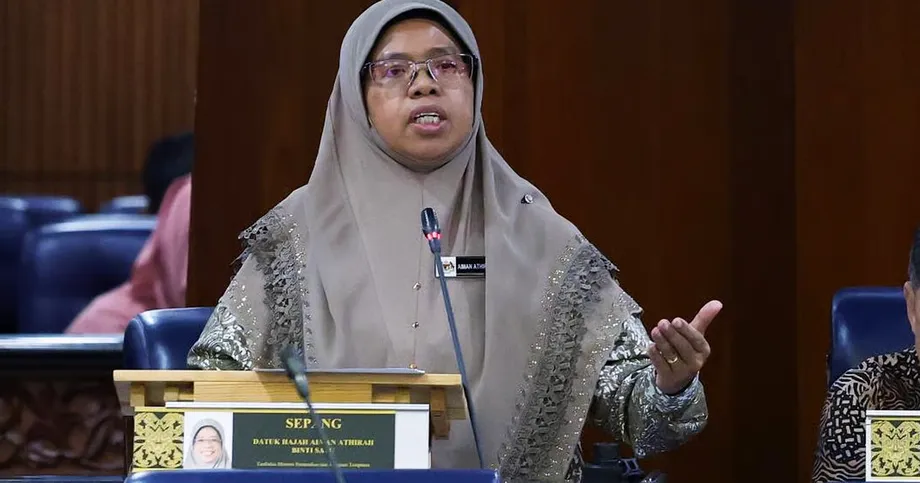
The Malaysian Bar is entitled to challenge the decision allowing former prime minister Najib Razak to serve the remainder of his SRC International prison sentence at home, law minister Azalina Othman Said said, as the government opposed the Bar's application in court.
Contents
- Legal challenge follows Najib's move home
- What Azalina said about the Bar's rights
- Who is involved in the court proceedings?
- How the sentence and place of detention changed
- Why implementation had already reached court
- Anwar defends the government's legal process
- Why Anwar brought the pardon application forward
- Umno urges the Bar to stop
- Key Points
The Bar filed its fresh application for judicial review on November 10, 2026, the same day Najib began house arrest at his residence in Jalan Langgak Duta, Taman Duta, Kuala Lumpur. The government lodged its objection on November 12. High Court Judge S. Indra Nehru has fixed March 17, 2027, to hear the application and objections from the government and Najib.
The proceedings bring together two constitutional issues: the king's power to grant mercy and the Bar's ability to ask a court to examine a decision involving that power. Azalina acknowledged the Bar's right to bring a challenge while stressing the authority granted to the Yang di-Pertuan Agong under Article 42 of the Federal Constitution.
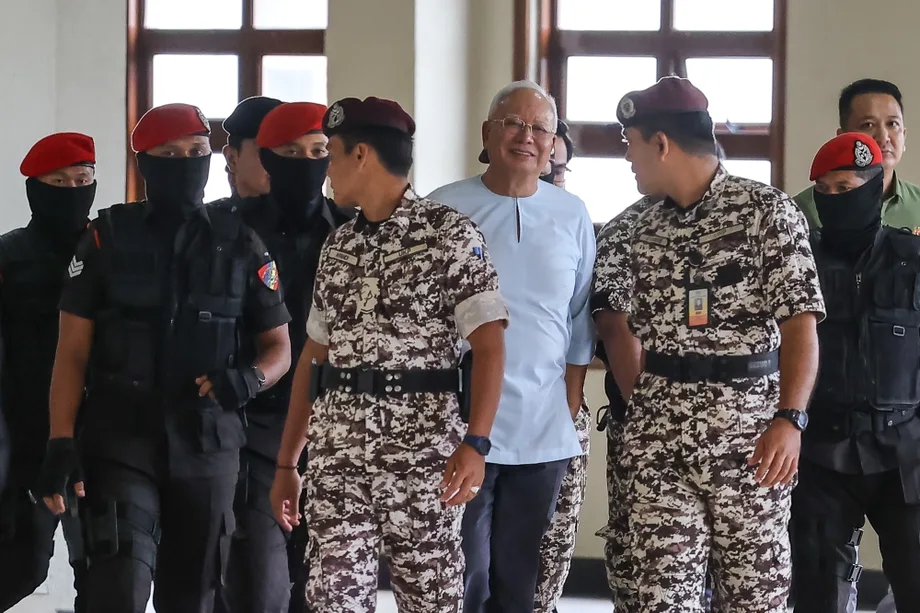
Najib, 73, had been held at Kajang Prison since August 23, 2022. A conditional pardon granted by Sultan Ibrahim in September 2026 allowed him to serve the remainder of his sentence under house arrest until August 23, 2028.
The immediate question before the High Court is whether the Bar should receive permission to proceed with judicial review. That preliminary stage, known as an application for leave, comes before a full examination of the challenge. Najib's move home has therefore been followed by a new legal contest over the decision permitting it.
What Azalina said about the Bar's rights
Azalina, the minister in the Prime Minister's Department responsible for law and institutional reform, addressed the issue in Bangi. She said the Bar could bring a challenge if it believed there were grounds to question the decision.
Azalina described the constitutional power of pardon as the prerogative of mercy and stressed the king's discretion under Article 42. She also acknowledged the Bar's freedom to raise an issue in court:
If the Malaysian Bar feels it has the right to question any issue, that is its right,
Judicial review is a process through which a court examines the lawfulness of a public decision or action. Here, the Bar is seeking access to that process, while the government is asking the court to reject its application at the permission stage.
Who is involved in the court proceedings?
The Bar named four respondents: the Federal Territories Pardons Board, the minister responsible for law and institutional reform, the head of the prisons department and Najib. Naming them brings the institutions responsible for the decision and its implementation, together with its beneficiary, into the proceedings.
Senior federal counsel Ahmad Hanir Hambaly@Arwi told Judge Indra Nehru that the Attorney General's Chambers had received the application by email two days earlier and needed time to prepare written submissions.
Najib's lawyer, Muhammad Farhan Muhammad Shafee, said his client also intended to submit written arguments because a decision made after permission was granted could affect him. Zainur Zakaria, representing the Bar, did not oppose the requests for time.
The court directed the parties to file their written submissions by December 14, 2026, with replies due by December 28. Those documents will set out their arguments ahead of the March hearing. The precise legal grounds in the Bar's fresh application have not been detailed publicly in these accounts of the proceedings.
How the sentence and place of detention changed
Najib's current position follows several decisions affecting the length of his sentence, the size of his fine and the place where he serves his remaining time. The changes began while he was still in Kajang Prison.
In January 2024, the then king, Al-Sultan Abdullah Sultan Ahmad Shah, halved Najib's prison sentence from 12 years to six years and reduced his fine from RM210 million to RM50 million. The reduction in the fine was RM160 million, or about 76 percent of the original amount.
- August 23, 2022: Najib began his imprisonment at Kajang Prison.
- 2023: Anwar Ibrahim says he brought Najib's pardon application to the Pardons Board for consideration.
- January 2024: A royal pardon reduced the prison term to six years and the fine to RM50 million.
- September 2026: Sultan Ibrahim granted a further conditional pardon allowing house arrest until August 23, 2028.
- November 10, 2026: Najib began house arrest and the Bar filed its fresh challenge.
- March 17, 2027: The High Court is scheduled to hear the application and objections.
Umno paid the RM50 million fine using money raised through public crowdfunding. Najib then arrived at his Jalan Langgak Duta home on the night of November 10, following a Kuala Lumpur High Court order that he serve the remaining SRC International sentence there with immediate effect.
Why implementation had already reached court
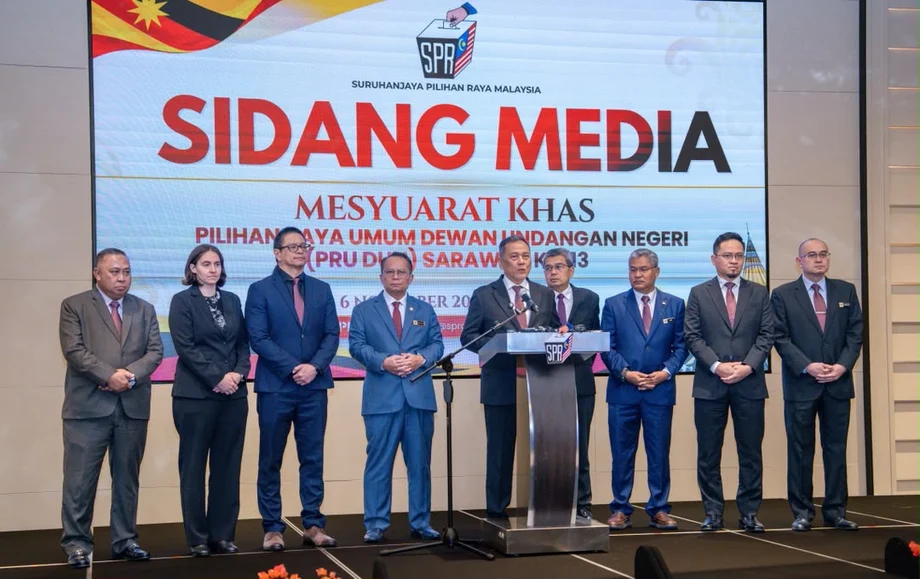
The move followed an earlier delay over the legal meaning of the conditional pardon. On November 6, the Attorney General's Chambers sought to postpone the transfer while questions about the sentence were clarified, despite payment of the fine and a court order directing detention at home.
The earlier transfer delay centred on whether paying RM50 million settled the fine while leaving the SRC International prison sentence running, or brought that sentence to an end. The answer also affected when a separate prison sentence of 15 years in the 1Malaysia Development Berhad case would begin.
That dispute concerned how the pardon and court directions would operate in practice. The Bar's fresh application now places the decision permitting house arrest before the court through judicial review. For Najib, the immediate practical change is that his home has replaced Kajang Prison as his place of detention for the remaining SRC International term.
Anwar defends the government's legal process
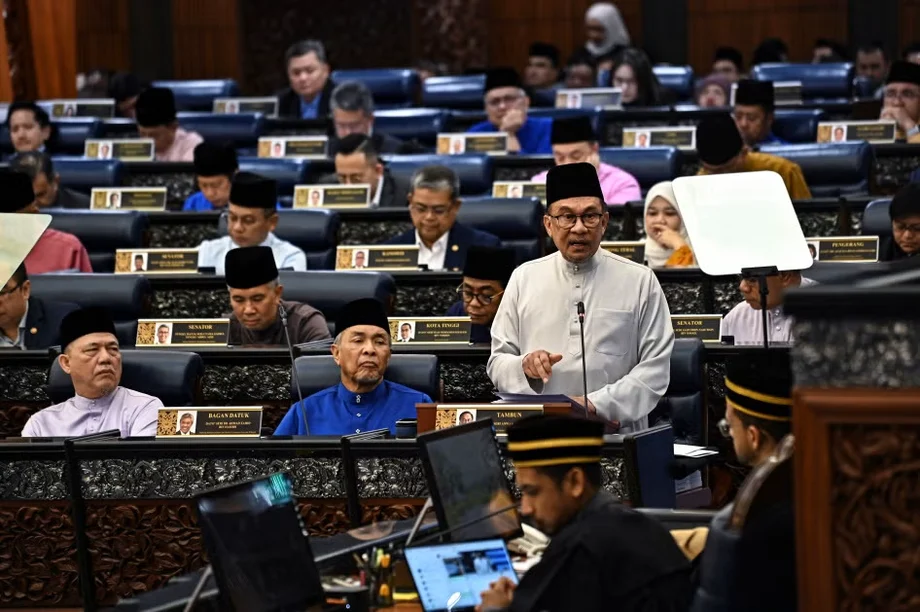
Prime Minister Anwar Ibrahim rejected accusations that the government's handling of the transfer amounted to defiance of Sultan Ibrahim. Speaking in Ayer Molek, Melaka, on November 12, he said the king had telephoned him that evening and their relationship remained good.
Anwar said he could not decide the house arrest issue unilaterally. He described the attorney general's role as ensuring that government decisions and actions complied with the law, including seeking a court ruling on implementation.
Explaining why the matter went before a judge, Anwar said:
We followed the process and had to bring the matter to court to determine when it could be implemented. That's all,
Anwar also said Sultan Ibrahim wanted Najib placed under house arrest after about four years in prison. His explanation placed responsibility for royal mercy with the king and responsibility for carrying out the decision according to law with the government and its legal officers.
The government's court objection to the Bar's application adds another stage to that process. The High Court will now hear arguments from the Bar, the government and Najib before deciding whether the judicial review can proceed.
Why Anwar brought the pardon application forward
Anwar separately explained at an event in Alor Gajah on November 12 that he had brought Najib's pardon application to the Pardons Board in 2023 to protect a prisoner's constitutional right to seek consideration.
The prime minister said he did not want to deny anyone access to that process. He said hundreds of other prisoners had also been allowed to submit pardon applications, with supporting documents including medical letters, prison department letters and evidence of good conduct.
Anwar acknowledged a political concern about house arrest for Najib. He said he had warned that the public might not be ready to accept such a decision while the government was pursuing its campaign against corruption.
He nevertheless said the decision was made with the king's consent after consideration of the relevant factors and that the government would comply. His remarks addressed both access to the pardon process and public confidence in the government's efforts against corruption.
Umno urges the Bar to stop
Umno vice president Wan Rosdy Wan Ismail took a different position from Azalina, urging the Bar not to pursue its challenge. He said Najib had gone through the required process, including consideration by the Federal Territories Pardons Board chaired by the king.
Wan Rosdy argued that the house arrest decision should be respected. Setting out his objection to further litigation, he said:
I urge the Malaysian Bar not to pursue action that could lead to polemics and undermine the royal institution.
Wan Rosdy also called for authorities to investigate former Damansara MP Tony Pua of DAP over a social media post. He accused Pua of ridiculing the Pardons Board's decision and questioning the king's authority.
Azalina's position leaves the Bar to exercise its legal rights, while Wan Rosdy has asked it to refrain from doing so. The next scheduled steps are the December exchanges of written arguments, followed by the High Court hearing on March 17, 2027.
Key Points
- The Malaysian Bar filed a fresh judicial review application on November 10, 2026, when Najib began house arrest.
- Azalina said the Bar was entitled to challenge the decision if it believed it had grounds.
- The government opposes the application, and Najib intends to submit arguments.
- Written submissions are due December 14, with replies by December 28 and a hearing on March 17, 2027.
- Najib's conditional pardon permits house arrest until August 23, 2028.
- Anwar defended the legal process, while Umno vice president Wan Rosdy urged the Bar to abandon its challenge.