October sitting delayed as 10 executive posts remain vacant
Negeri Sembilan's 11 Pakatan Harapan assembly members have demanded an immediate state assembly sitting after a session scheduled for October 16 to 22, 2026, was postponed until late November. They said they received no formal notice, while the original dates remained on the government's e-Dewan portal on the morning proceedings were supposed to begin.
Contents
- October sitting delayed as 10 executive posts remain vacant
- Representatives say the official timetable stayed unchanged
- Why a budget sitting does not meet PH's demand
- The executive council dispute behind the delay
- Who will answer questions in the assembly?
- Ismail says the 2027 budget can proceed
- How the dispute reached this point
- Key Points
The delay comes as Menteri Besar Ismail Lasim governs without the state's 10 executive councillors, whose appointments were revoked on September 20. Opposition leader J. Arul Kumar questioned whether those vacancies were behind the postponement and said elected representatives were losing an opportunity to question the administration.
Ismail said the sitting would move to the end of November to accommodate the official opening and the tabling of the state budget. PH representatives expect the budget sitting on November 26, although Ismail's stated timetable was the broader period of late November.
The dispute brings together two immediate concerns: how representatives are told about changes to assembly business, and how the government will answer questions and prepare its 2027 budget without an executive council. Arul wants the ordinary assembly session restored separately from the budget proceedings.
Representatives say the official timetable stayed unchanged
Arul, the Nilai assemblyman and Negeri Sembilan DAP chairman, said PH members learned about the postponement through Ismail's press conference the previous week. They had received neither written notification nor an updated schedule through e-Dewan, the official portal used for assembly business.
Assembly members had already been asked to submit oral and written questions and prepare to debate issues affecting their constituents. Those preparations meant the October dates were more than a provisional entry on a calendar: representatives had begun organising the business they expected to bring before the government.
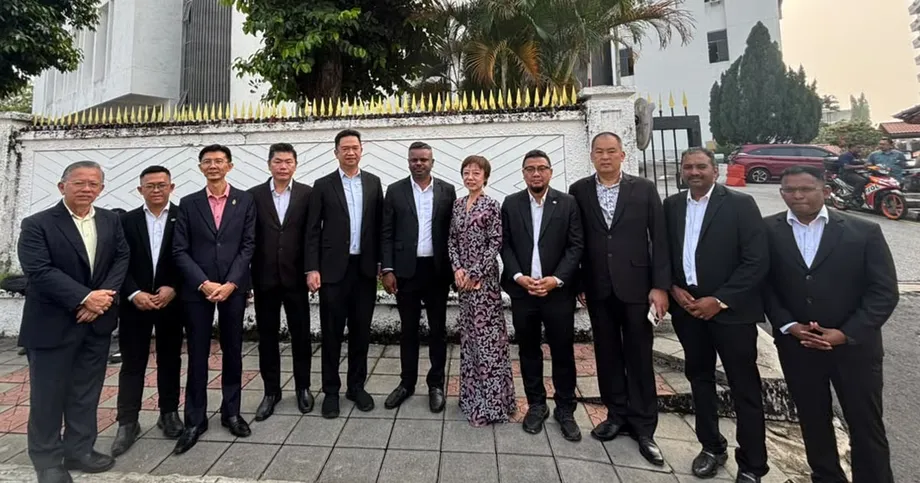
Speaking at Wisma Negeri in Seremban on October 16, Arul called for the sitting to proceed without waiting for the budget session.
"We hope the state assembly sitting will be convened soon. There is no need to wait until the Budget sitting, as today's sitting is an ordinary session that should be held," he said.
Why a budget sitting does not meet PH's demand
The October session was expected to begin with the Yang Dipertuan Besar opening proceedings and assembly members taking their oaths. Arul said the budget was intended for a separate sitting, giving representatives two opportunities to debate state affairs rather than one.
An ordinary sitting gives members time to raise questions and discuss government policy. A budget sitting centres on the government's financial plans, including how much it intends to spend and where that money will go. Both allow scrutiny, but Arul's concern is that combining them leaves less time for other public issues.
Arul said the time limits attached to budget debates made the loss of the October session especially consequential.
"We are losing one state assembly sitting. Having two sittings would be better than one, as the Budget debate also has a time limit," he said.
For residents, the immediate consequence is a delay in having their representatives seek answers in the assembly. Members had prepared questions, but the postponed proceedings remove the scheduled October opportunity for the government to respond publicly.
The executive council dispute behind the delay
Negeri Sembilan has been without its 10 executive councillors since September 20. They were removed from office for breaching their oath after endorsing a declaration seeking the removal of Tuanku Muhriz Tuanku Munawir as Yang Dipertuan Besar.
The councillors issued their statement five days before their dismissal. Their removal left all 10 executive council positions vacant, creating the administrative dispute that now surrounds the assembly timetable and budget preparations.
An executive council, commonly called the exco, is the group of state political officeholders responsible for particular areas of government. Its members normally oversee their portfolios and answer questions about them. Arul said the absence of those officeholders left Ismail carrying the state's political responsibilities across multiple areas.
Arul questioned whether the vacancies explained the postponement. Ismail's stated reason was to bring the official opening and budget tabling together in late November; he did not give the absence of an exco as the reason.
Who will answer questions in the assembly?
Arul described the administration as a "one-man show" and said there was still no functioning exco 76 days after the state election. He questioned whether one chief minister could provide detailed answers across all the vacant portfolios.
The opposition leader framed the problem around the number of representatives who could seek answers from Ismail in the chamber.
Without 10 excos, can the menteri besar alone answer questions from 35 assemblypersons from morning until evening?
Arul argued that answers would lack sufficient quality without councillors responsible for specific portfolios. He also said the Barisan Nasional and Perikatan Nasional administration had 25 assembly members and could appoint a new executive council.
The government's 25 members and PH's 11 make up a 36 member assembly. That gives the governing bloc roughly 69% of the seats, compared with about 31% for PH. Arul's argument is that the administration has a substantial pool of elected members from which to form an exco.
Ismail gave a different account of how work was being handled, saying the relevant department heads were managing the vacant portfolios. Department heads carry out administrative work, while executive councillors provide political leadership and answer for their areas in the assembly. The disagreement concerns who is carrying those responsibilities while the posts remain empty.
Ismail says the 2027 budget can proceed
Ismail rejected concerns that the absence of executive councillors would jeopardise the 2027 state budget. He said departments could prepare the financial plans and the government could take them directly to the assembly.
The menteri besar said exco approval was the usual practice, but described it as optional rather than a mandatory step.
"We usually bring the budget to the exco for approval, but it is not mandatory. We can bring the budget prepared by the departments directly to the state assembly," he said.
Arul had raised concerns on October 3 that the budget could be left in limbo without exco approval. Ismail's response addressed that specific concern by saying the financial plan could reach the assembly despite the vacancies.
Ismail also said the government would consult all 25 assembly members in its governing bloc during October and take public views into account in preparing the budget. He said he maintained a good relationship with the state secretary and that officials were continuing their responsibilities professionally.
How the dispute reached this point
The assembly postponement followed several developments involving the ruler, the executive council and preparations for the next budget. The main dates are:
- September 15: The 10 executive councillors issued a statement endorsing a declaration seeking the ruler's removal.
- September 20: All 10 councillors were removed from office for breaching their oath.
- October 3: Arul raised concerns that the absence of an exco could disrupt preparations for the 2027 budget.
- October 16: The assembly was scheduled to begin a session running until October 22. PH members said those dates were still on e-Dewan that morning despite the postponement.
- November 26: PH representatives expect the budget sitting. Ismail said proceedings would take place in late November.
No replacement date for a separate ordinary sitting or timetable for appointing new executive councillors has been announced. PH's immediate request is for the assembly to meet before the budget session, preserving time for the questions and debates members had already prepared.
Ismail's position is that administration and budget preparation can continue through departments while the executive posts remain vacant. Arul's challenge is about political accountability: when representatives will be able to question the government, how much time they will have, and who will answer for each portfolio.
Key Points
- PH's 11 assembly members criticised the postponement of the October 16 to 22 sitting and said they received no formal notice.
- Arul said the original dates remained on the official e-Dewan portal on October 16.
- PH wants an ordinary sitting held separately from the budget proceedings expected on November 26.
- All 10 executive council posts have been vacant since September 20.
- Ismail said department heads were managing the portfolios and the 2027 budget could go directly to the assembly without exco approval.
- The governing bloc has 25 of the assembly's 36 members.