
A campaign deadline meets an unresolved royal dispute
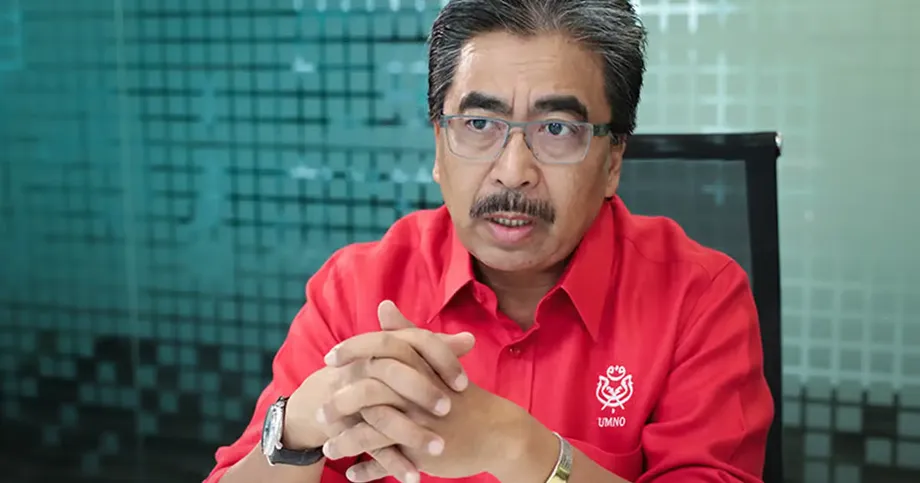
Umno vice president Johari Abdul Ghani has urged Barisan Nasional (BN) to explain the attempted removal of Negeri Sembilan ruler Tuanku Muhriz Tuanku Munawir before nominations for the Melaka election, as the coalition faces scrutiny over its own officials' role in the constitutional dispute.
Contents
- A campaign deadline meets an unresolved royal dispute
- Why a proclamation is not a completed removal
- The disputed status of the territorial chiefs
- What the chiefs allege against Tuanku Muhriz
- How the crisis moved from the palace to government
- Ismail's changing position and the dismissed council
- What the October court withdrawal does and does not settle
- An election majority without a functioning executive council
- What BN needs to explain before Melaka votes
- Key Points
The immediate political deadline is the Melaka election process, scheduled to begin on October 31, with polling on November 14. The legal and administrative stakes extend further: 10 Negeri Sembilan executive councillors have lost their appointments, a judicial review seeking recognition of the removal proclamation was withdrawn on October 7, and Umno is reportedly considering a motion against Menteri Besar Ismail Lasim.
Johari, who is also Federal Territories BN chairman and Titiwangsa MP, said the coalition needed to distinguish between the people who initiated the proclamation and the political party now being associated with it. Speaking at a press conference in Kuala Lumpur, he called for an explanation of both the proclamation and the procedures required to remove a ruler.
The public must be told that the people seeking to remove Tuanku Muhriz are not Umno. This must be explained properly.
That distinction addresses who initiated the attempt. It does not settle why an Umno menteri besar and an executive council containing seven Umno members later supported it. The Attorney-General's Chambers (AGC) has said that the April 19, 2026 proclamation was invalid and that the state government's endorsement had no legal effect.
BN therefore faces two separate tasks before campaigning in Melaka: explaining the constitutional process and accounting for the actions of its elected representatives. No election result can itself decide who lawfully holds the Negeri Sembilan throne.
Why a proclamation is not a completed removal
The central dispute concerns the Negeri Sembilan Constitution 1959, particularly Article 10, which sets out grounds and procedures for action to remove the Yang di-Pertuan Besar. The four territorial chiefs, collectively known as the Undang Yang Empat, have a recognised role in selecting the ruler and, under constitutional conditions, taking action against him.
The AGC's September 17 statement did not deny that authority. It said the authority had to be exercised according to the constitution, and that there was no evidence the prescribed procedures had been followed or that a disqualifying factor under Article 10(1) applied to Tuanku Muhriz.
Introducing its assessment of compliance, the AGC stated:
To date, there are no facts indicating that the prescribed procedures have been complied with.
The AGC also said the menteri besar and state executive council had no unilateral power to terminate the ruler's position or declare it vacant. Their announcement could not give legal force to an otherwise invalid proclamation, and attempts to gazette or implement it would be unconstitutional.
This is the procedural distinction behind Johari's appeal. Issuing a declaration, endorsing it politically and publishing it in a government gazette are separate actions. According to the AGC, none can substitute for compliance with the constitutional requirements governing removal.
The disputed status of the territorial chiefs
A second question concerns whether all those who signed the proclamation were entitled to act as undangs at the time. The Dewan Keadilan dan Undang (DKU), the state's highest customary council, said on August 1 that three of the four did not lawfully hold the positions they claimed when the April declaration was made.
The DKU said Mubarak Dohak, Abdul Rahim Yasin and Maarof Mat Rashad had either ceased to hold office or had never lawfully held their respective positions in Sungai Ujong, Rembau and Jelebu. The fourth signatory, Muhammed Abdullah, was identified as the Johol undang.
The AGC similarly said the composition of the Undang Yang Empat was incomplete at the relevant time because some signatories' positions were disputed. Its statement cited Article 16, which places Malay customary matters, including the appointment and removal of undangs, within the customary council's jurisdiction. Under Article 16(3), the AGC said, the council's advice on those matters is final and cannot be challenged in court.
The chiefs contest the decisions affecting their positions. Their standing is therefore part of the constitutional conflict, rather than a minor disagreement over titles. The authority they claim to exercise depends on whether they lawfully held office.
What the chiefs allege against Tuanku Muhriz
Four disputed territorial chiefs and Tunku Besar Tampin Tunku Syed Razman Syed Idrus Al-Qadri issued a 12 page statement setting out their alleged grounds for the April 19 removal. These remain allegations and disputed legal arguments, not established findings against Tuanku Muhriz.
They accused the ruler of interfering in Rembau affairs after Abdul Rahim Yasin's appointment as chieftain on July 4, 2025. They argued that allowing complaints from a rival faction to be considered breached Articles 3 and 4 of an 1898 agreement, which they said remained recognised under the state constitution.
Their statement also alleged that Tuanku Muhriz failed to consult them before attending a Conference of Rulers meeting and delayed the appointment of a state mufti. They maintained that a closed session on March 5, 2026 satisfied Article 10's requirement for an enquiry because the ruler was questioned directly and given an opportunity to respond.
The chiefs argued that the constitution did not require an external tribunal or public hearing. They also challenged the account of the April 17 DKU sitting that preceded Mubarak's removal, alleging that no decision supporting his dismissal had been reached.
On September 25, the group urged Prime Minister Anwar Ibrahim and the AGC to stay out of the dispute. Citing Articles 7, 10 and 11, they described their authority as a customary prerogative practised for more than 500 years. They maintained that Ismail and the executive council had merely given effect to their decision, rather than removed the ruler themselves. The AGC's position remains that customary authority must operate within constitutional procedures.
How the crisis moved from the palace to government
The dispute developed across customary proceedings, political withdrawals of support, an election and several court actions. The key sequence shows why the August vote did not end it:
- April 17: A DKU sitting affirmed Mubarak's removal as Sungai Ujong undang.
- April 19: Four purported undangs declared Tuanku Muhriz removed and named Tunku Nadzaruddin Tuanku Ja'afar as his replacement.
- April 27: Umno withdrew support for then menteri besar Aminuddin Harun. The attempted change of government did not immediately secure a majority, and cooperation was subsequently restored.
- June 5: The state assembly was dissolved. A rival ruler proclamation took place in Melaka, while the Seremban High Court issued a temporary injunction preserving the status quo.
- August 1 and 2: BN and its PN allies won the state election, and Ismail was sworn in as menteri besar before Tuanku Muhriz.
- September 17: Ismail endorsed the executive council's position and directed that gazetting proceed. The AGC rejected the proclamation's legal validity.
- September 20 and 24: Tuanku Muhriz revoked the 10 executive councillors' appointments, and the revocations were subsequently gazetted.
- October 7: The chiefs withdrew their Kuala Lumpur judicial review and were barred from filing the same case again.
Reports differ on several intermediate dates. Aminuddin's initial rejection is dated April 20 or 21, the renewed BN and Pakatan Harapan cooperation May 5 or 7, and permission to begin contempt proceedings July 8 or 9. The executive council meeting was dated September 15, while accounts place its public statement on September 15 or 16. Ismail's endorsement and the AGC response are consistently dated September 17.
Ismail's changing position and the dismissed council
Ismail's conduct is central to the political dispute. He reportedly signed the proclamation on August 3, the day after taking office. When the signed document became public in September, he said he had acted unwillingly and under coercion, maintained that the proclamation was invalid and lodged a police report.
He later endorsed the executive council's assertion that Tuanku Muhriz's April removal was valid and that Tunku Nadzaruddin was the new ruler. On September 18, the state secretary refused to gazette the proclamation, citing the AGC's position.
Tuanku Muhriz revoked the appointments of all 10 executive councillors on September 20, leaving Ismail in office. The palace said the councillors had violated their oaths of office and allegiance, taken before the ruler on August 7. Seven of the dismissed councillors were from Umno, with one each from MCA, PAS and Wawasan.
Ismail disputed the dismissals, arguing that the ruler could not terminate their appointments without his advice or request. Attorney General Dusuki Mokhtar responded on September 26 that the constitution provides for executive councillors other than the menteri besar to hold office at the ruler's pleasure.
The conflict also reached the civil service. Ismail announced that the executive council had decided to suspend the state secretary and state legal adviser, but the AGC said the council had no authority to do so. The 10 former councillors have filed a court challenge seeking a declaration that the revocation of their appointments was invalid.
What the October court withdrawal does and does not settle
On October 7, the four chiefs withdrew a judicial review filed in Kuala Lumpur on July 17. They had sought an order requiring the menteri besar to sign their April 19 declaration within seven days, and a declaration that the document was valid under the state constitution.
High Court judge Norliza Othman allowed the withdrawal without liberty to file the same case again and ordered RM40,000 in costs, divided into RM10,000 for each of four proposed interveners. Those parties included the DKU, its secretary and the recognised Sungai Ujong and Rembau undangs.
Steven Thiru, the lawyer representing the DKU and its secretary, said the applicants had not disclosed the existing Seremban proceedings, the June 5 injunction or the July order permitting contempt proceedings. He described the filing in a second court as forum shopping, meaning an attempt to seek a more favourable outcome in another court. That was his assessment, not a reported final ruling on the entire royal dispute.
The withdrawal closes that particular route to obtaining the menteri besar's signature and judicial recognition of the declaration. It does not establish that every related lawsuit has ended or that all contested constitutional questions have been decided.
Separately, police have opened an investigation into the former councillors' conduct. The DKU has also accused Tunku Nadzaruddin and the disputed chiefs of treason and called for investigation and charges. Those demands are accusations, not convictions or confirmation that charges have been brought.
An election majority without a functioning executive council
The August election gave BN 18 seats, Pakatan Harapan 11 and Perikatan Nasional seven in the 36 seat assembly. BN and PN together held 25 seats, one more than the 24 needed for a two thirds majority. BN alone held exactly half the assembly, short of the 19 seats needed for a simple majority.
Before dissolution, Pakatan Harapan held 17 seats, BN 14 and PN five. BN therefore gained four seats, while its alliance with PN changed the governing balance. That stronger electoral position did not supply authority to decide the ruler's status.
Lawyer GK Ganesan argued that an election could not determine title to the throne. Constitutional expert Ikmal Hisham Md Tah raised the associated problem of which claimant would appoint the next chief minister. In practice, Ismail took his oath before Tuanku Muhriz, whom the federal government continued to recognise.
The absence of an executive council has since become an administrative concern. On October 11, DAP secretary general Anthony Loke called for replacements to be appointed without delay, saying key decisions and administrative matters require approval at executive council meetings.
Umno Negeri Sembilan is reportedly considering a motion of no confidence in Ismail, potentially to be moved by state party chief and Pertang assemblyman Jalaluddin Alias, subject to central leadership approval. Speaker Awaludin Said said no formal notice had been received and that he would not allow an emergency motion to remove the menteri besar.
The assembly is scheduled to meet on November 26, postponed from October 16 to align with presentation of the 2027 state budget the following day. Neither a leadership change nor a replacement council has been confirmed in the reported developments.
What BN needs to explain before Melaka votes
Johari's request comes after months of competing political messages. Before the Negeri Sembilan election, Loke argued that the royal dispute should be resolved within the institution according to its customs and laws. Pakatan Harapan election director Amirudin Shari likewise called for the electoral process to remain separate from the monarchy dispute.
Universiti Malaya analyst Awang Azman Awang Pawi warned that parties could use the royal conflict to consolidate support or gain seats. The subsequent dismissals and changing positions have given that conflict a continuing political life beyond Negeri Sembilan.
On September 27, BN chairman Ahmad Zahid Hamidi instructed Ismail to seek an audience with Tuanku Muhriz and the four undangs to resolve the crisis amicably. That instruction shows the coalition leadership seeking a negotiated resolution, but no completed settlement has been reported.
For Melaka, Johari said Zahid would finalise BN's candidates with assistance from Chief Minister Ab Rauf Yusoh. Candidate selection and the constitutional explanation will therefore proceed under the same coalition leadership.
The unresolved issues are specific: the outcome of the former councillors' challenge, the status of the remaining Seremban proceedings, the police investigation, appointment of a new executive council and whether a formal motion against Ismail will be submitted. Johari's distinction between the chiefs and Umno is part of that explanation, but voters also need an account of why BN officials endorsed a proclamation the AGC rejected.
Key Points
- Johari wants BN to explain the Negeri Sembilan dispute before Melaka nominations, with the election process beginning October 31 and polling on November 14.
- The AGC says the April 19 proclamation failed Article 10 requirements and that the menteri besar and executive council lacked authority to give it legal effect.
- The chiefs dispute that assessment and claim their customary and constitutional powers were exercised properly.
- Tuanku Muhriz revoked 10 executive councillors' appointments. Ismail remains menteri besar, and the former councillors are challenging their dismissal.
- The chiefs withdrew their Kuala Lumpur judicial review on October 7, with RM40,000 in costs and no permission to refile the same case.
- A possible motion against Ismail remains unconfirmed. The assembly is scheduled to meet November 26, before the 2027 budget presentation.