Licence checks and building rules anchor the national plan
Malaysia is finalising national guidelines that would require accommodation offered for short stays to be registered and meet local authority licensing conditions before operating legally. Digital booking platforms would be expected to remove unlicensed properties, while apartments and other strata properties would remain subject to their own building management rules.
Contents
- Licence checks and building rules anchor the national plan
- How the approval process would work
- Apartment management bodies retain their powers
- Booking platforms would become part of enforcement
- What the proposed 180 night limit would involve
- Penang moves from existing rules to January revisions
- Lower fees come with safety and planning conditions
- Operators seek affordable compliance and continued dialogue
- Earlier industry proposals show the competing priorities
- Key Points
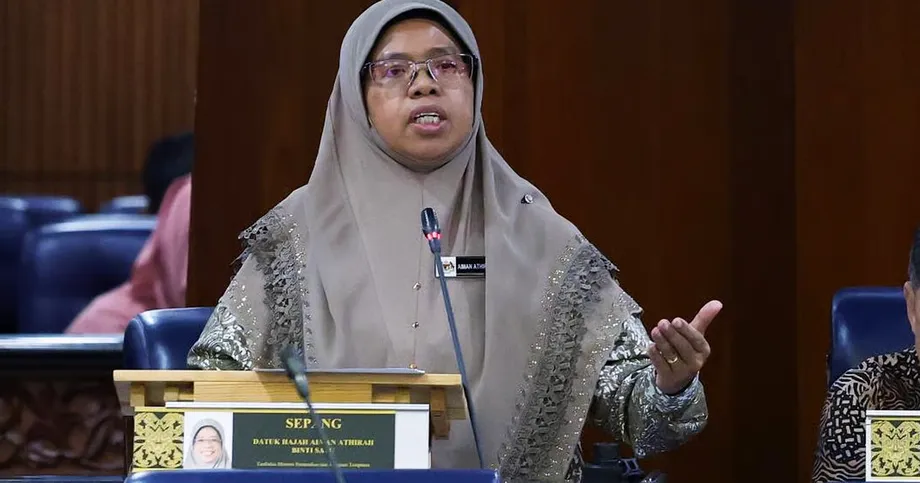
Deputy Housing and Local Government Minister Datuk Aiman Athirah Sabu outlined the framework in the Dewan Rakyat on October 26, 2026. The guidelines were undergoing final review with the Ministry of Tourism, Arts and Culture before Cabinet consideration, followed by agreement at the National Council for Local Government and adoption by state and local authorities.
The proposal arrives as Penang prepares changes to its own rules from January 1, 2027, including lower fees for smaller operations and an increase in the maximum permitted room count from five to 10. Together, the developments show how Malaysia is trying to accommodate tourism businesses while addressing complaints from people living beside rental properties.
Aiman Athirah was answering Syerleena Abdul Rashid, the Pakatan Harapan MP for Bukit Bendera, who raised concerns about noise, safety, misuse of shared facilities and unfamiliar visitors entering residential buildings.
Short stay rental accommodation, referred to by the government as STRA, means residential properties rented for brief visits, typically through online booking platforms. The national framework would address registration, safety, cleanliness, operational management and the responsibilities operators have towards surrounding communities.
How the approval process would work
The Housing and Local Government Ministry, through PLANMalaysia, is developing the guidelines with the tourism ministry, state governments and local authorities. Its aim is a common regulatory reference across the country, with licensing and enforcement still involving the authorities responsible for each location.
Aiman Athirah said input from the tourism ministry was awaited before the document could be resubmitted to Cabinet. The National Council for Local Government, chaired by the prime minister and attended by state chief ministers, would then consider it for collective agreement.
The deputy minister explained the sequence during her parliamentary response:
The document will be tabled at the National Council for Local Government for mutual agreement before being adopted by state and local authorities nationwide.
No national commencement date or final decision on the proposed annual limit of 180 rental nights was announced. Operators therefore face a framework still moving through approval, alongside local rules that already apply in places such as Penang.
The relationship between local licensing and tourism registration had also been addressed in an earlier parliamentary response by Deputy Tourism, Arts and Culture Minister Khairul Firdaus Akbar Khan. He said the two ministries had agreed that STRA premises could be registered as tourist accommodation only after obtaining a business operating licence from the relevant local authority.
Apartment management bodies retain their powers
Apartment owners would have to consider both public licensing requirements and the rules governing their building. Under the proposed framework, strata properties remain bound by the decisions and by-laws of their Joint Management Body or Management Corporation under the Strata Management Act 2013.
Strata ownership generally combines individual ownership of a unit with shared responsibility for spaces such as corridors, lifts and recreational facilities. Joint Management Bodies and Management Corporations manage those shared interests, making their role especially relevant when paying guests use residential buildings.
Aiman Athirah said the 2013 Act already provides mechanisms for these bodies to manage and enforce by-laws. A property owner seeking to operate legally would therefore need to address the building requirements as well as the local authority requirements.
Syerleena's concerns explain why both levels matter. Licensing deals with the premises as a business, while building rules govern how visitors and residents use the same entrances, facilities and common spaces.
Booking platforms would become part of enforcement
Digital platforms are central to the proposed compliance system because they connect operators with guests. The government is encouraging cooperation with platform companies to verify licence status automatically before a property is listed.
Aiman Athirah also said platforms must take responsibility for removing properties that lack licences or breach local authority conditions and existing laws. This would connect permission to operate with continued access to online bookings.
The deputy minister described the proposed check before publication:
To ensure full compliance, the government is also encouraging strategic cooperation with digital platform companies to implement an automatic licence status verification mechanism before premises are listed.
Local authorities and enforcement agencies also have powers under the Town and Country Planning Act 1976, the Street, Drainage and Building Act 1974 and relevant local by-laws. Aiman Athirah said these powers allow action against operators who continue to breach requirements and can be used to ensure illegal accommodation listings are blocked.
The framework therefore combines checks before listing, removal of listings after breaches and legal action against operators. Building management bodies would continue enforcing their own applicable rules alongside those measures.
What the proposed 180 night limit would involve
A proposed annual ceiling of 180 nights would restrict how long a property could operate as STRA during a year. Such a ceiling would directly affect the number of nights an owner could sell, making it one of the most consequential parts of the discussion for rental businesses.
Aiman Athirah said a regulatory impact assessment had been completed during preparation of the initial framework. This is a structured examination of how a proposed rule would affect businesses, consumers, government and communities.
The assessment covered compliance costs for owners and operators, potential rental income, effects on hotels and tourism, accommodation prices, consumer choice and government revenue. It also examined public safety and community welfare.
Aiman Athirah said the decision needed to balance income opportunities and tourism demand with public safety, public order and the wellbeing of residents. Registration and licence checks address whether an operation meets requirements; a night limit would also control the scale of its annual activity.
For property owners, the practical issues include the cost of meeting requirements and the income available within any operating limit. For neighbours, the issues raised in Parliament concern everyday use of residential space, including noise, visitor access and shared facilities.
Penang moves from existing rules to January revisions
Penang provides a concrete example of regulation already being applied and adjusted. Aiman Athirah cited its Guidelines for the Operation of Private Accommodation in Strata Property Schemes, effective from April 1, 2023, and local accommodation by-laws that came into force on August 1, 2026.
The state executive council approved amendments on October 19, and State Local Government and Town and Country Planning Committee chairman H'ng Mooi Lye announced the changes on October 23. The amendments were undergoing gazettement, with implementation scheduled for January 1, 2027.
The main milestones show how the state and national processes have developed:
- January to August 2023: PLANMalaysia held more than 10 stakeholder engagement sessions on the draft national framework.
- April 1, 2023: Penang's guidelines for private accommodation in strata schemes took effect.
- September 2023: PLANMalaysia completed its Unified Public Consultation on the draft national guidelines.
- August 1, 2026: Penang's local accommodation by-laws came into force, with operators initially given two months to register.
- October 19, 2026: Penang's executive council approved amendments to its rules.
- October 26, 2026: Aiman Athirah outlined the national guidelines' final review stage in Parliament.
- January 1, 2027: Penang's amended provisions are scheduled to take effect.
Penang Island City Council and Seberang Perai City Council are to refine their guidelines and operating procedures ahead of implementation. The amendments also clarify the definition of private accommodation by reference to its nature, actual use and operating arrangements, keeping hotel businesses within hotel licensing requirements.
Lower fees come with safety and planning conditions
Penang's announced revisions reduce the annual licence fee for a private lodging unit with up to three rooms from RM1,000 to RM500, a reduction of half. H'ng also described an additional RM200 annually for each extra room, with up to two additional rooms under that arrangement.
The announcements separately set out an annual schedule based on the number of rooms: RM400 for one room, RM600 for two, RM800 for three, RM1,000 for four and RM1,800 for five to 10. Operators will need the councils' detailed fee schedules to calculate how these charges apply to their premises.
The maximum room count doubles from five to 10, subject to local authority conditions. H'ng said operators would still have to meet safety requirements, including public liability insurance. That insurance provides protection against certain claims arising from injury or damage involving other people.
Agreement from neighbouring properties may also be required, depending on the relevant local authority's conditions. Operators of accommodation in landed residential areas under Penang Island City Council would receive three years to meet planning requirements for a change of use from residential to commercial.
H'ng said enforcement could include compounds of up to RM1,000, prosecution and seizure where permitted by law. A compound is a financial penalty offered to settle an offence without taking it through a full prosecution. The January changes are intended to bring operators into a regulated system while protecting surrounding communities.
Operators seek affordable compliance and continued dialogue
Lydia Tan, chairman of the Penang Malaysia Homestay/Short-Stay Operators Association, welcomed the fee revisions. She said earlier concerns centred on the combined financial burden of an annual charge of RM1,800 per unit and a licensing fee of RM1,000 or more.
Tan described the changes as the result of discussions with the state government:
The revision is a positive outcome of discussions with the state government. Regulations should encourage operators to enter the legal framework rather than make compliance commercially unviable.
She also proposed allowing one licence to cover several properties managed by the same registered operator. A further request was for an industry working committee bringing together operators, government representatives and relevant authorities for regular regulatory discussions.
Her proposals address the administrative side of compliance as well as fees. Operators managing several properties would face a different licensing workload from someone renting a single unit, while councils would still need to monitor the premises covered.
Earlier industry proposals show the competing priorities
Airbnb's contribution to the 2023 consultation proposed allowing STRA by default in all strata buildings, with residents able to decide conditions or permissions through a 75 per cent vote via their Joint Management Body or Management Corporation.
The company also proposed a national online registration portal to give authorities data on rental activity, plus an exclusion register for operators and guests who breach an industry Code of Conduct. Those were company recommendations; Aiman Athirah's latest description keeps strata premises subject to their respective management decisions and by-laws.
Airbnb's regional public policy head, Mich Goh, cited an Oxford Economics estimate that Airbnb contributed more than RM5 billion to Malaysian gross domestic product and supported almost 57,000 jobs in 2022. The figures formed part of the company's argument about the economic role of the sector.
The tourism ministry has also been reviewing the Tourism Industry Act 1992. In a July 2025 parliamentary response, Khairul Firdaus said 54 consultation sessions involving nearly 1,000 participants had informed proposals covering licensing, insurance, stronger enforcement, digital platform registration and a tourism tribunal.
At that time, he gave late 2025 or early 2026 as the expected window for tabling the review in the Dewan Rakyat. The current STRA discussion centres on the planning guidelines and their approval process, while the earlier tourism proposals show the wider effort to address digital booking businesses and consumer protection.
Key Points
- Malaysia's national STRA guidelines are in final review before Cabinet consideration and subsequent state and local adoption.
- The proposed framework requires registration and compliance with local authority licensing conditions.
- Strata properties remain subject to their building management decisions and by-laws.
- Platforms are being encouraged to verify licences automatically and remove unlicensed or noncompliant listings.
- A proposed annual limit of 180 nights has undergone a regulatory impact assessment, with a final decision still pending.
- Penang's amended rules are scheduled for January 1, 2027, including lower fees and a maximum of 10 rooms, subject to conditions.