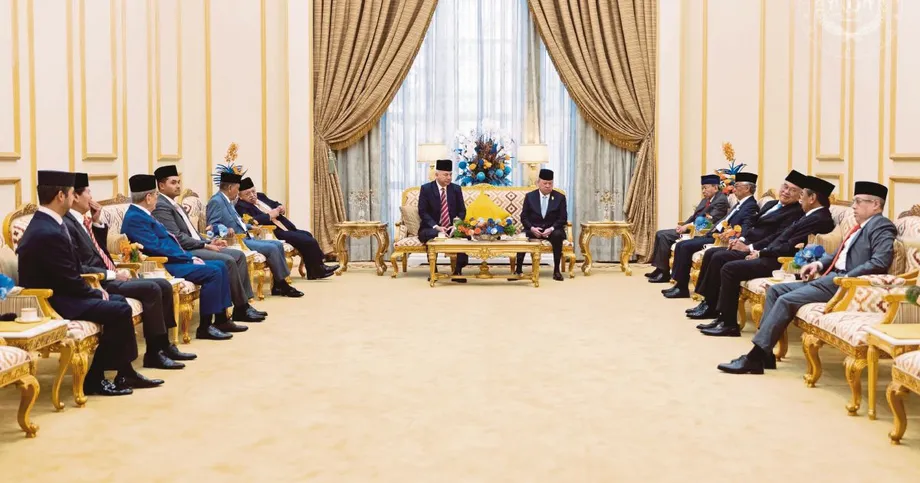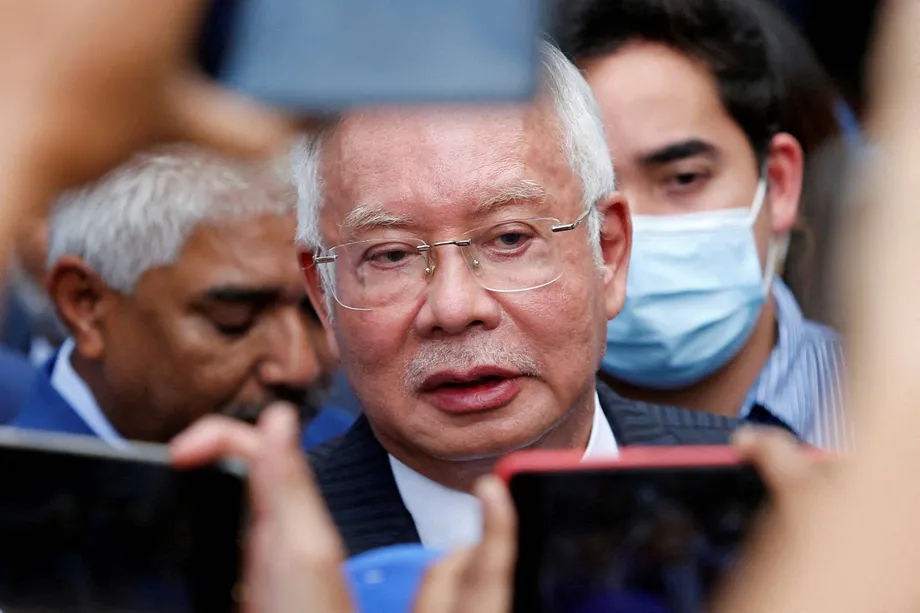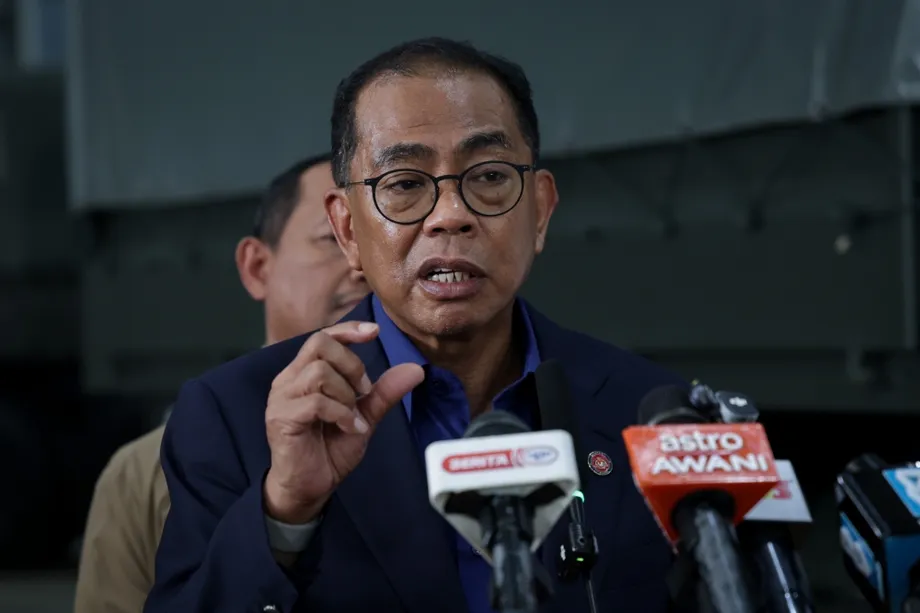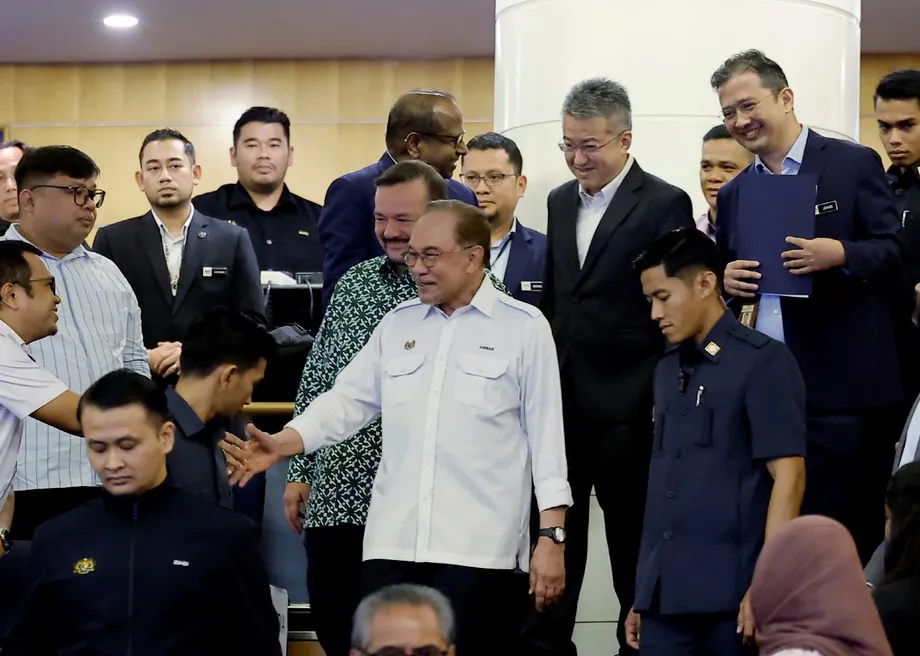
A coalition loses its registration before a crucial vote
Malaysia's Registrar of Societies cancelled Perikatan Nasional's registration on October 20, 2026, following a complaint from Bersatu that it had been excluded from a coalition leadership meeting. The decision came two days before a scheduled High Court hearing and 11 days before nominations for the Melaka state election.
Contents
- A coalition loses its registration before a crucial vote
- What prompted the registrar's decision?
- How the dispute reached this point
- Why PN is challenging the timing
- What changes for candidates and elected representatives?
- Why PAS has become the central player
- A struggle over credit, money and authority
- Smaller parties face a test of their own support
- Melaka will test possible new alliances
- PKR rejects claims it engineered the cancellation
- Key Points
The registrar said PN's October 12 response to a notice issued on September 22 failed to refute the grounds for cancellation or give sufficient justification for keeping the coalition registered. It acted under Subparagraph 13(1)(c)(iv) of the Societies Act 1966.
PN secretary-general Takiyuddin Hassan said the coalition would challenge the decision and seek a stay, a court order temporarily stopping its implementation. Meanwhile, its political partners face immediate decisions about candidates, seat allocations and the election symbol voters will see on their ballot papers.
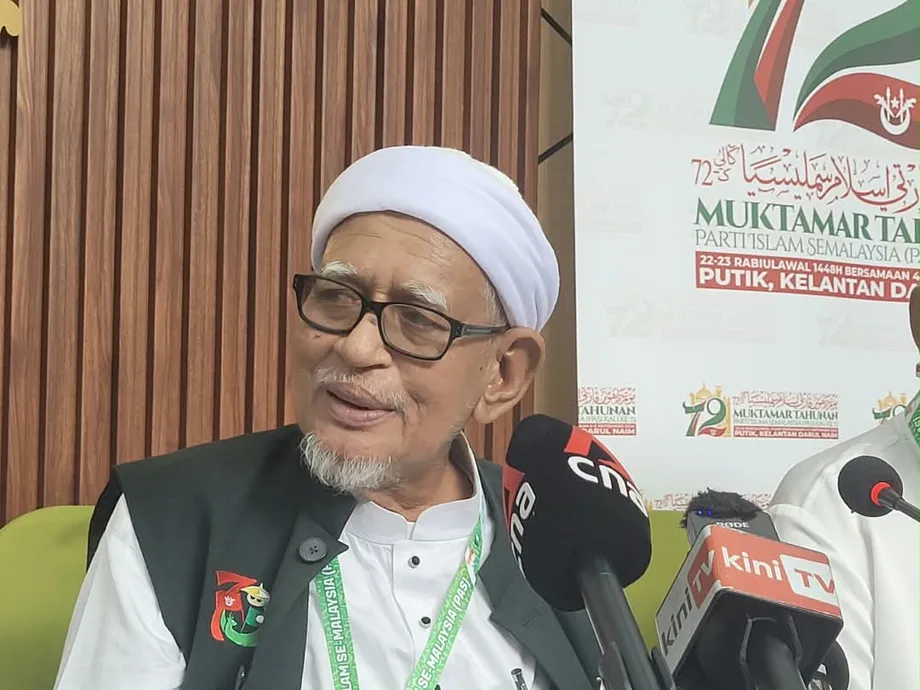
PAS president Abdul Hadi Awang said his party would contest Melaka alongside aligned PN parties and prepare a joint court challenge. Bersatu, whose complaint began the regulatory process, blamed the coalition's leadership under PAS for the outcome.
The dispute reaches beyond paperwork. PN provided a shared identity for parties with different strengths and voter bases. Its loss leaves them negotiating how to work together just as an election approaches, while PAS weighs whether its own organisation and symbol can hold an opposition campaign together.
What prompted the registrar's decision?
Bersatu lodged its official complaint on August 11, alleging that it had been denied the right to attend, speak and vote at PN's Supreme Council meeting on July 16. The complaint also raised questions about Bersatu's membership status within the coalition.
Bersatu secretary-general Mohamed Azmin Ali said the exclusion violated Clause 7.1 of PN's constitution. He also alleged that the party had faced threats and pressure to remove it as a legitimate component party.
The registrar subsequently issued a notice under Subsection 13(2) of the Societies Act, giving PN an opportunity to provide explanations and representations. After considering the response and accompanying documents, the department decided cancellation was justified.
The Registrar of Societies stated its decision in these terms:
In this regard, the Registrar of Societies has decided to cancel PN's registration under subparagraph 13(1)(c)(iv) of the Societies Act 1966.
The department said registered organisations must comply with both the Act and their own constitutions. It also said its regulatory and enforcement work would continue firmly, fairly and according to law.
Azmin said Bersatu would examine the full decision and discuss its next steps at a supreme council meeting. He presented the complaint as an effort to secure accountable management of PN. Abdul Hadi offered the opposite assessment, saying PN's administration had followed its constitution and relations among member parties remained strong except for one party that had distanced itself.
How the dispute reached this point
The administrative process overlapped with court proceedings over an earlier suspension of PN's activities. The sequence matters because PN argues that the registrar should have waited for the scheduled court hearing before cancelling its registration.
- July 16: PN held the Supreme Council meeting from which Bersatu alleges it was excluded.
- August 11: Bersatu submitted its official complaint to the registrar.
- September 22: The registrar issued a notice seeking PN's explanation. Takiyuddin said PN's activities were suspended the next day.
- October 12: PN submitted its response.
- October 13: The Kuala Lumpur High Court granted permission for judicial review of the suspension, declined an interim stay and scheduled a hearing involving both sides.
- October 20: The registrar cancelled PN's registration.
- October 22: The High Court was scheduled to hear the stay application, with PN planning to raise its challenge to cancellation.
- October 31: Nominations are scheduled for the Melaka election, followed by early voting on November 10 and polling on November 14.
Justice Azizan Md Arshad granted permission for judicial review. That process allows a court to examine whether a public authority acted lawfully. A stay serves a different purpose: it pauses an order while the court considers the dispute.
Why PN is challenging the timing
Takiyuddin said he received the cancellation order by email on the morning of October 20. He questioned why the registrar acted before the October 22 hearing and accused the government of abusing its power and acting in bad faith.
The PN secretary-general set out the coalition's intended legal response:
We will challenge the validity of the revocation order and seek a stay of its implementation and all its effects pending the court's determination.
Takiyuddin said an October 14 written request asking the registrar to take no further action until the hearing had gone unanswered. He also said submissions by the Attorney General's Chambers on October 19 described deregistration as an ongoing process without indicating that a decision would follow the next day.
Abdul Hadi similarly criticised the cancellation as pre-empting a court decision and restricting democratic rights. The registrar's stated position was that PN's explanations had failed to answer the grounds for cancellation.
Takiyuddin also described an administrative appeal route under the Societies Act. Citing Sections 18 and 8, he said an appeal must be lodged within 30 days and that the Home Minister could uphold, reject or vary the registrar's decision, with the minister's decision final under that process.
No outcome of the October 22 hearing or final choice of election logo had been announced in the statements accompanying the cancellation. Those decisions would shape the parties' preparations before nominations.
What changes for candidates and elected representatives?
PN's deregistration removes the formal coalition platform through which its parties coordinated election strategy, resources and seat negotiations. The immediate task is to replace that shared structure with agreements that candidates and campaign workers can follow.
MPs elected under the PN banner do not automatically lose their seats because the coalition has been deregistered. Their party membership remains with parties such as PAS or Bersatu. The parliamentary position of those representatives and the registration of the umbrella coalition are separate matters.
Political analyst G. Manimaran said the parties could continue cooperating informally rather than immediately establishing another registered coalition. They would still need to settle which seats each party contests and which symbols its candidates use.
Takiyuddin named PAS, Wawasan, Gerakan, the Malaysian Indian People's Party and Pejuang as parties that could discuss the Melaka arrangements. His list left out Bersatu, reflecting the depth of the split over the coalition's leadership and membership.
Takiyuddin pointed to the 2018 general election, when Pakatan Harapan parties used PKR's symbol, as an example of parties campaigning under a partner's logo. A similar arrangement would require agreement among the parties now preparing for Melaka.
Why PAS has become the central player
PAS has the organisation most readily available to support a replacement election arrangement. Lau Zhe Wei, an assistant professor at International Islamic University Malaysia, described the party as PN's main source of electoral support and grassroots mobilisation.
Lau explained why its logo could provide a practical fallback:
PAS remains the coalition's main source of electoral support and grassroots mobilisation, making its symbol a practical alternative for the other component parties.
Lau said the Wawasan symbol could be an alternative in areas where the PAS symbol might be less appealing, although voters would need to become familiar with it. That creates a practical campaign choice between a recognisable symbol and one that might suit a particular constituency better.
Mazlan Ali, a political analyst at Universiti Teknologi Malaysia, said PAS's strong grassroots network and loyal support in northern and east coast states gave it greater capacity to contest independently. He argued that Bersatu depended more heavily on a united opposition front and PN's established identity.
Akademi Nusantara analyst Azmi Hassan identified a different risk: PN's branding appealed more broadly to some non-Malay voters than PAS's own symbol. Using PAS's logo could simplify organisation while making it harder to reach voters outside the party's traditional base.
Universiti Malaya analyst Mohammad Tawfik Yaakub said deregistration created uncertainty over campaign structure, common identity and the ability to function as a coalition. He said parties using separate symbols could still coordinate if they reached an agreement quickly.
A struggle over credit, money and authority
Bersatu's criticism of PAS also concerns how power should be shared among coalition partners. Its associate chief, R. Sri Sanjeevan, challenged claims that PAS's alleged monthly contribution of RM43,000 entitled it to diminish the role of other parties.
Sanjeevan cited PAS's parliamentary gains as evidence that cooperation had benefited the party. PAS won 18 parliamentary seats at the 14th general election and 43 at the 15th, when it contested within PN under the leadership of former prime minister Muhyiddin Yassin.
Those figures represent a gain of 25 seats, taking PAS to more than twice its previous total. Sanjeevan used the comparison to argue that the coalition's other partners deserved recognition for helping PAS achieve that result.
He said PN's registration had been cancelled less than eight months after Ahmad Samsuri Mokhtar took over its leadership. He also cited Bersatu's exclusion from Supreme Council proceedings as a central grievance.
Azmin placed responsibility on PAS for failing to establish legal compliance in the explanations and evidence submitted to the registrar. Abdul Hadi maintained that PN had been administered properly. Their competing positions show why simply choosing a new election symbol will leave a larger dispute about authority unresolved.
Smaller parties face a test of their own support
Gerakan and MIPP face a sharper test of their ability to attract votes without PN's shared identity. Political analyst Anbumani Balan said the two parties had been expected to broaden the coalition's appeal among non-Malay voters, yet neither contributed seats in the recent Johor and Negeri Sembilan elections.
Gerakan has one elected representative, Kulim assemblyman Wong Chia Zhen in Kedah. MIPP contested five seats in its Johor electoral debut, lost all five and saw every candidate lose their deposit. A candidate's deposit is money lodged to contest an election and can be forfeited when the candidate receives too small a share of the vote.
Anbumani said electoral results should guide assessments of the parties' strength:
This is the time to judge political truth by the reality of votes, not perceptions, rhetoric or positions in a coalition.
Pejuang's experience points to a similar dependence on cooperation. Its president, Mukhriz Mahathir, said the party applied twice before PN accepted its membership. He said Pejuang could not move forward alone and needed a coalition.
Pejuang fielded a candidate through cooperation with PN in Johor and worked alongside its partners in Negeri Sembilan without contesting. Mukhriz said it intended to contest Melaka, sought no large allocation of seats and was prepared to accept the coalition leadership's allocation decision.
Melaka will test possible new alliances
Melaka's November 14 election gives the parties little time to resolve disagreements. Candidate nominations on October 31 will turn negotiations over symbols and constituencies into concrete commitments.
Universiti Tunku Abdul Rahman analyst Liew Wui Chern said PAS could try to preserve PN, gather the remaining parties more closely around itself, or move towards Umno and Barisan Nasional. He also identified a narrower PAS and Umno electoral pact as a possibility if broader cooperation proved difficult.
Barisan Nasional and PAS have said they are discussing cooperation in Melaka. Such an arrangement would cross existing federal political alignments: Barisan is part of Prime Minister Anwar Ibrahim's government alongside Pakatan Harapan, while PAS is in opposition.
Liew said unclear seat allocations and competing symbols could produce overlapping candidacies. PAS and Bersatu also compete for similar voters in some constituencies, making separate campaigns potentially costly when Barisan and Pakatan Harapan candidates are contesting too.
Liew, explaining the practical danger for the campaign, said:
The bigger risk is not simply vote splitting but voter confusion.
A settled candidate list would tell campaign workers whom to support and give voters a consistent signal about which parties are cooperating. Without it, the opposition's internal negotiations could spill directly onto the ballot paper.
PKR rejects claims it engineered the cancellation
PKR secretary-general Fuziah Salleh denied that her party had any role in the registrar's decision after Mukhriz alleged that cancellation had been recommended by PKR. Mukhriz shared slides that he claimed had been presented at PKR's 2026 National Congress in Melaka in August.
Fuziah said the slides had never been presented and called the allegation defamatory. She demanded a retraction and apology, saying the complaint that prompted the registrar's action concerned PN's own component parties.
Fuziah stated her position in a Facebook post:
I therefore demand that Mukhriz retract the allegation and apologise to PKR. Political differences are no licence to spread defamatory allegations.
The political accusations now run alongside two immediate tasks: PN's legal challenge to the registrar's action and the parties' effort to assemble a workable Melaka campaign. The October 22 court hearing and October 31 nomination deadline are the next scheduled points at which those efforts face practical tests.
Key Points
- The Registrar of Societies cancelled PN's registration on October 20, 2026, after rejecting its explanation.
- The process followed Bersatu's complaint about exclusion from a July 16 leadership meeting and its membership status.
- PN plans to challenge cancellation and seek a stay, with a High Court hearing scheduled for October 22.
- PAS's symbol is a possible election fallback, while parties negotiate candidates and seat allocations.
- Deregistration does not automatically remove MPs elected under the PN banner from Parliament.
- Melaka nominations are on October 31, early voting on November 10 and polling on November 14.
- PKR denies involvement in the decision and has demanded that Mukhriz retract his allegation.