Two constitutional proposals reach the royal agenda
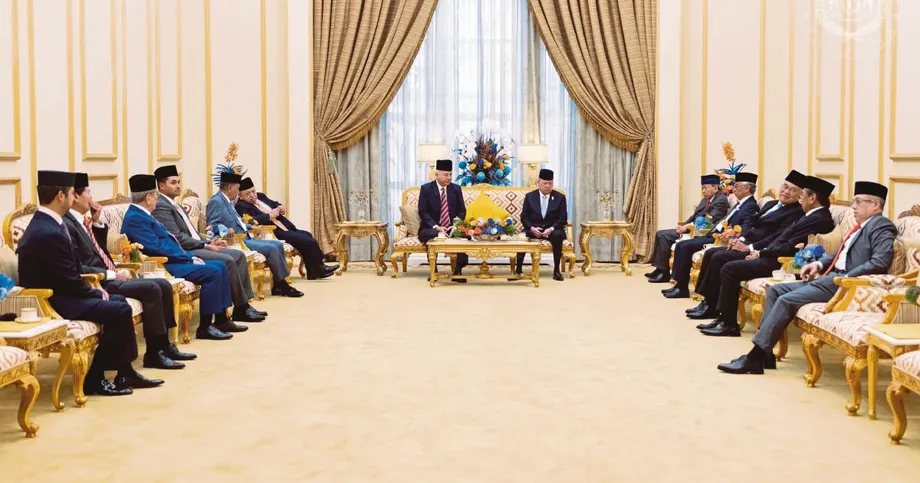
Malaysia's proposed limit on a prime minister's time in office and a plan to separate the Attorney-General from the Public Prosecutor were discussed at the 273rd Conference of Rulers, held at Istana Negara on October 14 and 15, 2026.
Contents
- Two constitutional proposals reach the royal agenda
- How the proposed prime minister limit would work
- A separate office for criminal prosecutions
- Who would choose the Public Prosecutor?
- From parliamentary plans to October consultation
- Child Act changes and wider scrutiny of zakat funds
- Security, defence and economic briefings
- Who attended the royal meeting?
- Key Points
The meeting, chaired by Sultan Nazrin Shah of Perak, considered a consultation paper on the Constitution (Amendment) Bill 2026 concerning the prime minister's tenure. The Conference was separately briefed on the Constitution (Amendment) (No. 2) Bill 2026 concerning the separation of the two legal offices.
The Office of the Keeper of the Rulers' Seal described those different purposes in its October 15 statement: the tenure proposal came before the Conference for consultation, while the proposal concerning the Attorney-General and Public Prosecutor was presented for information.
Sultan Ibrahim, King of Malaysia, attended the second day, accompanied by Prime Minister Datuk Seri Anwar Ibrahim. The agenda also covered proposed changes to Section 97 of the Child Act 2001, national security, defence, the economy and broader auditing of zakat funds.
The two constitutional proposals concern different forms of public power. One would restrict how long a person can lead the government. The other would place responsibility for criminal prosecutions in a separate office from the government's chief legal adviser.
Earlier explanations by Law and Institutional Reform Minister Datuk Seri Azalina Othman Said described a maximum of 10 years or two terms for a prime minister and a fixed term of seven years for the proposed Public Prosecutor. Those details give the October discussions practical meaning: the reforms concern both the duration of political leadership and the selection of the official responsible for bringing criminal cases.
How the proposed prime minister limit would work
Azalina described the proposed limit as 10 years or two terms, counted cumulatively over a person's lifetime, whether the periods in office were consecutive or separated by time outside government.
In simple terms, leaving office and returning later would not restart the count. Time already served would contribute to the lifetime total described by the minister.
The proposal also addresses what happens to the rest of the government when a prime minister reaches the limit. Under Azalina's explanation, Cabinet members would cease to hold office when the prime minister reaches that aggregate maximum.
A transition provision would allow the outgoing prime minister and Cabinet to perform limited duties connected with daily administration until a successor is appointed. This would keep routine government work moving while restricting the outgoing administration's role.
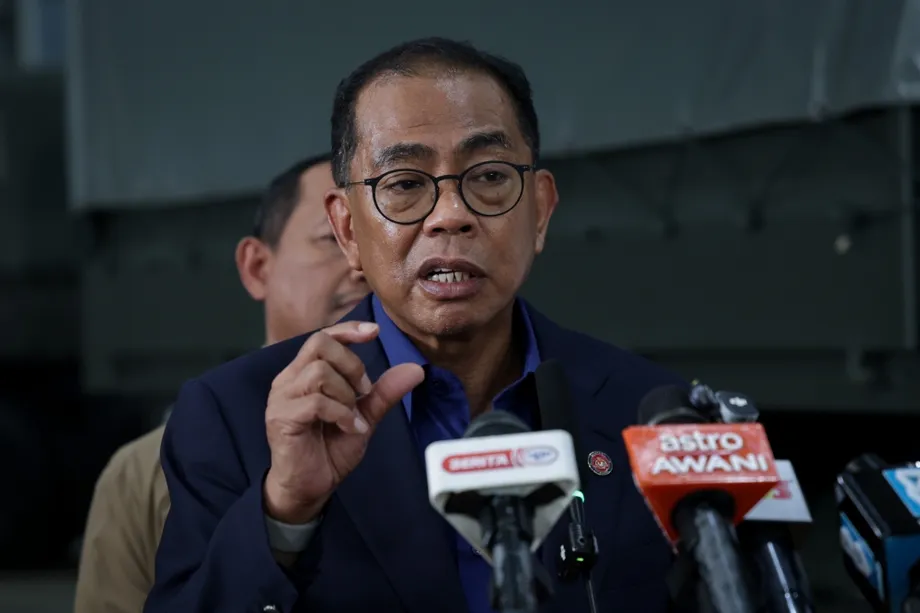
Azalina, the minister responsible for law and institutional reform, explained the proposed transition arrangements:
"During the transition period until a new Prime Minister is appointed under Clause 2(a) of Article 43, the outgoing Prime Minister and cabinet members will carry out only limited duties related to daily government administration," she said.
The October statement did not specify how service before the amendment would be counted, provide a commencement date, announce parliamentary passage or set a fresh debate date. Those details matter for determining when the restriction would begin to affect any particular officeholder.
A separate office for criminal prosecutions
The Constitution (Amendment) (No. 2) Bill 2026 would separate the Attorney-General's role from that of the Public Prosecutor. Malaysia currently places both responsibilities in the same office: advising the government on legal matters and exercising authority over criminal prosecutions.
A prosecution is the process of bringing a criminal accusation before a court. The prosecutor decides whether and how to pursue a case; the court decides the outcome. Separating the offices would assign government legal advice and prosecution decisions to different officeholders.
Azalina said the proposed Public Prosecutor would have equal standing to the Attorney-General in hierarchy and service. Candidates would need at least 10 years of litigation experience, meaning experience conducting legal cases, and the appointment would carry a fixed term of seven years.
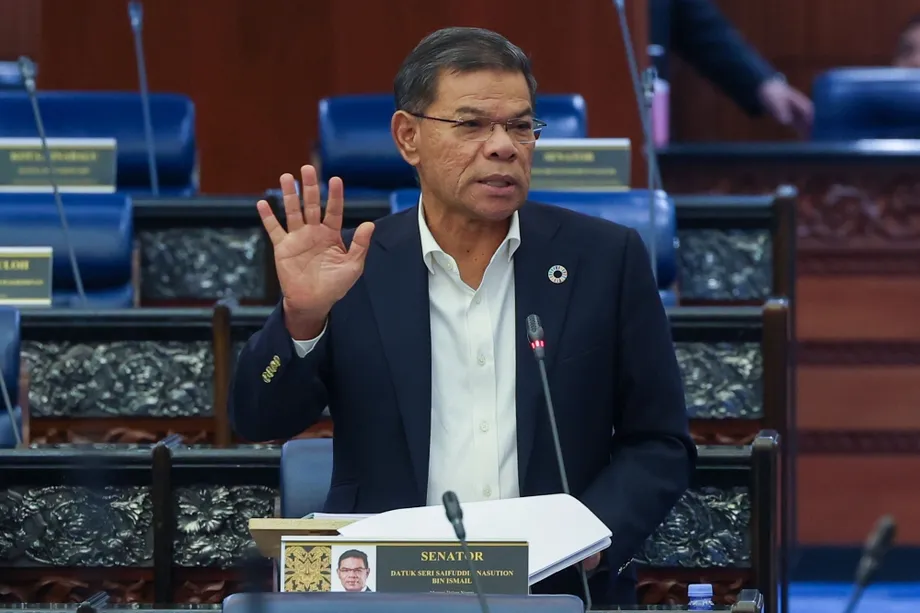
Attorney-General Dusuki Mokhtar also said candidates must not be members of Parliament or state assembly members. He described the purpose of the proposed selection arrangements during a briefing in Parliament:
"The idea is to prevent political interference in the appointment of the public prosecutor," he said.
Dusuki also stated the intended standard for the officeholder's work:
We want to ensure that the public prosecutor acts fairly when carrying out his duties.
Who would choose the Public Prosecutor?
The proposed appointment process would involve the Yang di-Pertuan Agong, the Judicial and Legal Service Commission and the Conference of Rulers. Dusuki said the prime minister would have no role in choosing the Public Prosecutor, with candidates nominated by the commission.
Descriptions of the Conference's role have differed in a way that matters to the appointment process. Dusuki's parliamentary briefing described appointment by the King subject to the Conference of Rulers' consent; Azalina's earlier explanation described appointment at the King's discretion, on the commission's recommendation and after consultation with the Conference. Consent requires agreement, while consultation requires seeking views.
The commission would also have a role if a serving Public Prosecutor sought an extension. Azalina said the officeholder would have to apply, allowing the commission to reassess the appointment after the initial seven years.
Azalina explained her position on extensions:
"We do not want the renewal of the public prosecutor's term to be automatic," she said.
The selection process and renewal rules address different stages of independence. Excluding the prime minister from selection would reduce direct political involvement at entry. Requiring an application and reassessment would create a further decision point before an officeholder could continue beyond the fixed term.
From parliamentary plans to October consultation
The October meeting followed several stages of government planning and parliamentary activity earlier in 2026. Azalina had said both bills received Cabinet approval and expressed hope for support across political parties.
The proposals had been presented for first reading in the Dewan Rakyat. A first reading formally introduces a bill; later stages allow lawmakers to debate its substance and decide whether to pass it. The minister's earlier timetable and subsequent announcement of plans to table the measures again show how the reform programme developed before the royal meeting.
- March 2: Azalina's earlier timetable scheduled the second reading of the Attorney-General reform bill for this date.
- March 3: The prime minister tenure bill was scheduled to follow, with Anwar expected to present it personally.
- April 1: Azalina announced that the government had agreed to table the constitutional proposals again at the next parliamentary sitting.
- June 22 to July 16: The Dewan Rakyat sitting identified in that April announcement was expected to run for 16 days.
- October 14 and 15: The Conference of Rulers discussed the tenure proposal and received information on the separation of the legal offices at Istana Negara.
The October proceedings therefore brought the two proposals before the Conference in distinct ways. The tenure paper sought consultation, while the paper concerning the Attorney-General and Public Prosecutor informed the Conference about that proposed change.
Child Act changes and wider scrutiny of zakat funds
The Conference also received information on proposed amendments to Section 97 of the Child Act 2001. The section concerns the treatment of children convicted of offences that would carry the death penalty for adults, including detention at the pleasure of the relevant royal or state authority.
That connection gives the proposed changes a direct place on the Rulers' agenda. The meeting statement identified the section under discussion but did not describe replacement provisions or changes to detention arrangements.
Islamic religious administration formed another part of the proceedings through matters under the National Council for Islamic Religious Affairs Malaysia, known as MKI. These included a proposal to expand the scope of audits of zakat funds.
Zakat is an obligatory Islamic contribution used to support eligible recipients. An audit examines financial records and the handling of money. Broadening its scope can extend the areas examined, making the precise audit rules relevant to both contributors and people receiving assistance.
The statement identified an expansion proposal without setting out which additional activities, records or organisations would be covered. For readers following the reform agenda, this was a separate financial oversight issue alongside the constitutional discussions.
Security, defence and economic briefings
Inspector-General of Police Tan Sri Mohd Khalid Ismail briefed the Conference on the latest national security developments. Chief of Defence Force General Tan Sri Malek Razak Sulaiman presented the defence briefing, while Economy Minister Akmal Nasrullah Mohd Nasir addressed economic matters.
The three presentations brought policing, military affairs and the economy into the same meeting as the proposed constitutional changes. The public statement named the officials and subjects without releasing detailed assessments or economic figures from their briefings.
Other agenda items included the appointment of a Special Court judge and a new holder of the Institution of Malay Rulers Chair at Universiti Teknologi MARA, or UiTM. The Special Court handles legal proceedings involving the King and state Rulers in their personal capacity.
The Conference also discussed proposed meeting dates for 2027. The combination of appointments, briefings and legislative papers shows the range of business handled during the two days, extending beyond the two constitutional proposals that drew particular attention.
Who attended the royal meeting?
The first day's proceedings brought together the Malay Rulers and state governors, with representatives attending for several royal households. Sultan Nazrin Shah chaired the meeting across its two days.
Terengganu was represented by its Regent, Tengku Muhammad Ismail ibni Al-Wathiqu Billah Sultan Mizan Zainal Abidin. Kelantan Crown Prince Tengku Muhammad Fakhry Petra attended on behalf of the Sultan of Kelantan.
Johor's Tunku Temenggong, Tunku Idris Iskandar Al-Haj Ibni Sultan Ibrahim, represented the Regent of Johor. Sultan Ibrahim attended in his capacity as King on October 15, accompanied by Anwar.
The attendance placed the proposed changes before the royal institution whose participation is also built into the suggested appointment process for a separate Public Prosecutor. For the prime minister tenure proposal, the October meeting's stated purpose was consultation on the constitutional amendment.
Key Points
- The 273rd Conference of Rulers met at Istana Negara on October 14 and 15, 2026, chaired by Sultan Nazrin Shah.
- The prime minister tenure bill was presented for consultation; the Attorney-General and Public Prosecutor separation bill was presented for information.
- Azalina described a proposed lifetime limit of 10 years or two terms for a prime minister, including periods served at different times.
- The proposed Public Prosecutor would serve for seven years and need at least 10 years of litigation experience.
- Official explanations used different descriptions of the Conference's appointment role: consent and consultation.
- The meeting also covered Child Act amendments, wider audits of zakat funds, security, defence, the economy and appointments.