Winter gas plan faces a shipping bottleneck
Pakistan is preparing for a difficult winter as disrupted shipping through the Strait of Hormuz threatens gas deliveries, with the Petroleum Division seeking approval for a supply plan covering November 2026 to February 2027. The division estimates that 24 liquefied natural gas cargoes will be needed on the Sui Northern Gas Pipelines Limited network, including two contingency shipments.
Contents
- Winter gas plan faces a shipping bottleneck
- Qatar deliveries have fallen sharply
- How the supply squeeze developed
- What Pakistan plans to buy
- Why replacement gas costs so much
- Households face restricted supply hours
- Electricity and fertiliser face competing demands
- Can domestic gas cover the gap?
- Who pays for keeping gas flowing?
- Key Points
Pakistan LNG chief executive Masood Nabi warned at the 25th WPC Energy Congress, in remarks reported on October 15, that passage through the strait, rather than the availability of gas itself, was the country's main bottleneck. Pakistan is considering increasing domestic production to soften the impact.
The warning comes as households already face restricted cooking hours and officials weigh expensive replacement imports. One winter purchasing estimate puts the cost of 22 cargoes at $1.293 billion, with 10 shipments bought on the open market accounting for $863 million of that total.
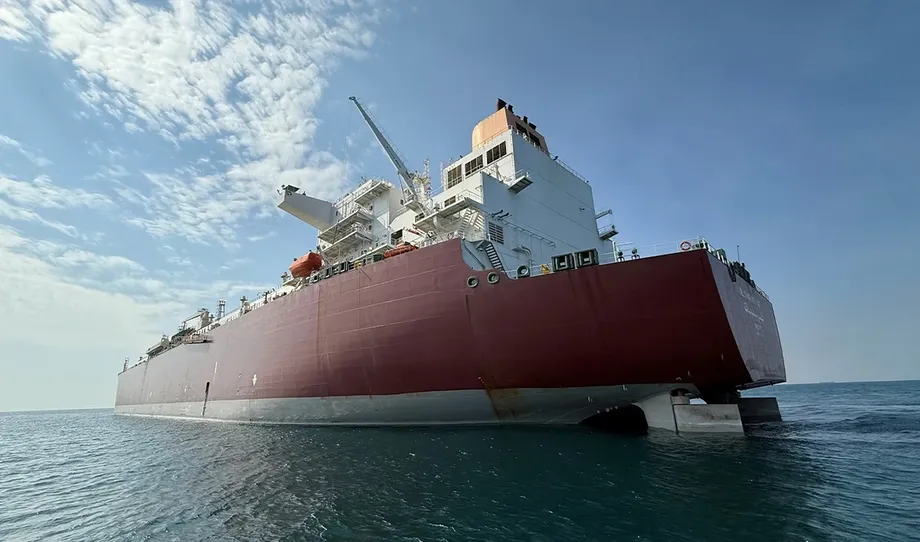
LNG is natural gas cooled into a liquid so ships can carry it. After unloading, terminals turn it back into gas for pipelines, a process called regasification. Pakistan uses that fuel for electricity generation, household cooking and heating, and industrial production. A delayed ship can therefore put several groups of consumers in competition for the same limited supply.
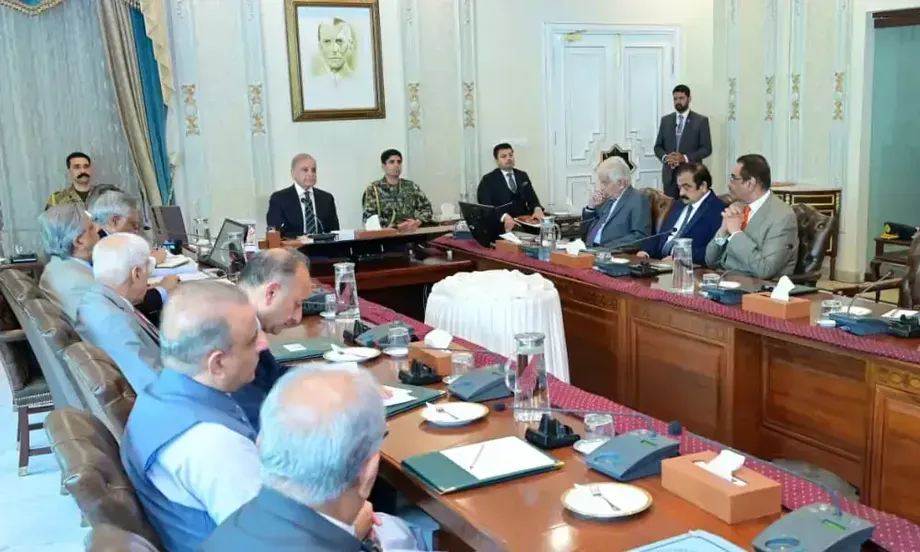
The proposed winter plan gives households priority if supplies become severely constrained. Industry, power plants, fertiliser producers and compressed natural gas stations could face cuts. The Cabinet Committee on Energy, chaired by the prime minister, still needs to approve the plan; no approval date has been given.
Qatar deliveries have fallen sharply
The Petroleum Division says only 10 scheduled cargoes arrived under Pakistan State Oil's delivery arrangement with QatarEnergy between March and September 2026, while 40 were not delivered under force majeure.
Force majeure is a contract provision used when extraordinary events prevent a party from meeting its obligations. QatarEnergy invoked it after an attack on its Ras Laffan gas facility in March, amid the regional conflict. Shipping disruption around Hormuz has continued to complicate deliveries, and the declaration affecting Pakistan has been extended into November.
Muhammad Yasin, president of the Institute of Cost and Management Accountants of Pakistan and chairman of its Research and Publications Committee, cited Oil and Gas Regulatory Authority computations showing 36 cargoes from October 2025 through January 2026, an average of nine each month. Records available for March through September 2026 showed about three monthly arrivals, roughly two thirds fewer.
Pakistan nevertheless received Qatari cargoes on September 10 and September 23. Officials also described the large LNG carrier Al Mafyar as having crossed Hormuz into Omani waters, with its cargo potentially transferred to smaller vessels before reaching Pakistan. They expected an arrival within three to five days of that update.
The government was working to arrange three October cargoes. Officials said securing those shipments could remove the immediate need for additional spot purchases that month, while winter requirements would still need separate arrangements.
How the supply squeeze developed
Pakistan entered the crisis after a period when it had more contracted LNG than it needed. Pakistan State Oil and QatarEnergy had agreed to divert 24 cargoes during 2026 because Pakistani demand was low. Those commercial diversions were agreed before the current winter scramble for supplies.
Qatar's two agreements with Pakistan State Oil run until 2031 and normally cover 108 cargoes annually, or nine per month. Five monthly cargoes are priced at 13.37 percent of Brent crude and four at 10.2 percent. Linking gas prices to oil means the contract price changes with the oil benchmark.
- March 4, 2026: The force majeure declaration followed the attack on the Ras Laffan facility.
- April to July 2026: Seven spot cargoes were procured at prices ranging from $16 to $22 per million British thermal units.
- September 10 and 23: Two Qatari cargoes reached Pakistan.
- September 11 and 17: Replacement cargo tenders attracted offers of $26.712 and $26.969 per million British thermal units; a third attempt received no bid.
- October 15: Nabi's warning described Hormuz transit as the main constraint on Pakistan's LNG supplies.
- November 2026 to February 2027: The proposed winter management plan would allocate scarce gas and arrange replacement imports.
A Qatari delegation was scheduled to visit between September 30 and October 15 to finalise the winter Annual Delivery Plan. The central task is to turn contracted quantities and proposed purchases into a delivery schedule that ships can actually complete.
What Pakistan plans to buy
The Petroleum Division's requirement of 24 cargoes assigns nine to electricity generation and 15 to household demand, including two contingency cargoes. The purchasing outline identifies 12 contracted cargoes and 10 spot cargoes, making 22, with the two contingency shipments accounting for the difference from the stated requirement.
The proposed contract mix also varies within the planning figures: the supply outline lists 12 cargoes from Qatar, while the detailed cost breakdown assigns 11 to Qatar and one to Italy's Eni in January 2027. The breakdown values those contracted shipments at $429.83 million.
Other proposals seek additional routes to supply. The Petroleum Division wants special arrangements for at least four QatarEnergy cargoes each month and authorisation for the National Logistics Cell and National Crisis Management Cell to arrange 11 or more Qatari cargoes for power generation.
Pakistan LNG Limited has also been asked to activate its agreement with Azerbaijan's SOCAR for one cargo monthly from November through February, subject to a maximum price of $20.969 per million British thermal units under the relevant tender. The division set October 12 as the deadline for compliance information.
Pakistan State Oil was asked to develop another purchasing strategy with Shell LNG or Oman Trading International for one monthly cargo in December, January and February. These proposed channels have not all been confirmed as secured deliveries.
Why replacement gas costs so much
The spot market sells cargoes for relatively prompt delivery rather than through contracts covering many years. It gives Pakistan a way to replace missing shipments, but buyers compete for available vessels and fuel at the prices sellers will accept.
The winter cost estimate uses a spot price of $26.30 per million British thermal units, a measure of energy commonly shortened to MMBtu. At that price, each spot cargo would cost about $86.3 million. Ten would cost $863 million, compared with $429.83 million for the 12 contracted cargoes.
Spot purchases would therefore represent about 45 percent of the 22 planned shipments but roughly 67 percent of the projected import bill. January is the most expensive month in that estimate, with eight cargoes costing $437.32 million, followed by December at $369 million.
A senior energy ministry official described spot procurement as a last resort, estimating prices of $30 to $35 per MMBtu against $12 to $15 under the Qatar contract. The September offer of $26.969, which Pakistan rejected, was about 23 percent above the $21.88 price cited for a July cargo.
Muhammad Waqas Ghani, head of research at JS Global Capital, warned that replacing missing supply would put pressure on Pakistan's external finances. Asked about the effect of higher LNG costs on the balance of payments, he said:
Yes, higher import bill would widen the current account deficit.
The current account records trade and other income flows between Pakistan and the rest of the world. Spending more foreign currency on energy adds pressure when export earnings and other receipts do not rise enough to cover it.
Households face restricted supply hours
Household demand rises sharply when colder weather increases the need for space and water heating. The Petroleum Division projects demand on the Sui Northern network to double from around 550 million to 1,100 million cubic feet per day. On the Sui Southern network, it expects demand to increase from 300 million to 500 million cubic feet per day.
A Petroleum Division official said household supply was already being limited to approximately three hours in the morning, three at lunchtime and three in the evening: 6am to 9am, noon to 3pm, and 6pm to 9pm. The official said the system lacked enough gas for continuous household service.
The proposed winter plan separately recommends supply from 5pm to 10pm. That is a proposed arrangement awaiting approval, while the three daily cooking periods describe restrictions already reported in operation.
Families unable to rely on piped gas may turn to liquefied petroleum gas cylinders. LPG is a different fuel from LNG and is sold for household use in cylinders rather than delivered through the same import and pipeline system.
Officials warned that an 11.8 kilogram LPG cylinder could reach Rs7,000 or more if shortages intensify, against reported open market prices already above Rs5,000. That would put another expense on households trying to keep cooking and heating equipment running.
Electricity and fertiliser face competing demands
Power generation is another major claimant on the available gas. Yasin cited information from the Independent System and Market Operator indicating that winter gas demand from the power sector could reach 400 million cubic feet per day. Officials put current imported gas deliveries to power plants at around 250 million to 300 million cubic feet daily, alongside supplies from dedicated domestic fields.
Limited regasified LNG has already contributed to electricity load shedding. The government responded during the warmer months by increasing coal generation and restricting electricity during evening demand peaks. Winter adds a larger household claim on gas, making allocation decisions more difficult.
Monthly cargo estimates reflect different planning needs. The detailed winter import budget assigns eight cargoes to January 2027, while officials assessing requirements across domestic, industrial and power consumers put January needs at about 11. December requirements were estimated at around nine cargoes.
Fertiliser production creates another difficult choice. The Ministry of National Food Security and Research examined gas needs at Fauji Fertilizer Bin Qasim, Fatima Fertilizer and Agritech. Closing all three could create a urea shortfall of about 109,000 tonnes a month, affecting inventories during December and January.
The Petroleum Division proposed comparing the cost of importing LNG to keep those plants operating at subsidised gas prices with the cost of importing urea. Either choice requires public money, while interruptions to fertiliser production could affect supplies available to farmers.
Can domestic gas cover the gap?
Pakistan produces about 3.2 billion cubic feet of gas daily and has agreements to import roughly 1 billion cubic feet daily from Qatar and Eni. Actual imported deliveries have been much less predictable during the disruption.
Haris Sohail, an economist at the Policy Research Institute for Equitable Development, cited the institute's 2026 research putting domestic gas at about three quarters of demand and imported LNG at one quarter. The government has increased local output, including production previously curtailed.
Sohail said the room for further increases was limited and expensive imports could leave restrictions necessary. He explained:
Because domestic production can only be increased to a certain extent and spot cargoes are considerably more expensive, the government is likely to rely on demand-side management, including gas load shedding.
Abdul Azeem, head of research at Al Habib Capital Markets, was more optimistic, arguing that greater domestic exploration should help maintain local supply and reduce a potential winter shortfall. He said additional spot cargoes or Qatari supplies could help if a deficit emerged.
Yasin judged the risk of a winter supply gap substantial, while saying a nationwide shortage was not inevitable. He pointed to domestic production, available hydropower, selective spot purchases and Qatari cargoes able to pass safely through Hormuz as ways to manage demand.
Who pays for keeping gas flowing?
Pakistan's winter policy has diverted imported regasified LNG to households at domestic gas tariff rates since the 2018-19 financial year. When the import cost exceeds the household selling price, someone must cover the difference.
The Petroleum Division estimated that assigning spot cargoes to households while reserving cheaper contracted supplies for power generation could leave Sui Northern with a Rs45 billion revenue shortfall. It said recovering that sum would require an increase of more than Rs300 per MMBtu across the Sui gas companies.
Giving cheaper contracted cargoes to households instead could increase electricity fuel costs, because power generators would then need more expensive fuel. The government faces a choice between pressure on gas tariffs, electricity charges and subsidies.
The accumulated difference between imported gas costs and household tariffs exceeded Rs350 billion during the period from 2018-19 to 2022-23. The division said subsidy releases had reduced it to Rs220 billion by June 30, 2026, while Rs78 billion remained to be settled under the gas circular debt management plan.
Pakistan's immediate decisions concern November supplies, but the highest pressure is expected in December and January. Securing passage through Hormuz, finding affordable cargoes and deciding which consumers receive gas will together determine how much disruption households and businesses experience.
Key Points
- Pakistan LNG chief Masood Nabi warned that disrupted passage through Hormuz threatens winter gas deliveries.
- The proposed November 2026 to February 2027 plan requires Cabinet Committee on Energy approval and prioritises households.
- The Petroleum Division estimates a need for 24 cargoes, including two contingency shipments; a 22 cargo purchasing estimate totals $1.293 billion.
- Ten planned spot cargoes account for $863 million, about two thirds of that projected import bill.
- Domestic production increases, replacement imports and supply restrictions are the main options under consideration.
- Industry, electricity generation and fertiliser production could face cuts as household heating demand rises.