A technical step with major resources at stake
Thailand and Cambodia have agreed to let an international conciliation commission visit islands and coastal features connected to their maritime dispute, after four days of talks in Kuala Lumpur produced a joint technical working group and a shared understanding on how to approach a boundary. The agreement was announced on November 27, 2026, at the close of the third session under the United Nations Convention on the Law of the Sea, or UNCLOS.
Contents
- A technical step with major resources at stake
- What was agreed in Kuala Lumpur
- Who is representing the two countries?
- How does the conciliation commission work?
- The path to the Kuala Lumpur agreement
- Why boundary and resource sharing remain separate positions
- Why geography now matters
- Border tensions shape the climate for compromise
- What happens after the site visits?
- Key Points
The next stage concerns overlapping claims covering about 26,000 square kilometres in the Gulf of Thailand, roughly 10,000 square miles. The area is estimated to hold nearly 12 trillion cubic feet of natural gas, equivalent to about 340 billion cubic metres, as well as oil resources valued at approximately US$300 billion. A boundary would help determine which country can authorise exploration and development in different parts of the area. The Kuala Lumpur meeting did not announce a boundary line or an agreement to develop those resources.
What was agreed in Kuala Lumpur
The session ran from November 24 to 27 and brought the two governments together with the Conciliation Commission. They established a Joint Technical Working Group made up of experts from each country and members of the commission. Its task is to address technical matters involved in delimitation, the process of deciding where one country's maritime rights end and the other's begin. Technical meetings held under the commission also produced a shared understanding on a set of parameters for discussing the boundary. A joint statement described the result as "Good technical progress".
The Permanent Court of Arbitration, which administers the proceedings as their registry, explained the purpose of the planned visit in its statement.
The Parties and the Commission agreed that a visit by the Commission to relevant islands and features off the respective coasts of the two States would allow the Commission to obtain a better understanding of the relevant geography and specific context of the areas concerned.
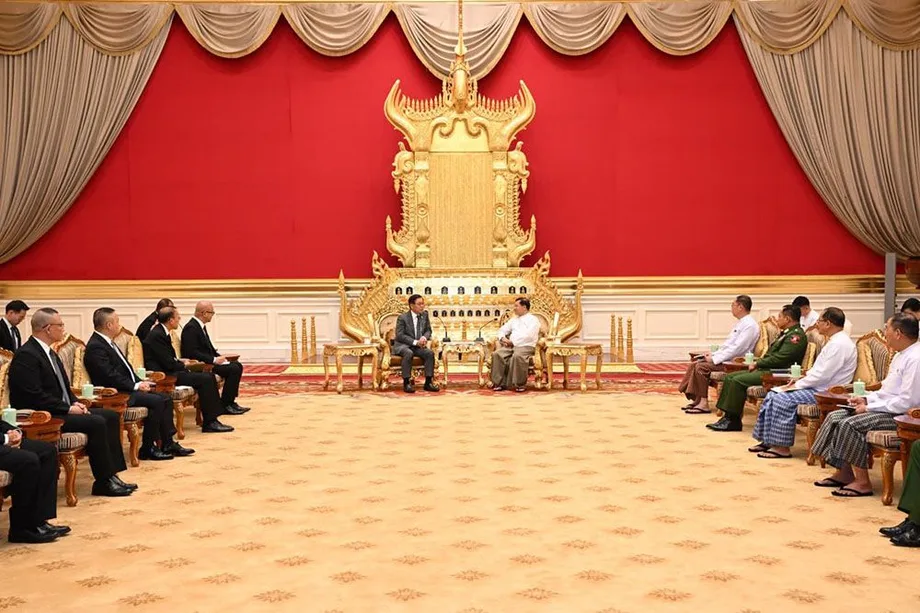
Cambodia's Ministry of Foreign Affairs and International Cooperation said its delegation welcomed the visit and was ready to cooperate fully. Practical arrangements were discussed in Kuala Lumpur, although no dates were announced. The visit is expected to cover islands and geographical features connected to the dispute, together with coastal areas of both countries. Further negotiations will follow.
Who is representing the two countries?
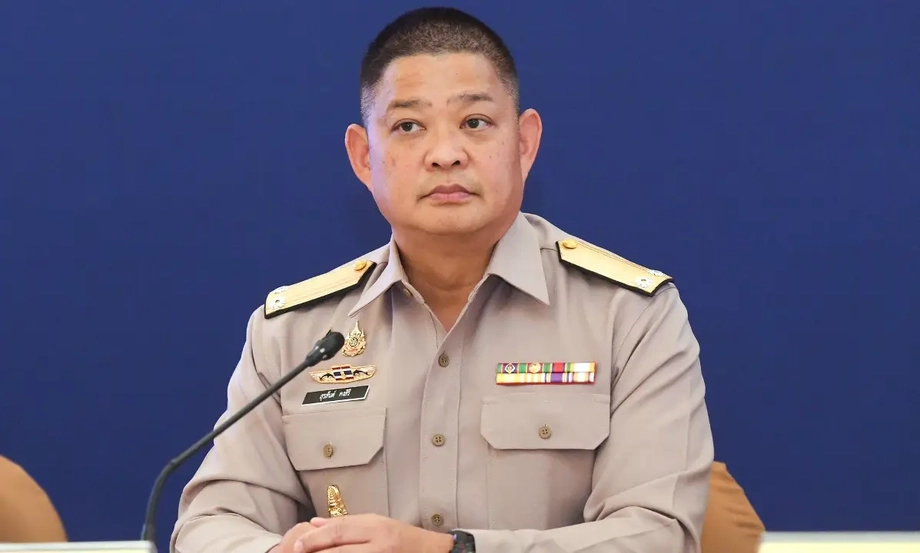
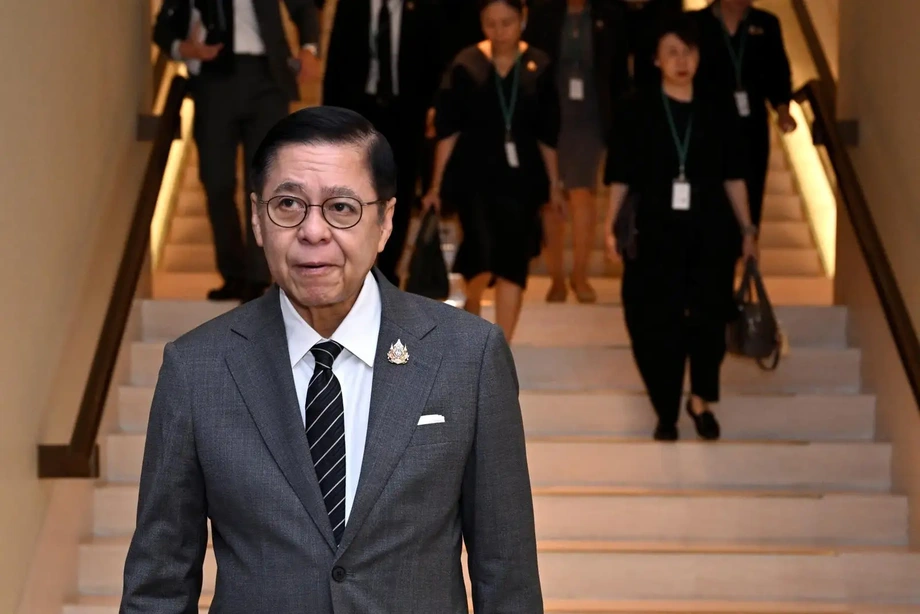
Sihasak Phuangketkeow, Thailand's deputy prime minister and foreign minister, led the Thai delegation as its Agent. Deputy Prime Minister Pakorn Nilprapunt served as an adviser, while Songchai Chaipatiyut, director general of the Department of Treaties and Legal Affairs, served as Deputy Agent. Officials from relevant agencies and technical specialists also took part. Thailand presented technical information and arguments to the commission, stressing that delimitation must rest on international law while protecting Thai sovereignty and national interests.
Thailand's foreign minister said Bangkok would remain engaged in the process.
Thailand will continue to engage constructively in this conciliation process and hopes to see continued progress.
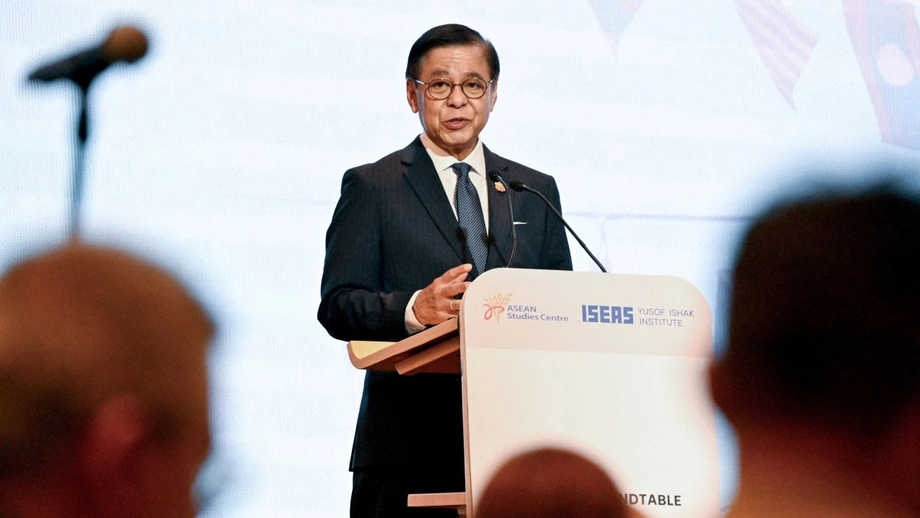
Prak Sokhonn, Cambodia's deputy prime minister and foreign minister, led his country's delegation as its Agent. He presented Cambodia's position and supporting factual and technical information. He called the creation of the technical panel "a step forward for both Cambodia and Thailand", said the two countries would always remain neighbours and pledged that Cambodia would work in good faith to rebuild trust. He also thanked the commission, the Permanent Court of Arbitration, the Malaysian government and the Asian International Arbitration Centre for their support and hospitality.
How does the conciliation commission work?
The commission has five members, drawn from Australia, Denmark, Germany, South Africa and France, and is chaired by Katrina Cooper. Conciliation gives the two governments a structured setting in which an independent body can examine their legal and technical positions, identify possible areas of agreement and help them negotiate. It is separate from proceedings before the International Court of Justice. The Peace Palace in The Hague houses both that court and the Permanent Court of Arbitration, but the arbitration court's role here is to support the administration of the UNCLOS commission.
UNCLOS Annex V allows a country to start compulsory conciliation in certain disputes, requiring the other country to participate. A commission normally has five members and is expected to report within 12 months of being constituted. Its report can record agreements and, if the parties remain divided, set out conclusions and recommendations for an amicable settlement. Those conclusions and recommendations do not bind the governments in the way a court judgment would. The process is therefore designed to produce an agreed settlement rather than impose a line on the map.
Katrina Cooper, speaking as commission chairperson, said the technical work should make the negotiations more efficient.
The technical understandings reached will ensure that the negotiations proceed efficiently.
The path to the Kuala Lumpur agreement
The third session followed months of procedural and technical work, with earlier meetings addressing confidence building and the organisation of the proceedings.
- 2001: Thailand and Cambodia signed a memorandum of understanding, known as MOU 44, providing a framework for negotiations over overlapping continental shelf claims and possible joint development of energy resources.
- 2025: Two bouts of fighting along the land border intensified tensions between the governments. A truce subsequently held, while disputes over territory and border management continued.
- May 2026: Thailand ended the 2001 memorandum, removing the framework that had guided bilateral discussions on the sea boundary and joint development.
- June 2, 2026: Cambodia initiated compulsory conciliation under the 1982 UNCLOS. Thailand responded to the proceedings on June 19.
- September 14 to 16, 2026: The opening session took place in Singapore, with the two foreign ministers delivering opening statements on September 15.
- October 14 to 18, 2026: The second session took place at the Peace Palace in The Hague. The five days of talks covered legal and technical questions, and the sides finalised confidence building measures.
- November 24 to 27, 2026: The Kuala Lumpur session produced the Joint Technical Working Group, a shared understanding on delimitation parameters and agreement in principle on the commission's visit.
No date has been set for another full negotiating session. The next steps are the coastal visit and further discussions intended to build on the technical understandings.
Why boundary and resource sharing remain separate positions
The immediate trigger for conciliation was Thailand's termination of the 2001 memorandum. Cambodia then sought an international process after the bilateral framework disappeared. The memorandum had connected discussion of maritime claims with the possibility of jointly developing oil and gas, allowing cooperation to be considered without first settling every part of the boundary.
The difference was already clear when the third round was scheduled. Cambodia wants either a treaty establishing a single maritime boundary or, if that cannot be achieved, an interim arrangement for joint development and equitable resource sharing. Thailand says the boundary must be defined first, with other matters considered afterwards. The Kuala Lumpur statements did not announce a choice between those approaches.
For Thailand, deciding the boundary first would establish where it can exercise rights before any discussion of shared development. For Cambodia, an interim arrangement remains a possible way to use the resources while a final line is still being negotiated. Joint development would require the governments to agree on matters such as the area covered, the sharing of benefits and the management of exploration. No such arrangement was announced in Kuala Lumpur.
The resource estimates explain the economic weight of those positions, but they do not represent income already available to either treasury. Exploration, investment and development decisions would still be needed, along with a legal arrangement determining where each government could act.
Why geography now matters
Maps and legal submissions will remain central to the case, while the visit will allow commissioners to examine the physical setting directly. The location and characteristics of coasts, islands and other geographical features can form part of the technical and legal arguments about maritime delimitation. Seeing the areas concerned can help the commission connect charts and measurements with the geography described by the parties.
Thailand's Foreign Ministry said Bangkok wanted a fair and lasting outcome grounded in international law. Cambodia said its aim was a just, equitable and lasting solution under international law and UNCLOS, while safeguarding its sovereignty and national interests. Both governments also committed to continued constructive engagement. Their similar language about international law sits alongside the unresolved practical questions of where any boundary should run and whether resources could be developed before a final settlement.
The statements did not publish the technical parameters or identify a proposed boundary. They also left the visit schedule open. Those details will shape the next round of work for the experts and commissioners.
Border tensions shape the climate for compromise
Two bouts of armed border fighting in 2025 form the political background to the maritime negotiations. A truce has since held, following a year that included a ceremonial ceasefire signing on October 26 on the sidelines of the 47th ASEAN summit in Kuala Lumpur. Progress at sea is therefore taking place while relations on land remain strained.
On October 31, 2026, Thai Prime Minister Anutin Charnvirakul said all seven border crossings would remain closed to people and goods. He gave no reopening date and linked any change to Thailand's concerns about territorial disputes, scam networks and public safety. The complete closure began in June 2025, affecting ordinary travel and commerce as well as official relations.
On November 15, Cambodian Prime Minister Hun Manet said about 20,000 Cambodians remained unable to return home after the fighting. He called for joint surveying and demarcation of the land border to resume. The UNCLOS commission's remit concerns the maritime boundary, so its visit does not alter the crossing restrictions, decide control of disputed land or arrange the return of displaced families.
What happens after the site visits?
East Timor provides an example of conciliation leading to a formal settlement. It used the same UN mechanism in a dispute with Australia, and the two countries signed a maritime boundary treaty in 2018. Thailand and Cambodia are at an earlier stage, with their commission still gathering technical understanding and the governments maintaining different positions on the order in which boundary and resource questions should be addressed.
For energy agencies, an eventual agreement could clarify which government may authorise activity in each area or establish terms for cooperation. For the two foreign ministries, the working group and field visit also offer a way to sustain contact after a period of armed conflict and diplomatic strain. Sihasak said he hoped the process would bring positive benefits to bilateral relations, while Prak Sokhonn framed the technical progress as a gain for both countries.
The immediate test is practical: arranging the visits, examining the geography and turning the shared parameters into more specific areas of agreement. The commission's later report can record whatever settlement the parties reach or offer recommendations if differences remain.
Key Points
- Thailand and Cambodia held their third UNCLOS conciliation session in Kuala Lumpur from November 24 to 27, 2026.
- They created a Joint Technical Working Group and reached a shared understanding on parameters for maritime delimitation.
- The commission will visit relevant islands, geographical features and coastal areas, but no dates have been announced.
- The overlapping claims cover about 26,000 square kilometres and contain estimated gas resources of nearly 12 trillion cubic feet, plus oil valued at roughly US$300 billion.
- Cambodia initiated proceedings on June 2 after Thailand ended the 2001 framework for boundary and joint development talks.
- Thailand wants delimitation before resource discussions, while Cambodia is also open to an interim joint development arrangement.
- The maritime process remains separate from closed land crossings, displaced civilians and unresolved land border demarcation.