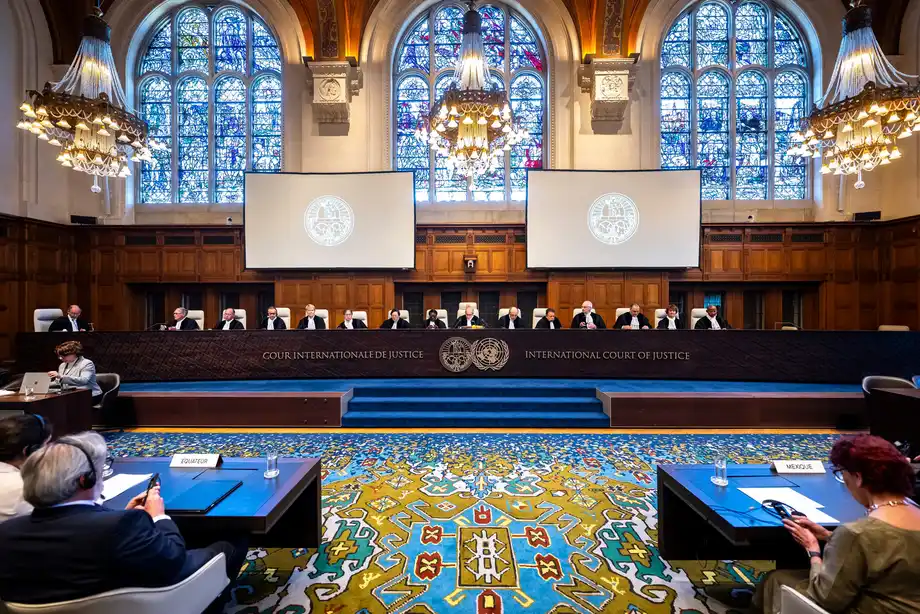
Seven years of proceedings reach a decisive moment
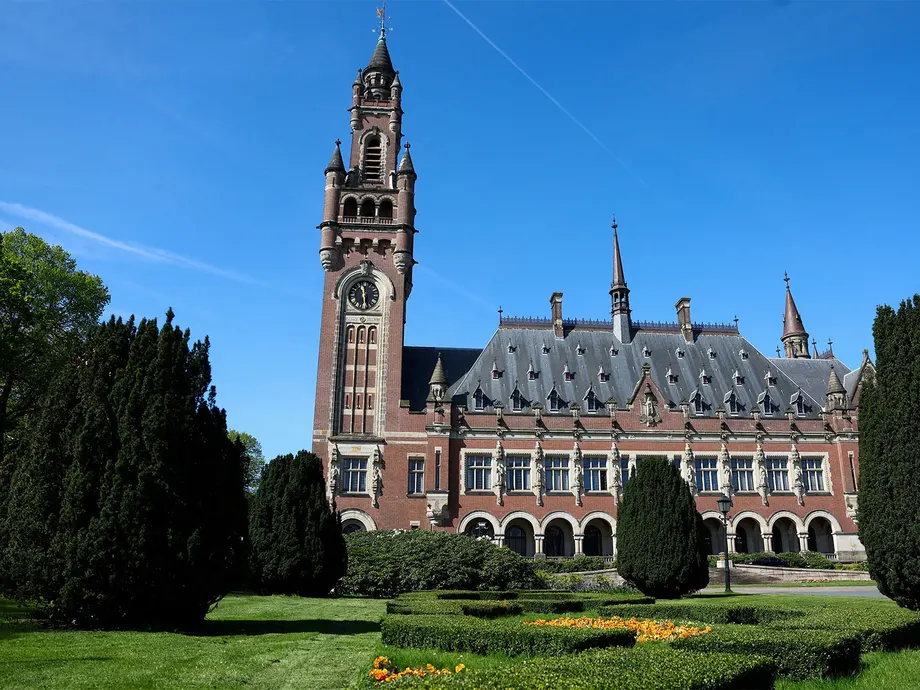
The International Court of Justice will deliver its judgment in The Gambia's genocide case against Myanmar on 19 November 2026 at 10 a.m. in The Hague. The decision will address responsibility for a military campaign that forced more than 700,000 Rohingya into Bangladesh, and requests for reparations that include restoring property, reuniting families and allowing displaced people to return safely.
Contents
- Seven years of proceedings reach a decisive moment
- What the judges must decide
- How the case reached judgment
- Why the Bosnia and Croatia rulings matter
- Witnesses, sexual violence and Facebook evidence
- Twelve reports and a dispute over protection
- What reparations could mean for families
- Rakhine's new rulers complicate safe return
- Eleven interveners and other routes to accountability
- ASEAN and the wider legal stakes
- What to Know
The court's official case record confirms the date after public hearings on the merits ran from 12 to 29 January 2026. Eleven countries have intervened on the interpretation of the 1948 Genocide Convention, giving the proceedings a reach far beyond Myanmar and the small West African country that brought the lawsuit.
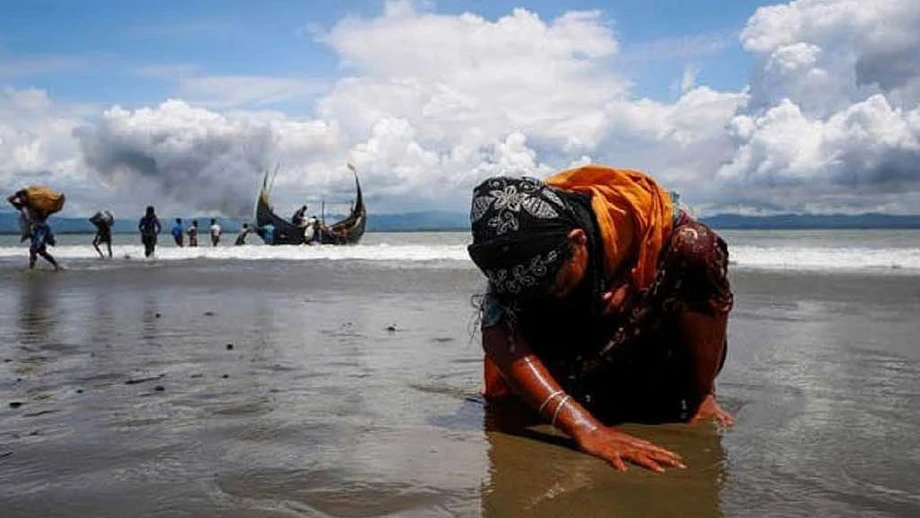
For roughly 1.2 million Rohingya living as refugees in Bangladesh's Cox's Bazar camps and on Bhasan Char, the judgment connects recognition of past violence with demands for a safer life. Myanmar denies genocide and says its forces carried out operations against armed militants.
The judges must decide whether Myanmar breached the convention, including through committing genocide or failing to prevent and punish it. They must also consider The Gambia's allegation that Myanmar violated binding protective orders issued in January 2020.
Since the judgment date was announced, attention has focused on both the evidence and the practical reach of any remedy. Northern Rakhine, where the central allegations arose, is now largely controlled by the Arakan Army rather than Myanmar's military authorities. That change makes the question of how survivors could safely return especially difficult.
What the judges must decide
The Genocide Convention protects national, ethnic, racial and religious groups. Genocide requires specified acts, such as killing or causing serious bodily or mental harm, together with an intention to destroy a protected group, in whole or in part. Establishing that intention is central to this case.
The Gambia alleges that Myanmar's military operations in 2016 and 2017 involved killings, severe physical and psychological harm, destructive living conditions and measures intended to prevent births. Its presentation during the January hearings concentrated on attacks against three Rohingya villages: Min Gyi, Chut Pyin and Maung Nu.
Myanmar argues that its forces were responding to the Arakan Rohingya Salvation Army, known as ARSA. It says The Gambia has understated the militant group's attacks and the involvement of villagers who joined or supported it. Myanmar also disputes the evidentiary weight of reports produced by United Nations investigators and other organizations.
The Gambia answers that the scale, repeated pattern and brutality of attacks reveal an intention to destroy the Rohingya as a group. The judges must assess the acts, the purpose behind them and the legal connection between the conduct and the state.
The ICJ settles disputes between states. Its judgment will determine Myanmar's international responsibility, while criminal proceedings against particular commanders or officials take place through different courts and legal processes.
How the case reached judgment
The Gambia filed its application on 11 November 2019 with support from the Organization of Islamic Cooperation. It relied on Article IX of the Genocide Convention, which allows disputes about the treaty's interpretation, application and fulfillment to be submitted to the ICJ.
Myanmar challenged the court's jurisdiction and The Gambia's right to bring the case. In July 2022, the court rejected those preliminary objections, accepting that a country belonging to the convention could bring this claim even without being directly affected by the alleged crimes.
- 11 November 2019: The Gambia filed its application and requested urgent protective measures.
- 23 January 2020: The court unanimously ordered provisional measures to protect the Rohingya and preserve evidence.
- 20 January 2021: Myanmar raised preliminary objections.
- 21 to 28 February 2022: The court held hearings on those objections.
- 22 July 2022: The court upheld jurisdiction and admissibility.
- 3 July 2024: Seven countries were admitted as interveners on treaty interpretation.
- 12 to 29 January 2026: The court heard arguments and evidence on the merits.
- 19 November 2026: Judgment is scheduled for 10 a.m. in The Hague.
The years between these dates included extensive written arguments. The Gambia submitted its main written case in October 2020, Myanmar filed its response in August 2023, and The Gambia filed a further reply in May 2024. The court set 16 December 2024 as the deadline for Myanmar's final written rejoinder.
Why the Bosnia and Croatia rulings matter
The court's 2007 judgment in Bosnia and Herzegovina v. Serbia and Montenegro provides a central legal comparison. It found that genocide occurred at Srebrenica in July 1995, but did not attribute the commission of that genocide to Serbia. It nevertheless held Serbia responsible for failing to prevent genocide and punish those responsible.
Those separate findings show why the Myanmar judgment could contain several distinct answers. A state's duties include preventing genocide and punishing perpetrators, alongside its obligation not to commit genocide. Each allegation requires its own legal assessment.
The Bosnia judgment also set a demanding evidentiary standard. For allegations of exceptional gravity, the court required fully conclusive evidence. When an intention to destroy a group is inferred from a pattern of conduct, that intention must be the only reasonable inference from the acts examined.
In Croatia v. Serbia in 2015, the court maintained that approach and rejected both Croatia's claim and Serbia's counterclaim because the necessary specific intent had not been established. The Gambia now relies on that same case law, arguing that the scale, nature, gravity and targeting of violence against the Rohingya satisfy the test.
Myanmar disputes that conclusion and says the evidence supports its explanation of operations against ARSA. The November judgment will show how the court applies its existing standard to this record, including how it weighs patterns of violence against the explanations offered by state authorities.
Witnesses, sexual violence and Facebook evidence
The Gambia's evidence draws on United Nations fact finding reports, analysis by the Independent Investigative Mechanism for Myanmar, satellite imagery and findings by human rights organizations. Rohingya witnesses, including people who travelled from refugee camps in Cox's Bazar, were examined in closed proceedings.
The Global Centre for the Responsibility to Protect's February assessment describes those witness examinations and the arguments presented during the hearings. It records The Gambia's allegation that attacks across northern Rakhine were coordinated and directed at the Rohingya population.
Sexual and reproductive violence forms an important part of that argument. The Gambia alleges mass rape, sexual assault and genital mutilation, including violence against pregnant women and children. It asks the judges to consider both the harm inflicted and what the nature of those acts reveals about the perpetrators' intentions.
Facebook also features in the case. The Gambia alleges that military actors produced and distributed messages encouraging hatred of the Rohingya before and during the operations. Earlier examination of anti-Rohingya hate campaigns traced how public messages portrayed the community as an enemy and put pressure on people who helped it.
The Independent Investigative Mechanism for Myanmar's February 2026 bulletin describes its contribution to the proceedings. The mechanism collects and analyzes evidence for use in justice processes; the ICJ judges decide the weight of the material before them.
Twelve reports and a dispute over protection
The January 2020 provisional measures required Myanmar to take all measures within its power to prevent acts covered by the convention, ensure its military and other forces did not commit them, and preserve relevant evidence. Myanmar had to report within four months and every six months afterward.
Myanmar submitted 12 compliance reports. It cited presidential directives concerning the convention, evidence preservation and hate speech, an investigative body, and arrangements for repatriation and humanitarian assistance.
The Gambia challenged those accounts and asked the court to find that Myanmar failed to comply. Human Rights Watch's November case briefing details the competing positions and The Gambia's request for reparations for harm arising from alleged breaches of the protective order.
For Rohingya families, this part of the judgment concerns protection during the seven years of litigation as well as the violence that prompted the original case. The court will assess Myanmar's conduct under obligations that were already legally binding while the proceedings continued.
What reparations could mean for families
The Gambia wants remedies reaching into everyday life: safe and dignified return, restoration or replacement of property, family reunification, physical and mental rehabilitation, and assistance locating disappeared people. It also seeks help recovering and identifying bodies and arranging reburial according to Rohingya cultural and religious practices.
Other requests concern freedom of movement, protection against discrimination, access to work and livelihoods, and the right of Rohingya people to identify themselves as Rohingya. The Gambia seeks compensation or other forms of redress when restoration cannot be fully achieved.
Myanmar disputes The Gambia's entitlement to demand reparations for victims when The Gambia itself suffered no direct injury. The judges must decide that legal question alongside the alleged treaty violations. The remedies they will grant, if any, will be known when judgment is delivered.
Citizenship and documentation remain part of the practical problem. The loss of citizenship recognition has restricted Rohingya access to political participation and ordinary services. Returning a family to a village would leave basic insecurity unresolved if its members still could not travel, work or obtain recognized identity documents.
Human Rights Watch senior international justice counsel Maria Elena Vignoli described the judgment as a major moment for survivors:
The ICJ's Myanmar judgment will mark a crucial moment in the Rohingya's quest for justice.
Rakhine's new rulers complicate safe return
The Arakan Army took control of northern Rakhine from the military in 2024 and now controls most of the state. Rohingya civilians face allegations of abuse by both forces, including killings, arson, forced recruitment, forced labor and arbitrary detention.
Investigators and rights groups have described discriminatory travel permits, forced labor demands and seizures of Rohingya land in areas controlled by the Arakan Army. Estimates include about 2,000 acres seized and roughly 8,500 structures burned across around 50 villages in Buthidaung during 2024.
More than 155,000 Rohingya have crossed into Bangladesh since 2024, many reportedly fleeing abuses by the Arakan Army. Reports also describe a detention site comprising 120 buildings at Hnget Thay and the settlement of people from other communities in 11 former Rohingya villages.
The Arakan Army says its measures respond to war and security threats, including cooperation between some Rohingya and the military. The allegations concern restrictions imposed on civilians across the community, including people who played no part in fighting.
The ICJ case is between The Gambia and Myanmar; the Arakan Army is outside those proceedings. Myanmar's treaty obligations continue, while restoring homes, land and safe movement in northern Rakhine would also require changes by the force exercising control there. Refugees therefore face a practical gap between a legal remedy and conditions permitting return.
Eleven interveners and other routes to accountability
Belgium, Canada, Denmark, the Democratic Republic of Congo, France, Germany, Ireland, the Maldives, the Netherlands, Slovenia and the United Kingdom have intervened under Article 63 of the ICJ Statute. Their role concerns interpretation of the Genocide Convention rather than becoming additional parties to the dispute.
The court's July 2024 intervention decision unanimously admitted the Maldives and a joint declaration from six countries. Four more countries subsequently brought the total to 11. The court's interpretation of the treaty will also bind the intervening states under Article 63.
Separate criminal proceedings seek to establish individual responsibility. In November 2024, the International Criminal Court prosecutor requested an arrest warrant for Min Aung Hlaing concerning alleged deportation and persecution of the Rohingya in 2017. Judges have not publicly announced a decision on that request.
The ICC's jurisdiction rests partly on victims being forced into Bangladesh, which is an ICC member. Its 2019 authorization also covers sufficiently connected future crimes falling within its jurisdiction. That gives potential relevance to more recent displacement across the same border.
Argentina provides another route. In February 2025, a federal court issued arrest warrants for 25 people, including Min Aung Hlaing, through universal jurisdiction. That principle allows national courts to pursue certain grave international crimes committed elsewhere.
ASEAN and the wider legal stakes
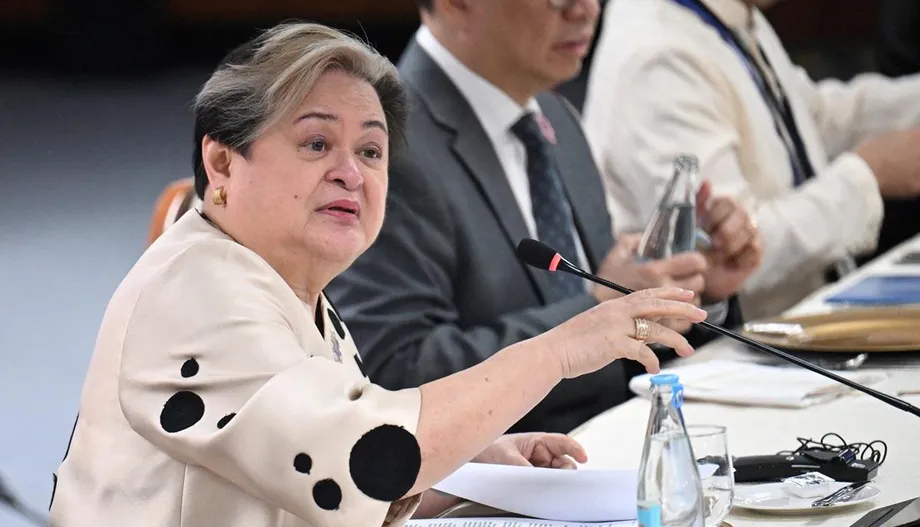
The Philippines has barred Myanmar's military leaders from the ASEAN summit in Manila on 15 to 17 November. Myanmar will instead be represented by the director of its foreign ministry's ASEAN affairs department, maintaining restrictions imposed on senior military officials in October 2021.
ASEAN's Five-Point Consensus calls for an end to violence, dialogue and a special envoy. Myanmar's military authorities formally rejected the plan in a parliamentary vote in July, although officials subsequently described their actions as implementing it according to national priorities. The summit ends two days before the ICJ judgment.
Regional engagement also involves immediate questions about return. Malaysia's October talks with Min Aung Hlaing included roughly 5,000 Myanmar citizens who had agreed to repatriation, nearly 1,500 of whom had returned by 4 October. United Nations officials and rights groups have raised concerns about the dangers facing returnees.
The broader crisis continues. United Nations figures put civilian deaths caused by government forces since the 2021 coup at at least 8,384, with more than four million people displaced. These figures concern the conflict since the coup, while the ICJ's central allegations concern earlier operations against the Rohingya.
The judgment will also attract attention in South Africa's case against Israel and other proceedings involving the Genocide Convention. Its treatment of intent, state responsibility, sexual violence and evidence could guide arguments across those cases, each of which requires assessment of its own facts.
The ICJ judgment will be final and binding on the parties. Enforcement depends on state compliance and political action: a party can seek help from the United Nations Security Council, while other governments can press for implementation through diplomacy. For the Rohingya, the decisive practical measures will concern safety, freedom of movement, property and a viable choice about returning home.
What to Know
- The ICJ will deliver judgment on 19 November 2026 at 10 a.m. in The Hague.
- The Gambia alleges genocide against the Rohingya; Myanmar denies it and cites operations against ARSA.
- The judges will assess intent, state responsibility, compliance with protective orders and requested reparations.
- Eleven countries have intervened on interpretation of the Genocide Convention.
- Arakan Army control and continuing abuses in Rakhine complicate safe return for refugees.
- Separate ICC and Argentine proceedings concern individual criminal responsibility.