Two years of food tax relief move closer
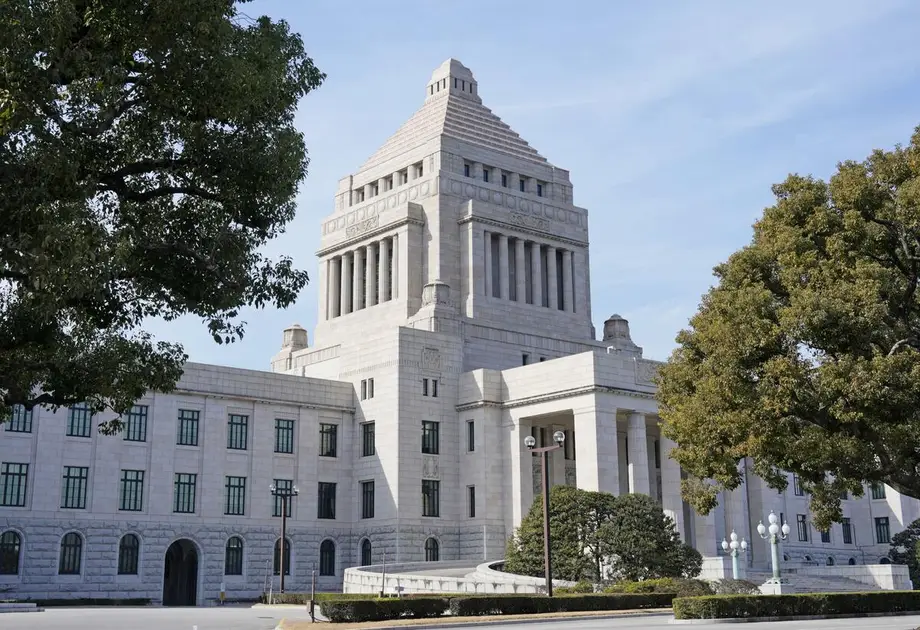
Japan's House of Representatives passed legislation on November 6, 2026, to cut the consumption tax on eligible food and beverages from 8% to 1% for two years from April 2027. The package also promises payments linked to income, but lawmakers finished the lower house debate without a clear explanation of how the government would replace about 10 trillion yen in lost tax revenue.
Contents
- Two years of food tax relief move closer
- What would change on a grocery receipt?
- Payments would start before the tax cut ends
- The difficult switch back to 8%
- A 10 trillion yen funding question
- Why opposition parties let debate continue
- Walkouts expose disagreement inside the LDP
- The next parliamentary test
- Public support comes with doubts about prices
- Key Points
Prime Minister Sanae Takaichi secured passage with support from her Liberal Democratic Party and its coalition partner, the Japan Innovation Party. Every opposition party voted against the bill. Several LDP lawmakers, including former Prime Minister Shigeru Ishiba, left the chamber before the vote rather than support it.
The bill now goes to the House of Councillors, Japan's upper house, where the coalition lacks a majority. Deliberations are scheduled to begin on Wednesday, November 11, following an agreement between the LDP and the opposition Constitutional Democratic Party of Japan. The government wants enactment before the extraordinary parliamentary session ends on December 12.
For households, the proposal offers a lower tax at supermarket checkouts followed by a more targeted support system. The political dispute concerns how much help people would actually receive, who would qualify for payments and what happens when the food tax returns to 8% in fiscal 2029.
What would change on a grocery receipt?
Food and nonalcoholic beverages currently covered by Japan's reduced 8% consumption tax rate would move to 1%. Alcoholic drinks and dining out, which fall outside that reduced rate, would remain outside the proposed cut. The standard consumption tax rate has been 10% since 2019.
A purchase costing 1,000 yen before tax illustrates the change. At 8%, the customer pays 1,080 yen. At 1%, the same purchase would cost 1,010 yen if the seller kept the price before tax unchanged. That is a saving of 70 yen, or about 6.5% of the current checkout price.
The tax rate would fall by seven percentage points, while the final bill would fall by a smaller percentage because most of the bill is the food's price before tax. Actual savings would depend on what a household buys and how retailers and suppliers adjust prices.
The proposal has advanced since the November committee debate timetable was agreed. That stage also brought scrutiny of competing plans, including a Democratic Party for the People proposal combining a resident tax cut with benefits aimed at saving workers up to 50,000 yen annually.
Payments would start before the tax cut ends
The bill pairs broad relief on food purchases with payments aimed at workers with low and middle incomes. Initial payments would begin in fiscal 2027, alongside the temporary tax reduction. Japan's fiscal year runs from April through March, so fiscal 2027 begins in April 2027.
During the first two years, the payment program would operate on a scale equivalent to revenue from a 1% consumption tax on eligible food and beverages. A fuller program is planned for fiscal 2029, when the food tax would return to 8%.
The government had previously used about 20 million workers earning between 1 million and 3.5 million yen annually as a reference group. That represented roughly 30% of the workforce. Takaichi told the lower house Financial Affairs Committee on November 6 that 30% or more of workers could qualify, leaving room for broader eligibility.
The final income thresholds, payment amounts and calculations remain undecided. Takaichi said key rules would be set by Cabinet order, meaning the Cabinet would determine those details under powers granted by the legislation rather than write every figure into the law.
Takaichi, explaining how the government would develop the payment rules, told the committee:
We will listen to a wide range of views and spell out the details as we draw up the budget toward year-end,
The difficult switch back to 8%
Workers who qualify for payments could continue receiving assistance after the temporary tax reduction expires. People above the income ceiling would lose the food tax break without receiving the same replacement support. That transition has become a central concern for opposition lawmakers.
Yuichiro Tamaki, leader of the Democratic Party for the People, warned that workers with middle incomes could face a heavier burden once the lower rate ends. Explaining his party's opposition, he said:
The lack of an adequate explanation from the ruling side about how to address the problem was the biggest reason for our opposition to the bill,
Takaichi said eligible workers would receive more through the eventual payments than they would save under the temporary tax cut. For workers earning above the ceiling, she said the increase in their net burden would be relatively small as a share of income.
The prime minister also addressed the risk of gaps between the proposed payments and existing assistance:
We will look closely at how to make sure no one is left out of both the payment program and the existing social security system,
The proposed transition makes the payment rules essential to household planning. A family can calculate the tax saving on a fixed grocery purchase, but its position after April 2029 will also depend on eligibility and the size of any payment.
A 10 trillion yen funding question
The temporary tax reduction is expected to cost about 10 trillion yen, approximately $63 billion, in lost revenue over two years. Spread evenly, that is roughly 5 trillion yen annually. The government says it will secure funding without issuing deficit financing bonds, which are government borrowing used to cover spending beyond available revenue.
Takaichi's administration has deferred the detailed explanation of where the replacement money would come from. That leaves parliament debating a specified tax reduction alongside an incomplete financing plan, at a time when Japan already faces severe pressure on its public finances.
Ishiba, Takaichi's predecessor as prime minister, told reporters that the funding source remained unclear and that the measure would "undermine fiscal discipline." He added:
Our concerns have yet to be dispelled.
The unresolved funding and payment questions were already central when the bill entered detailed food tax scrutiny in October. Lower house passage has moved the legislation forward without settling those two parts of the package.
Why opposition parties let debate continue
Opposition parties opposed the bill's passage while agreeing that scrutiny could move to the upper house. Takaichi's suggestion that the government could incorporate some opposition requests on benefits helped secure that procedural agreement.
Shinichi Isa of Komeito, who led the opposition side on the Financial Affairs Committee's board, explained why the committee would advance the bill:
The prime minister gave detailed answers,
We have decided to put the bill to votes in order to allow deliberations to proceed in the Senate.
Other opposition lawmakers remained sharply critical of leaving important rules to later decisions. Yuichi Goto of the Democratic Reform Party said:
Details of the bill have not been clarified, so this amounts to disregard for the legislature,
Several opposition parties had campaigned for reducing or abolishing consumption tax in February's lower house election. Their objections to this package focus on its financing, eligibility rules and the treatment of households after the temporary cut, rather than a shared rejection of tax relief.
Walkouts expose disagreement inside the LDP
Ishiba was joined in leaving the plenary session by LDP lawmakers Yuko Obuchi, Gen Funada and Yoshihisa Furukawa. Their abstentions exposed disagreement within the governing party despite its commanding lower house position.
Funada questioned the timing of a tax cut given the effort previous governments had spent introducing and raising consumption tax. Furukawa had argued that benefits were preferable to reducing the tax. Obuchi had also opposed the cut and stepped down from an informal leadership group within the LDP tax panel during the summer; accounts place that resignation in July and August.
Obuchi's family history adds context to her position. Her father, the late Prime Minister Keizo Obuchi, was chief Cabinet secretary when Japan introduced consumption tax at 3% in 1989. The tax has never been reduced since its introduction.
LDP Policy Research Council chair Takayuki Kobayashi expressed regret over the walkouts, while Japan Innovation Party co-leader Fumitake Fujita criticized the LDP's failure to unite its position. Government and ruling party figures called for disciplinary action, partly to discourage similar defections in the upper house, where the coalition has fewer votes.
The next parliamentary test
The LDP and Japan Innovation Party are expected to seek support from Komeito and the Democratic Party for the People in the upper house. Both parties voted against the bill in the lower chamber, making negotiations over benefits and financing central to the next stage.
The lower house can override an upper house rejection of ordinary legislation if at least two thirds of members present support passing it again. The coalition's lower house supermajority gives it that potential route, although the government is seeking passage through the upper chamber before the session closes.
The main dates in the proposal and its passage are:
- November 6, 2026: The Financial Affairs Committee approved the bill, followed by passage in the full House of Representatives.
- November 11, 2026: Upper house deliberations are scheduled to begin.
- December 12, 2026: The extraordinary parliamentary session ends, the government's target for enactment.
- April 2027: The proposed 1% food tax begins, with initial payments starting during fiscal 2027.
- Fiscal 2029: The food tax returns to 8%, alongside the planned fuller payment program.
The sequence gives lawmakers a deadline for passing the legislation and households a proposed timetable for relief. Negotiations over payment rules will also continue through the government's budget preparations toward the end of the year.
Public support comes with doubts about prices
An October Sankei-FNN poll found that 62.6% supported the food tax cut, while 52.2% expected it to do little or nothing to ease the impact of rising prices. The findings capture two concerns that can coexist: wanting a lower tax and doubting whether it will offset increases in everyday costs.
Takaichi has presented the package as breathing room for household budgets strained by rising prices. Higher energy costs, partly linked to a weak yen and conflict in the Middle East, have added to that pressure. A weaker yen makes purchases priced in foreign currencies more expensive in yen.
The choice of a 1% rate also follows an earlier practical debate. During April's retail software preparations debate, manufacturers said adapting checkout systems to a positive tax rate could take about three months, compared with approximately a year for zero. Takaichi had originally promised to remove the food tax for two years.
The bill now offers a substantial reduction rather than elimination. Its effect on families will come through two different routes: lower tax on eligible purchases and payments determined by income. The first has a specified rate and duration; the second still requires decisions that will determine how support is distributed.
Key Points
- The lower house passed a bill to reduce eligible food and beverage consumption tax from 8% to 1% for two years from April 2027.
- Payments linked to income would begin in fiscal 2027, with a fuller program planned for fiscal 2029.
- Takaichi said at least 30% of workers could qualify, but final thresholds and payment amounts remain undecided.
- The government has yet to explain how it will replace about 10 trillion yen in lost tax revenue without deficit financing bonds.
- All opposition parties voted against the bill, and several LDP lawmakers abstained by leaving the chamber.
- Upper house debate is scheduled for November 11, with the government seeking enactment by December 12.