Stock Fund Gains Become Part of Japan's Spending Plan
Japan plans to use increased payments from the Bank of Japan's profits to help finance growth and economic security projects after the central bank approved a sharp rise in sales of its stock funds. The annual sales pace will increase to about 860 billion yen at book value from January 2027, up from 330 billion yen.
Contents
- Stock Fund Gains Become Part of Japan's Spending Plan
- What the BOJ Will Sell, and How Quickly
- Why 860 Billion Yen Is Not the Government's Cash Receipt
- A Special Account and Borrowing Before Revenue Arrives
- How the Plan Fits Japan's Budget Pressures
- A Faster Exit Still Takes Decades
- Market Volatility Complicates the Revenue Picture
- The Dates That Shape the Next Stage
- Key Points
Prime Minister Sanae Takaichi outlined the financing plan on November 6, 2026, at the House of Representatives Financial Affairs Committee. The additional revenue would support her administration's Strong and Prosperous Japan investment framework, including a new special account for projects considered especially important to economic security.
The proposal connects two large tasks: reducing the central bank's holdings of assets bought during years of monetary easing, and finding money for government investment without relying too heavily on additional borrowing. Takaichi described the additional gains from ETF sales as the fruits of Japan's economic growth and argued that reinvesting them in crisis management and growth would support further expansion.
The money would reach the government through the BOJ's annual profit payments to the state. Gains from selling exchange traded funds, or ETFs, would contribute to those profits. The government also intends to use the expected revenue as backing for repayment of bridging government bonds, which would provide financing before the future revenue arrives.
What the BOJ Will Sell, and How Quickly
The BOJ unanimously approved the faster ETF sales pace on October 30. The increase to 860 billion yen a year is about 2.6 times the previous rate, an extra 530 billion yen measured at the funds' purchase cost.
An ETF is an investment fund traded on a stock exchange. A fund can hold shares in many companies, allowing an investor to buy a basket of stocks through a single investment. The BOJ accumulated these funds as part of efforts to support financial conditions and encourage economic activity.
The bank began buying ETFs in 2010, with most purchases taking place during the large monetary easing programme launched in 2013. Selling them gradually reduces the central bank's presence in Japan's stock market and turns some of its investment gains into realised income.
The central bank began selling ETFs in January 2026. An initial sale, disclosed in February, amounted to about 5.37 billion yen at book value. Its holdings were reported at roughly 37 trillion yen, illustrating how small the first transactions were beside the portfolio accumulated over many years.
Why 860 Billion Yen Is Not the Government's Cash Receipt
The BOJ's sales figures use book value, meaning the amount recorded for the assets based on their purchase cost. Market value is the amount those assets can fetch at current prices. Because Japanese share prices rose after many of the purchases, the market value of the funds being sold is much higher.
The new annual pace of 860 billion yen at book value corresponds to an estimated 2.46 trillion yen at market value. That estimate uses the relationship between market prices and book values for ETFs sold from January through September 2026.
The difference is about 1.6 trillion yen. This gives readers a sense of the gains embedded in the holdings at those valuations. Actual gains will depend on the funds sold and their prices when transactions take place.
The government's receipt comes later in the chain. Sale proceeds arrive at the central bank, gains enter its financial results, and a portion of its annual net profit is paid into state coffers. The investment framework would draw on the expected increase in those payments. Neither the 860 billion yen sales target nor the 2.46 trillion yen market estimate is the amount automatically available for new government spending.
A Special Account and Borrowing Before Revenue Arrives
Takaichi's plan would place projects of particular importance to economic security in a new special account within the broader investment framework. A special account keeps specified government revenue and spending separate from the main budget, making it possible to manage a designated group of activities together.
The financing proposal also uses bridging government bonds. In simple terms, the government would borrow first and use expected future revenue to repay that borrowing. Increased BOJ payments arising from ETF gains would provide the proposed backing for repayment.
The arrangement gives the government a way to begin investment before all the expected income has arrived. It also makes the timing of central bank profit payments relevant to the financing plan, because stock sales and public spending operate on different schedules.
Takaichi did not specify how much additional money the government expects to receive, which individual projects would qualify, or when the special account would begin operating. Those details will determine the size and timing of the spending that the proposal can support.
How the Plan Fits Japan's Budget Pressures
Takaichi's administration is seeking revenue outside taxes while preparing substantial spending commitments. Income from central bank profits would give the government another funding source alongside taxation and borrowing, although its value depends partly on financial market conditions.
The proposal follows the government's October budget financing challenge, when it was trying to keep new bond issuance near 40 trillion yen while finding money for a proposed food tax cut, strategic industries and a larger defence budget.
Japan's benchmark government bond yield had risen from around 1.6% when the administration began to 3.115% in late September 2026. Bond yields reflect the return investors demand to lend to the state. Higher yields can make new borrowing more expensive, adding pressure to identify revenue that can cover spending or repay debt.
The ETF proposal addresses that pressure through a specific asset already held by the central bank. Its fiscal value will depend on how much profit reaches the treasury and how the government matches that income with commitments under the investment framework.
A Faster Exit Still Takes Decades
The BOJ's increased sales rate would still leave a long unwinding process. Using holdings at the end of September 2026, the new pace implies about 43 years to dispose of the portfolio, compared with about 112 years at the previous rate. The calculation assumes the holdings and sales pace used in the estimate.
The new rate would therefore shorten the estimated period by roughly 69 years. Even after that acceleration, the central bank would remain a seller over decades rather than attempt a rapid disposal of its stock funds.
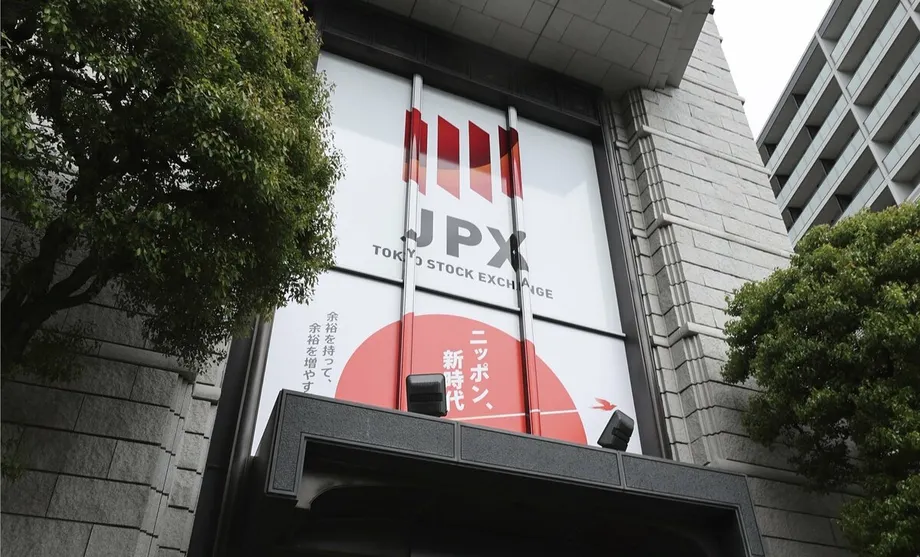
The estimated market value of annual sales, 2.46 trillion yen, is about 0.1% of trading value on the Tokyo Stock Exchange Prime Market, using activity from January through September 2026. That comparison explains why a large annual yen amount can represent a small share of transactions across Japan's main stock market.
Sales had proceeded smoothly as stock trading expanded. The trustee conducting the transactions may adjust the pace temporarily or suspend sales when financial market conditions change. That flexibility matters for the government too, because interruptions could alter when gains contribute to BOJ profits.
Market Volatility Complicates the Revenue Picture
Takaichi's parliamentary remarks came amid a global market selloff following the United States midterm elections. She said the government was watching developments carefully as greater volatility affected economies around the world.
The prime minister acknowledged sharp falls in shares associated with artificial intelligence and semiconductors. She said the government would focus on building a strong economy, including by strengthening industries in which Japan has a competitive advantage.
Falling stock prices matter directly to the proposed funding mechanism. A fund sold at a lower market price produces less cash and a smaller gain than the same fund sold at a higher price, assuming the same purchase cost. The BOJ's ability to adjust sales adds another reason for government receipts to vary over time.
The October 30 meeting also kept the BOJ's overnight interest rate guideline around 1.25%, in an 8 to 1 vote, while annual sales of Japanese real estate investment trusts remained around 5 billion yen at book value. The bank increased the pace of ETF disposals while leaving those two settings unchanged.
The Dates That Shape the Next Stage
The ETF programme has moved from small initial disposals to an approved increase that begins next year. The main dates show how the monetary policy decision became part of the government's fiscal plans:
- January 2026: The BOJ began selling ETFs accumulated during its monetary easing programmes.
- February 3, 2026: The start of sales became public, with an initial disposal of about 5.37 billion yen at book value.
- October 30, 2026: The BOJ unanimously approved increasing annual ETF sales from about 330 billion yen to 860 billion yen at book value.
- November 6, 2026: Takaichi told the lower house Financial Affairs Committee that increased treasury payments would support the investment framework and back repayment of bridging bonds.
- January 2027: The higher annual sales pace is scheduled to begin.
The government's next major fiscal decisions come toward the end of 2026, as it prepares the budget for the financial year beginning in April 2027 and a defence spending plan covering five years. Those preparations will bring the proposed revenue source into the same budgeting process as its other spending priorities.
The central task is matching investment commitments with income that will arrive through annual BOJ profits. Faster ETF sales provide a larger potential stream of gains, while the special account and bridging bonds would organise how the government spends and borrows against that expected revenue.
Key Points
- Takaichi wants increased BOJ profit payments to support the Strong and Prosperous Japan investment framework.
- A new special account would manage projects considered especially important to economic security.
- Expected revenue would back repayment of bridging government bonds.
- Annual ETF sales will rise to 860 billion yen at book value from January 2027, about 2.6 times the previous pace.
- The market value of those annual sales is estimated at 2.46 trillion yen; government receipts depend on the BOJ's annual net profit payments.
- The faster pace implies about 43 years to clear the holdings used in the calculation, with sales adjustable as market conditions change.