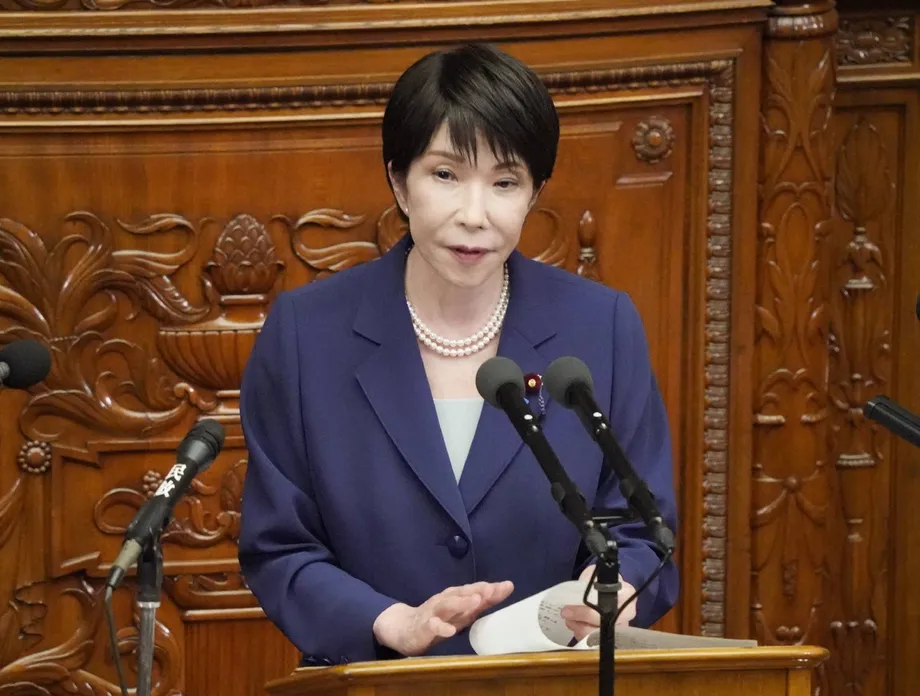
Food tax relief heads for detailed scrutiny
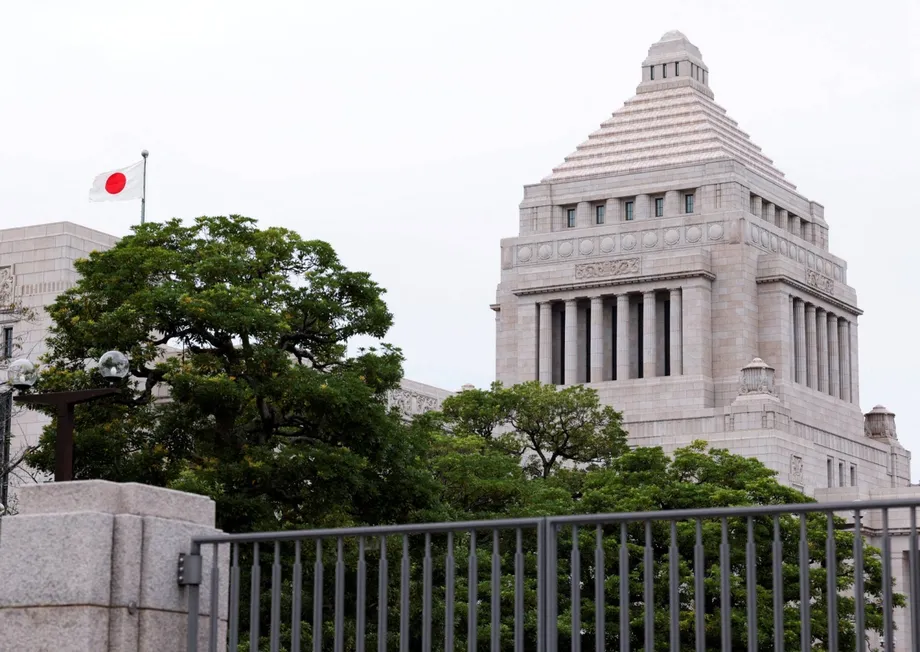
Japan's House of Representatives Financial Affairs Committee will begin deliberations on November 4 on legislation to cut the consumption tax on food from 8% to 1% for two years. The proposal would take effect in April 2027 and form part of a broader package that includes support payments to workers based on their income.
Contents
- Food tax relief heads for detailed scrutiny
- What would change at the checkout?
- How much could households save?
- Who would receive the support payments?
- Why opposition parties want Takaichi to attend
- Four alternatives to the government package
- Where would 5 trillion yen come from?
- Why the return to 8% matters
- The timetable and the search for agreement
- Key Points
Ruling and opposition parties reconfirmed the timetable at a meeting of the committee's steering body on the morning of October 30. They also agreed to begin examining a counterproposal from the Democratic Party for the People, which seeks a resident tax cut and cash benefits aimed at saving workers up to 50,000 yen annually.
The debate will test whether Prime Minister Sanae Takaichi can secure support for temporary relief at supermarket checkouts while answering questions about who receives additional assistance, how businesses will set prices and how the government will cover an estimated annual cost of about 5 trillion yen.
Opposition parties are offering several alternatives, including payments of about 80,000 yen per person over two years, immediate assistance for households with low incomes and a payment of 40,000 yen to every citizen. Their differences concern both how much help people receive and how quickly it reaches them.
What would change at the checkout?
The government's bill would reduce the food consumption tax by seven percentage points, from 8% to 1%. After two years, the rate would return to 8%. Takaichi has described the temporary reduction as a bridge until the income based support payment program is fully introduced.
A simple example shows how the tax change could affect a purchase. Food priced at 1,000 yen before tax currently costs 1,080 yen after the 8% tax. At a 1% rate, the same purchase would cost 1,010 yen, assuming the business keeps its price before tax unchanged. The saving would be 70 yen, or about 6.5% of the current checkout price.
The reduction in a household's actual spending would depend on what it buys and how sellers adjust their prices. A household spending more on eligible food would receive a larger saving in yen under the same pricing assumptions.
Takaichi has said food and beverage costs have become a particular burden for people with low incomes. Her government argues that reducing the tax would provide relief as prices continue to rise.
How much could households save?
Takaichi has put the expected reduction in household burdens at around 36,000 yen per person. That is a government estimate, while the price of any particular shopping basket would depend on both the tax rate and commercial decisions by food producers and retailers.
The prime minister acknowledged uncertainty about prices when explaining the proposal:
Retail prices can change due to various factors, and it is difficult to provide a firm outlook. The burden on households is expected to be reduced by around 36,000 yen per person.
Yuichi Goto, a representative of the Democratic Reform Party, has challenged the assumption that a lower tax will translate into lower prices. He argued that businesses have not fully passed higher raw material costs on to customers, leaving pressure for further price increases.
Goto described his concern about what consumers would see at the checkout:
tax-included prices are unlikely to fall
The practical issue for households is the final price. A tax reduction can lower the tax component of a purchase while rising production, transport or ingredient costs push the underlying price higher. The committee debate will give lawmakers an opportunity to examine the government's assumptions about those competing pressures.
Who would receive the support payments?
The bill combines the temporary food tax reduction with payments to workers based on income. Eligibility criteria and payment amounts would be set through a government ordinance, and a task force within the Cabinet would arrange the benefit program.
An ordinance allows the government to spell out rules under a law passed by parliament. Here, the decision to leave eligibility and amounts to that process has become a central issue because lawmakers want to assess the package before voting on it.
On October 28, the government presented materials to the Financial Affairs Committee's steering body outlining its thinking on payment recipients and amounts. The presentation followed opposition requests for a clearer explanation of the proposed support.
Komeito representative Isa Shinichi has called for clarity on who would receive the benefits, how much they would receive and how the payments would be funded. Final eligibility thresholds, payment amounts, a complete funding breakdown and whether Takaichi will attend the detailed committee deliberations have not been confirmed in the announced arrangements.
Why opposition parties want Takaichi to attend
Opposition officials want Takaichi to explain the legislation personally during the Financial Affairs Committee's examination. Their demands focus on the benefit program's design and the economic effects of cutting the food tax temporarily.
Yasuhiro Nakagawa, a Komeito representative, said the lack of numerical detail prevented his party from moving toward a vote:
It's unprecedented that a bill to establish a new system lacks specific figures,
Nakagawa set out the condition he wanted met before a decision:
We can't hold a vote unless details are clarified.
Motohisa Furukawa, a representative of the Democratic Party for the People, also called for the prime minister to attend the committee. He said the legislation left important matters unspecified and that his party wanted to question the government during Diet deliberations. The Diet is Japan's national parliament.
Hideki Murai, a representative of the ruling Liberal Democratic Party, said the government was explaining its approach through measures including examples from other countries. He also said the party took the request for Takaichi's attendance seriously.
Four alternatives to the government package
The Democratic Party for the People's counterproposal will be considered alongside the food tax legislation. It combines a resident tax cut with cash benefits and aims to save workers up to 50,000 yen a year each. Resident tax is a local tax, so this approach directs relief through a different part of the tax system from the government's proposal.
Komeito has proposed payments of about 80,000 yen per person over two years instead of reducing the food tax. Spread evenly across that period, the proposed amount would average 40,000 yen a year, although the payment schedule would determine when recipients actually received the money.
The Constitutional Democratic Party of Japan wants cash assistance during the current fiscal year for households with low incomes that are exempt from resident tax. Its proposal focuses on a group already identified through the tax system and seeks help sooner than the planned April 2027 start of the food tax reduction.
The Democratic Reform Party has proposed promptly paying 40,000 yen to each citizen. That would provide the same stated amount per citizen, while the government's food tax reduction would produce savings linked to spending on eligible purchases.
The proposals have different recipients and time periods. The Democratic Party for the People targets workers, the Constitutional Democratic Party of Japan focuses on households exempt from resident tax, and the other two cash proposals describe payments per person or citizen. Those choices would shape which families receive the most support.
Where would 5 trillion yen come from?
The government estimates that the food tax reduction and associated assistance would cost about 5 trillion yen annually. It says it intends to secure the money without using deficit covering bonds, which are government borrowing used to finance a gap between spending and revenue.
Its proposed search for funding includes reviews of subsidies, special tax measures, income other than taxes, spending and revenue. Special tax measures are rules that give particular activities or taxpayers different treatment, such as a tax reduction or exemption.
The government plans to develop the details during budget compilation toward the end of the year. Lawmakers are therefore being asked to examine a relief package while the work of identifying its financial backing continues.
For households, the source of funding matters alongside the size of the benefit. Changes to subsidies, tax preferences or other spending can affect different groups in different ways. The budget process will show which programs or revenue sources the government proposes to use.
Why the return to 8% matters
The proposed tax reduction has a defined lifespan of two years. A return from 1% to 8% would raise the tax component of eligible food purchases just as the temporary relief ends.
Using the same example of food priced at 1,000 yen before tax, the checkout cost would rise from 1,010 yen to 1,080 yen if the underlying price stayed unchanged. That is an increase of 70 yen, or about 6.9% from the lower price.
Nakagawa has raised concerns about the effects of the temporary measure on agriculture, restaurants and households when the rate returns to 8%. His objections bring the end of the tax cut into the debate alongside its launch.
Takaichi's proposed bridge to the support payment program makes the timing of that program important. Households would experience the end of a broadly applied food tax reduction differently depending on whether they qualify for the replacement assistance and how much they receive.
The timetable and the search for agreement
The Cabinet has approved the bill and submitted it to the Diet. The ruling parties want to pass it during the current parliamentary session with opposition support. The next scheduled step is the committee examination beginning November 4.
The main dated steps and deadlines are:
- October 28: The government presented materials on its thinking about support payment eligibility and amounts to the committee's steering body.
- October 30: Ruling and opposition parties reconfirmed that deliberations would begin November 4 and include the Democratic Party for the People's counterproposal.
- November 4: The Financial Affairs Committee is scheduled to begin examining the legislation.
- Toward the end of the year: The government plans to develop funding details during budget compilation.
- April 2027: The proposed two year reduction in the food consumption tax would begin.
The Liberal Democratic Party and its coalition partner, the Japan Innovation Party, are seeking agreement on measures against rising prices. Japan Innovation Party representative Takashi Endo has called for concessions to create a system that gives people a sense of security.
The committee's immediate task is to compare a temporary reduction in food taxes with competing approaches to cash assistance and tax relief. The decisions will determine when help arrives, which households receive it and how the cost enters the national budget.
Key Points
- Detailed committee deliberations are scheduled to begin November 4.
- The government proposes cutting the food consumption tax from 8% to 1% for two years starting April 2027.
- The package includes support payments to workers based on income, with eligibility and amounts to be set by ordinance.
- The government estimates an annual cost of about 5 trillion yen and plans to develop funding details during budget compilation.
- The Democratic Party for the People's counterproposal seeks a resident tax cut and cash benefits aimed at saving workers up to 50,000 yen annually.
- Opposition parties want clearer benefit rules, an explanation of likely price effects and direct answers from Prime Minister Sanae Takaichi.