Security Checks Would Come Before Land Changes Hands
Japan's government submitted a bill to parliament on October 23, 2026, that would require advance approval for land acquisitions and ownership transfers in designated areas near sensitive facilities and on uninhabited remote border islands. Transactions completed without permission would be invalid, and violations could bring up to three years in prison or a fine of up to 3 million yen, about $19,000.
Contents
- Security Checks Would Come Before Land Changes Hands
- Why the Government Is Focusing on Drones
- Which Areas Would Need Approval?
- Who Would Face Ownership Restrictions?
- How the Existing Law Works
- What Happens to an Unapproved Deal?
- Companies Could Be Required to Sell
- Inspections Would Support Enforcement
- Purchase Data and the Legislative Timeline
- Key Points
Prime Minister Sanae Takaichi's Cabinet approved the proposal before submitting it. Her administration wants parliament to pass it during the current session, which runs through mid-December. The bill would generally prohibit transfers to foreign governments and military personnel, with restrictions also covering companies effectively controlled by them and people required to assist foreign governments with intelligence gathering.
The proposal would change how Japan manages land around important security sites. The existing system investigates property use, requires transaction notifications in specially monitored areas and allows action against activities that obstruct sensitive facilities. The bill would add a government permission requirement before ownership could change in the proposed restricted zones.
Why the Government Is Focusing on Drones
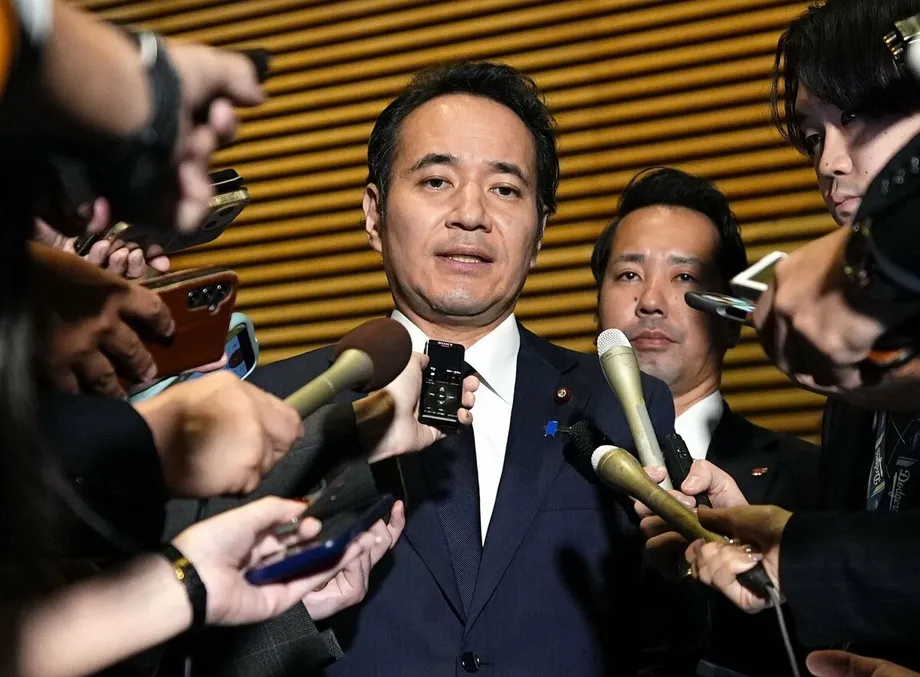
Chief Cabinet Secretary Minoru Kihara linked the proposal to developments in warfare during Russia's invasion of Ukraine. At a regular press conference in Tokyo, he described the government's concern about equipment being concealed close to potential targets:
Amid new forms of warfare seen in Russia's invasion of Ukraine, there is a growing risk that land and other property near important facilities could be used as bases for attacks on the facilities using unmanned assets secretly stockpiled there,
The government's concern is about the use of nearby property as a place to store equipment and prepare attacks. A drone is an aircraft operated without a pilot aboard. In this proposal, proximity matters because land near a sensitive facility could provide a location from which unmanned equipment could be deployed.
Self-Defense Forces bases are among the facilities identified as potentially vulnerable. The proposed restrictions would connect ownership checks with the government's existing powers to investigate activities around those sites.
Which Areas Would Need Approval?
The bill would designate restricted zones on uninhabited remote border islands and within about one kilometer of important facilities at risk from drone attacks. Acquisitions and transfers of ownership within those zones would require government permission in advance.
Japan already uses a similar distance in its land monitoring framework. The Cabinet Office's land regulation overview explains that monitored zones can cover areas within roughly 1,000 meters of important facilities, including defense facilities, as well as areas on remote territorial islands.
The existing framework also provides for specially monitored zones. These apply where a facility or island has a particularly important function, or where that function is easy to obstruct and difficult to replace elsewhere. The proposed restricted zones would introduce an additional ownership approval process focused on the security risks described by the government.
Who Would Face Ownership Restrictions?
Foreign governments and military personnel would generally be prohibited from receiving land ownership in the restricted zones. The proposal would also cover corporations effectively controlled by those groups, extending scrutiny beyond the name formally listed as the purchaser.
Corporate control matters because a company can hold legal ownership while another organisation directs its decisions. Under the proposed approach, the government would examine whether a foreign government or military party effectively controls a company seeking to acquire land.
Individuals obligated to cooperate with foreign governments in intelligence gathering would also face restrictions. The categories described by the government focus on state connections, military status, effective corporate control and intelligence obligations. Foreign nationality alone is broader than the listed grounds for generally prohibiting a transfer.
For sellers, the permission requirement would become a necessary part of completing a transaction in a restricted zone. For prospective buyers, eligibility would depend on whether they fall within the prohibited categories and whether the government grants approval.
How the Existing Law Works
The legislation being amended is the Act on the Review and Regulation of the Use of Real Estate Surrounding Important Facilities and on Remote Territorial Islands, Act No. 84 of 2021. It was promulgated on June 23, 2021, and fully entered into force on September 20, 2022.
The Cabinet Office describes an existing system built around identifying sensitive areas, investigating how land and buildings are used, and responding when their use obstructs the functions of important facilities or islands. Parties entering contracts to transfer or establish ownership and other covered rights in specially monitored zones must submit notifications.
A notification tells the authorities about a transaction. Prior approval makes government permission a condition for proceeding. The proposed amendment would add that stronger requirement in the restricted zones, alongside controls on who may acquire ownership.
The Cabinet Office's English legislation page provides links to the act, its enforcement order and its enforcement regulation. These documents form the legal framework that the new bill would amend.
What Happens to an Unapproved Deal?
A land transaction carried out without the required permission would be invalid under the proposal. Applications to register the real estate would also be rejected. Registration is the formal process used to record property ownership and related rights.
Those measures would affect the transaction itself as well as expose violators to punishment. The maximum criminal penalty described in the proposal is three years in prison or a fine of 3 million yen. The government would therefore have tools both to stop an ownership transfer from taking legal effect and to penalise a breach.
For people buying or selling property within a restricted zone, approval would need to be addressed before completing the deal. The consequence of proceeding without it would reach beyond an administrative filing problem: the transfer itself would be invalid.
Companies Could Be Required to Sell
A company could become ineligible to own land after acquiring it, including through a merger or another corporate change. The proposal would require such a company to transfer the property to a third party within one year.
If the company failed to transfer the land within that period, the government could ask a court to order its sale by auction. The court would therefore have a role in the process when a company did not comply with the transfer requirement.
This provision would keep ownership restrictions relevant after the original purchase. A merger can change who controls a company even while the same company remains the registered owner of its property. Businesses holding land in restricted zones would need to consider how later changes in corporate control affect their eligibility to retain it.
Inspections Would Support Enforcement
Cabinet Office officials would gain a system for conducting inspections at the property itself. Police could also inspect when necessary. If police detected activities obstructing the functions of designated facilities, they could recommend that the prime minister seek corrective measures.
The existing law already allows recommendations and orders requiring property users to take necessary action when land or buildings are used to obstruct important facilities or remote territorial islands. The bill would add inspection powers to support enforcement.
Ownership screening and property inspections would address different stages of the government's concern. Approval would govern who can acquire the land, while inspections would help authorities examine what is happening there. Both would operate around the designated facilities and islands covered by the rules.
Purchase Data and the Legislative Timeline
A government study found that foreign individuals or entities purchased 3,498 properties around critical security facilities and remote islands in fiscal 2024. Nearly half of those purchases were attributed to buyers from China. The Cabinet Office publishes acquisition information for fiscal 2023 and fiscal 2024 as part of its administration of the existing law.
The figure counts properties rather than distinct purchasers or the area of land acquired. Its relevance to the proposal is the scale of transactions in places already subject to security attention. The proposed approval rules would assess acquisitions using the designated zones and the buyer categories set out in the bill.
Japan's land security framework has developed over several years:
- July 17, 2020: A Cabinet decision called for information gathering on land ownership and consideration of measures addressing security concerns.
- June 23, 2021: Act No. 84 of 2021 was promulgated.
- September 20, 2022: The existing law fully entered into force.
- Fiscal 2024: A government study recorded 3,498 property purchases by foreign individuals or entities around sensitive facilities and remote islands.
- October 23, 2026: The Cabinet approved the amendment bill and the government submitted it to parliament.
- Mid-December 2026: The current parliamentary session is scheduled to end, setting the government's target window for passage.
The bill still requires parliamentary approval. An implementation date for the proposed changes has not been announced. Until legislation takes effect, the existing framework of monitoring, notifications and action against obstructive use remains the basis for regulating these areas.
Key Points
- Japan proposes advance approval for land acquisitions and ownership transfers in designated sensitive zones.
- The zones would cover uninhabited remote border islands and areas within about one kilometer of important facilities vulnerable to drone attacks.
- Foreign governments, military personnel and specified connected buyers would generally be prohibited from acquiring ownership.
- Unapproved transactions would be invalid, with violations punishable by up to three years in prison or a fine of 3 million yen.
- Companies becoming ineligible after a merger or another event would have one year to transfer the land before the government could seek a court ordered auction.
- The administration seeks passage during the parliamentary session ending in mid-December.