Unanimous Vote Creates a New Route to Punish Persistent Abuse
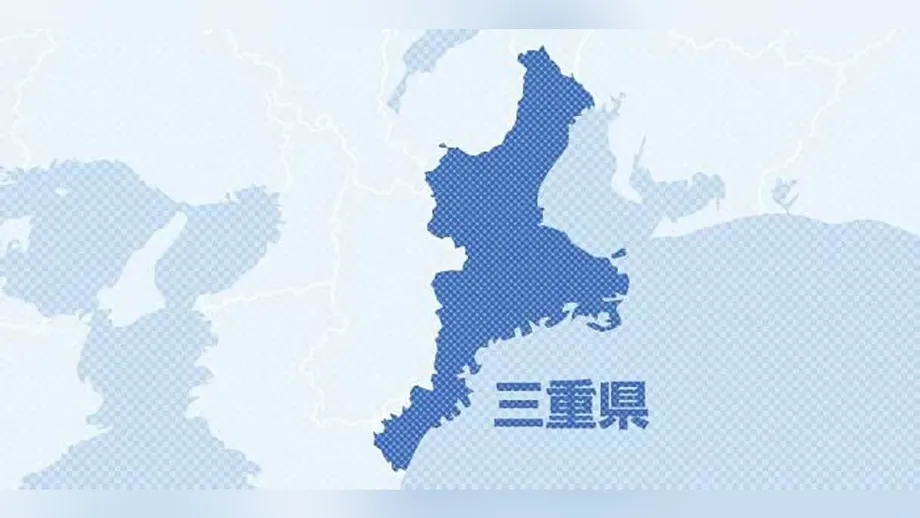
Japan's Mie Prefectural Assembly unanimously approved the country's first customer harassment prevention ordinance with penalties on October 16. Taking effect on April 1, 2027, it will allow action against people who persist in serious abuse of workers after the governor orders them to stop, with a maximum fine of 500,000 yen.
Contents
- Unanimous Vote Creates a New Route to Punish Persistent Abuse
- What Behavior Falls Within the Ordinance?
- How a Complaint Can Reach a Court
- Protecting Workers While Keeping Complaints Open
- Who Will Be Covered Across Mie?
- How Mie Differs From Other Prefectures
- From Discussions in 2024 to Enforcement in 2027
- Key Points
The ordinance covers businesses and public institutions across Mie, including private companies, sole proprietors, local governments and schools. It addresses unreasonable behavior by customers and business partners, extending protection beyond the shop counters and service desks most commonly associated with customer complaints.
The central feature is a sequence of decisions: an organization requests action, an expert panel investigates, the governor considers a prohibition order, and a violation can lead to a criminal complaint. A court must find the person guilty before a criminal penalty is imposed.
Governor Katsuyuki Ichimi said the penalties would have a strong deterrent effect and expressed hope that customer harassment would decline in the prefecture. Assembly members also raised concerns about how officials would distinguish abusive demands from legitimate complaints, making the details of enforcement especially important.
What Behavior Falls Within the Ordinance?
Mie defines customer harassment as seriously troublesome conduct that goes beyond what society generally considers reasonable and harms a worker's working environment. In simple terms, the focus is on behavior that crosses an acceptable boundary and makes it difficult for someone to do their job.
Separately, Mie's official prevention page, dated October 8, 2026, sets out the definition under the amended national Labor Measures Comprehensive Promotion Act. It covers workplace conduct by customers, business partners, facility users or others connected to an employer's business that exceeds socially acceptable limits in light of the nature of the employee's work and other circumstances, and harms that employee's working environment. The page links to a final draft of the prefectural ordinance, but the supplied material does not reproduce its provisions on definitions, procedures or penalties.
The ordinance identifies a particularly serious category called specified customer harassment. This includes prolonged or repeated demands for money, goods, apologies, meetings or responses that are extremely difficult to provide, accompanied by conduct such as shouting or persistent repetition.
Repeatedly following workers for long periods is also among the behavior described. The wider range of harassment addressed includes shouting that causes substantial distress, false allegations, sexually inappropriate behavior and stalking.
Duration, repetition, the nature of the demand and the way a person behaves all matter to the assessment. A demand for an apology, for example, becomes part of the serious category when it is pursued without legitimate reason through the prolonged or abusive conduct covered by the ordinance.
The special category targets serious cases that can be difficult to address through existing laws, including the Penal Code. It gives the prefecture a process for examining a pattern of conduct and ordering it to stop before pursuing penalties for disobedience.
How a Complaint Can Reach a Court
A business operator or other covered organization must first submit a request to the prefectural government claiming that harassment has occurred. The process therefore begins with a formal request from the organization affected, followed by an examination of the conduct.
An expert body, the Customer Harassment Prevention Measures Review Panel, will investigate. It may request evidence such as video footage or audio recordings to help establish what happened and assess whether the behavior falls within the ordinance.
The governor will consider the panel's findings and opinions when deciding whether to issue a prohibition order. That order is the formal instruction requiring the person to stop the specified conduct.
If the person disobeys, the prefectural government can file a criminal complaint with investigative authorities. The case can then proceed through the criminal justice process, with a court deciding guilt and any punishment.
The possible penalties are a fine of up to 500,000 yen, penal detention or a petty fine. The maximum fine is a ceiling, while detention and a petty fine are alternative forms of criminal punishment listed in the ordinance. The governor issues the prohibition order; the court imposes a criminal penalty following a conviction.
Protecting Workers While Keeping Complaints Open
Some assembly members questioned how enforcement would separate unreasonable behavior from a customer's legitimate claim. That concern goes to the heart of the measure: workers need protection from abuse, while customers need to be able to raise genuine problems with services, products or decisions.
Mie plans to publish guidelines containing specific examples of prohibited conduct. Those examples will be important for employees deciding when to seek help, managers considering a formal request and customers trying to understand the limits on their behavior.
The ordinance's definition gives officials several elements to examine, including whether conduct exceeds socially accepted limits and whether it harms the working environment. The more serious category adds attention to demands, persistence and the manner in which the person approaches workers.
The expert review and the governor's decision place an assessment between an organization's allegation and a prohibition order. Video and audio evidence may help the panel examine the words used, the length of an encounter and whether conduct continued repeatedly.
The detailed examples in the planned guidelines have not yet been published in the information announced about the measure. Their release will help explain how the legal wording will be applied in everyday encounters before enforcement begins.
Who Will Be Covered Across Mie?
Private employers, people running businesses on their own, local governments and schools all fall within the ordinance's scope. Its reach reflects the fact that unreasonable demands can arise wherever workers deal with people seeking goods, services or a response from an institution.
Business partners are covered alongside customers. That extends the measure to dealings between organizations, where a worker may face persistent demands from someone connected to a commercial relationship rather than a member of the public making a purchase.
For workers, the practical change is a route through their organization to a prefectural investigation and, in serious cases, an order to stop the behavior. For employers and institutions, making a formal request becomes the entry point to that process.
The measure comes amid cases in Japan of workers leaving their jobs or becoming ill after excessive and unreasonable customer behavior. Mie's approach seeks to interrupt persistent abuse through an enforceable order, with criminal consequences available when that order is ignored.
How Mie Differs From Other Prefectures
Hokkaido, Gunma, Tokyo and Aichi have also enacted ordinances addressing customer harassment, but those measures do not include penalties. Mie's first for Japan is the addition of punishment within a customer harassment prevention ordinance.
The difference is concrete: in Mie, continuing prohibited conduct after a governor's order can lead to a criminal complaint and a court imposed penalty. The ordinance connects prevention measures to an enforcement process involving the prefecture, an expert panel, investigative authorities and the courts.
Ichimi's expectation of a deterrent effect rests on that added consequence. A person ordered to stop would face the possibility of punishment for continuing, while organizations would have a defined procedure for seeking prefectural intervention.
The unanimous vote shows that every assembly member voting supported passage. The concerns raised during deliberations still leave the prefecture with a practical task before April: explaining the boundary between forceful but legitimate complaints and the abusive conduct the ordinance addresses.
From Discussions in 2024 to Enforcement in 2027
Mie began discussing the ordinance in a study panel in 2024 after requests from labor organizations and other groups. The assembly's approval now moves the prefecture from developing the proposal to preparing for its operation.
The prefecture's official page lists materials and summaries for three Customer Harassment Prevention Study Roundtable meetings, held on August 19 and November 5, 2024, and February 7, 2025. It also records a survey conducted from May to July 2024 to establish local conditions and inform prevention measures. A further questionnaire, conducted from March to April 2025, drew on that survey and the roundtable discussions, classifying potential harm from harassment to help consider effective measures. The prefecture also established an internal Customer Harassment Prevention Promotion Headquarters to assess local conditions and consider prevention measures. These entries describe policy development, rather than the enforcement review panel's evidence-gathering procedures or assessment criteria.
The main stages are:
- 2024: Mie began study panel discussions following requests from labor organizations and other groups.
- October 16, 2026: The prefectural assembly unanimously passed the ordinance, including penalties for violations of prohibition orders.
- Before enforcement: The prefecture plans to prepare guidelines with specific examples of prohibited conduct.
- April 1, 2027: The ordinance takes effect.
The preparation period gives Mie time to explain both the conduct covered and the steps required to seek action. Workers and managers will need to understand the request process, while the public will need clear examples of how the rules apply.
The measure's central promise is straightforward: serious, persistent abuse can trigger an official order to stop, and ignoring that order can carry criminal consequences. Its implementation will depend on careful investigation and decisions that apply the ordinance's definitions to the facts of each case.
Key Points
- Mie unanimously passed Japan's first customer harassment prevention ordinance with penalties on October 16.
- The ordinance takes effect on April 1, 2027, and covers private businesses, sole proprietors, local governments and schools.
- Serious conduct includes prolonged or repeated unreasonable demands, abusive shouting and persistent following of workers.
- An organization must request action, an expert panel investigates, and the governor decides whether to issue a prohibition order.
- Violating an order can lead to a criminal complaint and, following conviction, a fine of up to 500,000 yen, detention or a petty fine.
- Mie plans guidelines with specific examples as it prepares to distinguish harassment from legitimate complaints.