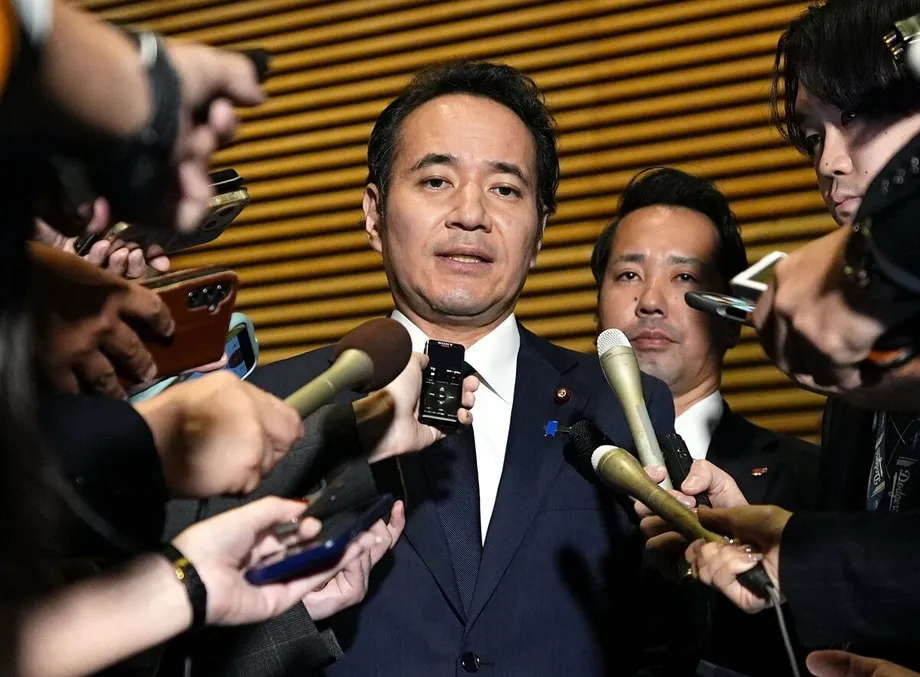
October 14 resignation puts Takaichi under pressure
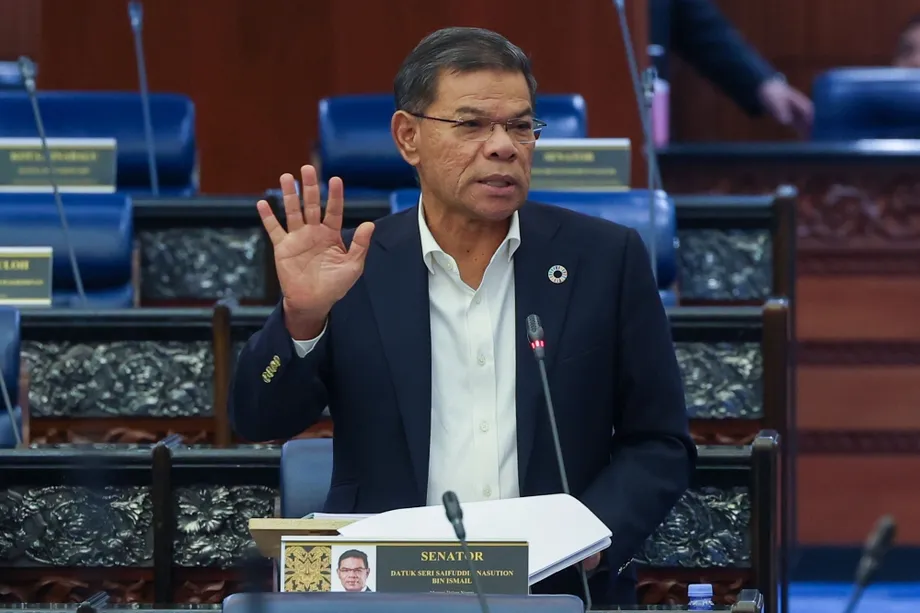
Japan's Agriculture, Forestry and Fisheries Minister Kazuo Yana resigned on October 14, 2026, after controversies over road funding remarks and free bus rides for election supporters threatened to disrupt parliamentary debate. Prime Minister Sanae Takaichi accepted his resignation following an evening meeting at the Prime Minister's Office in Tokyo and said she would announce his successor on Thursday, October 15.
Contents
- October 14 resignation puts Takaichi under pressure
- Why Yana said he was stepping down
- What happened with the road budgets?
- Free bus rides become a separate legal issue
- How Yana's explanation changed in Parliament
- Opposition parties coordinated a censure motion
- The controversy was already occupying ministry staff
- A Cabinet ally leaves during the food tax debate
- How the pressure built
- Key Points
Yana's departure came less than a month after his appointment in Takaichi's September 17 Cabinet reshuffle. He became the first minister to leave since that reshuffle and the first Cabinet member to resign over a scandal since Takaichi's administration began in October the previous year.
The immediate pressure involved two issues: remarks linking cuts in road budgets for two municipalities to their mayors' support for his election rival, and allegations that his campaign provided supporters with free shuttle buses. His explanation of whether election officials had approved the bus arrangement changed during parliamentary questioning.
Yana, a member of the ruling Liberal Democratic Party serving his sixth term in the House of Representatives, was a close agricultural policy ally of Takaichi. His exit leaves her government replacing a minister while lawmakers debate a proposed reduction in the consumption tax on food from 8% to 1%.
Why Yana said he was stepping down
Yana presented his resignation as a way to prevent the controversy from further interrupting government business. Speaking to reporters after meeting Takaichi, the departing agriculture minister explained his decision:
I can no longer afford to disrupt parliamentary deliberations and agricultural administration.
Takaichi also linked her acceptance of the resignation to the effect on Parliament, known in Japan as the Diet, and the ministry's work. The prime minister told reporters:
I could not overlook a situation in which Diet deliberations, as well as agricultural administration, continued to be affected.
Takaichi acknowledged responsibility for appointing Yana. She said accepting his resignation would allow the government to concentrate on key policies during the extraordinary Diet session underway.
Yana had previously resisted demands to leave. He had withdrawn and apologized for his road funding remarks while maintaining that he had not pressured the land ministry to reduce municipal budgets. His resignation followed a further escalation in opposition pressure over the election bus allegations.
What happened with the road budgets?
Yana came under scrutiny in late September over remarks he made to supporters in May. He had reportedly said road budgets were drastically reduced for two municipalities whose mayors backed his rival in the February 8 House of Representatives election.
The remarks suggested a connection between local leaders' political choices and the money their communities received for roads. Public road budgets pay for services used by residents regardless of which candidate their mayor supports, making the suggestion of political punishment a central concern.
Yana largely acknowledged making the remarks, then retracted them and apologized. He denied asking the Ministry of Land, Infrastructure, Transport and Tourism to cut the budgets and denied wrongdoing.
Political analyst Atsuo Ito criticized Yana's inquiries to the transport ministry about the two municipalities' road budgets, describing them as pressure on the ministry. Ito argued that using budget reductions to settle personal political grievances would undermine democratic government. He also called for a fuller explanation rather than treating the minister's departure as the end of the matter.
Political commentator Harumi Arima said Takaichi should have dismissed Yana when the budget remarks emerged. His criticism focused on a minister's duty to distribute public funds fairly.
Free bus rides become a separate legal issue
Yana's campaign also allegedly provided free shuttle bus transportation for supporters in Tochigi Prefecture, north of Tokyo. The allegations included the February election campaign and campaigns for earlier elections to the House of Representatives.
The legal concern centers on the Public Offices Election Act, which regulates election campaigns. Providing transport without charge can raise the question of whether a campaign has given voters a prohibited benefit. The issue therefore extends beyond how a campaign records its spending.
Tochigi electoral management committee officials said on October 13 that they had received no inquiry from Yana's campaign about the arrangement. They said that, had they been asked, they would have warned that such a free bus service would violate election law.
Political scientist Hoshinobu Iwai, who specializes in election law, considered the alleged arrangement likely to be illegal, pointing to similar cases in collections of legal precedents. His assessment added to the pressure for an explanation of how the campaign organized the transport.
No legal determination was announced alongside the resignation. Takaichi said the relevant authorities would have to judge the legality of the bus arrangement and that she could not give a definite answer herself.
How Yana's explanation changed in Parliament
Yana initially gave lawmakers an assurance that his campaign had checked the legality of the buses. At a House of Representatives session on October 13, he said there had been "no provision of benefits or donations" and that the matter had been handled "appropriately in accordance with the law."
His explanation that day was that staff had confirmed with local election authorities that the arrangement was lawful before organizing the buses. That account came into conflict with the Tochigi officials' statement that they had received no inquiry.
On October 14, Yana gave a narrower explanation. He said staff might have asked about "how to count" the bus expenses in campaign finance records, retreating from his earlier assertion that they had obtained confirmation about legality.
Recording an expense and obtaining advice about whether an activity is permitted answer different questions. The first concerns how money spent by a campaign appears in its accounts. The second concerns whether the campaign can provide the service at all. Yana's revised explanation left his earlier assurance about legal approval at the center of parliamentary scrutiny.
Opposition parties coordinated a censure motion
Opposition pressure developed over several days. On October 9, the Diet affairs chiefs of six opposition parties in the upper house agreed to consider a censure motion against Yana.
By October 14, parliamentary affairs chiefs representing 10 opposition parties and groups had agreed to submit a motion if he did not resign. Those groups included the Constitutional Democratic Party of Japan and the Democratic Party for the People.
Yoshitaka Saito, the Constitutional Democratic Party's Diet affairs chief, said the motion was expected to be submitted in the House of Councillors, Japan's upper house. Takaichi's coalition, led by the Liberal Democratic Party with the Japan Innovation Party, holds a minority of seats there.
A censure motion is a formal parliamentary expression of disapproval. It is nonbinding, meaning it does not itself remove a minister, but it can increase pressure on the prime minister to act and complicate cooperation over government business.
Some opposition parties had planned to assess Yana's answers during budget committee sessions in both parliamentary chambers scheduled to continue through Monday, October 19. His resignation came before that planned period of questioning had finished.
The controversy was already occupying ministry staff
Yana apologized to ministry staff on October 13, a day before resigning, for the workload created by the controversy. At a press conference after a Cabinet meeting, the agriculture minister said:
I have placed a tremendous burden on those involved, and I am truly sorry.
The Ministry of Agriculture, Forestry and Fisheries had established a support team to deal with legal matters, answers to Diet questions and media inquiries relating to Yana. Officials from outside the ministry's secretariat were involved.
Yana explained that his own staff primarily handled matters concerning his political activities. Ministry officials had also become involved because he was serving as minister and answering questions in Parliament.
The support team gives a concrete picture of the administrative strain behind his resignation statement. Questions about campaign conduct and constituency remarks were taking up the time of officials at a ministry responsible for agriculture, forestry and fisheries.
A Cabinet ally leaves during the food tax debate
Takaichi appointed Yana despite his earlier disciplinary history within the Liberal Democratic Party. He was among the first lawmakers to receive a ministerial appointment after being disciplined for failing to report fundraising event income in the political funds scandal that surfaced in late 2023.
His closeness to Takaichi on agricultural policy made his departure more consequential than an ordinary change of minister. Ito criticized both her decision to appoint him and her response after the allegations emerged, calling for explanations in Parliament and at press conferences.
Takaichi had initially said she did not intend to dismiss Yana. As pressure grew, she said she would not hesitate to do so if illegality was found. She ultimately accepted his resignation before an announced legal finding.
The government is also pursuing a disputed proposal to reduce the consumption tax on food from 8% to 1% for two years, beginning the following April. Major opposition parties oppose the bill. The proposed change is a reduction of seven percentage points in the tax rate, making it a substantial item in the parliamentary agenda that Yana said he wanted to stop disrupting.
Takaichi's promised announcement of a successor on October 15 is the next step in restoring ministerial leadership during that debate.
How the pressure built
Yana's resignation followed months of developments, from the election and his subsequent remarks to coordinated opposition action in October.
- Late 2023: A political fundraising scandal emerged. Yana was later disciplined by his party for failing to report income.
- February 8, 2026: The House of Representatives election took place. Allegations about free campaign buses include this election.
- May: Yana reportedly linked road budget cuts for two municipalities to their mayors' support for his rival.
- September 17: Takaichi appointed Yana in a Cabinet reshuffle.
- Late September: The road funding remarks came under public scrutiny.
- October 9: Six upper house opposition parties agreed to consider a censure motion.
- October 13: Yana apologized to ministry staff and defended the bus arrangement in Parliament. Tochigi election officials said they had received no inquiry.
- October 14: Yana revised his explanation, opposition groups coordinated further action, and Takaichi accepted his resignation.
- October 15: Takaichi said she would announce a successor.
The sequence shows how the road funding controversy, campaign transport allegations and pressure in Parliament converged within weeks of Yana's appointment.
Key Points
- Kazuo Yana resigned as agriculture minister on October 14, 2026, and Prime Minister Sanae Takaichi accepted.
- He faced criticism over remarks connecting road budget cuts to mayors' support for an election rival.
- Free shuttle buses for campaign supporters raised concerns under the Public Offices Election Act.
- Tochigi election officials contradicted his initial account of seeking approval for the buses.
- Ten opposition parties and groups had agreed to seek a censure motion if he stayed.
- Takaichi acknowledged responsibility for his appointment and promised a successor on October 15.