Closures planned alongside a costly salary programme
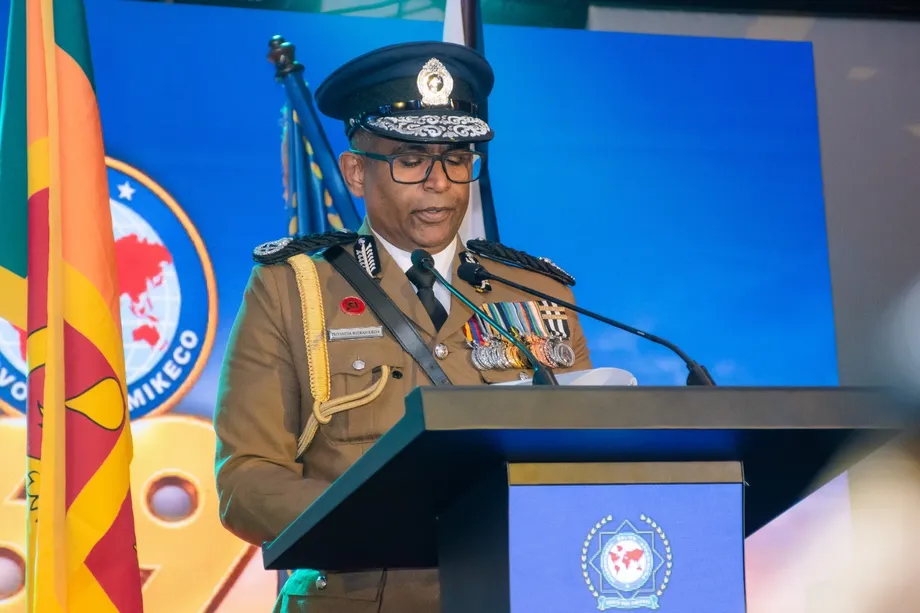
Sri Lanka's Ministry of Finance has decided to close 34 state institutions, President Anura Kumara Dissanayake said on October 23, 2026, as his government seeks to reduce the cost of public services while spending more to attract and retain skilled staff.
Contents
- Closures planned alongside a costly salary programme
- What has been decided about the 34 institutions?
- Why the government is reviewing older institutions
- Professional vacancies alongside crowded lower ranks
- How the salary increases add up
- A stronger public service remains the stated goal
- Surveying equipment is also part of the plan
- Economic vulnerability shapes the spending choices
- Key Points
Speaking at the Government Surveyors' Association gathering at Waters Edge in Battaramulla, Dissanayake said a special committee had been appointed to study and implement the closures. Other institutions would be merged as the government reviews organisations whose original purpose may have changed.
The announcement came alongside a substantial payroll commitment. Dissanayake said salary increases for 2027 would require approximately 110 billion rupees. Under the government's three phases of basic salary increases, covering 2025, 2026 and 2027, additional annual salary expenditure is expected to reach 330 billion rupees by 2027 compared with 2024.
The president presented both measures as parts of the same task: reducing spending on institutions the government considers unnecessary while making essential public service jobs attractive to qualified professionals. He said professional positions remained vacant even as past political appointments had filled many positions at lower levels.
For employees and people who depend on government services, the practical issue is how the restructuring will work. Dissanayake acknowledged that closing institutions is complicated and said allowances would be paid when an institution closes. His remarks also stressed the need for a strong public administration to carry public resources through to communities.
What has been decided about the 34 institutions?
Dissanayake said the Finance Ministry had already taken the decision to close 34 institutions, rather than merely proposing a review. He described the committee's task as studying and carrying out that process, alongside the government's wider plans for mergers.
The committee's remit was also described as examining closure or merger of the 34 bodies identified as unnecessary or inefficient. The president's central announcement, however, specified 34 closures and referred separately to merging other institutions.
The names of the institutions, the committee's membership, selection criteria, implementation timetable and expected savings were not disclosed. Details of the closure allowance, including its amount, recipients and payment arrangements, were also unspecified.
Dissanayake, explaining the difficulty of implementing the Finance Ministry's decision, said:
Even closing them is difficult because it is very complicated.
For staff, the closure allowance is the clearest indication so far that shutting an institution will itself involve expenditure. The financial result will depend on the costs of carrying out the changes as well as the spending removed from future budgets.
Why the government is reviewing older institutions
Dissanayake argued that some state institutions were created to meet needs that have since changed. In certain areas, he said, the government had once been the only provider, but a substantial private sector now performs similar activities.
The president said the government should consider whether it still needs to perform all those tasks itself, whether some activities can be discontinued, or whether purchasing services from private providers would cost less.
For a reader, the practical difference is straightforward. A government can employ people and operate an organisation to provide a service directly, or it can pay another provider to perform a task. Dissanayake's proposal asks which arrangement makes financial sense for activities now served by private businesses.
His explanation places the purpose of each institution at the centre of the review. The relevant question is whether the organisation still meets a current need and whether the state should continue delivering that activity through its existing structure.
Professional vacancies alongside crowded lower ranks
Dissanayake described a public service with two staffing problems at once: shortages of qualified professionals and excessive staffing at lower levels resulting from political appointments in earlier years.
Engineers, information technology specialists and managers were among the professionals he identified as difficult to recruit and retain. He said public employment had become unattractive to many skilled workers and that the state lacked an effective way to keep them.
A large workforce can still lack the particular skills needed to carry out its work. In the president's account, filled positions at lower levels coexist with professional vacancies, leaving the government with a heavy wage burden and gaps in essential expertise.
Dissanayake, setting out his concern about recruitment and retention, said:
Therefore, our expectation is how professionals should be recruited into the public service, and how we can make this public service an attraction for professionals. Otherwise, our public service will face a major crisis, I believe.
How the salary increases add up
The government introduced increases in basic salaries in three phases, covering 2025, 2026 and 2027. Dissanayake said each phase would cost approximately 110 billion rupees, bringing additional annual salary spending to 330 billion rupees by 2027 compared with the 2024 level.
The figures describe a growing annual commitment. Three phases of roughly 110 billion rupees each produce the stated 330 billion rupee increase in the annual salary bill once all phases are in place. The 110 billion rupees needed for 2027 is the final phase of that programme.
Basic salary is the core amount attached to a job. An allowance is a separate payment, which may be linked to particular duties or employment needs. Dissanayake said allowances would receive greater attention in the budget being prepared and in 2028, when no further increase in basic salaries was planned.
The president connected those allowances to keeping essential employees in public service. His remarks indicate a shift in attention after the three phases of basic salary increases, towards payments intended to address retention needs.
The salary timetable gives employees several concrete reference points:
- 2025: The first phase of the basic salary increase programme, costing approximately 110 billion rupees.
- 2026: The second phase, also costing approximately 110 billion rupees.
- October 23, 2026: Dissanayake announces the decision to close 34 institutions and discusses recruitment, salaries and allowances.
- 2027: The third salary phase requires approximately 110 billion rupees, taking additional annual salary expenditure to 330 billion rupees compared with 2024.
- 2028: No further basic salary increase is planned, with greater attention directed towards allowances.
A stronger public service remains the stated goal
Dissanayake said the government remained committed to a strong state administrative system. He described the public service as the mechanism that must ensure money reaching the Treasury produces benefits for people in their communities.
He connected effective administration with resolving land issues and improving access to agricultural, educational and healthcare facilities. Those examples explain why the staffing debate reaches beyond government offices: the ability to recruit suitable professionals affects the state's capacity to deliver services.
The government's stated objective combines fewer or consolidated institutions with better professional capacity. Closing an organisation reduces the number of bodies the state operates; recruiting and retaining specialists addresses whether the remaining services have the people needed to function.
The president's comments therefore set out two spending priorities moving in different directions. Institutional operating costs are being targeted for reduction, while the salary programme raises the annual cost of employing public servants.
Surveying equipment is also part of the plan
The gathering, described as the association's 100th annual conference, also brought commitments specific to government surveyors. Dissanayake pledged support for modern technology, staff development and changes to existing service regulations.
The government said it was prepared to allocate funds for modern surveying equipment following an assessment of the sector's technological requirements. That approach ties purchasing decisions to an examination of what the service needs.
Surveying measures land and helps establish boundaries. The equipment commitment sits alongside Dissanayake's stated aim of improving the state's ability to resolve land matters, giving a concrete example of an area where the government intends to invest while reducing costs elsewhere.
Economic vulnerability shapes the spending choices
Dissanayake also warned that Sri Lanka's ability to handle economic disruption remained uneven. He said the country had sufficient rupee resources to manage a shock originating within the domestic economy, while its economic strength was inadequate to withstand an external shock.
A domestic shock begins inside the country; an external shock comes from outside it. His distinction was about the resources available to respond to disruption and the limits of the economy's resilience.
That warning adds context to the combination of closures, salary increases and targeted allowances. The government is trying to reduce continuing costs while funding a larger salary bill and retaining the professionals needed to deliver services. The closure committee must now turn the announced institutional decisions into an implementable process.
Key Points
- The Finance Ministry has decided to close 34 state institutions, according to President Anura Kumara Dissanayake.
- A special committee will study and implement the process, while other institutions are to be merged.
- The affected institutions, closure timetable and expected savings have not been announced.
- Dissanayake said closure allowances would be paid and acknowledged that implementation would be complicated.
- The three phases of salary increases are expected to raise annual salary expenditure by 330 billion rupees by 2027 compared with 2024.
- No further basic salary increase is planned for 2028, when allowances will receive greater attention.
- The president linked restructuring to professional recruitment, staff retention and better delivery of public services.