Two drug cases lead to a challenge over police accountability
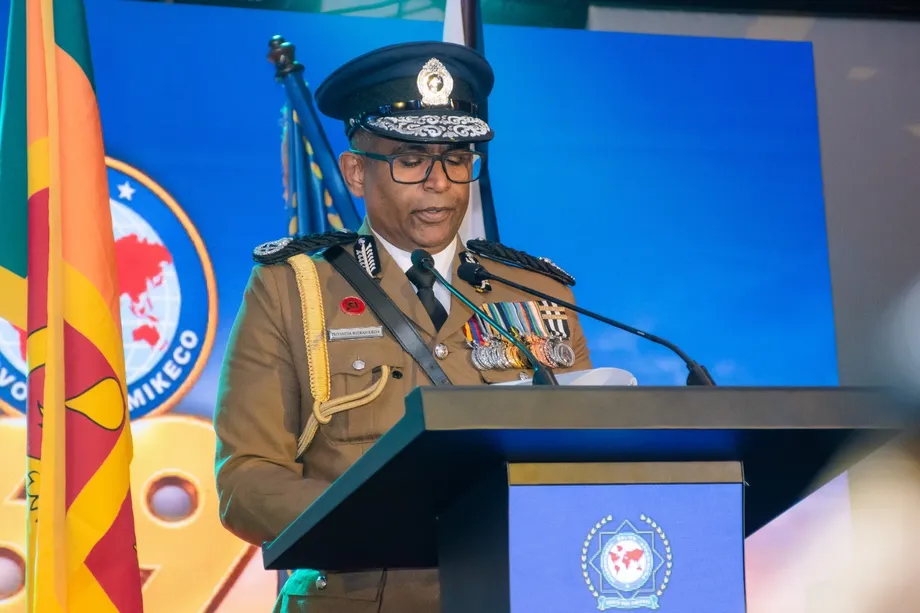
Gampaha Magistrate Bandula Gunaratne has referred a case file concerning Inspector General of Police Priyantha Weerasooriya to the President of Sri Lanka's Court of Appeal after finding that the police chief failed to obey an order intended to protect people from groundless prosecutions.
Contents
- Two drug cases lead to a challenge over police accountability
- What happened when the two cases were called?
- Police sought to withdraw one prosecution
- Compensation for Marasinghe and responsibility within the police
- Why the regional guidelines were rejected
- Nearly five months to act
- The magistrate challenged the drive for more cases
- What the referral means now
- Key Points
The referral, ordered on October 21, 2026, grew out of drug possession cases numbered 1743 and 1744 against Chamara Chathuranga Marasinghe, a resident of Makandana in the Gampaha area. The magistrate had found the prosecutions groundless and ordered three police officers and the Police Department to pay him compensation totalling Rs. 200,000.
Gunaratne also directed the IGP to issue a circular covering every police officer in Sri Lanka, instructing officers against bringing unjustified cases against innocent people. At the October hearing, police representatives instead presented guidelines issued by a regional commander for just three police divisions.
The magistrate concluded that the failure to implement his order amounted to contempt of court and instructed the registrar to send the relevant documents, including both underlying drug case files, to the Court of Appeal President for proceedings against the IGP. Contempt concerns conduct that disobeys a court or obstructs its authority. The matter now moves to the Court of Appeal for consideration of formal proceedings.
What happened when the two cases were called?
Marasinghe initially pleaded guilty when one drug possession case was called, and the court imposed a fine. A short time later, a second drug possession case against him came before the same magistrate.
Gunaratne noticed that the same man faced two cases filed on the same day. His examination of the prosecutions prompted questions about how the charges had been prepared and whether police had subjected Marasinghe to unjustified proceedings.
The allegations concerned events on or around May 6, 2026. One case alleged possession of 130 milligrams of ice, a common name for crystal methamphetamine, and 500 milligrams of heroin at Asgiriya junction. The other alleged possession of 130 milligrams of ice in Gampaha. Those quantities are 0.13 grams and 0.5 grams respectively.
Police Inspector Thennakoon, identified as the officer heading the Gampaha Police Anti-Corruption Unit, filed both cases. The named witnesses included Sergeant Seneviratne, service number 12614; Constable Dilshan, service number 24728; and Inspector Bandaranayake. Dilshan was listed in both cases.
Police sought to withdraw one prosecution
Police Sergeant Gayan, service number 30533, told the court that officers had arrested 16 other people alongside Marasinghe during the raid. He said the charges against Marasinghe had been filed incorrectly and asked to withdraw case 1743 while continuing case 1744.
Gunaratne rejected that request. He said police raids needed a sound basis so that officers could give evidence in court supporting a conviction. He also pointed to the identification of police witnesses in the cases when examining how the prosecutions had been prepared.
The magistrate summoned the relevant witnesses and senior officers to explain why action should not be taken under Section 17(1) of the Code of Criminal Procedure over the groundless cases. The officers summoned for that purpose failed to appear, drawing further criticism from the court.
The compensation proceedings therefore addressed more than an error in a case number. Gunaratne examined the preparation of the charges, the officers named to support them and the explanations offered when the duplication came to light.
Compensation for Marasinghe and responsibility within the police
The court ordered compensation totalling Rs. 200,000 against three police officers and the Police Department. The detailed directions included payments of Rs. 25,000 by the officers named as witnesses in connection with the cases, alongside a departmental payment of Rs. 50,000 for each case, or Rs. 100,000 together.
Gunaratne linked the departmental payment to the Police Reward Fund, noting that a substantial amount of money collected through fines under the law governing poisons, opium and dangerous drugs went into that fund. He said the fund should also be used when police brought groundless prosecutions of this kind.
The magistrate said his order was intended to draw attention to improper policing practices. He also warned against limiting responsibility to the officers directly involved. If disciplinary action were taken against them, he said, senior officers who had instructed them to conduct raids in that manner should also be held responsible.
Marasinghe's compensation addressed the treatment of one defendant. The separate direction to the IGP sought to change instructions across the Police Department so that the same problem would be addressed beyond Gampaha.
Why the regional guidelines were rejected
Police Legal Division representatives Inspector Kaushika Perera and Chief Inspector Praneeth Jayawardena appeared at the October 21 hearing. They submitted guidelines dated October 19, 2026, issued by the Deputy Inspector General responsible for the Western Province North Range.
The document covered officers in the Gampaha, Kelaniya and Negombo police divisions. Gunaratne had ordered a circular from the IGP covering all police officers throughout Sri Lanka. A circular is a formal written instruction distributed within an organisation; its reach depends on whom it directs and which officers receive it.
Gunaratne asked the police representatives who had been ordered to act. They confirmed that the order was addressed to the IGP. Asked who had issued the document before the court, they identified the regional Deputy Inspector General.
Magistrate Gunaratne, explaining his objection to the document presented in response to his order, said:
This is an attempt to mislead me.
The magistrate's objection concerned both authority and coverage. The instruction came from a regional commander rather than the police chief, and it applied to three divisions rather than the entire force. Officers elsewhere in Sri Lanka remained outside the document presented to the court.
Nearly five months to act
Gunaratne said police had been given nearly five months to carry out the required action. The matter had previously been called on two occasions, when police obtained further dates after explaining that they had been unable to complete the task for various reasons.
The sequence shows how a prosecution against one person developed into a dispute over compliance by the head of the Police Department:
- On or around May 6, 2026: The alleged drug possession incidents underlying the two cases took place.
- At earlier hearings: The magistrate examined the two prosecutions, ordered compensation and directed the IGP to issue instructions covering all police officers.
- October 19, 2026: The Western Province North Deputy Inspector General issued guidelines for Gampaha, Kelaniya and Negombo.
- October 21, 2026: Police presented those guidelines, and the magistrate ordered the contempt matter and both drug case files referred to the Court of Appeal President.
The guidelines were dated two days before the hearing. Gunaratne's criticism focused on the failure to produce the nationwide instruction despite the time already allowed, rather than simply on when the regional document had been written.
The magistrate challenged the drive for more cases
Gunaratne also criticised a method of judging police performance by requiring officers to bring more cases each month than in the previous month. He argued that rising prosecution totals were a poor measure of success in preventing crime.
The magistrate said effective crime control should reduce offending rather than encourage an endless increase in cases. His comments connected the handling of Marasinghe's charges with pressure placed on officers to produce larger numbers of prosecutions.
Gunaratne also referred to Government Analyst reports in drug cases. He said laboratory examinations sometimes found much smaller quantities of drugs than police had stated, while some exhibits contained only traces or no drugs at all. The Government Analyst examines submitted material to establish what substances it contains.
The magistrate further expressed concern that police sometimes used Section 54 of the dangerous drugs legislation to restrict the court's discretion, meaning its ability to make decisions within the law. He said such practices damaged judicial trust in police officers.
His criticism extended to the failure of the Gampaha Senior Superintendent of Police to appear when summoned to address these practices. Gunaratne said senior police leadership needed to change the approach, placing responsibility for prosecution standards above the level of individual arresting officers.
What the referral means now
The Court of Appeal President is to receive the file concerning the IGP's failure to comply, together with cases 1743 and 1744. Sending the underlying files gives the higher court the history of the prosecutions that led to the compensation order and the demand for national instructions.
No Court of Appeal hearing date or subsequent ruling has been announced in connection with the referral. The next procedural step rests with that court's consideration of the matter.
For Marasinghe, the proceedings concern both compensation and the police decisions that brought him before a criminal court twice. For the Police Department, the unresolved requirement is broader: an instruction from its chief reaching officers across the country, rather than guidance limited to the divisions where the dispute began.
Gunaratne's referral places compliance with that requirement before a higher court. The central issue is concrete: whether the IGP carried out the order to give every police officer instructions aimed at preventing groundless prosecutions.
Key Points
- Gampaha Magistrate Bandula Gunaratne referred a contempt matter concerning IGP Priyantha Weerasooriya to the Court of Appeal President on October 21, 2026.
- The dispute began with drug possession cases 1743 and 1744 against Chamara Chathuranga Marasinghe.
- The court found the prosecutions groundless and ordered compensation totalling Rs. 200,000 against three officers and the Police Department.
- The IGP was ordered to issue a circular covering all police officers in Sri Lanka.
- Police instead presented regional guidelines dated October 19 covering Gampaha, Kelaniya and Negombo.
- The magistrate said police had nearly five months to comply and ordered both underlying case files sent to the Court of Appeal.