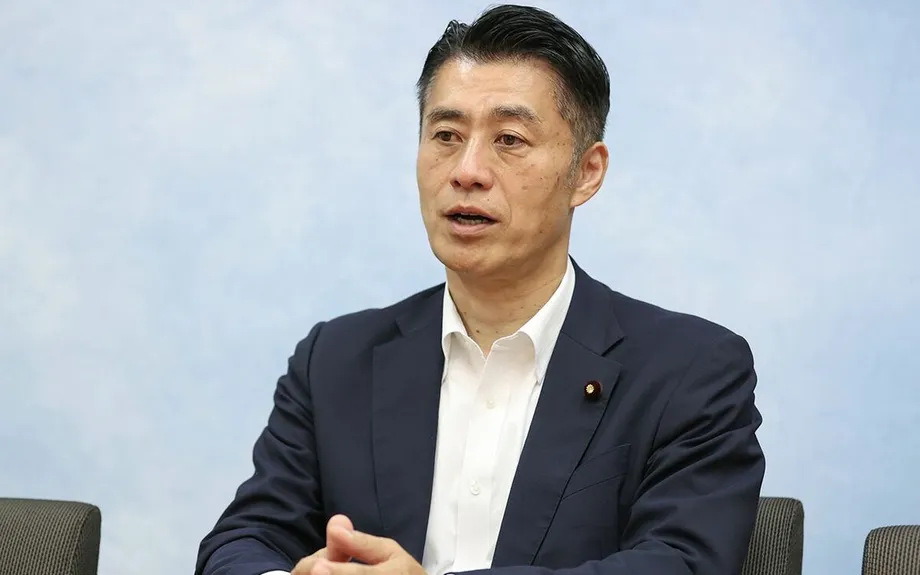
Six rented premises put campaign spending under scrutiny
Goshi Hosono faces questions over whether four premises described as contact offices were used for election campaigning in Japan's October 2024 House of Representatives election. His election expense accounts reportedly listed rental payments for six locations, while a Shizuoka prefectural election official said the permitted arrangement was one campaign office for the candidate and one for the registered party.
Contents
- Six rented premises put campaign spending under scrutiny
- What the six addresses were used for
- Hosono denies campaigning and promises corrections
- What the official disclosure system provides
- A political journey across party lines
- The dates behind the controversy
- National duties and local accountability
- The Bottom Line
Hosono's office denied operating more campaign offices than the law allows. It later said expenses for the contact offices had been entered in election accounts through an administrative mistake and would be transferred to the accounts of his political funds management organization.
The central dispute concerns what happened inside those four locations. A local assembly member who volunteered at a contact office described telephone campaigning using lists of names. Hosono's office said no election campaigning took place there. The difference matters because the rules depend on how premises are used, not simply what they are called.
The allegations concern Hosono's campaign in Shizuoka's fifth district. They also arrive alongside an account describing his return to the cabinet as reconstruction minister on September 17, 2026, under Prime Minister Sanae Takaichi. That account places the controversy in a later period than the election spending now being questioned.
For voters, the immediate issue is concrete: whether campaign workers operated within the office limits set out under the Public Offices Election Act, and whether the money spent on those premises was recorded in the correct accounts.
What the six addresses were used for
Hosono's election expense report reportedly recorded rent for a candidate's campaign office in Mishima and a Liberal Democratic Party branch campaign office in Fuji. Four other rented premises, including locations in Gotemba and Susono, were listed as contact offices.
A Shizuoka prefectural election administration official explained that the candidate and registered party could each maintain one election campaign office. Under that explanation, telephone campaigning at additional locations would breach the restrictions.
"A candidate is allowed one personal election campaign office and one for the registered party (the LDP), for a total of two," the official said. "Election campaigning, such as making telephone calls, at other locations is prohibited." This explanation sets out the general restriction; it does not establish what activities took place at Hosono's four contact offices.
Contact offices can serve a different purpose. In a geographically large constituency, supporters may need places to exchange information or direct residents to the appropriate location. Whether such premises become additional campaign offices depends on the activities conducted there.
A local assembly member who volunteered at one of Hosono's contact offices described women in the support organization borrowing telephones and calling people while consulting lists. The assembly member also recalled Hosono visiting once or twice. The testimony puts the activity inside the premises at the center of the dispute.
Hiroshi Kamiwaki, a professor at Kobe Gakuin University who studies political finance, said the restrictions on campaign offices are intended to preserve electoral fairness. He assessed that premises rented during the election period and used for telephone campaigning could fall within the definition of an election office, even when described as a contact office.
Hosono denies campaigning and promises corrections
Hosono's office initially responded at midday on October 20 that its election offices had been established according to law. It denied setting up offices beyond the permitted number or using other premises as election offices. Supporters had requested contact offices, it said, but no election campaigning had taken place there.
The office subsequently announced that expenses associated with the contact offices would be corrected in the election accounts for both 2024 and 2026. It described their inclusion as an administrative mistake and said the spending would instead be submitted as expenditure by his political funds management organization.
Hosono's office said the corrections would be made on October 21. Its response included this commitment:
報告書は修正いたします
In English, the statement means that the reports would be corrected. The promised change concerns which organization records the expense: the election campaign or the organization handling Hosono's political funds.
The substantive legal question remains the use of the premises. If they supported ordinary political activity, a different accounting category may be appropriate. If workers solicited votes there during the election, the rules governing campaign offices become central. The status of the promised corrections and any formal investigation or legal decision has not been established.
What the official disclosure system provides
Japan's Ministry of Internal Affairs and Communications published its regular release of political funds income and expenditure reports for the 2024 calendar year on November 28, 2025. The ministry's political funds disclosure page organizes the documents by category of political organization.
Those categories include party headquarters, party branches, organizations connected to members of the Diet, political funds management organizations and other political groups. Reports for organizations connected to Diet members are arranged by the Japanese alphabetical order of candidates' names.
The arrangement matters in Hosono's case because his office proposed moving expenses between two kinds of accounts. An election expense report records money associated with a particular campaign. An annual political funds report records the income and spending of a political organization across the reporting year.
A reader tracing the contact office payments would therefore need to examine the relevant election accounts alongside the accounts of the organization receiving the transferred expenses. The ministry's publication page provides access to annual political finance disclosures; the specific rental entries and promised amendments require examination of the individual filings.
The publication dates also require care. The official release concerns activity in 2024 and was published in November 2025. Hosono's reported undertaking to amend accounts refers to both 2024 and 2026. Those are distinct reporting periods, with the later response also referring back to the earlier election.
A political journey across party lines
Hosono first won a House of Representatives seat in 2000 as a Democratic Party candidate. He later served as a prime ministerial adviser and environment minister, building a national profile before changing political affiliations.
In 2017, he left the Democratic Party's successor organization and helped establish the Party of Hope with figures including Tokyo Governor Yuriko Koike. He subsequently served as an independent before joining the Liberal Democratic Party in 2021.
The October 2024 election was consequently his first House of Representatives contest as an LDP member. The accounts now under scrutiny relate to that campaign in Shizuoka's fifth district.
His reported appointment as reconstruction minister on September 17, 2026, was described as a return to the cabinet after about 14 years. That political comeback explains the attention surrounding the spending allegations: a dispute over local campaign operations now concerns a politician described as holding national responsibility for reconstruction.
The dates behind the controversy
Several different years appear in the account, covering Hosono's party changes, the election spending and the later cabinet appointment. Keeping them separate makes the sequence easier to follow.
- 2000: Hosono first wins election to the House of Representatives as a Democratic Party candidate.
- 2017: He leaves the Democratic Party's successor organization and helps establish the Party of Hope.
- 2021: He joins the Liberal Democratic Party after a period as an independent.
- October 2024: He contests the House of Representatives election as an LDP member. His campaign accounts reportedly list rental expenses for six premises.
- November 28, 2025: The internal affairs ministry publishes its regular release of political funds reports covering 2024.
- September 17, 2026: The account of his cabinet return dates his appointment as reconstruction minister to this day.
- October 17, following that appointment: Hosono sends a video message instead of attending a Mishima lecture and attends a disaster preparedness convention in Kurayoshi, Tottori Prefecture.
- October 20 and 21: His office announces corrections to the 2024 and 2026 election accounts, promising to make them the following day.
The October response dates sit within the account of his return to ministerial office. The election at the center of the detailed allegations, however, took place in October 2024.
National duties and local accountability
Hosono's absence from the October 17 lecture in Mishima offers a concrete example of the tension between national duties and constituency expectations. Attendees received a video message in which he said he had not returned to Mishima since entering the cabinet on September 17 and wanted to go home.
On the same day, he attended the National Convention for Promoting Disaster Risk Reduction in Kurayoshi. A prominent local supporter said Takaichi had instructed him to concentrate on work at the parliamentary residence, the Diet and reconstruction inspection visits rather than returning to Mishima. That description came from the supporter.
Residents in the constituency still have a direct interest in how his local political organization operates. The four disputed contact offices were part of that local infrastructure, and the response to the allegations depends on records and accounts of the work conducted there.
The broader accusations surrounding Hosono also refer to an allegedly unreported 50 million yen and fundraising parties totaling 200 million yen. Specific transactions, dates and findings supporting those claims are not set out in detail. The office dispute presents the most concrete issue: six rental destinations, four contact offices, a volunteer's description of telephone campaigning and an announced change to the accounts.
The Bottom Line
- Hosono's October 2024 election accounts reportedly listed rental payments for six premises, including four contact offices.
- A Shizuoka election official said the permitted campaign office arrangement was one for the candidate and one for the registered party.
- A local assembly member described telephone campaigning at a contact office. Hosono's office denied that election campaigning occurred there.
- Hosono's office promised to correct the 2024 and 2026 election accounts and record the contact office costs under his political funds management organization.
- The internal affairs ministry published annual political funds reports covering 2024 on November 28, 2025.
- The central issue is how the four premises were actually used and how their expenses should be recorded.