Okinawa Drops Its Demand to Withdraw Ospreys
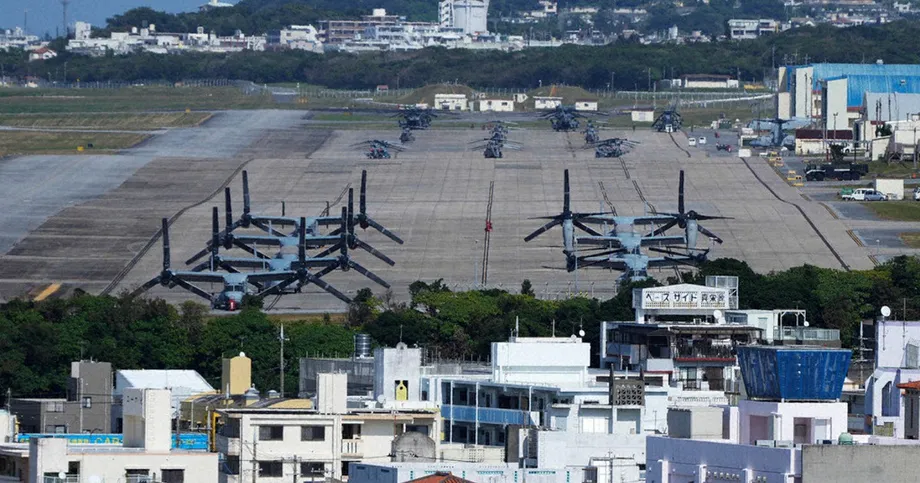
Okinawa Governor Genta Koja has accepted the presence of U.S. military MV-22 Osprey transport aircraft at Futenma air station, reversing a prefectural position that began before their deployment in 2012. The change became public on October 16, 2026, with October 15 also given as the date of his remarks.
Contents
- Okinawa Drops Its Demand to Withdraw Ospreys
- Why Koja Links the Aircraft to Henoko
- How Broad Was the Original Opposition?
- What the 2012 Safety Dispute Involved
- The Accidents Behind Continuing Concern
- Ospreys Arrive at Civilian Airports
- A Timeline of the Policy Change
- What Changes for Okinawa's Communities?
- Key Points
Koja, who took office in late September after winning an election with support from Prime Minister Sanae Takaichi's ruling Liberal Democratic Party, said continued opposition to the deployment was no longer realistic. He pointed to more than a decade of operations and Japan's own use of Ospreys through the Self-Defense Forces.
The decision also brings his position on the aircraft into line with his support for moving Futenma from densely populated Ginowan to the coastal Henoko area of Nago. Osprey operations would move with the base, keeping the aircraft within Okinawa.
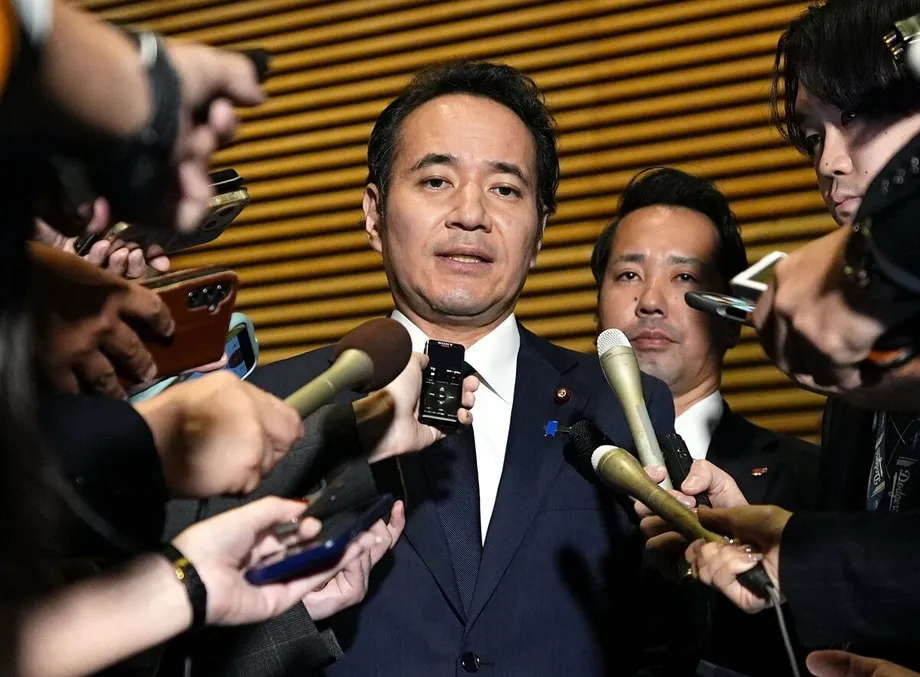
Koja's acceptance comes with continuing concern about safety. Speaking to reporters at the prefectural government office, he said those concerns had not been dispelled and called for further checks.
Koja described what he wanted from the authorities responsible for the aircraft:
"I want the safety of the aircraft to be thoroughly confirmed," he said.
The policy change comes as Japanese and U.S. Ospreys fly to civilian airports in Okinawa ahead of the Keen Sword joint military exercise, scheduled to begin on October 19. Residents of Ishigaki and Miyako are therefore seeing aircraft movements connected to the exercise at the same time that the prefecture is changing its position on their deployment.
Why Koja Links the Aircraft to Henoko
Koja's reasoning rests on two existing arrangements: both U.S. forces and Japan's Self-Defense Forces operate Ospreys, and the planned replacement for Futenma would accommodate Osprey operations at Henoko.
The governor said demanding an end to the aircraft's deployment would be inconsistent with his acceptance of the relocation. In practical terms, his position is that supporting the new base also means accepting the aircraft that would operate there.
Futenma's location in densely populated Ginowan makes the relocation a question about where military flights take place and which communities live near them. Moving operations to Henoko would change their location within Okinawa, while the governor's new policy drops the prefectural demand to withdraw the Ospreys from Okinawa altogether.
Koja's predecessors had maintained opposition to their presence. His decision changes the prefectural government's stance toward the deployment, alongside his support for the base relocation.
How Broad Was the Original Opposition?
The Okinawa Prefectural Assembly's 2012 protest resolution, adopted unanimously on October 1 that year, records opposition extending across every municipality in the prefecture.
According to the resolution, all 41 municipal assemblies had adopted resolutions opposing the deployment. It also recorded more than 103,000 participants at a prefectural citizens' rally on September 9, 2012, where participants called for withdrawal of the deployment plan and the closure and removal of Futenma.
The assembly adopted its resolution on the day it said the aircraft were deployed to the base. It addressed the protest to the U.S. secretary of state, secretary of defense and ambassador to Japan.
Municipal leaders also pressed the demand through a petition signed by the heads and assembly speakers of all 41 Okinawa municipalities. Opposition began under Governor Hirokazu Nakaima before deployment and continued under Governors Takeshi Onaga and Denny Tamaki.
Koja is therefore reversing a policy sustained across successive prefectural administrations and supported by formal actions throughout Okinawa's municipal governments.
What the 2012 Safety Dispute Involved
The 2012 assembly resolution shows that the disagreement concerned both aircraft safety and the rules governing flights. Japan and the United States had announced safety confirmations through their Joint Committee on September 19, shortly before the deployment.
The assembly objected to qualifications in the agreement, including the phrases "as practical" and "as much as possible." It argued that these left U.S. forces discretion over military operations and that the agreement did not provide the safety assurance residents needed.
The resolution also warned that planned training, exercises and readiness operations could add 204 flights a year during late night and early morning hours across Okinawa's main island and surrounding islands. That was a forecast recorded in the protest, rather than a subsequent count of flights.
Residents' concerns described in the document included noise, environmental effects and possible crashes. Those details explain why the dispute reached beyond the boundaries of Futenma: communities elsewhere in Okinawa expected to experience the aircraft through training routes and operations.
Koja now accepts the deployment while continuing to seek safety assurances. His position changes the prefecture's demand concerning the aircraft's presence, while retaining concern about how safely they operate.
The Accidents Behind Continuing Concern
Ospreys use large rotating assemblies that allow them to take off and land vertically like helicopters, then fly forward like conventional aircraft. This design lets them use landing areas without a conventional runway while also carrying people over longer distances.
The aircraft have been involved in accidents in Japan and abroad. In December 2016, an MV-22 belonging to Futenma crash-landed off Nago, the same city where the Henoko relocation site is located.
In November 2023, a U.S. Air Force CV-22 crashed into the sea near Yakushima Island in Kagoshima Prefecture, killing all eight crew members. The CV-22 is an Air Force version of the Osprey; the MV-22 stationed at Futenma is operated by the Marine Corps.
Koja acknowledged that fears about the aircraft had not been fully dispelled and said he wanted an explanation. No date was given for a new safety assessment or for the response he is seeking.
Ospreys Arrive at Civilian Airports
Preparations for Keen Sword have brought the deployment debate directly to civilian airports in the Sakishima islands, including Ishigaki and Miyako.
A U.S. Marine Corps Osprey visited Ishigaki Airport on October 15. Japanese Self-Defense Forces and U.S. Marine Corps Ospreys also visited Miyako Airport that day. The Marine Corps flight was described as the first visit by a U.S. military Osprey to Miyako Island.
The exercise, involving Japanese and U.S. forces, is scheduled to start on October 19, with Osprey flights planned within Okinawa. The airport visits show how aircraft associated with Futenma and the wider deployment debate can also appear in communities far from the base itself.
Defense Minister Shinjiro Koizumi, asked on October 16 about the flights to the Sakishima islands, said the authorities would give maximum consideration to safety and work to keep effects on local communities to a minimum.
Koja's position places two responsibilities together: accepting the aircraft's continued presence and asking the national government and military authorities to address the concerns of people living near their operations.
A Timeline of the Policy Change
The dispute stretches from the preparations for deployment in 2012 to the governor's reversal in October 2026. The main events show how a longstanding withdrawal demand has given way to acceptance accompanied by requests for safety assurances.
- September 9, 2012: More than 103,000 people attended a rally opposing Osprey deployment, according to the prefectural assembly's resolution.
- September 19, 2012: Japan and the United States announced safety confirmations through their Joint Committee.
- October 1, 2012: The Okinawa Prefectural Assembly unanimously adopted its protest resolution as Ospreys were deployed to Futenma.
- December 2016: An MV-22 based at Futenma crash-landed off Nago.
- November 2023: A U.S. Air Force CV-22 crashed near Yakushima, killing all eight crew members.
- Late September 2026: Koja took office as governor after an election backed by the ruling Liberal Democratic Party.
- October 15, 2026: Japanese and U.S. Ospreys visited civilian airports ahead of Keen Sword.
- October 16, 2026: Koja's acceptance of deployment became public, with October 15 also cited as the date of his comments.
- October 19, 2026: Keen Sword is scheduled to begin.
The next scheduled event is the exercise. Koja's request for further safety explanations accompanies that approaching period of military activity.
What Changes for Okinawa's Communities?
Ginowan, Nago and the Sakishima islands face different parts of the same issue. Ginowan hosts Futenma in a densely populated area. Nago contains both the proposed replacement site at Henoko and the waters off which a Futenma Osprey crash-landed in 2016. Ishigaki and Miyako are receiving flights connected to the joint exercise.
The prefecture will no longer seek withdrawal of the Osprey deployment under Koja's stated position. His support for Henoko also means accepting continued Osprey operations within Okinawa after the planned relocation.
Residents still have concrete concerns to follow: flight safety, noise, the use of civilian airports and the timing and location of training. The governor has accepted the aircraft's presence while asking for those safety concerns to be addressed. That is the central change from the withdrawal policy maintained by previous administrations.
Key Points
- Governor Genta Koja accepts U.S. MV-22 Osprey deployment at Futenma, reversing Okinawa's longstanding opposition.
- He links that acceptance to Japan's own Osprey operations and his support for moving Futenma to Henoko.
- The 2012 opposition included a unanimous prefectural assembly resolution and resolutions from all 41 municipal assemblies.
- Koja says safety concerns persist and wants the aircraft's safety thoroughly confirmed.
- Japanese and U.S. Ospreys visited civilian airports before Keen Sword, scheduled to begin on October 19.
- No date was announced for the further safety assessment or explanation Koja is seeking.