A larger mission, with limits on entering Hormuz
South Korea plans to expand its Cheonghae naval unit to international waters south of Oman, about 650 kilometers from the Strait of Hormuz, while adding a P-8A Poseidon patrol aircraft, equipment for clearing sea mines and 75 personnel. The proposal announced on November 5, 2026, would raise the unit's personnel ceiling to 395 and extend its deployment through December 31, 2027, subject to parliamentary approval.
Contents
- A larger mission, with limits on entering Hormuz
- What changes for the Cheonghae Unit?
- Why Seoul points to piracy
- What the government says its forces will avoid
- Why mine clearance is part of the plan
- Oil supplies give Seoul a direct stake
- Washington's demands and Tehran's warning
- Lawmakers challenge the noncombat description
- How the proposal reached parliament's doorstep
- Key Points
The Ministry of National Defense says the expanded force will protect South Korean citizens, commercial ships and economic interests without joining the war between the United States and Iran. Its operating area would reach waters near Oman's port of Duqm, while excluding the interior of the Strait of Hormuz and the inner Gulf of Oman.
Seoul is trying to meet two demands at once: respond to American pressure for a greater contribution to maritime security and preserve President Lee Jae Myung's promise to stay outside the conflict. The equipment selected also prepares South Korea for possible mine clearance work if diplomatic and security conditions allow it later.
The revised deployment motion passed a meeting of vice ministers on November 5. Cabinet review and presidential endorsement were scheduled for the following week, before submission to the National Assembly. The unit's current authorization expires on December 31, 2026.
Parliament therefore faces two connected decisions: whether to renew a longstanding operation against piracy and whether to give it a wider area, more personnel and an additional role supporting the restoration of freedom of navigation. Any subsequent operation inside Hormuz would require a separate parliamentary decision and conditions allowing safe operations.
What changes for the Cheonghae Unit?
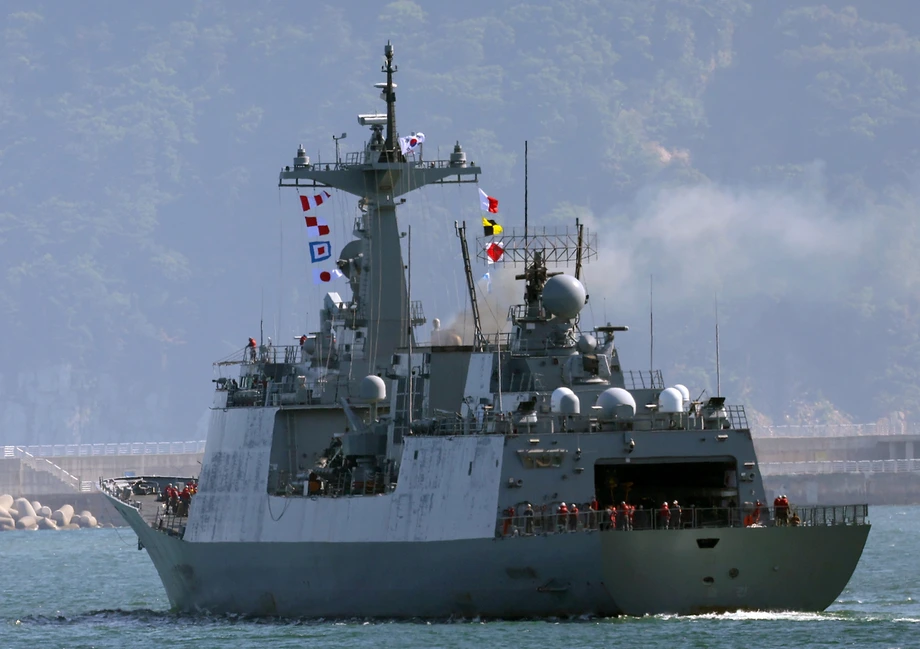
The Cheonghae Unit has protected merchant vessels in the Gulf of Aden off Somalia since March 2009. Its current force includes a destroyer of about 4,400 tons, a naval helicopter and up to three inflatable boats with rigid hulls. Around 300 service members are currently described as serving with the unit.
The proposed reinforcement would add 45 personnel for maritime patrol operations and 30 for explosive ordnance disposal, bringing the authorized ceiling from 320 to 395. That is an increase of about 23% in permitted personnel. The ceiling sets the maximum number allowed, rather than the number necessarily deployed at any one time.
One P-8A Poseidon would extend the unit's ability to search a broad stretch of sea. Maritime patrol aircraft can locate vessels, observe movements and pass information to ships and commanders, helping a force watch a larger area than a destroyer and helicopter can cover alone.
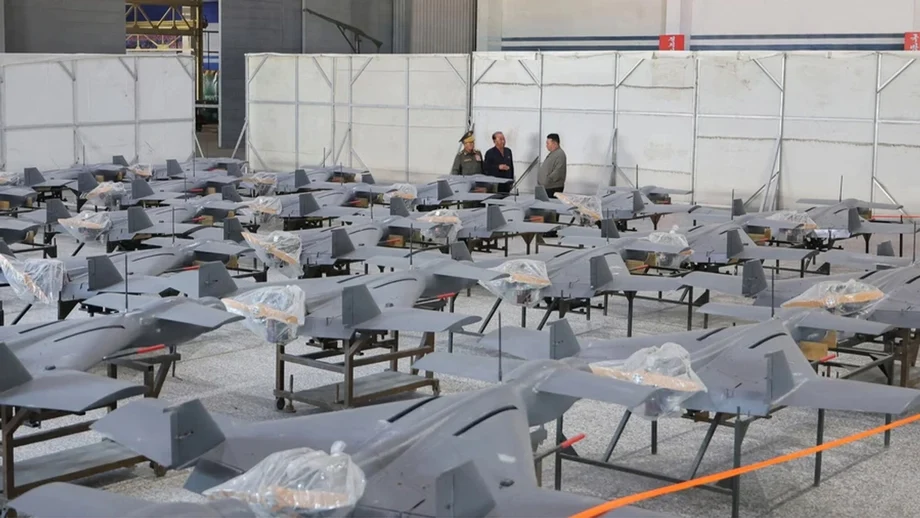
The package also includes unmanned surface vessels, unmanned underwater vehicles and remotely operated underwater vehicles. These machines can search for suspicious objects and support the examination or disposal of explosives while reducing the need to put personnel close to them.
The authorized operating area would roughly double from its existing reach of 600 nautical miles, about 1,100 kilometers, toward the waters south of Duqm. Camp Lemonnier in Djibouti is among the locations being considered as a base for the additional capabilities.
Why Seoul points to piracy
The Defense Ministry says worsening piracy is a central reason for the expansion. It cited 36 reported incidents against merchant ships so far this year, compared with 11 last year. That is 25 more incidents and more than three times the previous year's total, even before 2026 has ended.
The ministry links the increase to gaps left as international naval forces concentrate on the Red Sea and the Strait of Hormuz. It also cited fighting involving Saudi Arabia and Yemen's Houthi movement as a reason maritime forces have shifted away from their earlier duties.
South Korean officials say pirate threats have spread toward waters south of Oman, making wider patrol coverage necessary. In that explanation, the aircraft would help detect danger earlier and direct a response across the expanded area.
The revised motion would also add support for restoring freedom of navigation on international shipping routes. In practical terms, that means helping commercial vessels use sea lanes safely. That broader task connects the existing mission against piracy with preparations for possible work around Hormuz.
What the government says its forces will avoid
President Lee set out his position on September 18, saying South Korea would avoid a deployment that could draw it into military intervention. He described the policy in these words:
We have upheld the principle of non-involvement and non-intervention in the war until now. And we will continue to uphold it going forward.
The Defense Ministry has attached four operating principles to the proposed expansion: no involvement or intervention in the war, protection of South Korean people and vessels, restrictions on surveillance of Iran and the strait, and an independent South Korean chain of command.
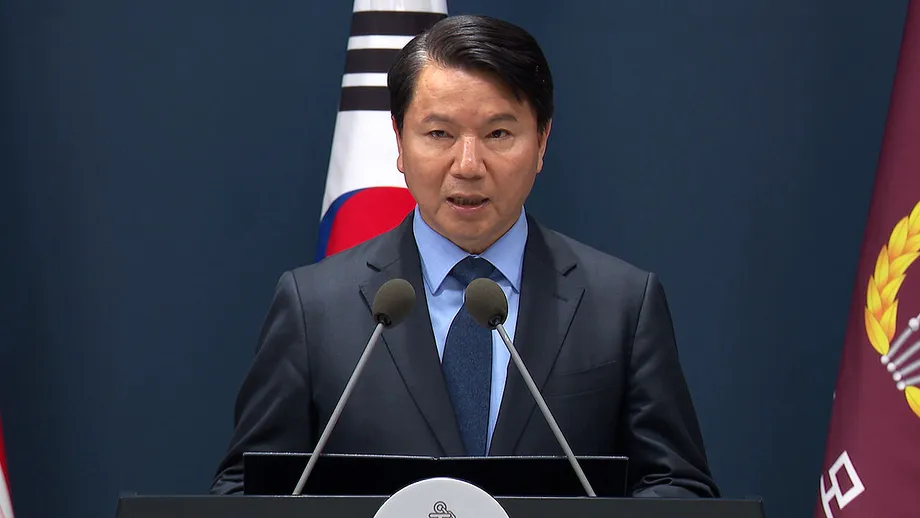
Defense Ministry spokesperson Jeong Bit-na said the additional aircraft would remain south of Duqm. Officials also said it would be prohibited from targeting or monitoring Iranian territory, Iranian territorial waters or the interior of Hormuz. Command authority would remain with South Korea's chairman of the Joint Chiefs of Staff.
Those boundaries would shape what the force could do each day. Its immediate work would take place in open waters south of Oman, while any later assignment inside the strait would return to parliament for approval. The government has not announced a deployment date for the additional personnel and equipment.
Why mine clearance is part of the plan
Sea mines are explosive devices placed in water to threaten ships. Finding and removing them can require underwater searches, specialist personnel and equipment that can inspect or handle dangerous objects remotely. A route may need such work before commercial vessels can use it safely following fighting.
The Defense Ministry says preparing for possible mine clearance in Hormuz is part of its planning, although it describes that as a secondary purpose of the reinforcement. Training and experience alongside multinational efforts could prepare the South Korean team for a later assignment.
Officials identified possible conditions for that next step: an end to the war or a memorandum of understanding between Washington and Tehran, an international request for assistance, and a safe operating environment. A memorandum of understanding, often called an MOU, records an agreed framework between parties.
South Korea would still seek fresh parliamentary consent for actual mine clearance operations in the strait. The current proposal would place personnel and equipment in the wider region so they could train and prepare before that decision.
Britain and France have led discussions about a multinational effort to restore passage after the war, and Seoul has sent a liaison officer to their navigation initiative. The government also says the additional capabilities could be withdrawn before the mandate expires if security conditions stabilize early.
Oil supplies give Seoul a direct stake
The Strait of Hormuz normally carries about one fifth of the world's oil. Shipping through it has been disrupted during the war that began on February 28, leaving South Korea exposed through both its energy purchases and its commercial shipping interests.
South Korea obtained 70% of its oil supplies from the Middle East in 2025, according to the Industry Ministry. Defense officials have also described Hormuz as the route for more than 70% of South Korean crude oil transport. The first figure measures where the oil comes from; the second describes the shipping route on which deliveries depend.
For South Korean buyers, the practical problem is getting purchased fuel from a producer to a refinery. Keeping nearby sea lanes safe and preparing to clear mines could support that supply chain, although passage through Hormuz itself remains tied to the wider conflict and negotiations.
Commercial exposure is already visible in Iran's warning against Sinokor vessels. Tankers associated with the South Korean shipping group carried 105.6 million barrels through Hormuz in September, or 37% of that month's crude shipments through the waterway. Sinokor disputed responsibility for seven vessels identified by Iranian authorities, saying foreign owners and subsequent charter arrangements were involved.
National Security Adviser Wi Sung-lac said on October 30 that Seoul was considering a stronger Cheonghae force to protect merchant vessels, crude oil shipments and South Korean nationals. His explanation places the proposal alongside an immediate economic concern, as well as alliance diplomacy.
Washington's demands and Tehran's warning
US President Donald Trump has criticized South Korea's support for the Iran war as insufficient and scaled back major joint military exercises during the summer. Washington has pressed allies to contribute forces and surveillance capabilities to secure passage around Hormuz.
Seoul's proposal offers additional aircraft, personnel and maritime capabilities while keeping them outside the strait. Washington's response will help determine whether that contribution eases alliance tensions or becomes the starting point for further requests.
Iran has already warned against foreign deployments near the waterway. In September, its Foreign Ministry said countries stationing troops nearby or participating in military operations could be treated as supporters of aggression. It issued a warning in Korean that "dangerous choices come at a price."
South Korea's Foreign and Defense ministries say they will communicate through diplomatic and military channels to explain the mission and prevent misunderstandings. Surveillance is especially sensitive because information about ships and maritime activity can be useful both for protecting civilian traffic and for planning military operations.
The diplomatic timing also matters. Iran's two day reopening proposal, outlined at the start of November, offered to restore Hormuz passage after initial American steps meeting Tehran's conditions. Those conditions included ending the war, releasing frozen Iranian assets, lifting oil sanctions and ending the US blockade of Iranian ports. Negotiations could determine when the safer conditions envisaged for mine clearance become possible.
Lawmakers challenge the noncombat description
Rep. Kim Joon-hyung, floor leader of the Rebuilding Korea Party, argues that widening the mission amounts to sending troops closer to war, regardless of the government's terminology. At a National Assembly press conference, he said:
Expanding the Cheonghae Unit's operational area amounts to a troop deployment. It is not a clever solution, but a deceptive workaround.
Kim warned that South Korean forces could face retaliation without taking part in combat. He also questioned whether the expansion would satisfy Washington or invite further demands. The Progressive Party has called for the proposal to be withdrawn.
Rep. Park Sung-hoon, a spokesperson for the main opposition People Power Party, challenged the government's description on October 17:
Does avoiding the word 'deployment' make the military risks disappear?
The ruling Democratic Party has defended the proposal. Its parliamentary spokesperson Jeon Eun-soo said the expanded area would remain outside Hormuz and attributed the change to increased piracy. The party says Lee's ban on involvement in the war remains in place.
Parliament's review will therefore cover more than the number of personnel. Lawmakers must assess the operating boundaries, aircraft duties, command arrangements and conditions for any later mission. South Korean forces would be responsible for protecting shipping in a region where piracy, commercial traffic and military confrontation overlap.
How the proposal reached parliament's doorstep
Seoul's November announcement follows weeks of debate over how far the Cheonghae mission could expand. The earlier mission review considered a wider operating area, surveillance aircraft and other possible reinforcements as the current mandate approached expiry.
By late October, the government was weighing patrol aircraft deployment while ruling out combat. The latest proposal identifies the aircraft type, additional personnel and geographic restrictions more precisely.
- September 18, 2026: Lee ruled out a military deployment that could draw South Korea into the conflict.
- October 29: Wi told a parliamentary audit that a patrol aircraft was among the options under discussion.
- October 30: Wi described protecting merchant vessels, oil shipments and South Korean nationals as reasons to strengthen Cheonghae.
- November 5: The revised deployment motion passed a meeting of vice ministers.
- The following week: Cabinet review and presidential endorsement were scheduled before submission to the National Assembly.
- December 31, 2026: The current authorization expires.
- December 31, 2027: The proposed extended mandate would end if approved.
The next concrete test is whether lawmakers accept a larger maritime security mission with explicit geographic limits. A later move into Hormuz would require another decision, shaped by the security situation and any agreement between Washington and Tehran.
Key Points
- South Korea proposes expanding Cheonghae operations to waters south of Oman, about 650 kilometers from Hormuz.
- The package adds one P-8A aircraft, unmanned equipment for mine clearance and 75 personnel, raising the authorized ceiling to 395.
- The Defense Ministry cites 36 reported piracy incidents this year, compared with 11 last year.
- The force would remain under South Korean command, with restrictions on surveillance of Iran and the strait.
- Operations inside Hormuz would require separate parliamentary approval and safe conditions.
- The proposed mandate would run through December 31, 2027, following Cabinet, presidential and parliamentary approval.