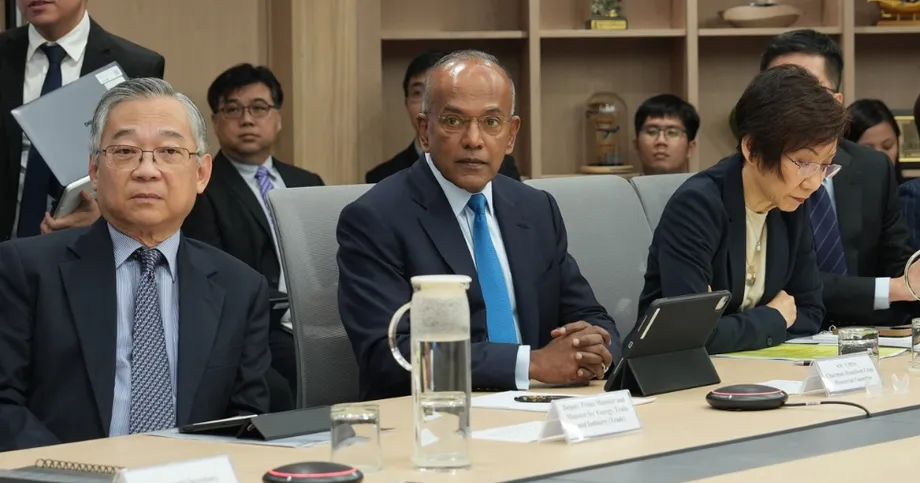
Companies face assessments of operations and supply chains
Singapore plans to introduce amendments to its Transboundary Haze Pollution Act (THPA) at Parliament's November 3 sitting, giving the National Environment Agency (NEA) powers to order companies to appoint specialist assessors and making refusal to cooperate an offence. The move follows an October 28, 2026 meeting at which leaders representing 10 companies served with information notices pledged full cooperation.
Contents
- Companies face assessments of operations and supply chains
- Which companies received the notices?
- Existing notices already carry penalties
- How the assessment teams would work
- Why the government wants new powers
- Evidence across borders remains the central challenge
- What companies have said about the fires
- Stock exchange, banks and buyers increase scrutiny
- From preventive notices to a November deadline
- Health protection drives action beyond the haze
- Key Points
The companies already face requests for documents about corporate connections, Indonesian land concessions and measures to prevent and fight fires. Their responses are due by November 2. The proposed assessment process would go further, opening their operations, business relationships and supply chains to investigators working to a scope set by NEA.
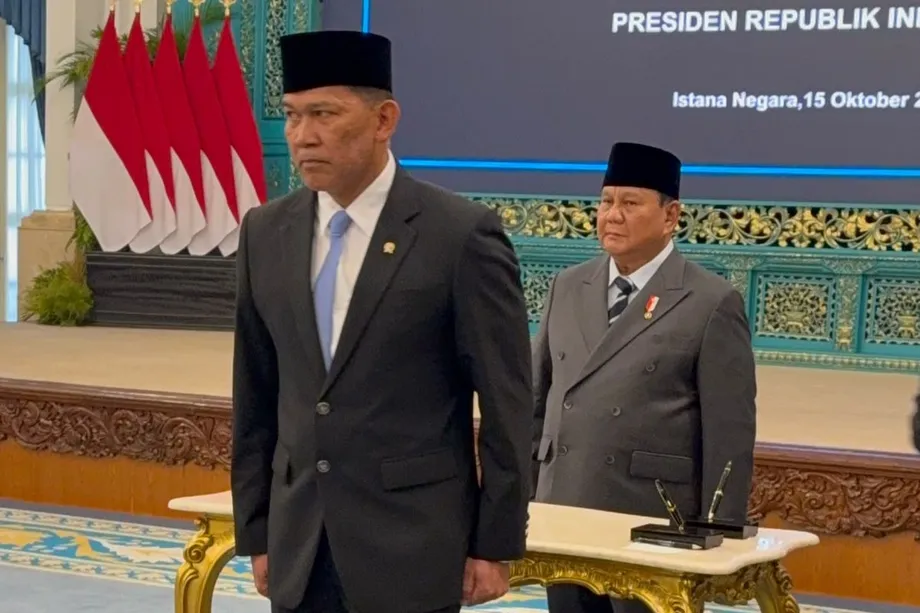
Senior Minister K Shanmugam chaired the meeting as chairman of the Homefront Crisis Ministerial Committee. Deputy Prime Minister Gan Kim Yong and Minister for Sustainability and the Environment Grace Fu attended, alongside government adviser Davinder Singh and senior officials.
The Ministry of Home Affairs published a transcript of Shanmugam's briefing explaining the arrangement. Companies would appoint and pay assessment teams, while NEA would determine the questions they must investigate. Findings would return to the agency for decisions on further action.
Singapore's approach brings together environmental investigations, stock exchange disclosure requirements and scrutiny from banks and buyers. Its immediate task is to obtain evidence about fires outside its borders and trace the companies connected to the land, its management and its products.
Shanmugam said the inquiry would follow the facts, including where companies had committed no wrongdoing. Authorities were still determining the full extent of the burning and the businesses involved, and had also issued notices to companies without a Singapore presence.
Which companies received the notices?
NEA issued Section 10 information notices on October 23 to 10 Singapore registered businesses in the palm oil or forestry industries. They own Indonesian land concessions or have related companies with concessions. A concession gives a business rights to use or manage a defined area of land.
- Asia Pulp & Paper Company Limited
- Asia Pulp & Paper Company (China) Limited
- Bumitama Agri Ltd
- Golden Agri International Pte Ltd
- First Resources Ltd
- Indofood Agri Resources Ltd
- Kencana Agri Ltd
- TSH Global Plantation Pte Ltd
- TSH Oversea Pte Ltd
- Wilmar International Ltd
All 10 were represented at the meeting, which lasted less than half an hour. Eight senior representatives attended, with some covering more than one legal entity. Executives included Bumitama Agri's Lim Gunawan Hariyanto, First Resources' Ciliandra Fangiono, Golden Agri Resources' Franky Oesman Widjaja and Wilmar International's Kuok Khoon Hong.
Indofood Agri Resources chief executive Mark Julian Wakeford, Kencana Agri chief executive Albert Maknawi, TSH Resources chairman Kelvin Tan Aik Pen and Sinar Mas senior adviser Bernard Tan also attended.
Corporate connections are central to the inquiry. Sinar Mas owns the two Asia Pulp & Paper entities, while Golden Agri International is a subsidiary of Golden Agri Resources within the same wider group. TSH Resources owns TSH Global Plantation and TSH Oversea. Investigators will examine those relationships alongside the companies' activities on the ground.
Existing notices already carry penalties
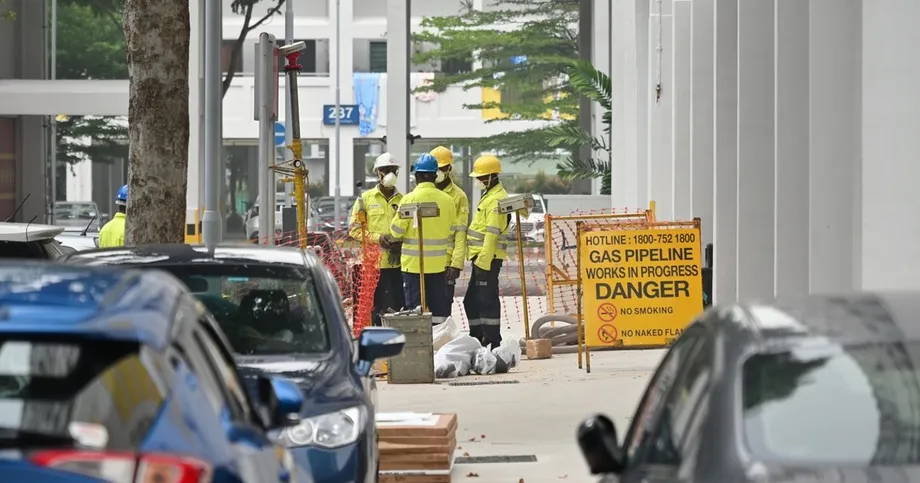
Section 10 notices require companies to provide information needed for investigations. NEA wants details of associated businesses in Singapore and Indonesia, concession locations, fire prevention measures and firefighting efforts by the companies or their associates.
Representatives who fail to comply can face a fine of up to S$5,000, imprisonment for up to one month, or both. Shanmugam told executives that the government expected full, accurate and prompt answers, rather than responses that avoided the substance of its questions.
All 10 companies had acknowledged the notices by October 26. At that stage, Indofood Agri Resources and the two TSH subsidiaries had not explicitly promised cooperation in their public acknowledgements. After the October 28 meeting, Shanmugam said all the companies had pledged to cooperate fully. Asia Pulp & Paper and Golden Agri Resources also issued statements expressing their intention to cooperate.
The THPA separately provides for fines of up to S$100,000 for each day that haze pollution persists, capped at S$2 million, for companies found guilty of causing or contributing to it. The information requests are part of the process of establishing responsibility.
How the assessment teams would work
The Ministry of Law announced the specialist panel on October 23. It would include law, audit and investigative firms with experience examining business arrangements across national borders. At the October 28 briefing, Shanmugam said appointments would be announced within two days.
Each identified company would engage a team comprising an investigations firm and a law firm from the panel, as directed by NEA. Although the company would pay the team, the lawyers would advise the investigators. Companies could obtain their own separate legal advice.
Davinder Singh Chambers, appointed as the government's adviser on October 23, would coordinate the work. NEA would supply the terms of reference: the areas, issues and questions that assessors must examine.
Companies would be expected to provide access to documents, information, premises and relevant people. The inquiry could extend from a company's own operations into its corporate relationships and supply chains, meaning the network of businesses that supplies its raw materials or products.
Assessors could bring in other specialists, including remote sensing and geospatial analysts. These experts study observations taken from a distance, such as satellite images, and compare them with mapped locations. Their work could help connect detected hotspots with concession boundaries and records of fire response.
Assessment reports would reach NEA through Davinder Singh Chambers. Relevant government agencies and the Attorney-General's Chambers would examine the findings, with NEA taking them into account when deciding what to do next.
Why the government wants new powers
Grace Fu is expected to introduce the amendments on November 3. The proposed changes would allow NEA to direct an entity suspected of contributing to, or being connected with, fires to appoint assessors. Failure to follow that direction would become an offence.
Assessors would receive statutory access to documents, information, sites and facilities they considered necessary. They could examine operations, corporate relationships and supply chains to establish whether an entity was involved in fires that caused haze pollution in Singapore. Failure to cooperate fully would also become an offence if Parliament passed the legislation.
Shanmugam urged companies to begin voluntarily instead of waiting for formal directions. He said the government would take their level of cooperation into account and publicly name companies and chief executives that committed to the assessment process.
The government intends regular evaluations and certifications, extending scrutiny beyond the current haze episode. That would require companies to keep demonstrating how they manage fire risks and monitor their business relationships after air quality improves.
Evidence across borders remains the central challenge
Fu identified two practical enforcement problems at the Singapore Environment Council's Sustainable Procurement Forum on October 27: obtaining evidence overseas and securing cooperation from companies outside Singapore.
Singapore agencies cannot simply enter Indonesia to investigate. Relevant documents, staff and sites may sit in several countries. Investigators must establish who owns or controls land, how companies are connected, and what action was taken to prevent or extinguish fires. Documents obtained from overseas businesses also need independent verification.
Shanmugam, who is also coordinating minister for national security and minister for home affairs, explained why the government wanted companies to appoint specialist teams.
The whole idea is, the burning takes place outside of Singapore. Government agencies are restricted on what investigations they can do outside of Singapore.
Fu said Singapore remained open to working with Indonesian authorities. She also pointed to the difficulty of enforcing compliance when an overseas company refuses to respond and none of its officers enters Singapore.
The law took effect in September 2014, but no charges or penalties had followed under it. Four Indonesian companies' cases from the 2015 haze episode remained open, with three implicated again in 2026. The proposed framework seeks to obtain the operational and corporate evidence needed to move investigations forward.
What companies have said about the fires
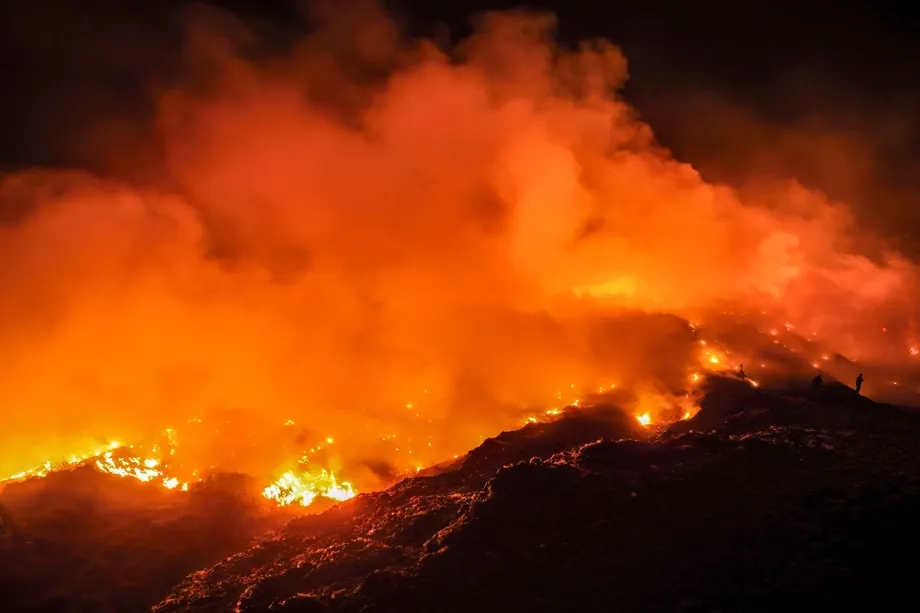
Several companies have acknowledged fires or hotspots within Indonesian concession boundaries while giving different explanations for where the fires began. Their statements make the location and management of land an important part of the assessment teams' work.
TSH Resources said 274 hotspots detected within its concession boundaries between January 1 and October 21 were in community enclave areas outside its planted or operational areas. Wilmar said field checks indicated that fires in some concessions had begun outside their boundaries or on land farmed by communities within them, before spreading into areas it managed.
Kencana Agri reported fires affecting about 62 hectares within a concession in North Kalimantan operated by a subsidiary. It said fires had spread from adjacent areas and that its firefighting teams had contained them. Its operational review included field inspections, patrol and incident records, drone surveillance and hotspot monitoring.
Bumitama Agri said some incidents appeared to have developed outside areas it directly managed. Bumitama and Wilmar both cited prolonged dry conditions associated with El Nino as increasing fire risks. Golden Agri Resources said it had found no information indicating its operations had caused or contributed to the haze, based on its assessment at the time.
Assessors would bring satellite observations together with concession maps, company records and evidence from the ground. That combination is needed to reconstruct where fires started, how they spread, who managed the affected areas and how businesses responded.
Stock exchange, banks and buyers increase scrutiny
Singapore Exchange Regulation sent further queries on October 28 to seven listed plantation groups: Golden Agri Resources, Bumitama Agri, First Resources, Wilmar International, Kencana Agri, Indofood Agri Resources and TSH Resources.
The regulator asked them to explain fire monitoring, prevention and response measures, and the basis for judging those measures effective. It also requested details of links to the 10 Indonesian recipients of preventive notices, board assessments of any material business impact, and disclosure of inquiries or investigations by authorities.
Eight agribusinesses, including Olam Group, had answered an earlier round of questions. All said they did not use fire to clear land. The latest requests seek more detail about how their policies work in practice and what the fires mean for their businesses.
Share prices moved unevenly after the October 23 notices. On October 26, First Resources fell 1.09 percent to S$3.64, Bumitama Agri declined 1.84 percent to S$1.60 and Kencana Agri dropped 5.66 percent to S$0.50. Golden Agri Resources rose 1.85 percent, while Indofood Agri Resources and TSH Resources were unchanged.
The Monetary Authority of Singapore reminded banks to assess environmental risks and consider limiting exposure or ending relationships where warranted. Buyers were also seeking answers: FairPrice, Sheng Siong, Giant and Cold Storage contacted relevant suppliers. Giant and Cold Storage said products remained on shelves while they sought clarification.
The Singapore Environment Council temporarily restricted Asia Pulp & Paper's green certification on October 18, with the action announced on October 19, and required daily fire response reports. Its scrutiny extends to the suppliers behind certified products.
From preventive notices to a November deadline
Singapore's inquiry expanded after NEA sent preventive notices to Indonesian concession holders. Those Section 9 notices require action against fires, including deploying firefighters, stopping burning and submitting plans to prevent recurrence. They carry no penalty for failing to respond, unlike the Section 10 information notices.
The sequence brings the current deadlines into focus:
- October 16: NEA issued preventive notices to seven Indonesian companies.
- October 19: Three more Indonesian companies received preventive notices, bringing that group to 10.
- October 23: NEA issued information notices to 10 Singapore registered companies. The government announced the specialist panel and appointed Davinder Singh Chambers.
- October 27: Fu outlined enforcement gaps and the difficulty of verifying evidence overseas.
- October 28: All 10 companies were represented at the ministerial meeting and pledged cooperation.
- November 2: Responses to the information notices are due.
- November 3: Fu is expected to introduce the THPA amendments in Parliament.
The expansion followed preventive notices in Kalimantan and a wider government effort to examine corporate owners, buyers and financiers connected to concession holders. Across the two groups, 20 companies had received notices.
Health protection drives action beyond the haze
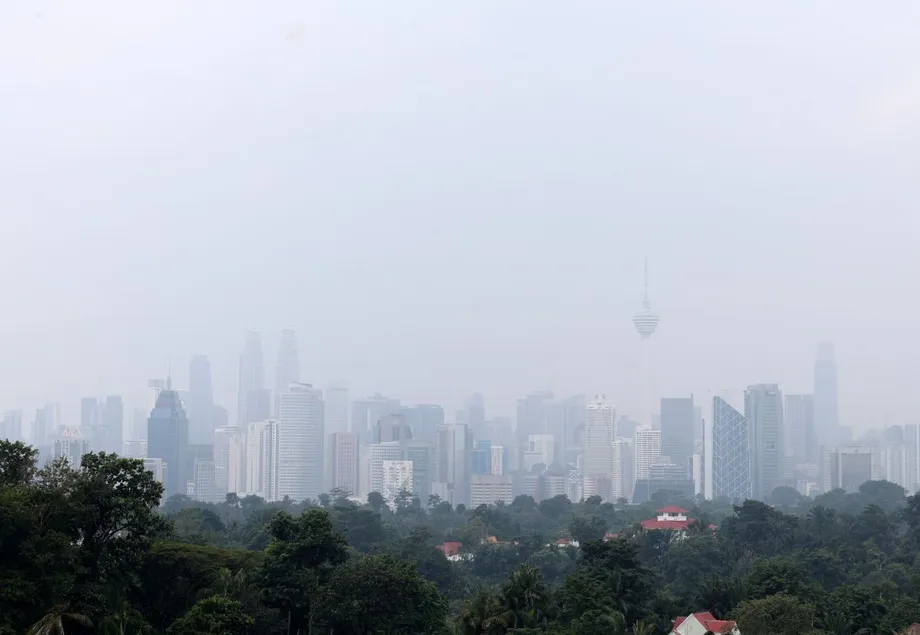
Singapore's air quality reached the very unhealthy range in October, disrupting daily life and increasing risks for children, older people and people with chronic heart or lung conditions. The consequences have included releases of N95 reserves to retailers and changes to school arrangements as authorities prepared for worse air.
Shanmugam told company leaders that haze resulted from fires associated with irresponsible business practices. He said companies with a corporate presence and stake in Singapore had a responsibility to ensure their operations and supply chains did not contribute to the pollution.
The senior minister put public health at the centre of the government's response.
The haze has caused real harm to Singapore and Singaporeans. We cannot treat this as an unavoidable fact of life or business. The health and well-being of Singaporeans must come first.
For companies, the next steps are concrete: answer NEA's requests, appoint assessment teams and open relevant records and operations to examination. For the government, the test is turning those assessments into verified findings and decisions, while maintaining scrutiny after the smoke clears.
Key Points
- All 10 companies represented at the October 28 meeting pledged full cooperation with Singapore's haze investigations.
- Responses to NEA's Section 10 information notices are due by November 2.
- Grace Fu is expected to introduce amendments to the haze law on November 3.
- Companies would pay assessment teams, while NEA would set the questions and receive their findings.
- Proposed powers would make refusal to appoint assessors or cooperate fully an offence.
- Stock exchange regulators, banks and buyers are also examining environmental risks and company responses.
- The government intends regular assessments and public updates on cooperation.