Seoul withdraws diplomats as a prisoner dispute deepens
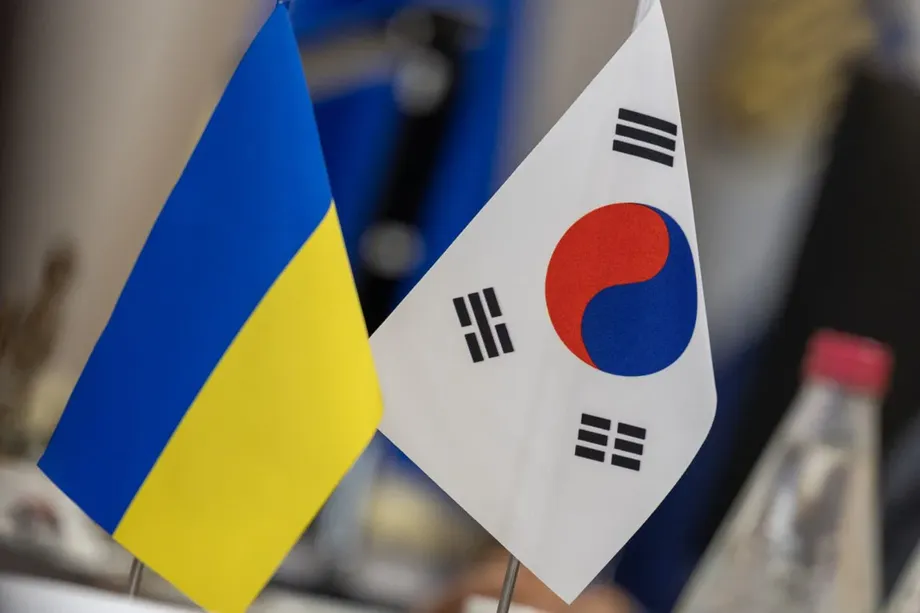
South Korea has withdrawn eight diplomatic personnel from Ukraine and warned that relations could deteriorate to a complete diplomatic break, escalating a dispute over President Volodymyr Zelenskyy's disclosure that two captured North Korean soldiers had been transferred to Seoul.
Contents
- Seoul withdraws diplomats as a prisoner dispute deepens
- What the two governments disagree about
- How the confrontation unfolded
- Why an apology has not settled the dispute
- What happens to the embassy and South Korean citizens?
- The two prisoners at the center of the dispute
- Cooperation continues despite the confrontation
- Why managing sensitive information has become harder
- Key Points
Foreign Minister Cho Hyun told lawmakers during an October 27 parliamentary audit that essential embassy staff remained in Ukraine to protect South Korean citizens. His warning followed the recall of Ambassador Park Ki-chang and weeks of disagreement over whether the prisoners' transfer was covered by a confidentiality understanding.
The two soldiers were captured by Ukrainian forces in Russia's Kursk region in January 2025 while fighting on Russia's side. They arrived in South Korea in the middle of September 2026, before Zelenskyy publicly announced their transfer during his September 23 address to the United Nations General Assembly.
Seoul says secrecy was necessary to protect the soldiers and their relatives in North Korea. Kyiv disputes Seoul's account of the confidentiality arrangements and says the announcement revealed neither the prisoners' identities nor sensitive operational details.
Cho, responding to a lawmaker who asked whether the confrontation could reach the point of severing relations, described that outcome as possible if tensions continued to rise.
Yes, if the escalation continues in this way, I think there is a possibility that this could happen.
South Korea is still communicating with Ukraine's foreign ministry and continuing humanitarian assistance. The immediate situation is therefore a reduced diplomatic presence alongside continuing talks, with Seoul warning that further escalation could bring a much more serious rupture.
What the two governments disagree about
Seoul's central complaint concerns permission to disclose the transfer itself. South Korean officials say both governments agreed from the beginning to keep the arrangement confidential because publicity could expose the soldiers and their families to danger.
South Korean President Lee Jae-myung accused Ukraine of breaking that understanding. Seoul subsequently demanded three things: an official explanation, an apology and assurances that a similar disclosure would not happen again.
Zelenskyy's communications adviser, Dmytro Lytvyn, denied that such an agreement existed. Ukraine's presidential office also said South Korea had been informed beforehand that Zelenskyy intended to mention the transfer in his UN speech.
Ukrainian Foreign Minister Andrii Sybiha later described the dispute as a difference in how the confidentiality requirements were understood at different stages of the transfer. He maintained that Ukraine had fulfilled its obligations and said Kyiv considered the matter closed.
South Korea says confidentiality governed the talks even though the governments had not signed a formal nondisclosure document. Seoul also says its internal records support its position and that it objected to public disclosure before Zelenskyy's speech.
The practical disagreement is whether advance notice of an announcement was enough, or whether Ukraine needed South Korea's agreement before making it. Seoul treats the announcement as a breach requiring a remedy; Kyiv says it met its commitments.
How the confrontation unfolded
The dispute developed over more than a month, moving from a presidential announcement to the recall of an ambassador and the withdrawal of embassy personnel. The main reported dates are:
- January 11, 2025: Ukraine announced the capture of two North Korean soldiers in Russia's Kursk region.
- Middle of September 2026: The soldiers arrived in South Korea after months of discussions.
- September 23: Zelenskyy announced their transfer during his UN General Assembly address.
- October 2: Lee warned that South Korea could take further measures unless Ukraine acknowledged Seoul's concerns and apologized.
- October 8: Seoul announced the recall of Ambassador Park Ki-chang. He returned to South Korea on October 10.
- October 20: South Korea announced plans to withdraw embassy personnel.
- October 27: Cho told lawmakers that eight diplomatic personnel had been withdrawn and warned that further escalation could threaten diplomatic relations.
The earlier ambassador recall marked a sharp deterioration in relations. The subsequent withdrawal of additional personnel extended Seoul's protest while leaving a smaller embassy operation in place.
Why an apology has not settled the dispute
Cho said in early October that he had received a statement from Sybiha containing an apology, but that its wording fell short of South Korea's expectations. Seoul continued to seek an explanation and safeguards against another disclosure.
The existence of that message helps explain why South Korea's complaint is about an insufficient response rather than a complete absence of communication. The two foreign ministers have remained in contact, yet their governments still describe the status of the dispute differently.
South Korea's foreign ministry said on October 20 that Seoul had raised its position through several channels without receiving a sufficient answer. Kyiv's statement that the matter was closed left South Korea's demands unresolved.
An apology can address different things. A government may express regret that a disagreement occurred while stopping short of accepting that it broke a promise. Here, Seoul wants acknowledgment of its confidentiality concerns as well as reassurance about future cases, while Ukraine maintains that it fulfilled its obligations.
Cho, South Korea's foreign minister, told the parliamentary audit that efforts to settle the confrontation were continuing.
I have continued communicating with the Ukrainian foreign minister to resolve the issue as soon as possible.
No date for a settlement or further diplomatic decision has been announced. The immediate task for the ministers is to find wording and practical commitments that both governments can accept.
What happens to the embassy and South Korean citizens?
South Korea cited two reasons for withdrawing personnel: Ukraine's response to the dispute and persistent threats from Russian airstrikes. The decision combines diplomatic pressure with concern for the safety of staff working in a country at war.
Seoul announced plans on October 20 to withdraw roughly half its embassy personnel. Cho later confirmed that eight had left. Essential diplomatic and consular staff remain, with necessary contacts continuing through the chargé d'affaires, the diplomat who leads an embassy when its ambassador is absent.
Recalling an ambassador brings the senior envoy home for consultations and signals serious dissatisfaction. Withdrawing more personnel reduces the embassy's presence further. Severing diplomatic relations would go beyond either measure and formally break the relationship that allows the governments to maintain their normal diplomatic missions.
For South Koreans in Ukraine, the immediate concern is continued access to help during Russian attacks. Consular personnel assist citizens with matters such as travel documents, emergencies and arrangements to leave when necessary.
South Korea's foreign ministry planned to contact approximately 85 South Korean nationals in Ukraine to ask whether they wanted assistance leaving. Cho said the remaining essential personnel were working to protect citizens amid continued attacks.
The two prisoners at the center of the dispute
Ukraine captured the soldiers during fighting in Kursk, the Russian region where North Korean troops had joined Moscow's forces. Ukrainian accounts said one soldier carried Russian military identification documents and the other had no identification.
The prisoners initially rejected an offer to relocate to South Korea, then reportedly changed their minds later in 2025. A letter shown by activists indicated that they wanted to begin a new life there. Their eventual transfer followed months of discussions between Seoul and Kyiv.
South Korea's stated concern extends beyond the two men. Their relatives remain in North Korea, and Seoul says protecting those families was a reason to keep the transfer secret. Kyiv's response focuses on the limited content of Zelenskyy's announcement: confirmation of the transfer without names or operational details.
South Korea's intelligence service told lawmakers that Ukraine had initially requested secrecy, partly because transferring the soldiers could draw criticism that Kyiv had passed up an opportunity to exchange them for Ukrainian prisoners held by Russia. That account adds another reason confidentiality mattered during the negotiations.
The case brought together two different priorities. Ukraine had an interest in showing the world that North Korean soldiers were fighting for Russia. South Korea wanted to receive the men while limiting publicity around their relocation. The transfer achieved the relocation, but the announcement exposed the governments' incompatible expectations about what could be said publicly.
Cooperation continues despite the confrontation
Cho said South Korea's wider support for Ukraine remained unchanged. Seoul continues to provide humanitarian assistance, participate in Ukraine reconstruction conferences and support international efforts to end the war.
South Korea has nevertheless continued to withhold direct lethal assistance to Ukraine. Kyiv has sought a closer security partnership, particularly as North Korea's contribution of troops and weapons to Russia links the war more directly to South Korean security concerns.
Ukraine's air defense appeal earlier in 2026 illustrated that ambition. Zelenskyy sought South Korean missile defenses and offered to share Ukrainian drone technology. As of August 11, Seoul had announced no decision to provide its KM SAM II system.
The prisoner dispute now sits alongside those broader discussions. Ukraine wants support against Russian attacks, while South Korea has an interest in information about North Korean troops, weapons and the military experience they gain in the war.
In October 2024, Zelenskyy and then South Korean President Yoon Suk-yeol agreed to intensify exchanges of intelligence and expertise. Their governments' dealings have since involved battlefield conditions, North Korean prisoners and military cooperation between Moscow and Pyongyang, subjects requiring careful decisions about secrecy and public statements.
Why managing sensitive information has become harder
South Korea and Ukraine's diplomatic consultation arrangements developed around a less sensitive agenda. Their eighth round of foreign ministry political consultations took place in 2019 after a gap of seven years and focused largely on trade, investment, science, technology and agriculture.
Ukrainian officials were discussing reviving those consultations on September 16, a week before Zelenskyy's UN announcement. By then, the relationship already involved questions about captured soldiers and information connected to an active war.
The current dispute shows the concrete decisions those contacts now need to handle: which information is confidential, how long restrictions last, who can approve publication and what happens when one government objects to an announcement.
Seoul says an understanding existed without a signed confidentiality document. Kyiv says the requirements were understood differently. Written terms and a process for taking unresolved objections to senior officials would address those particular points of disagreement, although neither government has announced such an arrangement.
The immediate decision remains with the two foreign ministers and their governments. Seoul is demanding acknowledgment and safeguards, while Kyiv says it has met its obligations. Their continuing communication, the embassy staff still in place and ongoing humanitarian assistance provide working channels through which a settlement can be pursued.
Key Points
- South Korea has withdrawn eight diplomatic personnel from Ukraine after recalling its ambassador.
- Cho Hyun warned that continued escalation could lead to a break in diplomatic relations.
- The dispute concerns Zelenskyy's September announcement that two captured North Korean soldiers had been transferred to South Korea.
- Seoul says confidentiality was agreed to protect the soldiers and their families. Kyiv disputes that account and says it fulfilled its obligations.
- South Korea considers Ukraine's apology insufficient and continues to seek an explanation and assurances against another disclosure.
- Essential embassy personnel remain in Ukraine, and Seoul continues humanitarian assistance and talks with Kyiv.