October 21 Delivery Reaches Ship at Disputed Shoal
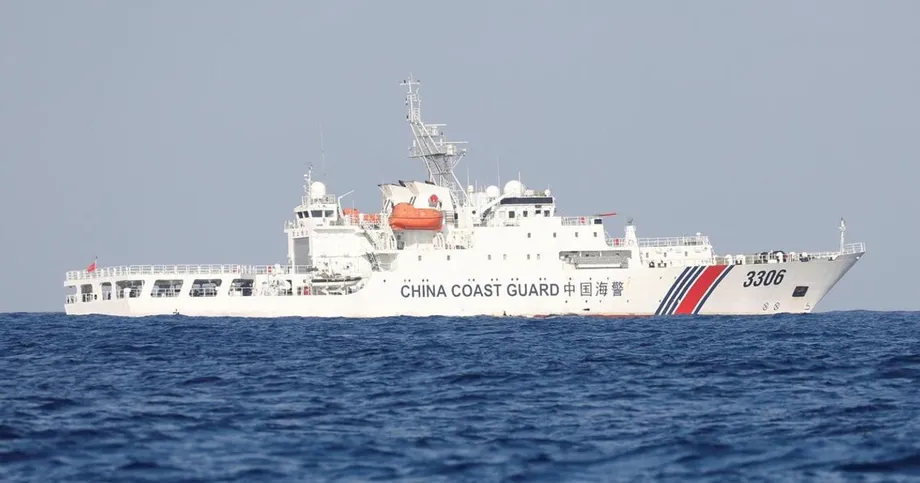
The Philippines delivered daily necessities on October 21, 2026, to the BRP Sierra Madre at Second Thomas Shoal in the South China Sea, according to China Coast Guard spokesperson Jiang Lue. Jiang said China had approved the delivery, checked the Philippine vessel carrying the supplies and monitored the entire operation.
Contents
The mission came less than a month after the Philippine Coast Guard accused China of obstructing a September 25 resupply operation at the same shoal. It also followed an October 19 diplomatic protest in which Manila challenged remarks by China's ambassador that the Philippine foreign ministry said conveyed a threat of force.
Second Thomas Shoal, which China calls Ren'ai Jiao, has become a recurring point of confrontation between Beijing and Manila. The Philippines keeps the Sierra Madre there, while China claims the shoal as part of the island group it calls Nansha Qundao. Philippine personnel aboard the ship depend on deliveries from outside.
Jiang described the latest mission as an approved delivery of living necessities under Chinese monitoring. The Philippine military and coast guard had not immediately responded with their own account. The quantity of supplies, the number of vessels involved and the detailed arrangements for the October 21 operation were not disclosed.
What China Said Its Coast Guard Did
Jiang said the China Coast Guard inquired about and verified the Philippine vessel carrying the supplies before monitoring the mission throughout. His statement presented the operation as taking place with Chinese permission, a description that reflects Beijing's claim to authority over the disputed waters.
The spokesperson also said the coast guard would continue law enforcement and operations to protect China's claimed rights in Nansha Qundao and nearby waters, including Ren'ai Jiao. For vessels approaching the Sierra Madre, that means China's coast guard intends to maintain its presence beyond this particular delivery.
Verification, monitoring and approval describe different parts of China's account. Verification concerns checking the vessel involved; monitoring means watching its activities; approval is Beijing's assertion that it authorized the mission. Jiang's statement did not explain how the checks were carried out or whether Chinese personnel boarded the Philippine vessel.
Manila's immediate account would be needed to describe how Philippine personnel experienced the operation. For now, the details of the completed delivery come from the Chinese coast guard's statement.
A Supply Arrangement Amid Competing Claims
China and the Philippines previously reached a provisional arrangement covering humanitarian deliveries of living necessities to the Sierra Madre. A provisional arrangement is a temporary understanding for managing a practical problem while a wider disagreement continues.
At Second Thomas Shoal, the practical problem is keeping people aboard the grounded ship supplied. The wider disagreement concerns control of the shoal and the authority each government claims over activities around it. Food and other daily necessities must reach the vessel even as the two sides dispute the conditions under which deliveries take place.
The October 21 statement referred to Chinese approval, checks and monitoring, but gave no detailed explanation of how those steps fit into the provisional arrangement. It also gave no new timetable for talks or changes to the resupply process.
China's description of the Sierra Madre as illegally grounded is its position in the dispute. The shoal is contested by the Philippines, and Beijing's claim that it authorized the delivery is part of that continuing disagreement over authority.
The Ship Has Been There Since May 1999
The Philippines grounded the BRP Sierra Madre, a tank landing ship identified as LT-57, at Second Thomas Shoal in May 1999. By October 2026, it had remained there for more than 27 years.
The ship serves as a Philippine outpost at the shoal. Its continued presence makes resupply a recurring task: personnel need necessities delivered to a fixed location where Chinese coast guard vessels also operate.
Beijing says Manila repeatedly promised to tow the vessel away. The ship remains at the shoal, and China's demand for its removal forms part of its objection to the Philippine presence there.
The long duration helps explain why a delivery of ordinary necessities receives diplomatic attention. Each voyage involves more than moving supplies to a ship. It also brings Philippine vessels into waters where China says it will carry out law enforcement, creating repeated encounters between the two countries.
September Disputes Preceded the Latest Mission
The Philippine Coast Guard accused China of obstructing a resupply mission to Second Thomas Shoal on September 25. China said Philippine vessels had ignored its warnings and that Chinese personnel responded with monitoring at the scene and verbal warnings.
The October 21 delivery took place 26 days after that dispute. China described the later mission as approved and monitored, while the earlier operation had prompted a Philippine accusation of obstruction. The two episodes show how the conditions surrounding access to the same outpost can become a point of contention from one voyage to the next.
A separate confrontation occurred near another South China Sea shoal in September. The Philippine Coast Guard said a Chinese coast guard vessel rammed a Philippine boat carrying out a refuelling mission. China blamed the Philippines for the collision.
That collision and the September 25 resupply dispute involved different reported incidents. Together, they placed the October delivery against a recent history of both physical encounters at sea and disagreements about warnings, vessel movements and responsibility.
Diplomatic Tensions Reached the Ambassador
The Philippine foreign ministry summoned China's ambassador on October 19, two days before the latest resupply mission. Manila said remarks by the envoy conveyed a threat of the use of force and expressed serious concern and strong objection.
The Chinese diplomat rejected Manila's interpretation that his remarks conveyed a threat. The dispute therefore extended beyond coast guard activity to the language used by the two governments in their diplomatic exchanges.
The sequence of recent events is:
- May 1999: The Philippines grounded the BRP Sierra Madre at Second Thomas Shoal.
- September 2026: The Philippine Coast Guard accused a Chinese vessel of ramming a Philippine boat near another shoal. China blamed the Philippines.
- September 25, 2026: Manila accused China of obstructing a resupply mission to Second Thomas Shoal. Beijing said it issued warnings and monitored the operation.
- October 19, 2026: The Philippine foreign ministry summoned China's ambassador over remarks it interpreted as conveying a threat of force.
- October 21, 2026: China said it approved and monitored a Philippine delivery of necessities to the Sierra Madre.
Why This Delivery Matters
For Philippine personnel aboard the Sierra Madre, the immediate result was the arrival of daily necessities, according to the Chinese account. For the two governments, the operation brought their competing positions back into view: Manila maintains its outpost, while Beijing says it controls access and will continue enforcement operations nearby.
China's broader South China Sea claims overlap with those of Brunei, Malaysia, the Philippines, Taiwan and Vietnam. The confrontation at Second Thomas Shoal is one specific dispute within that larger geography, with a grounded Philippine ship and repeated supply voyages at its centre.
The provisional resupply arrangement gives the two sides a way to address the needs of personnel aboard the vessel. Its practical value depends on how deliveries proceed during encounters at sea, especially after incidents such as the September 25 dispute.
The October 21 mission brought supplies to the outpost, but both governments' stated positions remain in place. China says its coast guard will continue operating around the shoal, and the Sierra Madre remains where the Philippines grounded it more than 27 years ago.
Key Points
- China said it approved and monitored an October 21, 2026, Philippine delivery of daily necessities to the BRP Sierra Madre.
- Coast guard spokesperson Jiang Lue said Chinese personnel checked the supply vessel and watched the entire operation.
- The ship has been at disputed Second Thomas Shoal, known in China as Ren'ai Jiao, since May 1999.
- A provisional arrangement covers humanitarian resupply, while the countries continue to dispute authority at the shoal.
- The mission followed a September 25 resupply dispute and an October 19 Philippine diplomatic protest.
- The Philippine military and coast guard had not immediately provided their account of the latest delivery.