Festival Week Is Already Reshaping Travel Plans
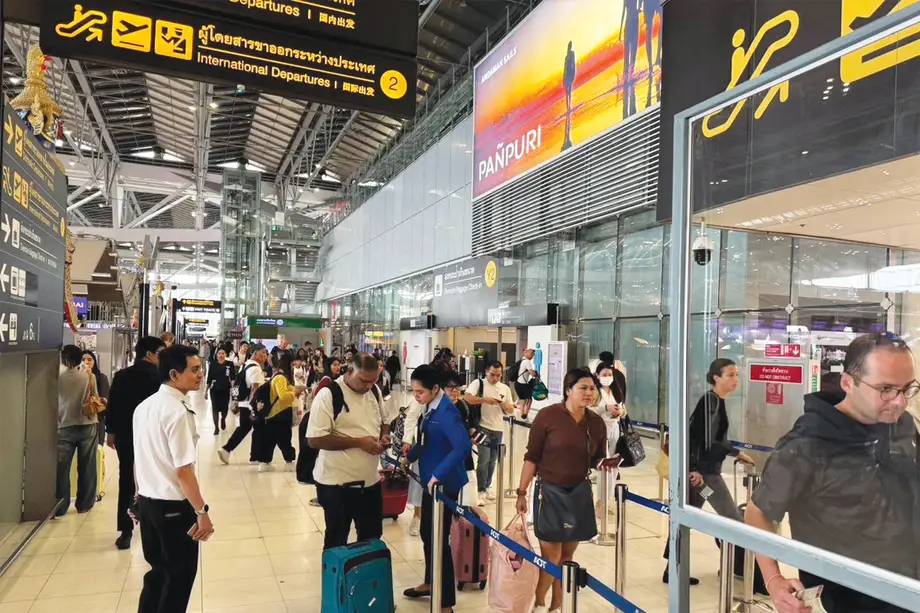
Bangkok and U-Tapao are facing a 24% rise in international air bookings for December 7 to 13, 2026, as Tomorrowland prepares for its first full scale Asian festival at Wisdom Valley near Pattaya from December 11 to 13. The figures come from Amadeus Arrivals & Stays, measured on October 28, 2026, and compare the festival week with the same period in 2025. The event is sold out, with about 150,000 admissions expected across three days and up to 50,000 visits a day.
Contents
- Festival Week Is Already Reshaping Travel Plans
- Why the Sales Calendar Matters for Flights
- Which Markets Are Driving the Surge
- Why Pattaya Room Rates Are Climbing
- The Economic Stakes Reach Beyond the Gate
- Safety and Traffic Move to the Centre
- A Sellout Does Not Remove the Financial Risk
- What Visitors Will See Beyond the Music
- Why Event Travel Is Becoming a Tourism Tool
- What Still Needs to Be Seen
- Key Points
Hotel demand has moved in step. Amadeus Demand360, measured on October 26, 2026, shows Pattaya hotel bookings for nights from December 6 to 13 up 7% from a year earlier. Average daily rate, often shortened to ADR, is up 44%. Revenue per available room, or RevPAR, a measure that combines room price and the share of rooms sold, is up 39%. Occupancy is up 7%, and Bangkok hotel bookings are up 23% over the same nights, showing demand beyond the immediate festival town.
The figures are advance booking indicators for travel demand in the festival window, not a headcount at the gate. Because the comparison covers a busy December period, the data captures all travel demand in those dates. Even with that limit, the timing, the sold out audience and the scale of the room price change make the Thai debut one of Asia's strongest examples of entertainment shaping tourism before the first performer goes on stage. That is a large amount of demand to absorb in a short window.
Why the Sales Calendar Matters for Flights
Flight booking activity did not rise evenly across the year. Amadeus records notable increases after Tomorrowland hotel packages went on sale on February 28, 2026, and after general tickets were released on March 7, 2026. Those dates give the travel pattern a clear outline: fans secured a place at the festival, then booked the flights and rooms needed to reach it.
The stays being booked are close to the event. International bookings for 6 to 13 nights rose 56%, while those for 1 to 5 nights rose 35%. In plain terms, many visitors are planning either a festival week trip or a shorter visit built around the same dates. Amadeus reads that pattern as consistent with travel centred on the festival week.
The five year plan set the 2026 to 2030 arrangement and the choice of Wisdom Valley in Chonburi. Later steps turned the agreement into a travel event with a fixed sales calendar and a fixed set of dates.
- January 2026: Tomorrowland announced its Thailand debut.
- February 28, 2026: Hotel and festival packages went on sale.
- March 7, 2026: General tickets were released and sold out.
- October 15, 2026: Organisers said installation work began at Wisdom Valley.
- December 11 to 13, 2026: The festival is scheduled to run.
- 2027: Organisers plan to expand to two consecutive weekends.
The sales sequence matters because airlines and hotels plan far ahead. A ticket release can turn a future festival into a reason to book weeks or months earlier, giving destinations a usable signal before visitors arrive.
Which Markets Are Driving the Surge
International visitors dominate the audience. Thailand's government has reported that overseas buyers account for about 85% of tickets sold, about 127,500 international attendee visits if the event reaches its expected 150,000 admissions. The remaining 15% would be around 22,500 Thai attendee visits. The government has also said those foreign visitors come from more than 196 countries.
The strongest named markets are close to Thailand. Malaysia accounts for 8.5% of ticket purchases, Singapore 7.5%, Australia 6.5% and the United States 3.5%. During December 7 to 13, bookings for air arrivals from Malaysia are up 110% from the 2025 period, Singapore up 97%, Australia up 21% and the United States up 23%.
Ticket shares and air arrival changes measure different things. Ticket shares show where buyers purchased tickets; air arrival changes show how travel from each market moved during the festival window. A 110% rise from Malaysia means bookings for air arrivals from that market more than doubled in the measured period.
Why Pattaya Room Rates Are Climbing
Room prices in Pattaya are responding faster than room counts. The 44% rise in average daily rate means the average room sold cost 44% more than in the comparable 2025 period. RevPAR, up 39%, captures both higher prices and more rooms filled. Occupancy rose 7%, and hotel bookings rose 7%.
Thailand's Tourism Authority has put occupancy in Pattaya and nearby Chonburi at 99% for December 11 to 13, with room rates up 2 to 3 times. That estimate is sharper than the Amadeus Demand360 booking measure, which tracks nights booked for December 6 to 13 and was taken on October 26. Both point in the same direction: a limited supply of rooms near the venue is meeting a wave of festival demand.
The authority also said inbound flight bookings to Thailand for the festival period were more than 40% higher. That is a wider measure than Amadeus's 24% rise for international bookings into Bangkok and U-Tapao from December 7 to 13. Hotel bookings are also spreading to Rayong and Bangkok.
Bangkok's 23% increase in bookings for the same December 6 to 13 window shows the pressure is spreading. Some visitors may land in Bangkok before moving to Pattaya, while others may use the trip to see more of Thailand. The Bangkok figure covers all hotel bookings in the measured window, including travellers with other reasons to visit.
The Economic Stakes Reach Beyond the Gate
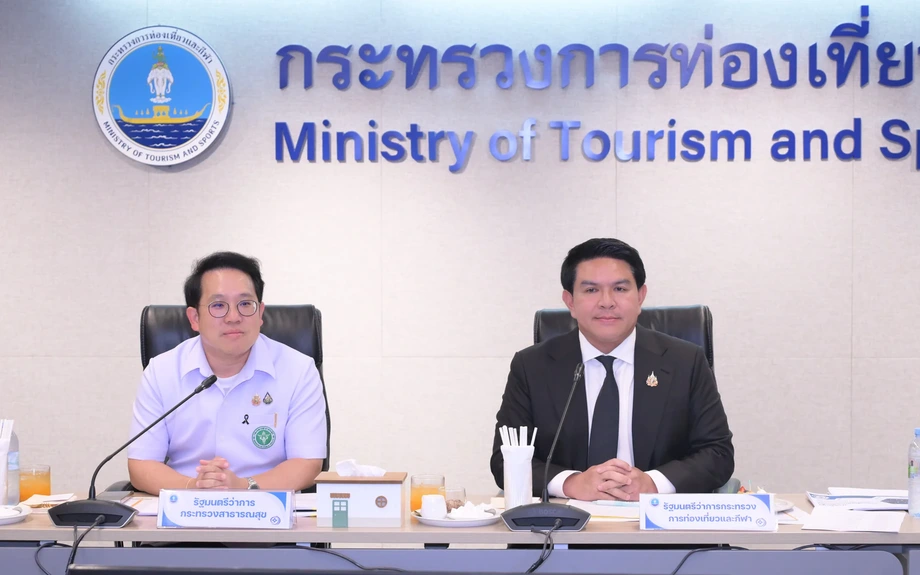
Thailand's Ministry of Tourism and Sports and the Tourism Authority of Thailand estimate the first edition will generate 6,132 million baht, about 159 million euros, in economic activity. They project about 732 million baht in state tax revenue, including direct event taxes, value added tax from visitor spending, withholding tax from artists and indirect taxes from local suppliers. At least 5,000 million baht, and possibly up to 5,500 million baht, is expected to circulate directly in Chonburi and the eastern region.
The estimate also includes more than 4,000 jobs. TCEB, the Thailand Convention and Exhibition Bureau, and the ministry estimate that over the five editions from 2026 to 2030, the event could draw more than one million cumulative attendees and create 12,000 to 21,000 million baht in economic value. That five year range spans several festivals, while the 6,132 million baht figure covers the first edition alone.
A Board of Investment investment approval projected at least 21,000 million baht over five years and more than 60% of attendees arriving from overseas. The Tourism Authority estimate puts overseas ticket buyers at 85% and the first edition's economic activity at 6,132 million baht. Actual visitor spending will be assessed after the event with relevant agencies and Pattaya's hotel association.
Safety and Traffic Move to the Centre
Tourism Authority of Thailand governor Thapanee Kiatphaibool inspected Wisdom Valley in Tambon Khao Mai Kaeo, Bang Lamung District, Chonburi, with executives from Tomorrowland and Wisdom Valley. She checked attendee safety, traffic management and entry and exit routes. Those details matter when up to 50,000 people are expected on site each day, especially in an area near Pattaya that must also serve residents and other visitors.
The Tourism Authority framed the visit under Trusted Thailand, a tourism push centred on visitor confidence and safety, and its Festival Economy approach, which uses events to encourage travel and spread spending to nearby communities. The practical goal is to move money beyond the venue to hotels, restaurants, shops, transport operators and businesses in Chonburi and neighbouring areas.
The region has more than 3,500 hotels and 66,000 rooms, along with access to U-Tapao, Suvarnabhumi and Don Mueang airports. That infrastructure helps explain why festival week bookings can appear in both Pattaya and Bangkok. It also explains why traffic planning is part of the tourism pitch: a visitor stuck at an entrance or on a road is less likely to spend freely or return.
A Sellout Does Not Remove the Financial Risk
Tomorrowland Thailand has sold every ticket, but the first edition is still expected to lose money. Rachata Thunyavuthi, an executive board member of organiser WEAREONE.WORLD (Thailand) Co Ltd, said the production budget has risen and that the opening year would run at a loss despite full attendance. His comments came in a November look at the first edition loss.
The first year will definitely make a loss," Rachata said. "Investment is about 2 billion baht, above our original budget.
Rachata put the current investment at about 2 billion baht, up from an initial 1.6 billion baht, a 25% increase. He said shortages of equipment in Thailand forced the organiser to import extra supplies from Singapore and Malaysia. Around 60% of the budget covers first edition costs, 20% supports spending that can serve three to five years of events and 20% pays for landscaping and venue improvements.
The travel figures add another layer to the project's finances. Strong airport bookings and higher room rates can help hotels, transport firms and shops, while the organiser still carries a heavy upfront bill. The size of the expected loss and a full breakdown of ticket income and other revenue have not been disclosed.
Rachata said the Belgian partners want to stay, but their decision will rest on public agencies meeting commitments, the visitor experience and the reception of the first event. He also pointed to Cabinet support of 2 billion baht across five editions, equivalent to 400 million baht a year, including 400 million baht for the first year. That support leaves a gap against a 2 billion baht first edition budget.
What Visitors Will See Beyond the Music
The festival's appeal reaches beyond the DJs. Tomorrowland will use stages including Mainstage, CORE and Freedom, with the full programme featuring more than 100 artists from over 20 countries. Martin Garrix and Swedish House Mafia lead the lineup, and more than 20 Thai artists are included. The full lineup showed how the organiser is mixing international electronic music with local talent.
The site covers 237 acres in Khao Mai Kaew, with seven stages planned. CORE and Freedom will make their Asian debuts, and the programme includes names such as Afrojack, Alan Walker, Steve Aoki and Lost Frequencies. Details released with the lineup also pointed to a culinary programme featuring Chudaree Debhakam of Baan Tepa and Gaggan Anand.
Food is part of the same strategy. Tomorrowland and Lotus Bakeries have created The Cookie Factory by Biscoff, a temporary branded food area in a main food zone, for December 11 to 13. The menu includes Biscoff Latte, Iced Latte, Biscoff Tiramisu, Biscoff Cheesecake and Biscoff Frozen Yoghurt. The Legendary Baker will appear at the activation, which extends a partnership between two Belgian brands into the festival's food and drink offering.
The limited edition Biscoff Sandwich Cookie Espresso carries a Tomorrowland engraving instead of the usual Biscoff logo. It reached the Asia Pacific region in early October after selected European markets and is available in Thailand, Australia, China, Malaysia and Singapore. This detail sounds small, but it shows how a festival can sell its identity in shops and cafes before visitors ever reach Pattaya.
Why Event Travel Is Becoming a Tourism Tool
Tomorrowland's Thai debut fits a pattern that Amadeus has tracked across 2026. Flight searches to Paris rose 11% around Celine Dion concert dates. BTS performances were linked to a 68% rise in Singapore hotel occupancy and a 41% increase in arrivals to Bangkok. The common idea is simple: a performance gives travellers a fixed reason to choose a place and a date.
In tourism planning, these visitors are often called gig trippers, people who choose a destination because a performer or festival is appearing there. That matters for Thailand because a festival ticket can lead to hotel nights, meals, airport transfers, shopping and side trips. Bing Han Kee, Regional Vice President APAC for Travel Intelligence at Amadeus, described major music festivals as catalysts for destination tourism and said hospitality providers need to understand how international visitors may explore destinations beyond the performances themselves.
Thailand's plan uses culture and entertainment to build interest in the country, a policy often called soft power. Earlier planning for the festival called for Thai culture to appear in performances, stage design, food and work with nearby communities. That is why the food activation and local artist slots matter beyond ticket sales: they give international visitors things to remember and local businesses roles in the event.
Singapore and Vietnam are also investing in live events and cultural tourism. For Pattaya, the immediate test is practical: whether 150,000 admissions over three days can move smoothly through the venue and city while leaving visitors with a good enough experience to return.
What Still Needs to Be Seen
Several outcomes will become clear only after the festival. The Amadeus figures are advance bookings and reservations as of late October, so final airport arrivals, hotel occupancy and visitor spending will be measured after the event. The Tourism Authority's 6,132 million baht estimate is a forecast, and actual visitor spending will be assessed with relevant agencies and Pattaya's hotel association.
The operational test will begin before the music. Thapanee's inspection focused on safety, traffic and entry and exit routes, but no detailed traffic plan timetable or crowd movement data was given. The next public milestones are the completion of installation work at Wisdom Valley, the opening of the festival on December 11 and the assessment after the event of spending and visitor response.
Key Points
Tomorrowland's Thailand debut is already visible in travel data, hotel pricing and government planning. The main facts are these.
- International air bookings for Bangkok and U-Tapao during December 7 to 13 are up 24% from the same 2025 period.
- Pattaya average daily hotel rates are up 44%, RevPAR is up 39%, occupancy is up 7% and hotel bookings are up 7% for December 6 to 13.
- Bangkok hotel bookings for the same period are up 23%, pointing to demand beyond Pattaya.
- Overseas buyers account for about 85% of tickets, with Malaysia and Singapore showing the largest named air arrival increases.
- Thailand's Tourism Authority estimates 6,132 million baht in economic activity and about 732 million baht in tax revenue from the first edition.
- The sold out event still faces cost pressure, with investment put at about 2 billion baht and the first edition expected to lose money.