A packed festival faces an expensive first test
Tomorrowland Thailand expects to lose money on its debut at Wisdom Valley in Chon Buri on December 11 to 13, 2026, even after selling out capacity for 50,000 attendees a day within an hour. The organiser's budget has climbed from 1.6 billion to 2 billion baht, a 25% increase that puts pressure on the festival's planned five years in Thailand.
Contents
- A packed festival faces an expensive first test
- Why selling every ticket still leaves a loss
- Government backing and sponsorship leave gaps
- What the economic forecasts actually measure
- Pattaya's hotel boom brings a price problem
- Wisdom Valley takes shape around music and Thai culture
- Transport, medical care and fire precautions
- The five year plan depends on confidence
- Two weekends and thousands of tents in 2027
- Key Points
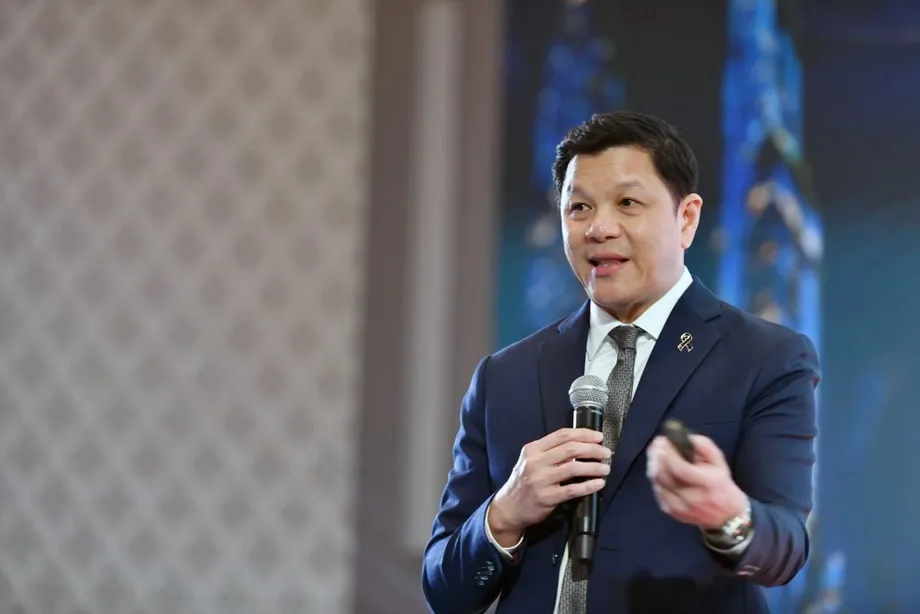
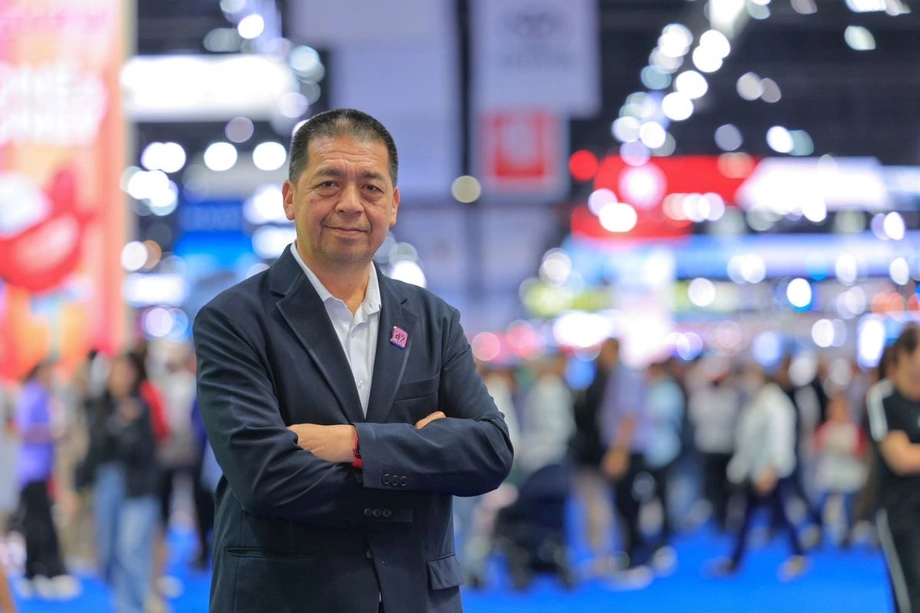
Rachata Thunyavuthi, an executive board member of organiser WEAREONE.WORLD (Thailand) Co Ltd, said the Belgian partners want to stay. Their decision will depend on public agencies meeting their commitments, visitors' experience and the reception of the first event, rather than ticket demand alone.
Rachata described the financial position facing the inaugural edition:
The first year will definitely make a loss," Rachata said. "Investment is about 2 billion baht, above our original budget.
The electronic dance music festival will occupy Wisdom Valley in Khao Mai Kaeo subdistrict, Bang Lamung district, near Pattaya. Rachata said Thailand would join Belgium and Brazil as a host of a full scale Tomorrowland festival, after the founders and Belgian team spent more than a decade searching for a suitable Thai location.
Pattaya is already feeling the pressure. Rachata put hotel occupancy for the festival period at 99%, against a normal December level of about 85%, with room rates tripling. The challenge is to turn exceptional demand into a visitor experience that supports repeat business, while paying for an elaborate production whose costs extend well beyond the performers.
Why selling every ticket still leaves a loss
December is a busy period for outdoor events across Asia. Rachata said shortages of equipment in Thailand forced the organiser to import additional supplies from Singapore and Malaysia, helping push the budget 400 million baht above its original level.
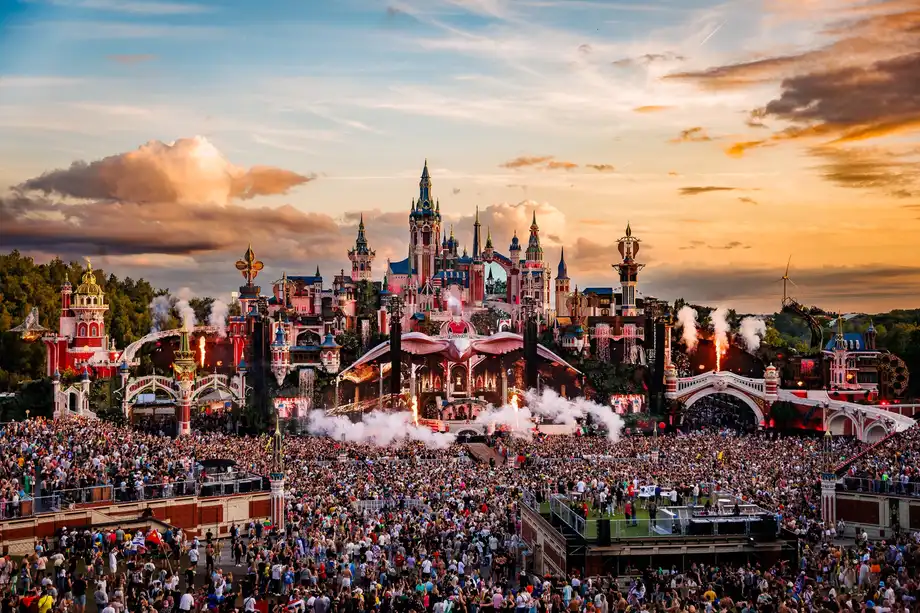
Tomorrowland also spends heavily on scenery, structures and experiences around the music. Rachata described its approach as "Disneyland for adults", with visitors paying for an environment to explore as well as performances by DJs.
About 60% of the 2 billion baht budget covers costs for the first edition alone, according to Rachata. Another 20% supports expenditure benefiting three to five years of events, while the final 20% pays for landscaping and improvements to the venue.
Applied to the current budget, those shares equal roughly 1.2 billion baht for the inaugural event, 400 million baht for expenditure serving several editions and 400 million baht for site improvements. Some spending therefore creates facilities or assets intended to serve later festivals, while the first edition carries the immediate financial burden.
The organiser has not disclosed the expected size of the loss or a complete breakdown of ticket income and other revenue. Rachata said costs would remain too high even with the planned 400 million baht in government support for the first year.
Government backing and sponsorship leave gaps
The Cabinet endorsed support totalling 2 billion baht across five editions, equivalent to 400 million baht annually, according to Rachata. The annual contribution amounts to 20% of the current inaugural budget. He said some funding had arrived, with further payments due after the event under the required procedures.
Rachata described the organiser as a joint venture with 85% Belgian and 15% Thai ownership, supported by Board of Investment promotion. He said it brings foreign investment into Thailand and pays Thai taxes, explaining the venture's structure in response to suggestions that a Thai operator had simply purchased a licence.
Private sponsorship has fallen below expectations. Crystal, the drinking water brand in the ThaiBev group, was the only sponsor secured at the time of his account. Tomorrowland restricts sponsor logos and vinyl banners on structures throughout the venue, which Rachata said could make Thai businesses question the value of participation.
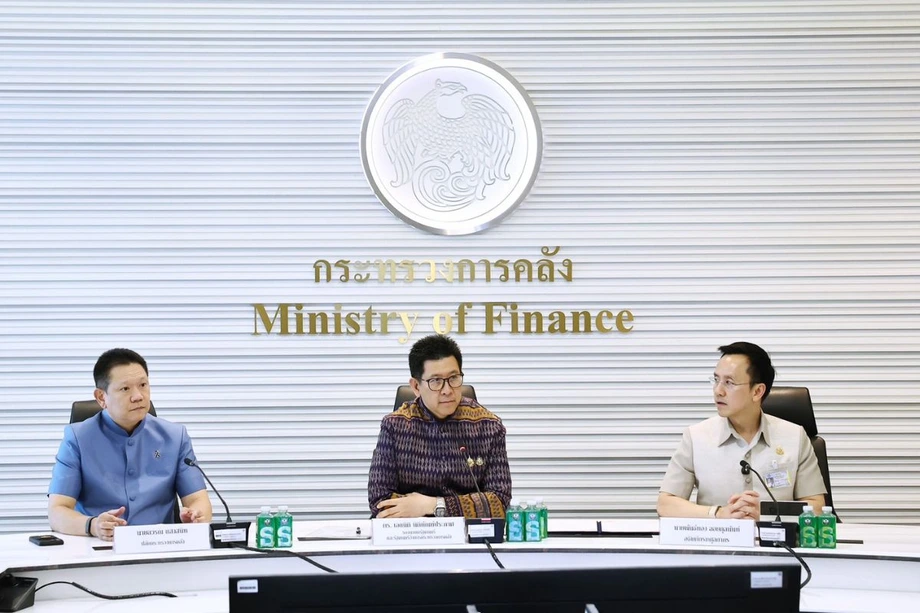
The Ministry of Tourism and Sports had earlier cited a festival investment of 1.65 billion baht; Rachata now puts the inaugural budget at 2 billion baht. The Cabinet's separate 2 billion baht support package covers multiple years. Tourism Minister Sorawong Thienthong said the project was initiated through the Tourism Authority of Thailand, rather than the Ministry of Culture, and would rely primarily on private investment.
What the economic forecasts actually measure
Rachata projects about 5 billion baht in economic activity associated with the 2026 festival, with later preparation updates suggesting the figure could exceed that amount. He expects a possible expansion in 2027 to raise annual activity to 10 billion baht.
Economic activity reaches businesses beyond the organiser. Visitors pay hotels, restaurants, transport operators and other suppliers, so Pattaya businesses can earn substantial income while the company staging the festival faces a loss.
Government forecasts cover a broader period. Sorawong cited about 12 billion baht in economic value and 5.2 billion baht in ticket sales across five years. Tourism Authority of Thailand governor Thapanee Kiatpaibool cited a Thailand Convention and Exhibition Bureau feasibility study projecting more than 21 billion baht in total economic impact for 2026 to 2030.
The government's 12 billion baht forecast and the study's figure above 21 billion baht use different descriptions of economic benefits, without a published explanation here of how each calculation was made. They should be presented as separate projections, alongside the organiser's annual estimate, rather than added together.
Sorawong also forecast 922,500 participants across five years, including about 50,000 in the first year. The organiser's current capacity figure is 50,000 attendees per day across three days, or 150,000 daily admissions. A person attending all three days occupies one place on each day, making the number of individual travellers a different measure.
Pattaya's hotel boom brings a price problem
Pattaya normally has about 85% occupancy in December across more than 100,000 hotel rooms, Rachata said. The festival period's estimated 99% occupancy represents an increase of 14 percentage points during an already busy season.
Room rates at three times their usual level bring more revenue to accommodation providers, but also increase the cost of attending. Rachata said some customers bought festival tickets without anticipating that finding suitable accommodation could become difficult.
The organiser met hotel operators in Pattaya and nearby areas in October to discuss excessive price increases. Rachata warned that costs beyond visitors' budgets could weaken spending during the trip and discourage them from returning for later editions.
Visitors are expected to stay an average of seven days, compared with an initial expectation of three to four days. Longer stays could spread spending beyond the festival weekend, while increasing the importance of affordable accommodation and reliable transport.
Tomorrowland offered 26,000 packages combining admission, hotels and transport, representing 13,000 hotel rooms. Organisers described demand from 196 countries, with Thai attendees making up about a quarter of the audience and ticket holders ranging into their seventies.
Wisdom Valley takes shape around music and Thai culture
More than 120 containers of staging equipment have been shipped from Belgium. The Teepsuwan family, the venue's landowners, helped reshape the site, including filling a lake to create ground for stage structures.
A preparation update put installations at more than 40% complete. Work began on October 15, with completion described as scheduled within 60 days of that start. Because the festival opens on December 11, the final installation and inspection schedule will be a critical part of preparations.
Plans describe six performance areas under the Consciencia concept, built around wonder, love, anger, joy, desire and sadness. The CODEX stage will draw on traditional Thai house gables and rooflines, bringing a recognisable local design into the production.
Thai performers are expected to appear alongside international DJs, while more than 70% of the food will be Thai. Le Du Kaan, associated with chef Thitid "Ton" Tassanakajohn, and Gaggan Anand's restaurant are among the planned dining participants.
Thapanee said Chon Buri was selected for its space and access by road and through U-Tapao, Suvarnabhumi and Don Mueang airports. Earlier plans also included an academy intended to help Thai entrepreneurs develop skills in organising major music and entertainment events.
Transport, medical care and fire precautions
About 800 shuttle buses are planned to connect the festival with accommodation areas, including services to Bangkok. The organiser's target is to move visitors away from the grounds and towards their accommodation within 90 to 120 minutes after the event finishes.
Transport arrangements also include six additional access roads connecting with three motorway routes around the venue, with support from the Ministry of Transport. Multiple approaches are intended to spread traffic rather than concentrate all arrivals and departures on one road.
Security plans call for around 300 police officers and 600 to 700 private security guards, supported by police dogs and Tourist Police vehicles equipped with cameras. More than 10 medical stations and over 40 ambulances are planned for visitors spending long periods at the site, where activities are expected to run from noon to midnight.
Fire precautions have received particular attention following the Tomorrowland stage fire in Belgium on July 16, 2025. Organisers plan to use materials resistant to fire across the stages and impose strict prevention measures. Narcotics and cannabis are banned at the Thai festival.
Ticket controls are another concern. Organisers required ticket holders to register their names by October 25 and barred ordinary resale and transfers. They warned of scams involving edited electronic tickets, with some resale prices reaching 29,000 baht for tickets originally priced at 12,000 baht. Emergency name changes may be allowed in urgent circumstances.
The five year plan depends on confidence
Rachata said the Belgian partners' assessment will extend beyond financial results. Public agencies must deliver agreed support, while local authorities must help prevent interference by influential figures and exploitation of visitors.
Rachata explained the partners' position:
They really want to stay and organise the festival in Thailand for five years," Rachata said. "But if the commitments made to them are not fully met, they remain uncertain and cannot give a firm commitment.
Singapore and Malaysia had previously offered to host Tomorrowland, he said. Rachata considered Singapore the likeliest alternative because of its reputation for reliability and government support for private business. His comments describe competitive pressure on Thailand as it prepares its debut.
The programme's end date has been described inconsistently: Rachata gave the Cabinet support period as 2026 to 2030, while Sorawong described five years running through 2031. A final calendar reconciling those dates has not been specified.
Two weekends and thousands of tents in 2027
Rachata said a successful debut, honoured commitments and support from public agencies and businesses could lead to two consecutive weekends in 2027. Each would run from Friday to Sunday, following the Belgian format, with visitors choosing one weekend or both.
That would increase festival days from three to six. Rachata's projection of economic activity rising from 5 billion to 10 billion baht assumes the expanded event can attract and accommodate the additional demand.
Accommodation planning includes an initial 5,000 to 10,000 tents, compared with more than 30,000 at the Belgian festival. Camping would add another option as organisers seek to reduce pressure on hotels.
The main milestones described by organisers and officials are:
- August 26: Sorawong announced Cabinet approval for 2 billion baht in support across five years.
- October 15, 2026: Installation work began at Wisdom Valley.
- October 25, 2026: The deadline for registering ticket holders' names.
- December 11 to 13, 2026: Tomorrowland Thailand's inaugural festival.
- 2027: A proposed expansion to two consecutive weekends, subject to support and the debut's reception.
Thailand's immediate task is to deliver three days of music, transport and visitor services at a price guests can manage. Those practical results will shape whether the partners commit to the larger programme Rachata has outlined.
Key Points
- Tomorrowland Thailand runs from December 11 to 13, 2026, at Wisdom Valley in Chon Buri.
- The organiser expects a loss after the inaugural budget rose 25% to 2 billion baht, despite selling out.
- Planned annual government support is 400 million baht; private sponsorship has fallen short.
- Pattaya hotel occupancy is estimated at 99% for the festival period, with room rates tripling.
- Plans include 800 shuttle buses, hundreds of police and security staff, medical stations and ambulances.
- Continuation and a possible expansion to two weekends in 2027 depend on commitments being met and the first event's reception.