Diplomatic Fallout After International Court Decision
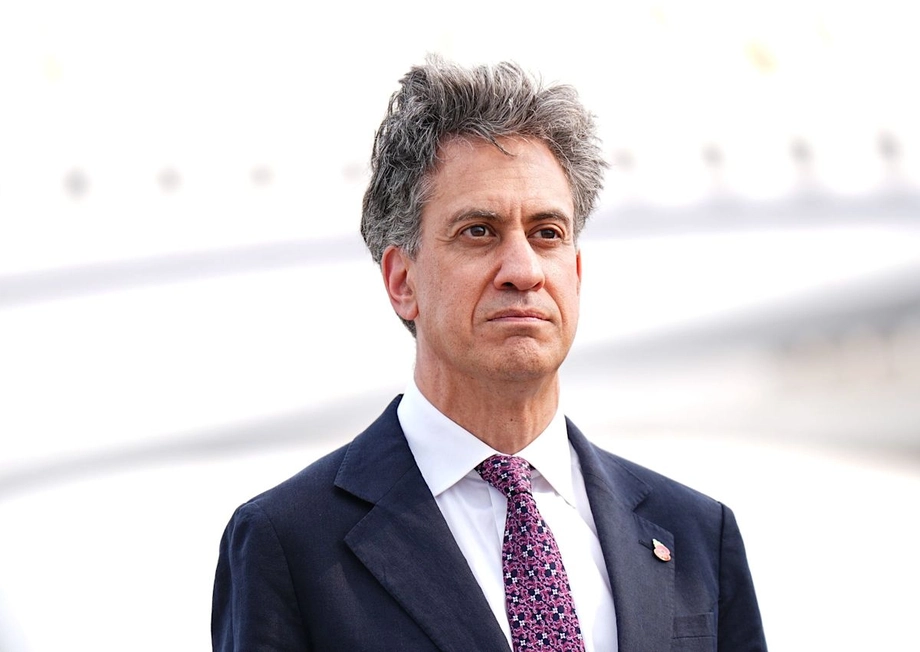
British Foreign Secretary Ed Miliband announced on Thursday, November 19, 2026, that Myanmar's military attaché to the embassy, Soe Aung, would be immediately expelled from the United Kingdom. This diplomatic expulsion follows a historic ruling issued earlier that day by the International Court of Justice, which found Myanmar responsible for committing genocide against the Rohingya Muslim minority. Soe Aung had been living in two regime-owned homes in London since 2021, according to official statements. Foreign Secretary Miliband also summoned the Chargé d'Affaires and Minister of the Myanmar Embassy in London, Win Zeyar Tun, promising further actions to hold those responsible for the atrocities accountable.
Contents
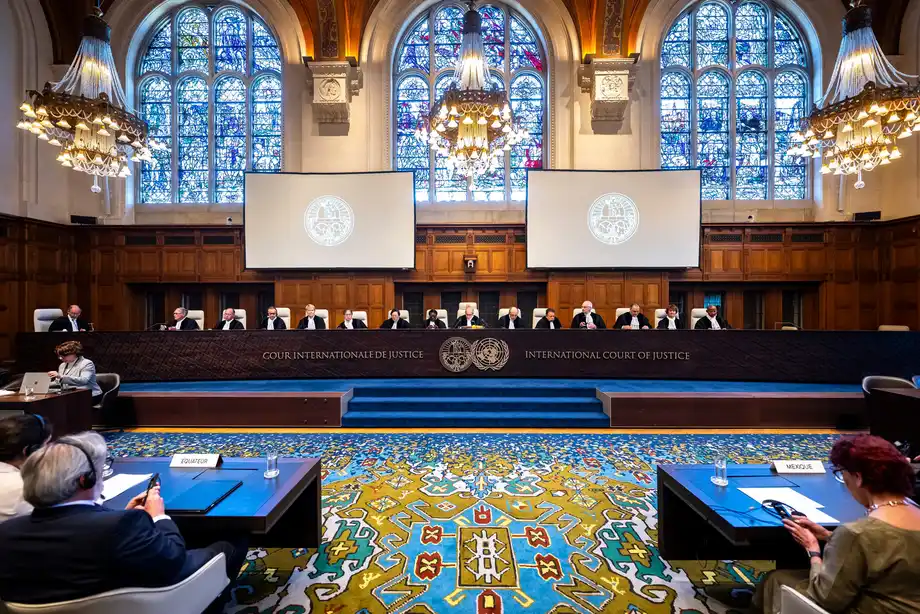
The International Court of Justice is the principal judicial organ of the United Nations, based at the Peace Palace in The Hague, Netherlands. It settles legal disputes between sovereign states and gives advisory opinions on legal questions. In this case, the court delivered a 9 to 6 majority decision concluding that Myanmar committed genocide during military clearance operations in northern Rakhine State in 2017. This marks the first time in the 80-year history of the United Nations top court that a sovereign state has been held legally responsible for committing genocide.
Foreign Secretary Ed Miliband stated that the British government is taking immediate steps to increase pressure on the military regime in Naypyidaw. Speaking about the gravity of the judicial decision, he emphasized the need for international unity in upholding global legal standards.
We are taking immediate action today in light of this judgment. Building on existing sanctions against the Myanmar regime, we are ordering the expulsion of the Myanmar Defence Attaché from the UK and calling urgently for a UN Security Council session to discuss the judgment.
The Gravity of the World Court Findings
Judges at the Peace Palace examined extensive evidence detailing the brutal military crackdown that began in August 2017. The court found that Myanmar security forces killed approximately 10,000 Rohingya civilians, which amounted to 1.2 percent of the 815,000 Rohingya living in northern Rakhine State at the time. The judgment detailed mass executions of men and boys, widespread and systematic acts of gang rape, and extreme violence against children, alongside the razing of hundreds of villages.
Myanmar had consistently denied the allegations, arguing before the court that its armed forces were conducting legitimate counter-insurgency operations in response to attacks on border posts by the Arakan Rohingya Salvation Army. The world court explicitly rejected this defense. Judges concluded that the military operations did not distinguish between militants and civilians and that the scale and brutality of the violence demonstrated a clear intent to destroy a substantial part of the Rohingya population.
The legal threshold for proving genocide requires demonstrating a specific intent to destroy a protected group in whole or in part, which is notoriously difficult to establish because governments rarely record explicit plans for extermination. The majority of the 15-judge panel inferred this genocidal intent from the totality of circumstances, including the systematic pattern of violence, hate speech spread by state actors, and measures aimed at suppressing birth rates within the minority population, such as marriage restrictions and limits on family sizes.
Timeline of Key Events
- August 2017: Myanmar security forces launch military clearance operations in northern Rakhine State, forcing over 700,000 Rohingya to flee across the border into Bangladesh.
- November 11, 2019: The Gambia formally files a lawsuit against Myanmar at the International Court of Justice, accusing it of violating the 1948 Genocide Convention.
- January 2026: The international court holds three weeks of public hearings, examining witness testimony and extensive evidence regarding the military campaign.
- November 19, 2026: The International Court of Justice rules by a 9 to 6 majority that Myanmar committed genocide against the Rohingya, ordering reparations and restitution.
- November 19, 2026: UK Foreign Secretary Ed Miliband announces the expulsion of Myanmar military attaché Soe Aung and summons Chargé d'Affaires Win Zeyar Tun.
Reparations, Restitution, and the Search for Justice
Beyond finding Myanmar guilty of genocide, the world court issued binding legal orders requiring the state to provide reparations and take concrete steps to prevent future violations. By a ten to five vote, the judges ordered Myanmar to allow displaced Rohingya to return safely, voluntarily, and with dignity to their homes, and to facilitate family reunification. The court also ordered Myanmar to restore or replace destroyed property, assist in searching for the disappeared, and provide financial compensation for harm that cannot be remedied by restitution alone.
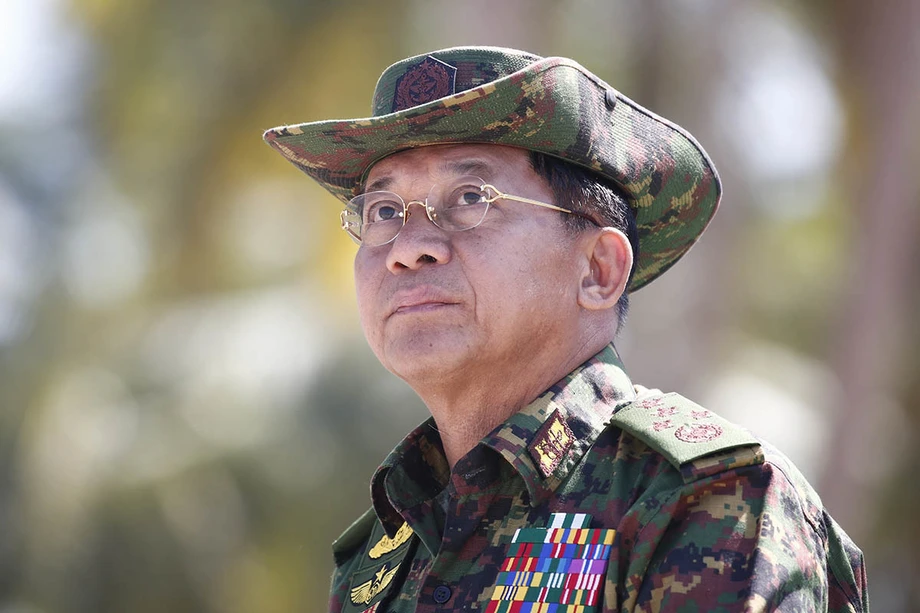
Myanmar was given a strict two-year deadline to submit a report detailing its compliance and restitution measures. However, the ruling immediately faces severe practical hurdles. The military junta currently governing Myanmar, led by Min Aung Hlaing after the 2021 military coup in Myanmar, has dismissed the judgment as unfair. Furthermore, much of northern Rakhine State is currently controlled by the Arakan Army, an ethnic armed group that has also faced accusations of committing abuses against the remaining Rohingya population.
Human rights organizations and legal experts have noted that while the judgment is final and legally binding, the court possesses no independent police force or enforcement mechanism to compel compliance. The primary avenue for enforcing non-compliance is through the United Nations Security Council, where permanent members hold veto power. As noted in our earlier coverage on the ICJ verdict, the ruling provides essential legal recognition for victims but leaves the physical realities of repatriation deeply uncertain.
International Reactions and Diplomatic Push
The United Kingdom has urged the international community to use all available diplomatic tools to ensure the ruling is enforced. Foreign Secretary Miliband called for human rights experts and Rohingya representatives to brief the United Nations Security Council, where the United Kingdom serves as the designated penholder, taking the lead on drafting resolutions regarding the crisis. Meanwhile, rights groups and civil society organizations representing over 200 groups inside Myanmar and abroad have demanded full citizenship rights and formal recognition of Rohingya identity.
Reactions from global powers varied significantly following the decision. While Western nations praised the verdict and reiterated support for the international legal order, China, a close ally of Myanmar's military government, stated that rulings from the United Nations court are not conducive to resolving regional disputes. Human Rights Watch and other advocacy bodies emphasized that concerned governments must maintain sustained pressure on the junta to comply with the historic genocide ruling.
For the roughly 1.2 million Rohingya refugees living in crowded camps in Cox's Bazar, Bangladesh, the judgment marks a monumental moment of validation after years of displacement. Many refugees, however, continue to face declining international humanitarian assistance and severe restrictions on movement. Aid organizations point out that monthly food vouchers provided by the World Food Programme have faced reductions, leaving vulnerable families struggling to meet basic nutritional needs.
Scholars and diplomats stress that transforming a legal victory into tangible relief requires sustained political will. As highlighted in our previous reporting on the court proceedings, the Gambia's landmark legal initiative relied on shared obligations under international law, allowing a small West African nation to hold a Southeast Asian government accountable for atrocities committed far from its borders.
The Bottom Line
- The International Court of Justice ruled by a 9 to 6 majority that Myanmar committed genocide against the Rohingya in 2017.
- British Foreign Secretary Ed Miliband ordered the immediate expulsion of Myanmar military attaché Soe Aung from London.
- The UK summoned Myanmar Chargé d'Affaires Win Zeyar Tun and called for an urgent session of the UN Security Council.
- The court ordered Myanmar to investigate perpetrators, facilitate safe returns, and report back on restitution within two years.
- Myanmar presidential spokeswoman Khaing Khaing Soe dismissed the landmark ruling as unfair, while refugee populations in Bangladesh face ongoing humanitarian challenges.