Seven years of proceedings reach a decisive moment
The International Court of Justice will deliver its judgment on November 19, 2026, on whether Myanmar violated the 1948 Genocide Convention in its treatment of the Rohingya. The decision comes seven years after The Gambia filed the case and more than nine years after a military campaign drove over 740,000 Rohingya into Bangladesh.
Contents
- Seven years of proceedings reach a decisive moment
- What brought Myanmar before the court?
- Why could The Gambia bring the case?
- How do judges decide whether genocide occurred?
- Survivor testimony and sexual violence are central
- What protection and reparations are being sought?
- Why a judgment cannot bring an immediate return
- Camp life makes the wait harder
- Enforcement faces political pressure
- The dates that shaped the case
- Key Points
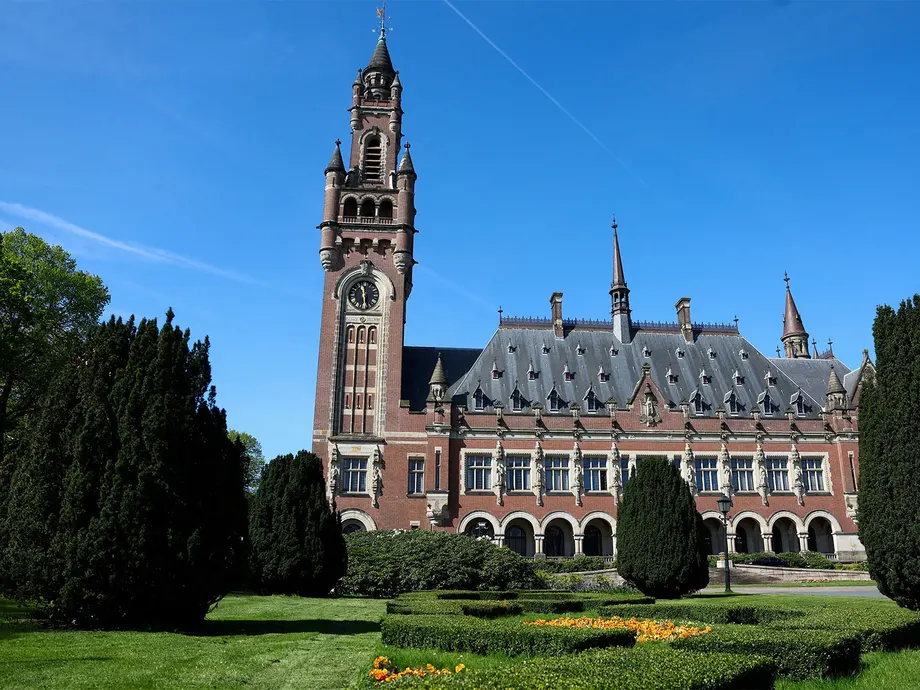
The court's official case record schedules the public sitting for 10 a.m. in The Hague, or 0900 GMT, at the Peace Palace. ICJ President Judge Yuji Iwasawa is due to read the judgment, which will be binding on the parties and cannot be appealed.
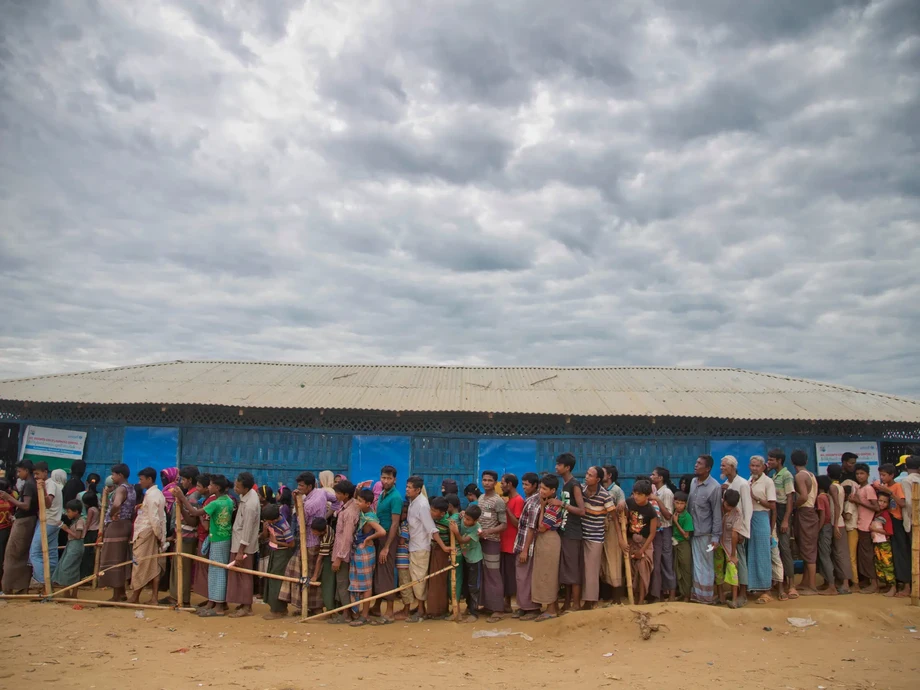
For about 1.2 million Rohingya refugees now living in Bangladesh, the stakes include recognition of their suffering, compensation, restored rights and the possibility of returning home. About 520,000 Rohingya remain in Myanmar, where fighting and restrictions continue to threaten their safety.
The judges must decide several questions: whether Myanmar committed genocide, whether it failed to prevent or punish genocide, and whether it complied with protective orders issued in 2020. The Gambia also seeks reparations and guarantees against further violations.
The judgment will be the ICJ's third decision on the substance of a genocide case, following cases concerning Bosnia and Croatia. Its reasoning could guide other proceedings, including South Africa's case accusing Israel of genocide in Gaza, which Israel denies. Rohingya survivors, however, are looking first for an answer about what happened to their own families and communities.
What brought Myanmar before the court?
Myanmar's military launched operations in northern Rakhine State on August 25, 2017, following attacks on security posts by the Arakan Rohingya Salvation Army, or ARSA. The allegations before the court concern operations beginning in 2016 and escalating in August 2017.
Survivors described killings, rape and villages burned to the ground. A United Nations fact finding mission concluded in 2018 that there was sufficient evidence to warrant investigating senior military commanders for genocide, crimes against humanity and war crimes. Myanmar rejected the genocide allegations and described its operations as a response to armed attacks.
The Rohingya are a predominantly Muslim ethnic minority with longstanding roots in Rakhine State. Successive Myanmar governments have treated them as immigrants from Bangladesh, while a 1982 citizenship law left most without citizenship. Their exclusion from legal recognition is central to refugees' demands for a secure return.
Hasina Khatun, 34, lost her husband and brother in the Inn Din massacre. She now raises three sons in Cox's Bazar, Bangladesh, in a shelter made from bamboo and plastic sheeting. She described what she wants from the judgment:
We hope it will bring us justice and pave the way for our return home. We want to return to Myanmar with dignity, security, citizenship, and our full rights.
Why could The Gambia bring the case?
The Gambia filed its application on November 11, 2019, with backing from the 57 member Organization of Islamic Cooperation. Both The Gambia and Myanmar are parties to the Genocide Convention, which places duties on countries to prevent and punish genocide.
Article IX of the convention allows disputes between treaty members over its interpretation and application, including a state's responsibility for genocide, to go before the ICJ. The Gambia argued that these shared obligations gave it the right to act even though the alleged crimes happened far away.
Myanmar challenged that right, arguing in part that The Gambia was acting as a proxy for the Islamic cooperation organization. On July 22, 2022, the court rejected Myanmar's preliminary objections, confirmed its jurisdiction under Article IX and ruled that The Gambia's application was admissible.
The ruling allowed the case to move from arguments about whether the court could hear it to examination of the alleged violations themselves. Myanmar's change of government did not end the proceedings. Aung San Suu Kyi personally defended the country in December 2019; the military authorities continued its defence after overthrowing her government in February 2021.
How do judges decide whether genocide occurred?
The Genocide Convention requires an intent to destroy a national, ethnic, racial or religious group, in whole or in part. Judges must examine both the acts committed and the purpose behind them. This specific intent is the central legal dispute in the Myanmar case.
The convention identifies five categories of acts that can constitute genocide when committed with that intent:
- Killing members of the group.
- Causing serious bodily or mental harm.
- Deliberately imposing living conditions calculated to bring about the group's physical destruction.
- Imposing measures intended to prevent births within the group.
- Forcibly transferring children from the group to another group.
Intent can be established through statements or orders, or inferred from a pattern of conduct. The Gambia relies on the court's existing test that an intent to destroy the group must be the only inference that could reasonably be drawn from the acts in question.
The Gambia points to the brutality and repeated pattern of attacks, official tolerance of hateful rhetoric and failures to investigate abuses. Myanmar says its forces targeted ARSA fighters and supporters, disputes the reliability of evidence from UN bodies and other organizations, and argues that the evidence fails to establish genocidal intent.
The judges will also consider duties to prevent and punish genocide. In 2007, the ICJ found that Serbia had failed to prevent the Srebrenica genocide and to meet its punishment obligations, while finding it was not directly responsible for committing genocide. In 2015, it rejected genocide claims in the Croatia case.
Survivor testimony and sexual violence are central
The court held hearings on the merits from January 12 to 29, 2026, including examination of witnesses and expert evidence. Rohingya survivors travelled from Bangladesh's camps to testify in sessions closed to the public.
The Gambia focused on attacks against three villages: Min Gyi, Chut Pyin and Maung Nu. It argued that sexual violence formed an integral part of the campaign and was evidence of an intention to destroy the Rohingya, alongside killings, serious harm and measures intended to prevent births.
Antonia Mulvey, founder of Legal Action Worldwide, which represents hundreds of Rohingya survivors, described the repeated sequence her organization identified in survivor accounts:
The attacks on the villages took place the same way," she said. "They would attack the civilians, burn the villages, separate men and women, conduct sexual violence … and then as they fled, they would continue to kill them.
Human Rights Watch documented the experiences of 52 Rohingya women and girls in a 2017 investigation, including 29 rape survivors. Rohingya advocate Yasmin Ullah has urged attention to these survivors as debate increasingly focuses on the judgment's effect on other conflicts.
Gambian Justice Minister Dawda Jallow also put the community at the centre of his presentation to the court:
It is about real people, real stories and a real group of human beings," said Jallow. "The Rohingya of Myanmar. They have been targeted for destruction.
What protection and reparations are being sought?
The ICJ ordered Myanmar on January 23, 2020, to prevent genocidal acts, ensure its military and other security forces did not commit them, preserve evidence and report regularly on implementation. Those orders created binding protective duties while the case proceeded.
Human Rights Watch's case briefing says Myanmar submitted 12 compliance reports. Myanmar cited presidential directives, evidence preservation, measures against hate speech, an investigative body, and repatriation and humanitarian assistance measures. The Gambia challenged the adequacy of those steps and asks the court to find that Myanmar failed to comply.
The Gambia's requested reparations extend beyond money. They include safe and dignified return to former places of residence, restoration or replacement of property, family reunification, rehabilitation, searches for missing people and recovery and reburial of those killed.
The requests also include protection from discrimination, freedom of movement, access to work and recognition of the right to identify as Rohingya. Where restoration is impossible, The Gambia seeks compensation or other remedies. Myanmar disputes The Gambia's entitlement to demand reparations for victims.
Eleven countries were authorized to intervene on limited questions about interpreting the convention: Belgium, Canada, Denmark, the Democratic Republic of Congo, France, Germany, Ireland, Maldives, the Netherlands, Slovenia and the United Kingdom. They did not participate in the January merits hearings. A joint submission by the UK and five other states urged consideration of the full range of facts, including sexual violence, displacement and harm to children.
Why a judgment cannot bring an immediate return
Bangladesh's Refugee Relief and Repatriation Commissioner Mohammad Mizanur Rahman has cautioned that implementation and return will require further action:
Repatriation will not happen immediately as a direct consequence of the judgment. But it could strengthen the Rohingya's position and create greater international pressure for their return.
Rakhine State has changed dramatically during the proceedings. The Arakan Army, which is fighting for autonomy, now controls most of the state. Human Rights Watch describes abuses against Rohingya by both the Myanmar military and the Arakan Army, including unlawful recruitment, killings, forced labour and arbitrary detention.
Myanmar's military has conscripted Rohingya men, while Rohingya armed groups fought alongside it against the Arakan Army in 2024. Those developments have damaged relations between communities and complicated negotiations over return. Thomas Kean of the International Crisis Group has urged Bangladesh to maintain dialogue with the Arakan Army on repatriation, security, trade and aid.
Su Mon, Asia Pacific senior analyst at ACLED, described the conditions in Rakhine in 2024:
These conditions prevent any safe, voluntary, or dignified return of Rohingya refugees. All communities in Rakhine State face severe food insecurity, lack of aid, an economic collapse, and relentless conflict.
Camp life makes the wait harder
Bangladesh restricts refugees' movement and access to formal employment, leaving many families dependent on humanitarian assistance. Cuts to foreign aid have weakened registration, legal assistance, healthcare, education and child protection services, according to a UN refugee agency study.
Nurul Amin, 25, who works with humanitarian groups in the camps, described the emotional cost of displacement:
It is 24 hours of depression. It feels as though we have lost our world, as though the world has abandoned us.
Some refugees seek an escape by sea towards Malaysia and Indonesia. UNHCR estimates that 3,135 people have died or gone missing at sea since 2022, including 900 deaths in 2025, the deadliest year recorded.
Sayed Ullah, first president of the United Council of Rohingya, said refugees planned to screen the judgment on a large screen in Jamtholi camp. Refugee Nur Kamal said he was awaiting the decision while expecting no immediate change in daily life.
Nay San Lwin, cofounder of the Free Rohingya Coalition, described justice as a combination of recognition, rights and a secure future:
For us, meaningful justice is not simply a court verdict," he said. "It means recognition of our identity, restoration of our rights, justice for every victim, and the opportunity to return to our homeland safely, rebuild our lives, and live in peace and dignity.
Enforcement faces political pressure
The ICJ settles disputes between states. It has no police force or independent means of enforcing a judgment. If Myanmar fails to comply, The Gambia can seek action from the UN Security Council under Article 94 of the UN Charter. The council has never exercised that discretionary enforcement power, and any permanent member can veto action.
The ruling approaches amid warnings of possible US sanctions against ICJ judges. Mike Waltz, the US ambassador to the UN, has accused the proceedings of seeking a genocide standard that could later be applied to American or allied soldiers. Judges have reportedly sought advice about protecting assets against potential sanctions. Any sanctions response to this judgment remains undecided.
Washington previously determined, under Secretary of State Antony Blinken, that Myanmar committed genocide against the Rohingya. Current political objections focus on how the court might assess intent and how that reasoning could affect other cases, particularly South Africa's proceedings against Israel.
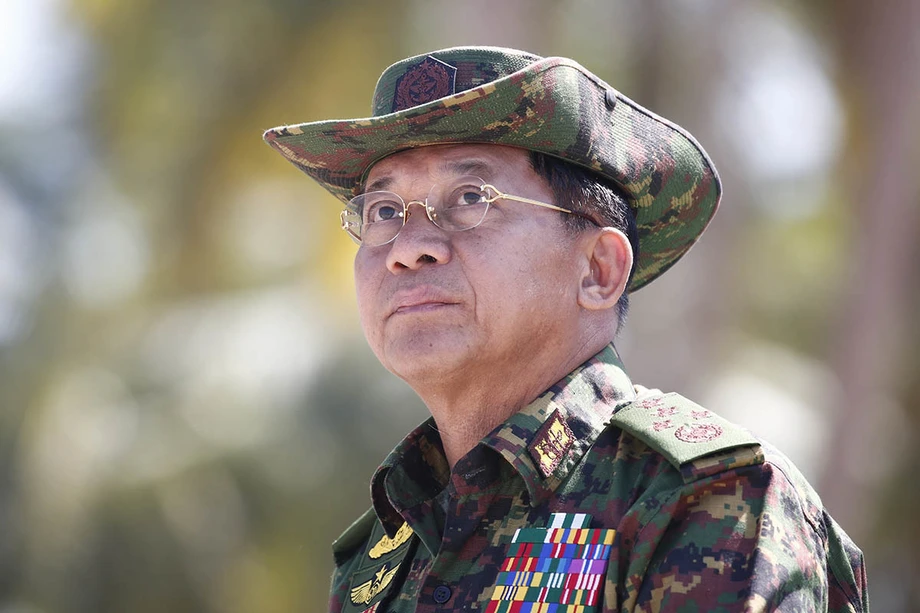
Separate criminal cases seek individual accountability. The International Criminal Court prosecutor requested an arrest warrant for Min Aung Hlaing in November 2024 over alleged deportation and persecution; judges had not issued a public decision on that request by Human Rights Watch's November 3 briefing. Argentina issued warrants against 25 people in February 2025 under universal jurisdiction, which permits prosecution of certain grave crimes committed abroad. Ullah is also lead complainant in a Rohingya initiative in Indonesia, represented by Themis Indonesia with support from the Myanmar Accountability Project.
The dates that shaped the case
The proceedings span changes of government, emergency protection orders and years of written legal arguments. The principal milestones are:
- August 25, 2017: Myanmar launches operations in northern Rakhine after attacks on security posts, followed by a mass exodus to Bangladesh.
- August 27, 2018: UN investigators call for senior military commanders to be investigated and prosecuted for genocide and other international crimes.
- November 11, 2019: The Gambia files its ICJ application.
- January 23, 2020: The court orders protective measures and evidence preservation.
- February 1, 2021: Myanmar's military overthrows the civilian government.
- July 22, 2022: The court rejects Myanmar's preliminary objections.
- July 2024 and July 2025: The court admits interventions that bring the total to 11 states.
- January 12 to 29, 2026: Judges hear arguments, witnesses and expert evidence on the merits.
- November 19, 2026: The court is scheduled to deliver its judgment at 10 a.m. in The Hague.
The next step is the judges' decision on Myanmar's responsibility and any remedies ordered. For refugees, the practical test will then be whether governments translate the judgment into protection, restored rights and conditions that allow a safe return.
Key Points
- The ICJ will rule on November 19 on Myanmar's obligations under the Genocide Convention.
- The case concerns state responsibility, while separate proceedings seek accountability for individuals.
- Genocidal intent, sexual violence and patterns of military conduct are central issues.
- The Gambia seeks reparations, safe return, restored property and guarantees against further violations.
- About 1.2 million Rohingya refugees remain in Bangladesh, while conflict continues in Rakhine.
- The judgment is binding and cannot be appealed, but implementation will require further action.