A cultural forum, with the water dispute still in view
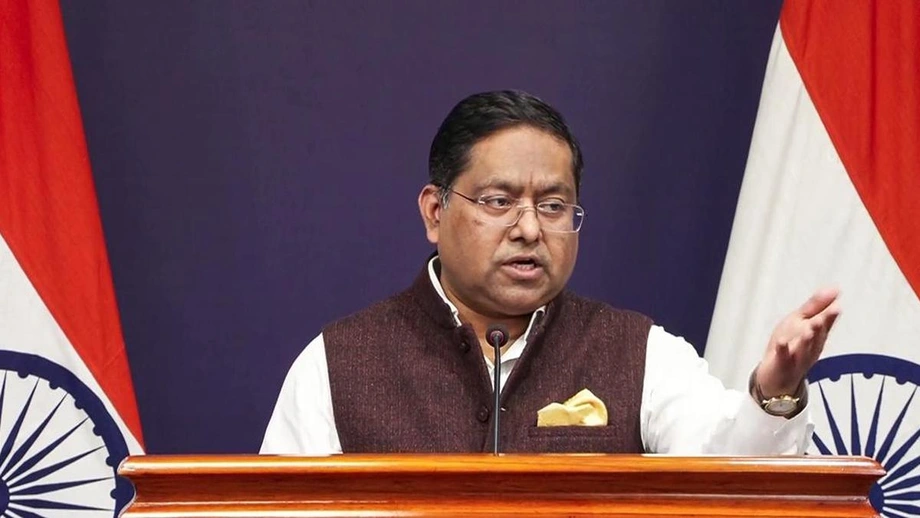
India said on Friday, November 20, 2026, that its position on the Indus Waters Treaty had not changed, as Pakistan's Climate Change and Environmental Coordination Minister Musadik Masood Malik attended a three day Shanghai Cooperation Organisation (SCO) forum in New Delhi. The Ministry of External Affairs spokesperson Randhir Jaiswal said India's position was "very clear" and there was "absolutely no change" in it.
Contents
- A cultural forum, with the water dispute still in view
- What did India say about the treaty?
- Why was Malik at the gathering?
- What did Malik say about relations?
- How did the forum connect past and present?
- What does the visit change, and what remains unresolved?
- Key dates in the visit and dispute
- The Bottom Line
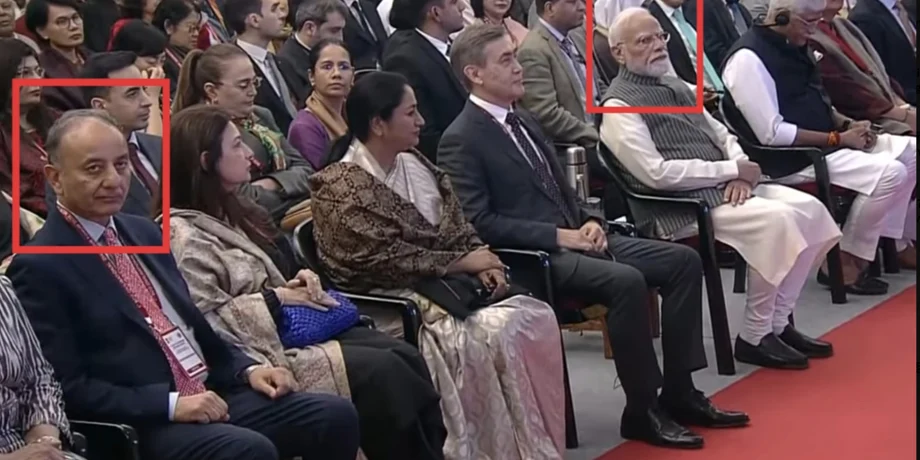
Malik arrived early on Friday for the opening day of the SCO Civilisational Dialogue Forum, held at the historic Purana Qila and due to run until November 22. Prime Minister Narendra Modi inaugurated the gathering. It was a rare visit amid strained relations: the last Pakistani minister to visit India was Foreign Minister Bilawal Bhutto Zardari, who attended an SCO meeting in Goa in May 2023.
The forum brought the two governments into the same multilateral gathering, but it did not signal a change in their dispute over water or the wider state of their relations. India says it placed the 1960 treaty in abeyance in 2025 after the April 22 attack in Pahalgam, Indian administered Kashmir, which killed 26 people. Pakistan disputes India's unilateral action and has warned that any treaty violation would be treated as an act of war, a position repeated in Pakistan's water warning.
What did India say about the treaty?
At a media briefing, Jaiswal was asked whether Malik's presence in Delhi, and comments attributed to him about the treaty, affected India's position. He said the government had already made its position clear and that it remained unchanged.
Jaiswal's words drew a firm line between attending the forum and the water dispute. India's Ministry of External Affairs said the event was being held under the SCO framework, with invitations sent to all member countries, including Pakistan. SCO observers and Dialogue Partners were also invited. India had announced the invitations on October 28, following what it described as established practice.
The dispute has a longer legal history. India announced in 2025 that it was putting the treaty in abeyance after the Pahalgam attack. Pakistan says the agreement cannot be suspended by India alone. The Permanent Court of Arbitration in The Hague issued its Supplemental Award in the Indus Waters Treaty case on June 27, 2025. The unanimous ruling, binding on both parties without appeal, held that India's unilateral decision to place the treaty in abeyance did not affect the Court's competence to adjudicate the matter, as described in the Hague ruling. The two governments remain at odds over how the treaty should operate and how disagreements about it should be settled.
Why was Malik at the gathering?
Pakistan announced on November 14 that Malik would lead its delegation. Islamabad nominated him instead of its minister for national heritage and culture, although the forum focused on civilisations, history and cultural exchange. Malik's portfolio covers climate change and environmental coordination.
India said the invitation was extended to Pakistan as an SCO member, not as part of a bilateral meeting. The Ministry of External Affairs and the Ministry of Culture hosted the forum. The event's themes included cultural expression, art and architecture, language and literature, and religious and philosophical traditions.
The SCO began in Shanghai in 2001, founded by China, Russia, Kazakhstan, Kyrgyzstan, Tajikistan and Uzbekistan. India and Pakistan became permanent members in 2017. The grouping now has 10 member states, while observers and Dialogue Partners can also take part in some of its activities. At the time of the forum, 15 of 25 invited countries had confirmed attendance.
The idea for the civilisational dialogue was proposed by Modi at an SCO summit in 2025. The forum was designed as a regional event, rather than a formal venue for India and Pakistan to negotiate their disputes. Pakistan chairs the SCO Heads of State Council for 2026–27 and is due to host the group's summit in Islamabad next year.
What did Malik say about relations?
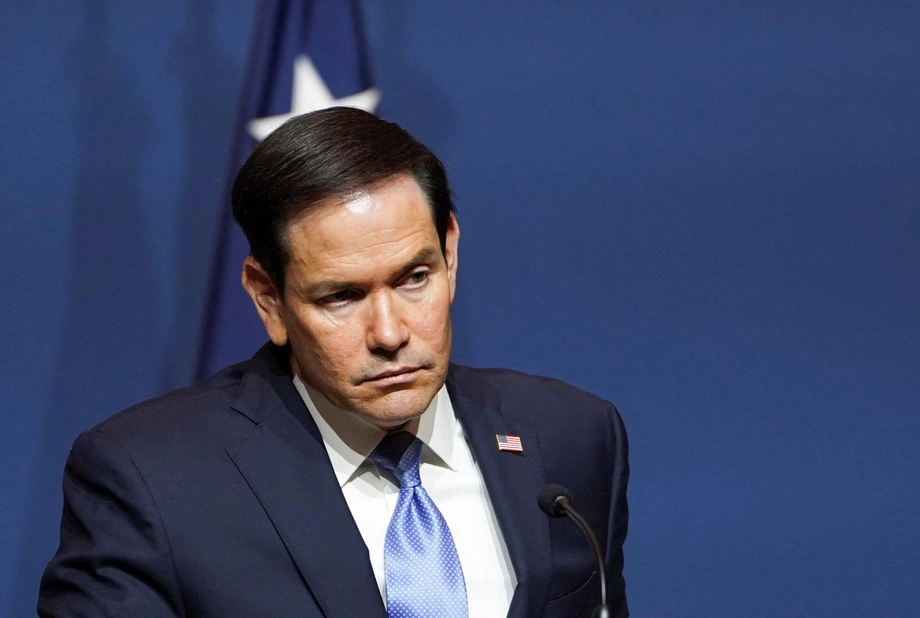
Malik told reporters that culture could play a role in improving relations, and he expressed hope that relationships across the region, including India and Pakistan's, would improve. He described the gathering as an opportunity for countries to discuss shared history and culture.
Malik also stressed that the forum was multilateral, not a place for direct bilateral discussions. No meeting with Modi was scheduled, and Malik was due to address the forum on Saturday, November 21. He said the region was changing quickly and called for a broader view of political and social issues.
Malik described dialogue as a way to bring different countries together, rather than require them to agree on everything. His remarks offered a hopeful tone, while the governments' stated positions on the treaty remained far apart.
Modi, speaking at the opening, said: "The need today is to focus on what is shared between us." He linked cultural exchange to peace and pointed to historical connections across the region, including trade, the movement of Buddhist ideas, literature and mathematics.
How did the forum connect past and present?
Modi cited examples of ideas and traditions crossing borders over centuries. He said Buddhist thought travelled to China and Central Asia through routes that included Gandhara, in present day Pakistan. He also referred to the Panchatantra's later versions in Persian and Arabic, the Ramayana's Cambodian form, and the movement of mathematical knowledge to Baghdad.
Those examples shaped the forum's practical proposals. Modi called for SCO countries to digitise and translate old manuscripts, conduct joint research on shared history, and arrange exhibitions, scholar exchanges and cultural festivals. He also suggested heritage routes linking Silk Road and Buddhist sites, and said artificial intelligence could help translate works available in only a few languages.
The proposals give the dialogue a purpose beyond speeches: cultural institutions and researchers could work together on materials and sites that span several countries. The forum's three day schedule included thematic sessions where participating delegations could present their perspectives.
For India and Pakistan, that kind of exchange takes place alongside restrictions that remain in force. Diplomatic and trade limits and reciprocal bans on airspace use have continued since the military confrontation of May 7 to 10, 2025, following India's Operation Sindoor. Neither government had announced talks to resolve the broader disputes. Malik's visit and the forum's cultural agenda therefore created a point of contact, not a declared reset in relations.
What does the visit change, and what remains unresolved?
The visit was described as the first by a Pakistani minister to India since the May 2025 hostilities, and the first in more than three years. Malik was received at the airport by Saad Warraich, Pakistan's chargé d'affaires in India. He was also expected to meet SCO representatives on the sidelines and visit Pakistan's High Commission.
India said there were no restrictions on Malik's movement in the country, while noting a security issue that may have affected a visit to Nizamuddin. The forum itself did not produce an announced bilateral meeting or agreement on the treaty. The next step for the water dispute remains unsettled: India says its position has not changed, while Pakistan wants the treaty restored and rejects India's unilateral suspension.
The diplomatic significance lies in the contrast. A Pakistani federal minister took part in an India hosted event, and both sides spoke about dialogue, yet each kept the water disagreement separate from the cultural programme. The earlier terrorism exchange at the forum also showed that security concerns remained part of the atmosphere around Malik's visit.
Key dates in the visit and dispute
April 22, 2025: An attack in Pahalgam killed 26 people.
2025: India put the Indus Waters Treaty in abeyance after the attack.
June 27, 2025: The Permanent Court of Arbitration issued a unanimous, binding Supplemental Award holding that India's unilateral abeyance decision did not affect the Court's competence.
October 28, 2026: India said invitations to the SCO dialogue had been sent to all member countries.
November 14, 2026: Pakistan confirmed Malik's participation.
November 20 to 22, 2026: The first SCO Civilisational Dialogue Forum took place at Purana Qila in New Delhi.
The Bottom Line
India said its position on the Indus Waters Treaty remained unchanged during Malik's visit.
Malik attended the SCO dialogue as Pakistan's climate and environmental coordination minister.
India said all SCO members were invited, making the forum a multilateral event rather than a bilateral meeting.
Malik and Modi spoke in favour of dialogue and cultural links, but no India-Pakistan meeting or treaty agreement was announced.
The treaty's status remains disputed, with India maintaining its 2025 position and Pakistan calling for its restoration; the June 2025 Supplemental Award held that India's unilateral abeyance decision did not affect the Court's competence.