Dhaka meeting delayed as travel and extradition issues await discussion
India and Bangladesh have postponed their fifth consular dialogue, planned for November 17 and 18 in Dhaka, delaying discussions on travel arrangements, visas and the return of citizens detained across the border. India said the meeting would take place on a mutually convenient date as the neighbours face renewed friction over former Bangladeshi prime minister Sheikh Hasina's presence in New Delhi.
Contents
- Dhaka meeting delayed as travel and extradition issues await discussion
- What the consular dialogue was meant to address
- Bangladesh disputes a link to Hasina's return plans
- How Hasina's stay in India became a diplomatic dispute
- Extradition and travel documents follow different processes
- India gives no details on possible return conditions
- Visa services and trade contacts had begun to recover
- Other diplomatic channels remain open
- Key Points
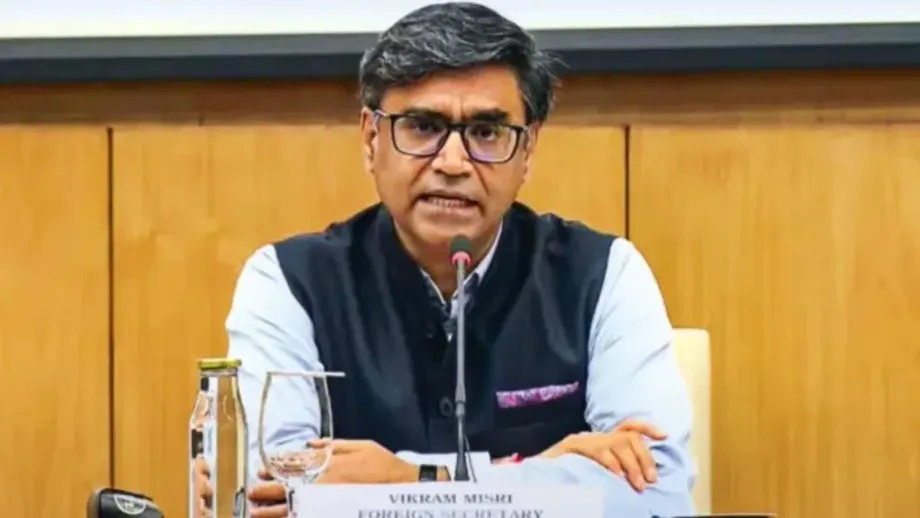
Indian Ministry of External Affairs spokesperson Randhir Jaiswal confirmed the postponement at a briefing on Friday, November 13. He said the next meeting would include matters relating to the Revised Travel Arrangement, the bilateral framework governing travel between the countries. No replacement date was announced.
The reason for the delay is disputed. A diplomatic source linked it to growing tensions over Hasina's announced intention to return to Bangladesh in December. Saidur Rahman, minister for press at the Bangladesh High Commission in New Delhi, rejected that connection, saying the decision preceded a November 9 request for her passport and national identity card by at least four days.
The postponed meeting would be the first consular dialogue since Hasina's government fell in August 2024. The previous round took place in New Delhi on May 29, 2024, making the planned Dhaka session an opportunity to resume a channel that handles both sensitive legal cases and practical problems affecting travellers and families.
Jaiswal, speaking for India's foreign ministry, said New Delhi wanted cooperation to continue despite the political strain:
India desires a positive, constructive and forward-looking relationship with Bangladesh.
His statement pointed to continuing meetings on trade, railways, water resources and border management. Those contacts provide other routes for discussion while the consular meeting awaits a new date.
What the consular dialogue was meant to address
India and Bangladesh established the consular dialogue in 2017 to create a regular channel for discussing consular services, visas and mutual legal assistance. Consular work includes helping a country's citizens abroad with documents, detention and arrangements to return home.
The proposed fifth round was expected to bring together officials at director general level from the two foreign ministries. Bangladesh held an interministerial preparatory meeting in Dhaka on November 3, showing that work on the agenda had begun before the postponement became public.
Expected subjects included streamlining visa procedures, border management, returning detained citizens and securing the release and repatriation of fishermen. Mutual legal assistance, through which countries help each other with criminal investigations or court proceedings, was also part of the expected agenda.
The fourth round in May 2024 covered visa matters, repatriation, extradition cases and cooperation under the Mutual Legal Assistance Treaty. Both governments also agreed then to strengthen the Revised Travel Arrangement to make travel easier for their nationals.
The delay therefore affects a forum with responsibilities much wider than Hasina's case. Families seeking the return of a detained relative, fishermen awaiting repatriation and people arranging travel all depend on the administrative cooperation these meetings are designed to support.
Bangladesh disputes a link to Hasina's return plans
Saidur Rahman gave a specific account of the timing on Thursday. The Bangladesh High Commission official said the postponement had already been decided before representatives of Hasina sought new identity documents on November 9.
Rahman said the sequence ruled out the proposed return as the reason for the delay:
I can state with certainty that the decision to postpone the dialogue was made at least four days before the request for a passport and national ID on behalf of Sheikh Hasina was submitted on November 9. This has absolutely nothing to do with any announcement regarding Sheikh Hasina's potential return to the country.
A diplomatic source had attributed the postponement mainly to tensions surrounding her planned return. Jaiswal's public explanation focused instead on finding a date convenient to both countries and maintaining discussions through existing channels.
How Hasina's stay in India became a diplomatic dispute
Hasina fled Dhaka on August 5, 2024, after her government collapsed amid a mass uprising led by students. She has lived in India since then. Bangladesh's current government, led by Prime Minister Tarique Rahman of the Bangladesh Nationalist Party, has sought her extradition.
Relations came under renewed strain after Hasina took part in a virtual media interaction from New Delhi on August 5. Bangladesh's foreign ministry said it was outraged that the event had been allowed despite Dhaka having conveyed concerns about its likely effect on bilateral relations.
India responded that it had neither organised the interaction nor endorsed Hasina's remarks. The disagreement placed her political activities in India alongside the unresolved legal demand for her return.
Several dates help explain how the consular meeting became caught up in this wider dispute:
- 2017: India and Bangladesh established the consular dialogue mechanism.
- May 29, 2024: The fourth round took place in New Delhi.
- August 5, 2024: Hasina fled Bangladesh and arrived in India.
- November 3: Bangladesh held a preparatory meeting for the proposed fifth round.
- November 9: Representatives acting for Hasina sought fresh identity documents from the Bangladesh High Commission.
- November 13: India said the next dialogue would take place on a mutually convenient date.
- November 17 and 18: The dates originally planned for the Dhaka meeting.
Extradition and travel documents follow different processes
Hasina has been sentenced to death in Bangladesh in a crimes against humanity case concerning killings during the July 2024 uprising. Dhaka has requested her extradition under the treaty between the two countries.
Extradition is the formal legal process through which one country asks another to surrender a person for prosecution or punishment. A passport request concerns a person's travel documents; extradition concerns whether a government will transfer that person under its legal obligations.
Jaiswal described India's position on the extradition request in legal terms:
Extradition is a legal matter and it will be dealt with accordingly.
Matrix, a London law firm acting for Hasina, contacted the Bangladesh High Commission on November 9 seeking a fresh passport. Her request also concerned a national identity card. Dhaka has ruled out issuing new travel documents to her.
Bangladesh Foreign Minister Humaiun Kobir said his government would pursue her return through an acceptable prisoner exchange arrangement. He added that any transfer would require careful handling and proper surveillance. India has not publicly announced a decision on the extradition request.
India gives no details on possible return conditions
Hasina's stated intention to return in December has prompted questions about transport and the legal proceedings she would face in Bangladesh. At Friday's briefing, journalists asked whether India wanted the Bangladesh Army to bring her back, preferably aboard a military aircraft.
They also asked about claims that New Delhi sought assurances that she could appeal her death sentence and face a fresh trial over the 2024 killings. Those proposed conditions remain unconfirmed. Jaiswal declined to discuss them.
Responding to a question that set out possible arrangements for her return, the ministry spokesperson said:
On the other question you had raised several scenarios, I have nothing to say on that.
Questions about whether Hasina might travel by land or air also received no substantive answer. The practical arrangements for any return therefore remain unsettled alongside the legal process.
Visa services and trade contacts had begun to recover
India and Bangladesh had taken steps to restore ordinary exchanges before the latest postponement. India resumed tourist visa services for Bangladeshi nationals in June, following a prolonged suspension. Bangladesh resumed issuing visas to Indians across categories after Tarique Rahman's government took office in February 2026.
India had reduced visa issuance after relations deteriorated following the August 2024 uprising. The subsequent easing made travel possible again for more people, giving the planned discussion of the Revised Travel Arrangement practical importance.
The two countries also held a Joint Working Group on Trade meeting in October, their first in three years. Discussions covered expanding commerce and addressing obstacles to trade. Other contacts concerned reopening border markets, making land ports fully operational and easing restrictions on goods.
These developments show that the relationship has been moving at different speeds. Political disagreement over Hasina has continued while officials have worked on restoring travel and commercial activity. Postponing the consular dialogue slows one part of that process, while other channels remain in use.
Other diplomatic channels remain open
India and Bangladesh have more than 40 bilateral mechanisms dealing with subjects including water, trade, border management and consular affairs. Jaiswal said India remained willing to use those established forums, including discussions among officials handling technical details.
The Indian spokesperson described that readiness at Friday's briefing:
India remains ready to discuss all bilateral issues with Bangladesh through these existing mechanisms, including at the technical level.
Water sharing is another approaching test. The Ganga Water Treaty is due to expire in December. Asked about it on November 3, Jaiswal pointed to the Joint Rivers Commission as the established forum for discussions on shared rivers, including the Ganga, but offered no update on further developments.
Contacts at the highest political level have also been limited. India invited Prime Minister Tarique Rahman for a bilateral visit and to the outreach session of the BRICS summit in New Delhi in September. Rahman did not attend the summit, and no date for a bilateral visit has been announced.
The next practical steps are therefore to agree on a new consular meeting date, continue handling travel and legal cases through existing channels, and address the approaching water treaty deadline. Hasina's possible return remains a central diplomatic dispute, alongside these other responsibilities.
Key Points
- The fifth consular dialogue, planned for November 17 and 18 in Dhaka, has been postponed without a replacement date.
- The agenda includes the Revised Travel Arrangement, visas, repatriation and legal cooperation.
- A Bangladesh High Commission official rejected a link between the postponement and Hasina's proposed return, citing the timing of the decision.
- India calls Hasina's extradition a legal matter and has not confirmed proposed conditions for her transfer.
- Visa services and trade contacts have resumed in some areas despite continuing political friction.
- The Ganga Water Treaty's December expiry adds another approaching deadline for bilateral discussions.