A 34 minute meeting before wider security talks
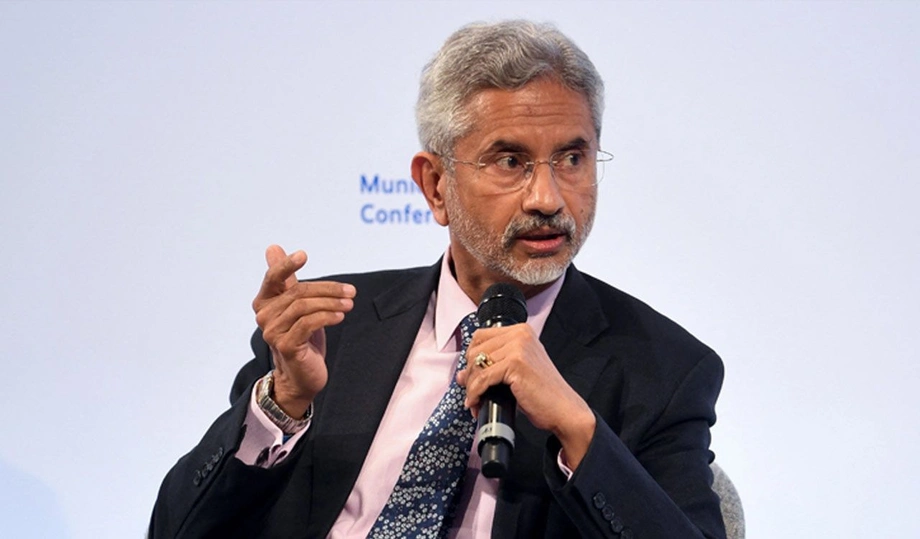
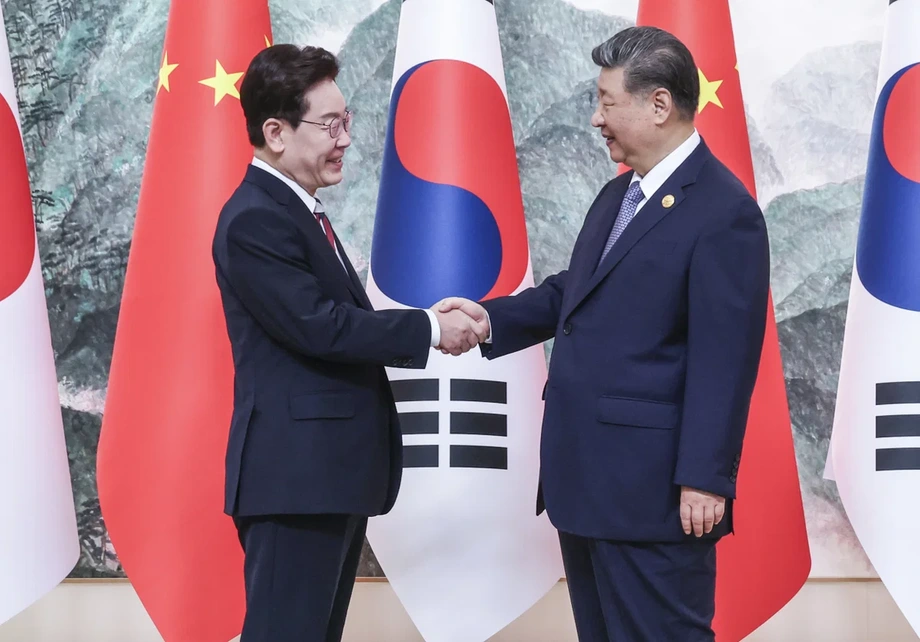
South Korean President Lee Jae Myung asked Chinese President Xi Jinping to work with Seoul for peaceful coexistence on the Korean Peninsula during their third summit, held in Shenzhen on November 18, 2026. The meeting came a day before a scheduled gathering of the United States, China and Russia, giving Lee an opportunity to present South Korea's interests before discussions among the three powers.
Contents
- A 34 minute meeting before wider security talks
- Lee puts peace at the centre of relations
- Why the next day's meeting matters to Seoul
- Three summits in about a year
- Trade growth and the next stage of the FTA
- Xi links the partnership to supply chain stability
- Travel, culture and a proposed panda loan
- Sensitive issues sit beside the restoration agenda
- Key Points
The leaders met at Qilin Villa in Shenzhen, in China's Guangdong Province, from 11:03 a.m. to 11:37 a.m. local time, according to South Korea's presidential office. Lee was attending the 33rd Asia-Pacific Economic Cooperation Economic Leaders' Meeting, scheduled for November 18 and 19.
Security and economic cooperation ran through the public remarks. Lee described peace on the peninsula as a shared interest, while citing an increase of nearly 50% in bilateral trade during the first half of the year. Xi called for closer coordination to protect international trade and supply chains.
Presidential spokesperson Kim Sung-wan said before the meeting that the leaders would review progress in relations and discuss trade, investment, travel and cultural exchanges. Their public statements presented a broad effort to strengthen ties ahead of the 35th anniversary of diplomatic relations in 2027.
Lee puts peace at the centre of relations
Lee linked the future of the relationship directly to security. South Korea and China describe their ties as a strategic cooperative partnership, meaning a relationship intended to include regular coordination on economic and political issues. Lee said that partnership needed a peaceful and stable Korean Peninsula to develop.
South Korean President Lee Jae Myung described the goal in his opening remarks:
Peace and stability on the Korean Peninsula are in the common interests of both countries, so I hope we can work together to open an era of peaceful coexistence on the Korean Peninsula.
Lee had already asked Xi during their January meeting in Beijing to play a mediating role on peninsula issues, including North Korea's nuclear programme. In Shenzhen, he was reported to have requested a constructive Chinese role in restarting dialogue between the two Koreas and between Washington and Pyongyang.
National Security Adviser Wi Sung-lac had set out that diplomatic objective on November 12. He said Seoul would ask countries in the region for continued support and constructive contributions to its efforts to resume those talks and establish lasting peace.
For Seoul, the immediate aim is to restore channels through which governments can discuss security directly. Talks between North and South Korea would address relations across the peninsula, while talks between the United States and North Korea would bring Washington and Pyongyang back into direct negotiation.
Why the next day's meeting matters to Seoul
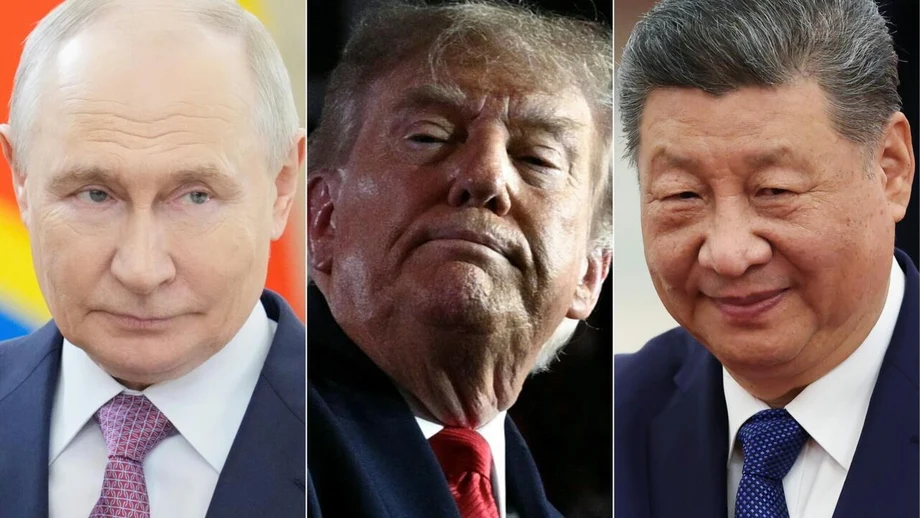
Donald Trump, Xi and Russian President Vladimir Putin were scheduled to hold their first trilateral summit on November 19. South Korea's concern is concrete: discussions among those leaders could touch on North Korea's nuclear weapons and other security matters that directly affect South Koreans, without Seoul taking part.
Lee's meeting with Xi gave him a chance to communicate South Korea's priorities before that gathering. He had also met Trump at a leaders' dinner in Manila during his visit for meetings associated with the Association of Southeast Asian Nations.
Trump has repeatedly raised the possibility of meeting North Korean leader Kim Jong Un and mentioned a possible role for Xi. US Secretary of State Marco Rubio said Trump was prepared for dialogue with Kim. A Trump-Kim meeting remained unconfirmed, and the public remarks from the Lee-Xi summit did not give details of any agreed Chinese mediation plan or establish whether the leaders reached decisions on maritime disputes or cultural restrictions.
Lee was also expected to attend a dinner hosted by Xi on the evening of November 18. Putin was expected there as well. A meeting between Lee and Putin would be their first face to face encounter since Lee took office in June 2025.
Three summits in about a year
Shenzhen was the leaders' third summit since Lee became president. Their meetings have moved from South Korea to China's capital and then to the host city of this year's APEC gathering.
- November 2025: Lee and Xi held their first summit during the APEC meeting in Gyeongju, South Korea.
- January 5, 2026: They met again in Beijing during Lee's state visit to China.
- November 12, 2026: National Security Adviser Wi Sung-lac outlined Seoul's plan to seek regional support for renewed dialogue with North Korea.
- November 18, 2026: Lee and Xi held their third summit in Shenzhen.
- November 19, 2026: Trump, Xi and Putin were scheduled to meet.
Lee recalled a conversation in Gyeongju about a butterfly flying from that city to Shenzhen and singing there. He used the image to connect the two APEC gatherings and said the restoration of bilateral relations had taken firm root.
Kim Sung-wan, the presidential spokesperson, said before the summit that the meeting was expected to reaffirm trust between the leaders and help set the direction for a more mature partnership. The approaching anniversary gives both governments a date around which to organise further cooperation.
Trade growth and the next stage of the FTA
Lee said trade between South Korea and China rose nearly 50% in the first half of 2026 compared with the same period a year earlier. Put simply, trade worth 100 units in the earlier period would be worth close to 150 units at that rate of growth.
Lee pointed to the conclusion of negotiations on services and investment under the South Korea-China Free Trade Agreement as a foundation for deeper cooperation. He called for a more equal and mutually beneficial economic relationship.
A free trade agreement sets rules intended to make business across borders easier. Trade in goods concerns physical products, while services cover activities such as finance, transport and professional work. Investment rules concern the conditions under which businesses put money into operations in the other country.
The emphasis on services and investment places the next stage of cooperation beyond the exchange of manufactured products. For businesses, the practical value will depend on the rules governing market access and investment, alongside the continued movement of goods.
Xi links the partnership to supply chain stability
Xi said South Korea and China had both benefited from multilateralism and free trade. Multilateralism means countries working through shared arrangements involving several governments, rather than settling every issue through separate deals between two countries.
Chinese President Xi Jinping said the two neighbours shared a basic purpose despite differences in their national circumstances:
Our countries' circumstances are different, but our goal of pursuing happiness for our people is the same.
Xi also called for stronger communication and coordination with South Korea to protect global commercial networks and supply chains. A supply chain is the sequence through which materials, components and finished products move between suppliers, factories and customers. Disruption at one stage can delay production elsewhere.
The economic discussion took place alongside preparations for other major negotiations in Shenzhen, including US-China AI safety talks linked to the Trump-Xi meeting. Those discussions concern testing advanced artificial intelligence systems and creating ways to communicate about incidents.
Xi said China would build on the results of the previous APEC meeting in Gyeongju to pursue an Asia-Pacific free trade area and closer regional cooperation. His remarks connected the bilateral relationship with a wider agenda for trade and regional development.
Travel, culture and a proposed panda loan
Lee said exchanges of people between South Korea and China were expected to exceed 10 million in 2026, the first time since 2019. That would mark a return above the threshold after seven years and bring the diplomatic relationship into the everyday experience of travellers and businesses serving them.
South Korea's wider tourism growth provides context. China supplied about 5.47 million foreign tourist arrivals during the first nine months of 2026, up 29.2% from a year earlier, as detailed in the country's tourism growth figures. Those visitors contributed to rising demand for accommodation, shopping and transport.
Lee also called for more cultural exchanges and cooperation that could bring the two populations closer. He had proposed borrowing a pair of pandas during the January summit, and discussions between the two sides were continuing.
The panda proposal sits alongside more commercially consequential issues, including restrictions on Korean cultural content in China, often called the Korean Wave restrictions. Possible easing of those restrictions was identified before the meeting as a subject that could arise. For entertainment businesses and audiences, greater access would mean more opportunities to distribute and watch Korean cultural productions.
Sensitive issues sit beside the restoration agenda
Structures in the Yellow Sea, called the West Sea in South Korea, were another sensitive issue identified as a possible topic before the summit. Their presence has become a matter of concern between the two neighbours, placing a maritime dispute alongside efforts to expand economic and cultural cooperation.
Lee's public message tied those efforts to a broader requirement: a stable security environment. Xi's remarks focused on coordination, trade and the shared benefits of cooperation. Both leaders used the approaching diplomatic anniversary to frame continued engagement as a practical goal.
The immediate diplomatic calendar is concentrated in Shenzhen. The APEC gathering runs through November 19, with the scheduled US-China-Russia summit drawing particular attention in Seoul. Lee's priorities are renewed dialogue involving North Korea, a voice in regional security discussions and economic cooperation that reaches businesses and travellers.
Key Points
- Lee Jae Myung and Xi Jinping held their third summit in Shenzhen on November 18, speaking for 34 minutes.
- Lee called peace and stability on the Korean Peninsula a shared interest and sought Chinese support for renewed dialogue.
- A US-China-Russia summit was scheduled for November 19; a possible Trump-Kim meeting remained unconfirmed.
- Lee said bilateral trade grew nearly 50% in the first half of 2026 compared with a year earlier.
- Exchanges of people were expected to exceed 10 million for the first time since 2019.
- Xi called for closer coordination on trade and supply chains ahead of the 35th anniversary of diplomatic relations in 2027.