A warning focused on Taiwan's eastern supply routes
G7 foreign ministers warned in a declaration published late on November 11, 2026, that China's increasingly assertive activities east of Taiwan threaten regional stability and international shipping. Their warning focuses on waters Taipei considers critical for receiving supplies from allies during a blockade or conflict.
Contents
- A warning focused on Taiwan's eastern supply routes
- Why the eastern coast matters
- From patrols in June to the November declaration
- What the ministers opposed
- Taiwan links shipping harassment to claims of authority
- Carrier exercises add another layer of pressure
- Beijing maintains its claim to Taiwan
- Why the warning reaches beyond Taiwan
- Key Points
China has conducted regular coast guard patrols off Taiwan's eastern coast since stepping up activity there in June. Taiwanese officials believe the operations could be practice for a maritime blockade involving coordinated military, paramilitary and civilian assets. Beijing claims Taiwan as its territory, while Taiwan rejects its sovereignty claims.
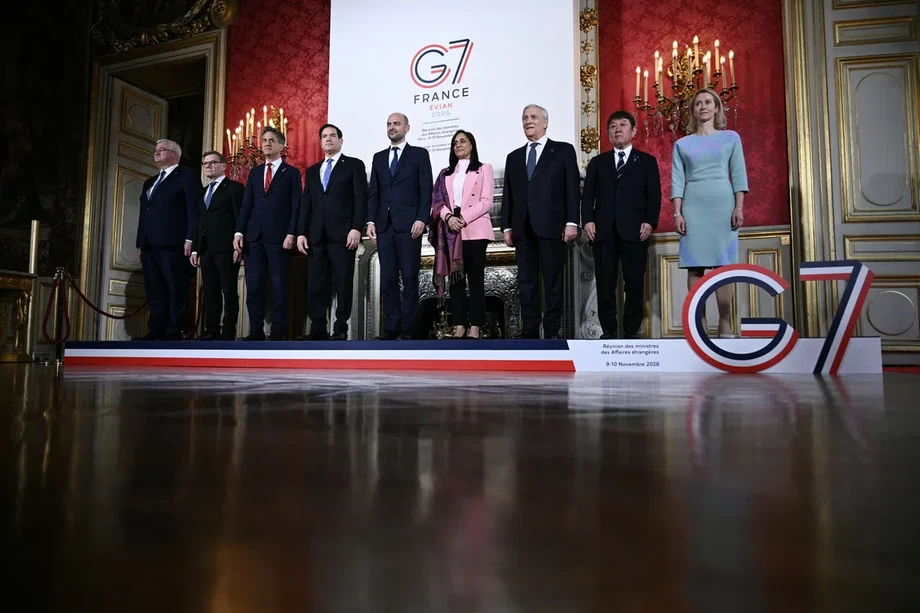
The declaration followed talks in Paris attended by G7 foreign ministers and the European Union's high representative for foreign affairs and security policy. The ministers opposed attempts to change the existing situation through force, coercion or threats, bringing several governments' earlier concerns into a shared diplomatic warning.
The G7 foreign ministers explicitly connected China's activities with risks to vessels using these waters. Their declaration said the activities:
threaten regional stability, freedom of navigation and the safety of international shipping
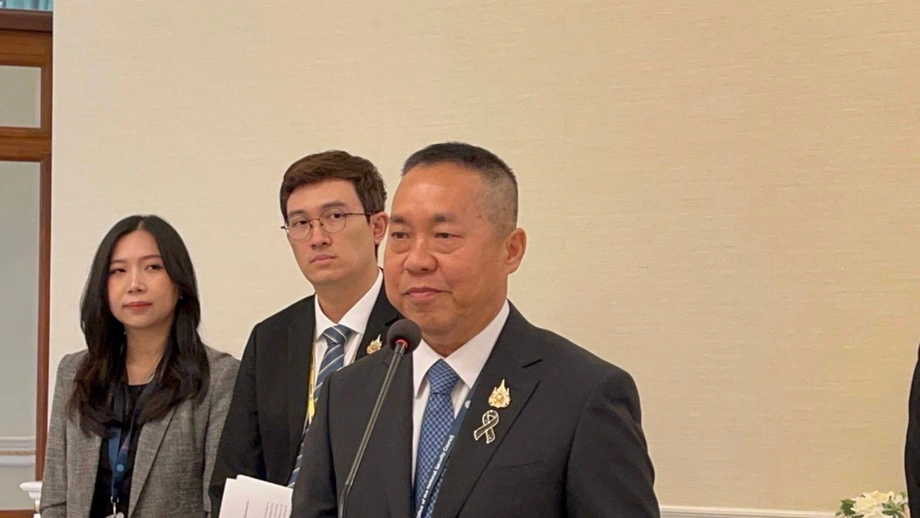
Taiwan's presidential office welcomed the statement. Spokeswoman Karen Kuo said Taiwan would continue strengthening its ability to defend itself and cooperating closely with international partners, including G7 members.
Why the eastern coast matters
Taipei regards the waters east of Taiwan as a possible route for wartime supplies from allies. Chinese activity there therefore affects a practical security concern: whether ships could approach the island from the Pacific during a crisis.
A maritime blockade seeks to restrict movement by sea, potentially stopping ships from delivering supplies or reaching ports. For Taiwan, pressure on its eastern approaches could complicate efforts to keep those routes open while Chinese forces also operate elsewhere around the island.
Taiwan's concern extends beyond the presence of individual patrol ships. Officials believe Beijing may be practising how different types of vessels could operate together. Military forces, coast guard ships and civilian vessels have different functions, but coordinated movements could put pressure on the same shipping routes.
Freedom of navigation means the ability of vessels to travel through waters in accordance with international law. By mentioning that freedom alongside shipping safety, the G7 framed the issue as a concern for other countries and commercial vessels as well as for Taiwan.
From patrols in June to the November declaration
China's activities and the diplomatic response developed over several months. The November declaration followed an October patrol that prompted Taiwanese accusations of shipping harassment, as well as a warning from Taiwan's defence minister about Chinese naval exercises in the Western Pacific.
- June 2026: China stepped up activity off Taiwan's eastern coast with regular coast guard patrols.
- October: Taiwan accused China of harassing shipping and attempting to exercise what Taipei called a fictional jurisdiction after a coast guard patrol.
- November 9 to 10: G7 foreign ministers and the EU foreign policy representative met in Paris.
- November 10: Taiwan Defence Minister Wellington Koo described Chinese exercises involving an aircraft carrier and other naval formations in the Western Pacific.
- November 11: The G7 published its joint declaration warning about China's activities east of Taiwan.
- November 12: Taiwan's government welcomed the declaration and reiterated its commitment to defence and international cooperation.
The United States, Britain, France and Germany had previously expressed concern about China's actions off Taiwan's eastern coast. The joint declaration was the strongest unified G7 expression of concern about these activities to date.
What the ministers opposed
The G7 ministers stressed the importance of peace and stability across the Taiwan Strait. Their language addressed both military force and coercion, meaning pressure intended to make another side accept a change it would otherwise reject.
The ministers set out their shared position in the declaration:
We reaffirmed our opposition to any unilateral attempts to change the status quo, particularly by force or coercion, or the threat thereof.
The status quo refers here to the existing situation around Taiwan. The ministers' objection covered an attempt by one side to change that situation on its own, including through threats rather than an actual attack.
The declaration also recognised Taiwan's substantive contributions to the international community and supported its meaningful participation in international organisations. Its treatment of Taiwan therefore combined concern about maritime security with support for a role in international affairs.
Taiwan links shipping harassment to claims of authority
Taiwan accused China of harassing shipping after the October coast guard patrol. Taipei also said Beijing was trying to exercise a fictional jurisdiction, challenging China's claimed authority to regulate activity in those waters.
Jurisdiction means the legal power to apply rules or enforce decisions in a particular place. Taiwan's accusation concerns both the treatment of vessels and the authority China claims when its coast guard operates east of the island.
China's Foreign Ministry did not immediately respond to a request for comment on the G7 declaration. The accounts of the patrol did not give a vessel count or identify the commercial ships involved in the alleged harassment.
Taiwan's Executive Yuan, its cabinet, also welcomed the G7 statement. Spokeswoman Lee Hui-chih said the government would continue strengthening its defence and cooperating with partners that share its values to protect democracy, freedom and human rights, while supporting stability and prosperity in the Taiwan Strait and the Indo-Pacific.
Carrier exercises add another layer of pressure
Taiwan Defence Minister Wellington Koo said on November 10 that China was conducting area denial exercises in the Western Pacific involving an aircraft carrier and other naval formations. China's military also operates around Taiwan daily.
Area denial means trying to make it difficult or dangerous for another force to enter or operate within a particular area. Around Taiwan's eastern approaches, such activity is relevant to the routes that outside forces or supply ships might need during a conflict.
The latest warning follows Taiwan's October fleet warning, when National Security Council Secretary-General Joseph Wu published a map showing 53 Chinese naval and other official vessels across waters extending from southern Japan to east of the Philippines. The total included 34 navy warships and 19 coast guard or other official vessels.
That October map placed the aircraft carrier Liaoning and its accompanying group east of the Philippines, with other formations off Taiwan's eastern and southeastern coasts. China's defence ministry described Liaoning's operations that month as routine training directed at no specific country.
Concern about the eastern approaches also featured in China's seabed surveys. Taiwan's coast guard described Chinese research activity around the island as preparation of the maritime battlefield. Information about underwater terrain and water conditions can help submarines navigate and operate, adding an underwater dimension to the security concerns surrounding surface patrols.
Beijing maintains its claim to Taiwan
China says Taiwan is part of its territory and does not recognise Taiwan's claims of sovereignty. Beijing says it prefers peaceful reunification, while retaining the option of using force to bring the island under its control.
Chinese President Xi Jinping reiterated the political objective on November 12 in Beijing, during a speech marking the 160th anniversary of the birth of Sun Yat-sen, who helped lead the revolution that ended imperial rule in 1911. Xi described resolving the Taiwan question as an:
unwavering historical mission
Xi also said complete reunification must be realised. Taiwan's government, meanwhile, rejected Beijing's sovereignty claims and responded to the G7 declaration by stressing defence and cooperation with international partners.
Why the warning reaches beyond Taiwan
The G7's reference to international shipping connects the military concerns with the movement of commercial goods. Restrictions on routes, pressure on vessels or a wider confrontation would affect decisions made by ship operators and governments beyond Taiwan.
Britain's exposure featured in a parliamentary deterrence warning earlier in November. A House of Commons committee cited figures showing that about 20% of global maritime trade passes through the Taiwan Strait each year, alongside approximately 3.9% of UK imports and 3.9% of UK exports.
The committee warned that dependence on Chinese supply chains could limit Britain's choices during a Taiwan crisis. Its concern links economic preparation with deterrence: a government better able to withstand disruption has more room to decide how to respond.
The immediate development is a stronger collective diplomatic warning about China's eastern patrols. For Taiwan, the concrete concern remains access to maritime supply routes, alongside the daily task of tracking Chinese forces around the island.
Key Points
- The G7 declaration published on November 11 warned that China's activities east of Taiwan threaten stability, navigation and shipping safety.
- China has increased regular coast guard patrols in the area since June.
- Taiwanese officials believe coordinated operations could be practice for a maritime blockade.
- Defence Minister Wellington Koo described Chinese carrier and naval exercises in the Western Pacific on November 10.
- Taiwan welcomed the declaration and pledged stronger defence and closer international cooperation.
- Beijing maintains its claim to Taiwan and has not renounced the use of force.