Two lines of investigation close as prosecutors appeal
Judges at the International Criminal Court in The Hague have closed the Afghanistan investigation that covered alleged crimes by US troops and the Islamic State Khorasan group, known as ISIS-K. A separate investigation into alleged Taliban crimes since the movement returned to power in 2021 will continue, with arrest warrants against four senior Taliban leaders remaining in effect.
Contents
- Two lines of investigation close as prosecutors appeal
- Why judges brought the broader inquiry to an end
- How the Afghanistan case narrowed
- What continues against Taliban leaders
- Why education officials are part of the case
- US sanctions and the dispute over jurisdiction
- What the appeal leaves unresolved
- Key Points
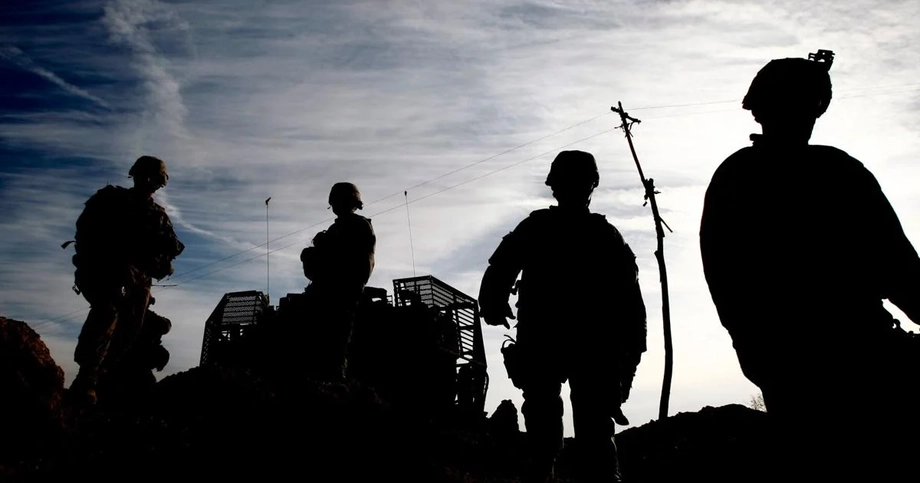
The decision, issued Thursday and made public Friday, narrows an inquiry authorised in 2020 that originally covered allegations involving Afghan government forces, the Taliban, American troops and US foreign intelligence personnel. The prosecutor's office said it had already appealed the closure but could provide no further details.
The ruling reaches beyond the allegations involving Americans. Judges also closed the strand concerning ISIS-K, which had become a focus of the original investigation after the inquiry into US personnel fell dormant in 2021. The surviving proceeding centres on alleged Taliban persecution of women, girls and LGBTQI+ people.
The court and 13 current and former staff members are under sanctions imposed by the Trump administration, which opposes investigations involving Americans and Israeli officials. Judges based their decision on prosecutors' ability to investigate and obtain evidence. Their ruling comes amid a broader confrontation over the court's authority, while prosecutors are seeking to keep the closed investigation alive through an appeal.
Why judges brought the broader inquiry to an end
The judges said prosecutors had not shown that they could effectively investigate allegations in Afghanistan beyond the Taliban proceeding. Their decision focused on the practical ability to build a case, including obtaining the evidence needed to support criminal allegations.
The chamber described the obstacles facing the prosecution in its ruling:
significant limitations to the Prosecution's ability to conduct its investigations and secure evidence
The ruling gave no further explanation of those limitations. Evidence gathering is central to a criminal investigation: prosecutors need material that helps establish what happened and connects alleged crimes to particular individuals.
The investigation into alleged US troop crimes had already been dormant since 2021. Formal closure changes its procedural position. Instead of remaining an open inquiry receiving little investigative attention, it is now subject to a judicial decision ending that part of the Afghanistan investigation, which the prosecutor's office is challenging.
ISIS-K is affected by the same decision. Its inclusion matters for Afghans seeking accountability because the closure removes another armed group's alleged crimes from the investigation that will continue alongside the Taliban case.
How the Afghanistan case narrowed
The ICC authorised the Afghanistan investigation in 2020 with a broad scope covering several parties to the conflict and alleged offences dating back to 2002. The latest ruling follows successive changes in investigative priorities and an earlier instruction from judges to separate the proceedings.
The main stages were:
- 2020: Judges authorised an investigation covering alleged offences by Afghan government forces, the Taliban, American troops and US foreign intelligence personnel.
- 2021: The inquiry involving US troops became dormant. The Taliban also returned to power that year.
- 2022: Then chief prosecutor Karim Khan chose to give lower priority to aspects that could involve Americans, citing difficulties obtaining evidence.
- Earlier in the year of the latest ruling: Judges ordered separate proceedings for alleged Taliban crimes since 2021 and the original Afghanistan investigation, which had shifted towards ISIS-K.
- Thursday: Judges issued the decision closing the broader investigation.
- Friday: The decision became public, and the prosecutor's office confirmed that it had appealed.
The inactivity beginning in 2021 and Khan's later decision concern different stages: investigative work had stalled before the prosecution formally gave those allegations lower priority in 2022. Judges have now gone further by ordering closure.
Separating the proceedings leaves the Taliban investigation able to continue on its own. The four existing arrest warrants remain in effect despite the closure of the other inquiry.
What continues against Taliban leaders
The surviving case concerns alleged crimes against humanity involving gender persecution after the Taliban seized power in August 2021. Women, girls and LGBTQI+ people are among those identified as targets.
Gender persecution means severely depriving people of fundamental rights because of their gender. A crime against humanity involves conduct that forms part of a widespread or systematic attack directed against a civilian population. The case therefore concerns alleged criminal responsibility for a broader pattern of treatment, rather than a single disputed rule.
The court made public its four Taliban arrest warrants on October 5, 2026. They name Supreme Leader Haibatullah Akhundzada, Chief Justice Abdul Hakim Haqqani, Acting Minister of Education Habibullah Agha and Acting Minister of Higher Education Neda Mohammad Nadim.
Judges found reasonable grounds to believe the four bore responsibility for persecution on gender and political grounds under Article 7(1)(h) of the Rome Statute, the treaty establishing the ICC. The alleged conduct began on August 15, 2021, and continued until at least January 20, 2025.
All four were reported to remain at liberty when the warrants were unsealed. Their cases are at the arrest warrant stage, where judges assess whether reasonable grounds exist to believe a suspect bears responsibility. A conviction requires a trial and proof beyond reasonable doubt.
Why education officials are part of the case
Agha and Nadim hold the portfolios responsible for schools and higher education. Their inclusion places officials overseeing education alongside the Taliban's supreme leader and chief justice in the criminal proceeding.
Taliban rules bar girls from education beyond the sixth grade and women from university study. Those restrictions directly determine whether girls can continue school and whether women can obtain university qualifications.
The warrants concern a wider alleged deprivation of rights, including violence connected with Taliban policy and the targeting of people considered supporters of women and girls or inconsistent with Taliban expectations about gender. Education is one concrete part of that case.
The prosecutor applied for warrants against Agha and Nadim on March 6, 2025, and judges issued them on September 9 that year. Warrants against Akhundzada and Haqqani had been issued on July 8, 2025. Making all four public in October 2026 exposed the wider reach of the proceeding that now survives the closure decision.
US sanctions and the dispute over jurisdiction
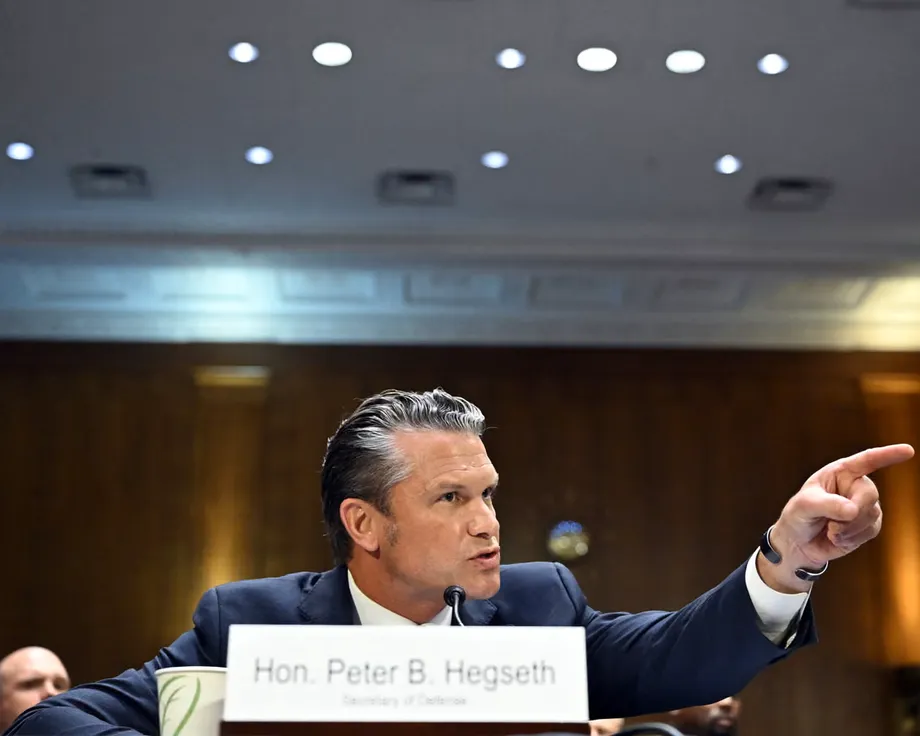
The Trump administration opposes ICC investigations involving American citizens and US allies, including Israel. Its sanctions target both the institution and 13 people who currently work or previously worked for it.
Secretary of State Marco Rubio has threatened to dismantle the court, describing the approach in these terms:
brick by brick, if necessary.
The United States is not an ICC member and does not recognise its jurisdiction. The Rome Statute nevertheless allows the court to prosecute individuals accused of atrocity crimes committed on the territory of a member state, including people whose own country has not joined. Jurisdiction means a court's legal authority to hear a case.
The territorial rule explains why an investigation can involve Americans despite Washington's refusal to join the court. Closing this Afghanistan inquiry leaves that rule unchanged, so the legal disagreement between the United States and the ICC extends beyond the investigation now being ended.
Washington also opposes outstanding ICC arrest warrants for Israeli Prime Minister Benjamin Netanyahu and his former defence minister over alleged crimes against humanity in Gaza. Both have strongly rejected the accusations. That separate dispute remains another source of confrontation between the administration and the court.
What the appeal leaves unresolved
The prosecutor's office has challenged the closure but has not disclosed the arguments behind its appeal. No date has been announced for a decision, and Washington's response to the narrower Afghanistan investigation is also uncertain.
Prosecutors and judges are now divided over whether the broader inquiry should remain open. The judges have focused on the prosecution's demonstrated ability to investigate allegations beyond the Taliban case. The appeal will put their decision under further judicial scrutiny.
For people seeking accountability over alleged crimes involving US personnel or ISIS-K, the appeal becomes the immediate route for challenging the closure. For those covered by the Taliban persecution case, the separate proceeding and four arrest warrants remain active. The result is a much narrower Afghanistan investigation, with its next legal step resting on the prosecution's challenge.
Key Points
- ICC judges closed the Afghanistan inquiry covering alleged crimes by US troops and ISIS-K.
- The prosecutor's office has appealed; no decision date has been announced.
- Judges cited limits on prosecutors' ability to investigate and secure evidence.
- A separate Taliban investigation continues, with four arrest warrants remaining in effect.
- The Taliban case concerns alleged persecution of women, girls and LGBTQI+ people since 2021.
- The court and 13 current and former staff members remain under US sanctions.