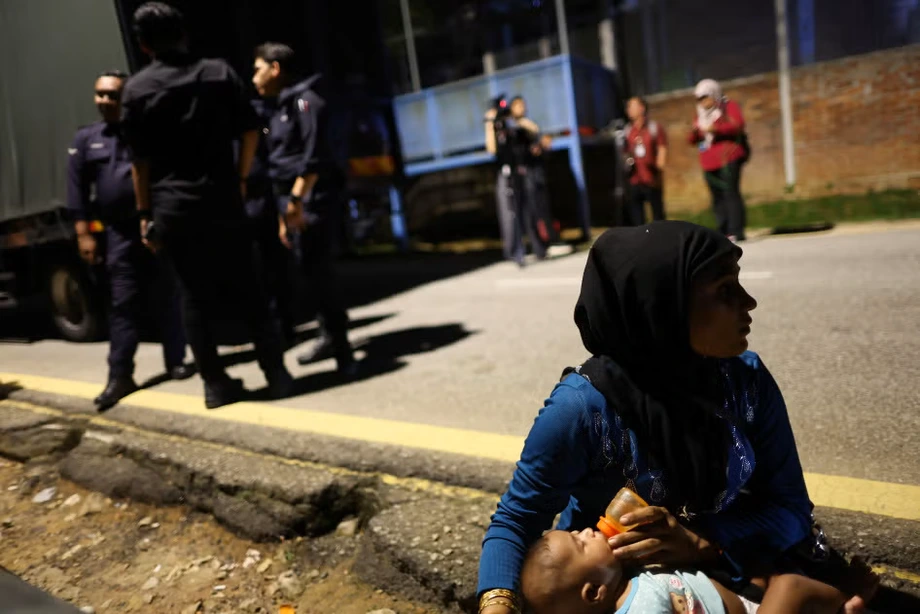
Children among those sent back from Lumut
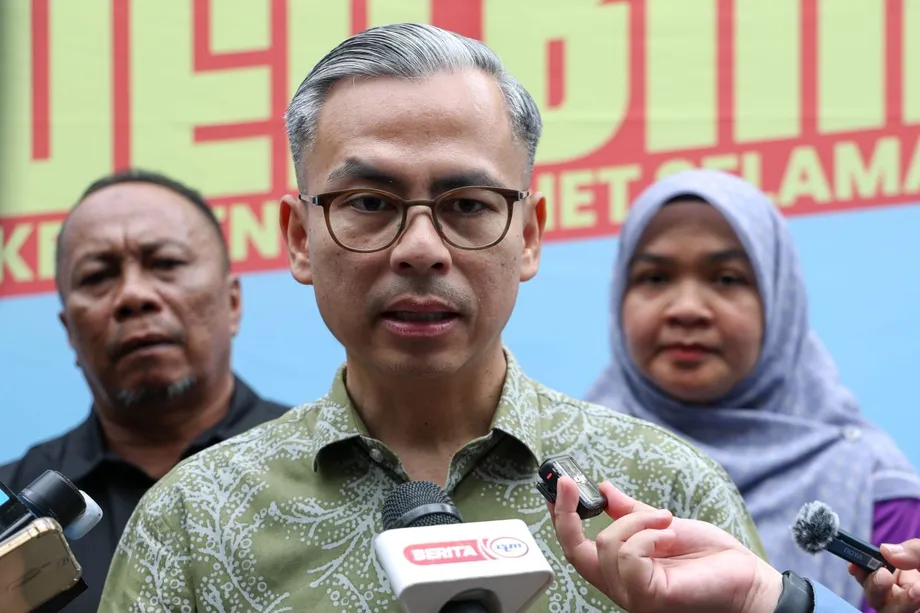
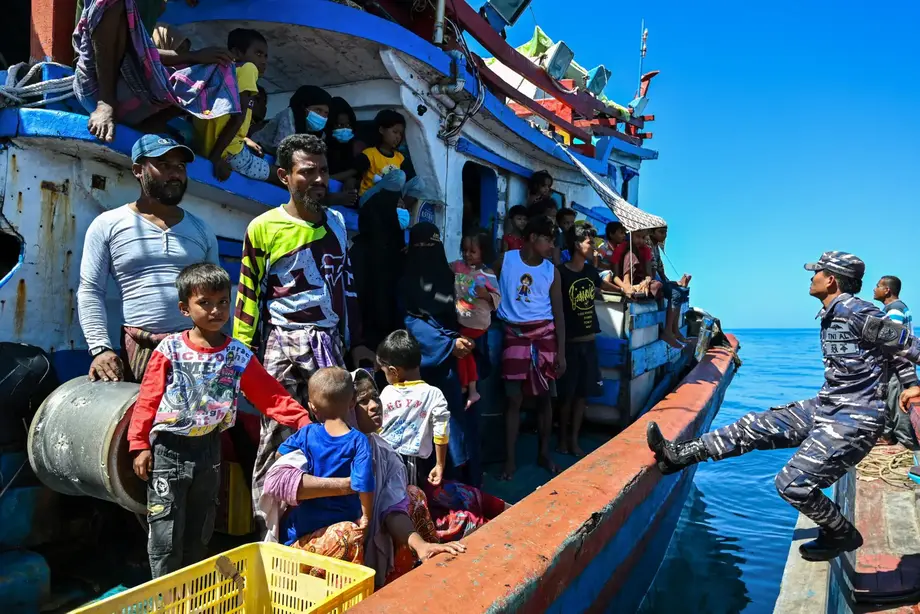
Malaysia sent 1,476 Myanmar nationals, including 27 children, from Lumut naval base in Perak on September 29, 2026, beginning a programme to return 5,000 people from immigration detention to a country still gripped by civil war. Another 3,524 people have been approved for a second phase, according to Malaysian Communications Minister Fahmi Fadzil.
Contents
- Children among those sent back from Lumut
- What Malaysia says its screening covered
- Can people in detention freely agree to return?
- What international law requires
- What awaits returnees in Myanmar?
- Why Rohingya citizenship is central to the deal
- Will Malaysia's new registration system protect refugees?
- Domestic pressure meets diplomatic engagement
- How the return programme developed
- Key Points
The first group included 1,370 men, 79 women, 20 boys and seven girls, ranging in age from eight to 60. They departed aboard two Myanmar navy ships and a hospital ship. Human Rights Watch detailed the operation in its October 6 statement, calling for Malaysia to stop further returns and give the United Nations refugee agency access to detainees.
Malaysia says the returns were voluntary, carefully checked and necessary to ease pressure on detention facilities and public spending. UN agencies and rights organisations warn that people taken directly from detention may face persecution, forced recruitment or other serious harm after arrival.
The dispute has since become part of a wider diplomatic exchange. Myanmar leader Min Aung Hlaing visited Malaysia on October 7 and 8 to discuss returns with Prime Minister Anwar Ibrahim. On October 21, Home Affairs Minister Saifuddin Nasution Ismail told Parliament that Malaysia would not return anyone facing clear evidence or a risk of persecution, torture or threats to life.
That subsequent safety pledge set a condition for further departures while leaving the programme in place. The central issue is how Malaysia will assess each person's danger before sending them back.
What Malaysia says its screening covered
Malaysia's Home Ministry says the first group underwent citizenship verification, document checks, health screening and identity checks. Myanmar authorities verified the list and submitted it through a diplomatic note dated August 13, followed by coordination over security, transport and reception arrangements.
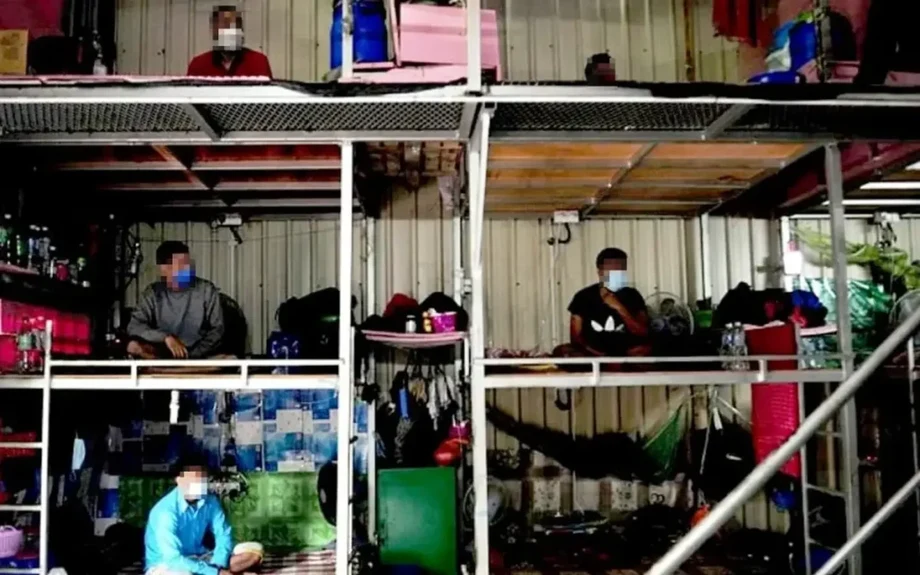
Detainees came from 14 immigration depots, with the largest groups from Belantik in Kedah and Tanah Merah in Kelantan. Final processing took place at Manjung District Stadium before they were taken to the Royal Malaysian Navy base at Lumut.
The ministry describes the programme as a way to manage irregular migration, shorten detention and reduce operating costs. As of August 31, it counted 11,804 Myanmar nationals in immigration depots and Baitul Mahabbah facilities. Officials have stressed that detained Myanmar nationals include people with different immigration circumstances and protection needs.
UN agencies and rights groups are seeking individual protection assessments alongside those administrative checks. Such an assessment considers what could happen to a particular person after return, including persecution because of ethnicity, political activity or other personal circumstances. It also gives someone seeking asylum an opportunity to explain why they fear going home.
Can people in detention freely agree to return?
Malaysia maintains that the departures were voluntary. Amnesty International Malaysia and Asylum Access Malaysia say the government announced on September 2 that refugees had signed documents expressing a wish to return.
The UN refugee agency, UNHCR, said it had no role in the September operation or in identifying those returned. Malaysia has denied the agency access to immigration detention centres since 2019, preventing its staff from reviewing asylum claims there or assisting detainees already recognised as refugees.
Human Rights Watch says consent given during indefinite detention, without access to UNHCR or a meaningful assessment of protection needs, cannot be genuinely voluntary. A representative of Malaysia's ethnic Chin refugee community said several asylum seekers were among those deported, including at least one person recognised by UNHCR as a refugee.
Amnesty International Malaysia and Asylum Access Malaysia condemned the operation in their September 29 joint statement. Joshua Ericsson, executive director of Amnesty International Malaysia, described the decision as a grave failure of protection.
This is one of the most serious refugee protection failures Malaysia has committed in recent years. The government has been warned repeatedly about the risks. It has heard from refugee communities, civil society organizations, UN agencies and international experts. Yet it has chosen to proceed anyway,
What international law requires
Malaysia has not joined the 1951 Refugee Convention or its 1967 Protocol, the principal international agreements governing refugee protection. Human Rights Watch, Amnesty International Malaysia and Asylum Access Malaysia say the country is nevertheless bound by the customary international law rule known as non-refoulement.
The rule prohibits sending someone to a place where they face a real risk of persecution, torture, threats to life or comparable serious abuse. Customary international law develops through state practice accepted as legally required, so obligations can apply to countries outside a particular treaty.
Amnesty International Malaysia and Asylum Access Malaysia say the September deportations breached that rule and the prohibition on collective expulsions. Their concern centres on whether each person's circumstances and need for protection received a proper assessment before removal.
The organisations challenged the planned deportation of 1,200 Myanmar nationals in Malaysian courts five years earlier. Human Rights Watch says Malaysia has deported thousands of asylum seekers since Myanmar's February 2021 coup without assessing their protection needs, including in violation of a Malaysian court order.
UNHCR's May 2024 guidance said people fleeing Myanmar "are likely in need of international refugee protection." For someone in detention, access to an assessment can determine whether a fear of persecution is heard before a departure becomes irreversible.
What awaits returnees in Myanmar?
Myanmar's civil war creates dangers extending beyond the military that seized power in 2021. Amnesty International researcher Joe Freeman warned that returnees could face forced conscription by the army or armed groups fighting it.
Human Rights Watch says the military continues to commit war crimes and crimes against humanity. Authorities have arbitrarily arrested tens of thousands of people since the coup, with thousands experiencing torture, other abuse or death in custody.
Rakhine State offers a stark example of the insecurity. Human Rights Watch said a military airstrike near a market in Kyauktaw killed 50 people on September 28, the day before the departures from Malaysia. The Arakan Army said two bombs killed 49 people there.
The Arakan Army, an ethnic Rakhine armed group, has fought the military for control of the state since late 2023. Human Rights Watch accuses both sides of grave abuses against Rohingya civilians, including unlawful recruitment, killings and widespread arson.
Rohingya in camps near Sittwe face restrictions on movement and shortages of food and medicine, while the city has been besieged and isolated. Those conditions make questions about destination, access to essentials and freedom of movement central to any arrangement for return.
Why Rohingya citizenship is central to the deal
Anwar said on July 29 that Myanmar had agreed to take back 5,000 Rohingya. Myanmar, however, has framed its commitment as accepting verified citizens. Successive Myanmar governments have denied citizenship to Rohingya, leaving many without the documents needed for legal entry, travel and ordinary civic life.
The ethnic composition of the September 29 group, including whether any Rohingya were aboard, has not been disclosed. Malaysia's announcement of a further 4,008 people, mainly Rohingya, for registration under its Refugee Registration Document programme points to another administrative route alongside the return arrangement.
Human Rights Watch's August 3 release recorded about 194,000 Myanmar nationals among more than 215,000 refugees and asylum seekers registered with UNHCR in Malaysia. That included 126,000 Rohingya, roughly 65 percent of the registered Myanmar group. By October, UNHCR's registered population exceeded 224,000, with about 90 percent from Myanmar.
The citizenship dispute also sits beside international proceedings over the 2017 military campaign that drove more than 700,000 Rohingya into Bangladesh. The International Court of Justice is scheduled to deliver its Myanmar genocide judgment on November 19, 2026, in the case brought by The Gambia. Myanmar denies genocide. The case concerns the state's responsibility under the Genocide Convention.
Will Malaysia's new registration system protect refugees?
Malaysia introduced the Refugee Registration Document system, known by its Malay initials DPP, in January 2026 to take over registration responsibilities from UNHCR. Officials say it will improve oversight and reduce false documentation.
The system operates under an unpublished National Security Council directive known as MKN 23. Human Rights Watch says registered refugees are meant to receive temporary permission to stay and access to work under its terms.
Early results show how much depends on implementation. By early July, authorities had processed 128 detained Rohingya through DPP. The home minister said 78 had been recognised as refugees and 25 were eligible to work. Human Rights Watch said the minister had not explained what would happen to people refused refugee status.
The Immigration Department and police were expected to complete checks on identity, nationality, immigration status, refugee claims and security backgrounds in the fourth quarter of 2026. Malaysia also instructed UNHCR in July to pause new refugee registrations temporarily.
Human Rights Watch has called for clear standards governing decisions, confidentiality, data protection and appeals. Amnesty International Malaysia and Asylum Access Malaysia argue that a credible registration system must make asylum accessible and protect people against return to danger.
Domestic pressure meets diplomatic engagement
Rohingya families in Malaysia have faced a surge of online hostility, harassment and disruption to education. A petition calling for their expulsion attracted more than 400,000 signatures in May before it was removed. False claims that Rohingya leaders demanded land and citizenship circulated alongside it.
The effects reached homes and classrooms. More than 100 people were displaced from a settlement in Kuala Muda, Penang, on July 27, and at least nine community schools temporarily closed amid threats. Those evictions and school closures left children and families facing insecurity while the government negotiated returns.
Anwar has presented the refugee population as an economic and security burden while also calling for humane treatment. Tricia Yeoh, director of the Asian Institute for Policy and Engagement at the University of Nottingham Malaysia, described him as politically weakened by coalition pressure, scandals and declining support. Malaysia's next national election is due by February 2028.
The October 7 and 8 talks gave Min Aung Hlaing a diplomatic opening. He became president of Myanmar's nominally civilian administration in April after elections widely rejected as a sham. ASEAN has maintained restrictions on participation by the military leadership at its highest level meetings.
During the October talks in Putrajaya, Anwar supported working towards Myanmar's fuller participation in ASEAN. He also said Malaysia had returned 10,493 Myanmar nationals during 2026, a broader annual total covering departures by air and sea alongside the September operation.
Amnesty International Malaysia says the International Criminal Court prosecutor's request for an arrest warrant against Min Aung Hlaing over alleged crimes against humanity against the Rohingya adds to the need for accountability. Human Rights Watch urged Malaysia to use engagement to press for an end to abuses and to stop further deportations.
How the return programme developed
The programme moved from parliamentary announcements to a naval transfer, followed by diplomatic talks and a later Malaysian assurance about protection from harm.
- July 23, 2026: Malaysia's deputy foreign minister told Parliament that 5,000 detained Myanmar nationals would be returned.
- August 13: Myanmar submitted a verified list through a diplomatic note.
- September 29: The first 1,476 people departed Lumut after Malaysia moved the planned date from Myanmar's original August 28 proposal.
- September 30: Fahmi Fadzil said another 3,524 people had been approved for the second phase.
- October 7 and 8: Min Aung Hlaing visited Malaysia for talks on repatriation.
- October 21: Saifuddin told Parliament that people facing persecution, torture or threats to life would not be returned.
Malaysia was awaiting a date from Myanmar for the second phase in early October. Its later parliamentary assurance kept further departures subject to checks and arrangements, with individual safety now an explicit public commitment.
Key Points
- Malaysia returned 1,476 Myanmar nationals on September 29, including 27 children aged eight or older.
- Another 3,524 people have been approved under the programme to return 5,000 detainees.
- Malaysia says departures were voluntary and screened; rights groups challenge consent obtained in detention without UNHCR access.
- Rohingya face particular obstacles because Myanmar denies them citizenship and fighting continues in Rakhine State.
- Malaysia later pledged to withhold returns where people face persecution, torture or threats to life.
- Rights organisations want further deportations halted and individual protection assessments completed.