Payments begin while fuel tests continue
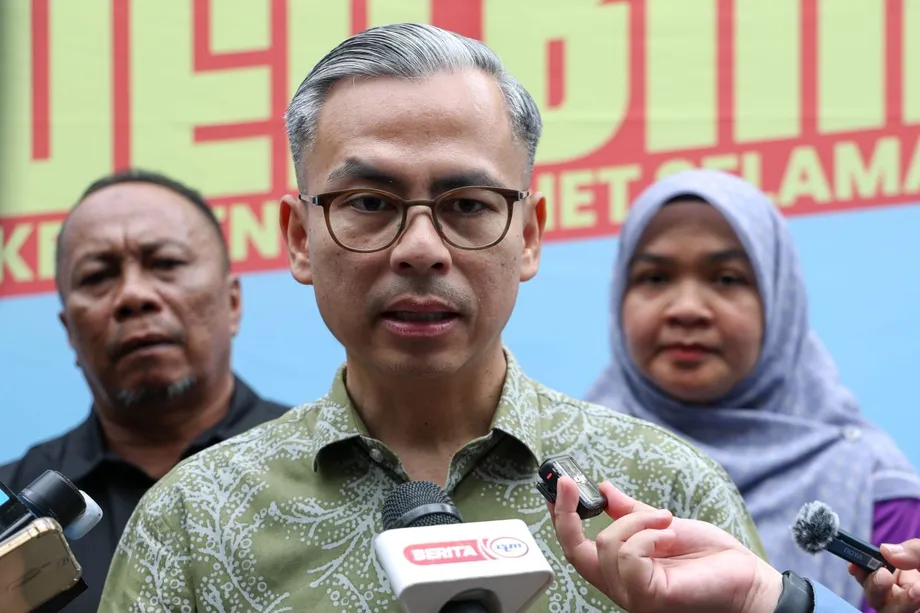
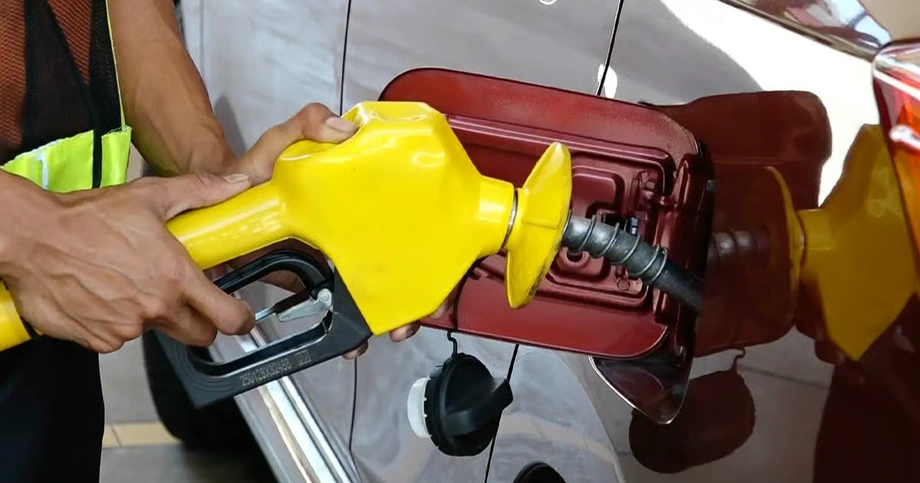
Caltex and Petron have begun making goodwill payments to Malaysian motorists with verified vehicle damage claims linked to suspected RON95 petrol contamination, Domestic Trade and Cost of Living Minister Armizan Mohd Ali told the Dewan Rakyat on November 5, 2026.
Contents
- Payments begin while fuel tests continue
- What motorists can do about damage claims
- What the first 43 laboratory results say
- How the investigation expanded
- Penang and Perak complaints show the local impact
- What inspectors found at station tanks
- Why checks now follow the fuel supply chain
- Formal complaints, station reputations and the next steps
- Key Points
The payments come as the Department of Chemistry examines 262 petrol samples collected by October 31. Preliminary results dated October 29 covered 43 samples, all of which recorded water content below 0.05%, the laboratory's minimum reporting threshold. The remaining samples are being tested for water and other foreign substances.
Armizan said the cause of the suspected fuel problem was still being investigated. Complaints received since October 3 appeared concentrated at certain Caltex and Petron stations, particularly in Kedah and Penang, and involved fuel supplied during a particular period.
For affected drivers, the immediate development is access to financial assistance while that investigation continues. Customers must submit complete complaints and valid supporting documents, and eligibility depends on criteria set by the companies. Armizan described the payments as voluntary assistance offered without an admission of fault or liability.
The minister was answering Abdul Latiff Abdul Rahman, the Perikatan Nasional MP for Kuala Krai, who asked about petrol sample analysis, restoring consumer confidence and compensation for vehicle damage. Abdul Latiff's question referred to samples from five states and depots; Armizan's update described a collection programme covering eight states.
What motorists can do about damage claims
Petron and Chevron, which operates the Caltex brand, have established customer recovery programmes for claims they verify. Armizan said motorists need to support their complaints with valid documents before the companies assess them against their payment conditions.
Drivers who consider the assistance insufficient have other routes to seek compensation. Armizan, explaining those options to Parliament, said:
"They can lodge a complaint with the domestic trade and cost of living ministry, take civil action or refer their cases to the consumer claims tribunal," he said.
The Tribunal for Consumer Claims Malaysia, known as TTPM, is a channel for resolving consumer claims. A civil action takes a dispute through the courts. Motorists considering either route will need evidence supporting the loss they are claiming.
Perak ministry director Datuk Kamalludin Ismail also advised affected consumers to retain relevant documents and evidence for tribunal or court proceedings. Keeping those records allows a motorist to support a claim while laboratory work and the wider investigation continue.
What the first 43 laboratory results say
The Department of Chemistry gave priority to testing for water because complaints had alleged that petrol mixed with water caused engine trouble. Armizan said a broader examination of the fuel's liquid properties and possible foreign contaminants would take longer.
The minister set out the preliminary finding during Question Time:
"According to the preliminary report received from the Department of Chemistry dated October 29, 2026, all 43 samples analyzed recorded a water content of less than 0.05 per cent," he said during Question Time.
A reporting threshold is the lowest level a laboratory can state reliably under its testing method. Here, the result was expressed as less than 0.05%, rather than a precise quantity below that level. Armizan said the initial batch showed no significant water contamination.
The 43 samples represented about 16.4% of the 262 collected. That left 219 samples, or roughly 83.6%, outside the preliminary results announced to Parliament. The collection dates also matter: the preliminary report was dated October 29, while the total collection figure ran through October 31.
Investigators are examining other foreign substances and the fuel supplied during the period associated with complaints. A full report is expected after the Department of Chemistry completes its analysis.
How the investigation expanded
The Ministry of Domestic Trade and Cost of Living, known as KPDN, began receiving formal complaints on October 3. Targeted inspections followed in Selangor and Perak, while complaints in the northern region brought further checks in Kedah and Penang.
The sequence shows how an inquiry initially focused on individual complaints grew into testing across stations, brands and depots:
- October 3: KPDN received its first formal complaint and began targeted inspections.
- October 4: Penang authorities reported inspection findings from a Batu Kawan station, where checks found no water in the RON95 storage tanks.
- October 9 and 21: KPDN held engagement sessions with Petron and Chevron to examine the suspected fuel quality problem.
- October 29: The Department of Chemistry issued preliminary findings covering 43 samples.
- October 31: The collection programme had reached 262 samples across eight petrol station brands in eight states and three oil company depots.
- November 5: Armizan told Parliament that goodwill payments had begun and testing was continuing.
Of the 262 samples, 259 came from petrol stations and three from oil company depots. Petron and Chevron also sent samples from stations named in complaints to their own laboratories, including facilities overseas.
KPDN said it would examine the entire fuel supply chain and take action under existing laws if investigators established an offence. The work therefore extends beyond the places where motorists bought petrol to the facilities and deliveries that supplied them.
Penang and Perak complaints show the local impact
Penang KPDN director S. Jegan said the state had received 33 complaints at one stage of the investigation, up from 21 two days earlier. That was an increase of 12 complaints, or about 57%, as more motorists came forward.
Penang investigators sent eight initial fuel samples for analysis. They collected material from stations as well as consumers, including vehicles and workshops. Jegan said some complainants described engine problems or vehicles failing to start after refuelling.
Perak received 25 complaints during October, involving Kinta, Kuala Kangsar, Taiping, Parit Buntar and Manjung. Kamalludin said the complaints concerned RON95 only, with none involving diesel or RON97.
RON95 and RON97 are different petrol grades. The number describes the fuel's resistance to knocking, an unwanted form of combustion inside an engine. In Perak, the complaints being investigated centred on the RON95 grade.
Armizan said several petrol stations remained closed following the complaints, and the ministry was examining losses suffered by their operators. The disruption therefore reaches both motorists dealing with vehicle problems and businesses unable to operate normally.
What inspectors found at station tanks
At a Batu Kawan station, checks reported on October 4 found no water in the RON95 storage tanks. Penang authorities conducted the inspection jointly with the oil company and station operator after a social media complaint about vehicle problems following refuelling.
Inspectors examined Automatic Tank Gauge records. These records showed no indication of water during the inspection or in the preceding three days. Physical checks around the pumps and tank sump found only normal condensation.
Manual tests used Water Finding Paste on both RON95 tanks. The paste changes colour when it comes into contact with water. Jegan said inspectors observed no colour change, while fuel discharged from all pump nozzles appeared clear.
The Petroleum Dealers' Association of Malaysia, or PDAM, also cited early October ministry inspections at 11 stations in Kedah and six in Perak that found no indication of water in the underground tanks examined. Laboratory analysis remained part of the investigation because inspectors were also assessing fuel samples and possible contaminants beyond water.
Why checks now follow the fuel supply chain
Penang authorities expanded their checks to follow the movement of petrol from vessels to depots, then through delivery tankers and stations to consumers. Jegan said the depot under examination supplied the northern region and Kelantan.
A depot stores fuel before it is distributed to stations. Examining storage and delivery alongside station tanks allows investigators to compare fuel at several points in its journey, including places serving multiple outlets.
PDAM president Datuk Khairul Annuar Abdul Aziz called for checks covering storage depots and delivery processes. The association said station dealers maintain their premises but depend on oil companies for petrol that meets prescribed specifications; dealers do not manufacture or blend the fuel.
Armizan said the incidents were concentrated in a particular period and locations, especially Kedah and Penang, while describing the matter as more than an isolated case. That pattern is part of the ministry's examination of the fuel supplied during the relevant period.
KPDN's meetings with Petron and Chevron on October 9 and 21 formed part of the effort to identify the source of the suspected quality problem. The companies' own laboratory submissions add another testing route alongside the Department of Chemistry's work.
Formal complaints, station reputations and the next steps
PDAM urged motorists to lodge formal complaints with KPDN and the relevant oil companies. A formal complaint gives investigators details they can examine and provides a route into the companies' claims processes.
The association rejected allegations that dealers deliberately added water to petrol for financial gain. It said such conduct would damage vehicles, undermine customer confidence and harm the businesses themselves.
PDAM also advised operators facing demonstrably false or defamatory accusations to preserve evidence, lodge police reports and notify their associations or PDAM. It said it could help coordinate further action, including referrals to the Malaysian Communications and Multimedia Commission where warranted.
The next major public milestone is the Department of Chemistry's full report. No release date, total payment amount or number of motorists paid was announced. Jegan had earlier estimated that laboratory analysis could take two to three weeks at the earliest, or about a month, depending on the work required.
Armizan said the government was also studying fuel quality testing and monitoring practices in Singapore, the United Kingdom and Australia. The review is intended to improve oversight throughout Malaysia's petrol supply chain, while the immediate work remains testing the remaining samples, investigating complaints and processing eligible claims.
Key Points
- Caltex and Petron have begun goodwill payments for verified vehicle damage claims, subject to company conditions and supporting documents.
- KPDN collected 262 RON95 samples by October 31, comprising 259 from stations and three from depots.
- Preliminary findings for 43 samples recorded water content below the 0.05% reporting threshold.
- Investigators are checking other foreign substances and examining fuel storage, deliveries and station supplies.
- Motorists dissatisfied with the assistance can complain to KPDN, approach the consumer claims tribunal or pursue civil action.
- A full laboratory report is expected after the remaining analysis is complete.