Extreme heat warning stretches from February to June
The Philippines could face heat index readings above 52°C from the last week of February through June 2027, while actual air temperatures could reach new records during the March to May hot season, according to the Philippine Atmospheric, Geophysical and Astronomical Services Administration (PAGASA).
Contents
- Extreme heat warning stretches from February to June
- What a heat index above 52°C means
- El Niño may peak before its effects do
- How the drought outlook develops
- Water and electricity face pressure together
- Farm losses meet an existing food reserve concern
- Western Visayas begins a regional response
- Schools and health services are already adjusting
- Funding, oversight and rain during El Niño
- Key Points
The warning comes as PAGASA identifies a very strong El Niño in the tropical Pacific, with a peak expected before the end of 2026 and effects potentially lasting through the first half of 2027. The agency also projects spreading drought, putting water supplies, farming, fishing and public health under pressure at the same time.
Ana Liza Solis, chief of PAGASA's Climate Monitoring and Prediction Section, said daytime temperatures in lowland areas could reach 39.5°C and possibly exceed that level. She pointed to previous El Niño episodes, including 2023 to 2024, when the country experienced exceptionally high temperatures, and said record heat historically occurs around May.
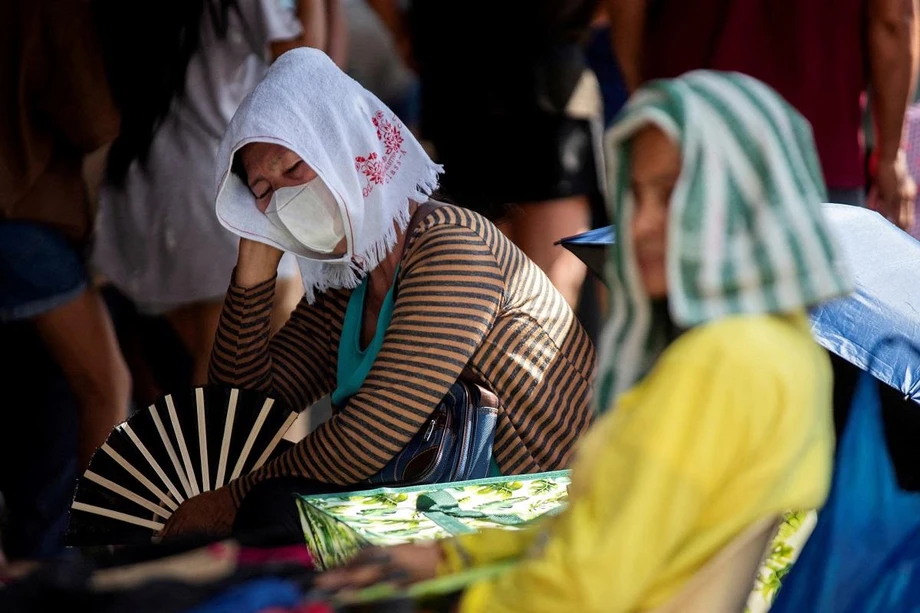
Weather forecaster Glaiza Esculiar said the sharpest increases in temperature and heat index are expected as the country enters its hot and humid season. Some locations could reach the category PAGASA calls extreme danger, when heat stroke becomes a serious risk.
The warning already has practical consequences. More than 100 public schools in Western Visayas suspended classes in person on November 3, 2026, while agricultural damage attributed to El Niño had reached P8.57 billion by October 21. The coming months could bring stronger heat to communities already coping with lost crops and interrupted schooling.
What a heat index above 52°C means
Heat index combines air temperature and humidity to describe how hot conditions feel to the human body. Humid air makes it harder for sweat to evaporate, reducing the body's ability to cool itself.
PAGASA's forecast therefore involves two connected measurements: potentially record air temperatures and heat index readings that could exceed 52°C. Administrator Nathaniel Servando said rising air temperatures would also push the heat index higher.
Esculiar, a PAGASA weather forecaster, described the expected timing of the increase:
"We expect heat index levels and temperatures to rise more sharply from late February through June, when the weather is typically hot and humid," Esculiar said.
PAGASA describes heat index values of 42°C to 51°C as dangerous. Its warning for 2027 includes the possibility of readings above 52°C in some areas, reaching extreme danger. Heat cramps, exhaustion and heat stroke are among the health risks identified in the agency's warnings.
For November 4, PAGASA forecast dangerous heat index values of 42°C to 51°C in at least nine areas; nine areas were also described as recording readings within that range. The warnings for late February through June concern a longer period when heat and humidity could intensify further.
PAGASA has not identified a date or location where a new national temperature record will occur. Its outlook is a warning about possible conditions over several months, with local forecasts providing the detail communities need as those months approach.
El Niño may peak before its effects do
PAGASA identified the El Niño as very strong in early November, following earlier projections that it could strengthen between September and December 2026. Most climate models cited by Solis indicate that the event will persist through the first quarter of 2027, while its effects may continue through June.
El Niño is the warm phase of a recurring Pacific climate cycle. Changes in ocean temperatures and atmospheric circulation can reduce rainfall in the Philippines, making dry spells and drought more likely.
Solis explained the timing during a House Committee on Agriculture and Food hearing:
"Most climate models predict that the ongoing El Niño will persist until the first quarter of 2027, with its peak expected before the end of 2026," Solis said.
Reservoirs, fields and household incomes can remain under pressure after the Pacific event reaches its strongest point. Water lost during months of low rainfall takes time to replace, and a damaged harvest can affect food supplies and earnings beyond the season in which it was planted.
Cooler weather is still possible during the Christmas period, Esculiar said. However, minimum temperatures are unlikely to fall as low as in the previous year. PAGASA also expects temperatures above average despite the northeast monsoon, or amihan, which normally brings cooler air.
How the drought outlook develops
PAGASA recorded meteorological drought in Albay, Catanduanes, Negros Oriental, Samar and Siquijor as of October 31. Another 11 provinces and highly urbanized cities had dry spells, while about 10 provinces had dry conditions.
The agency defines a dry spell as three consecutive months of rainfall below normal or two consecutive months of rainfall far below normal. Drought means three consecutive months far below normal or five consecutive months below normal. Below normal means a reduction of 21% to 60% from an area's average rainfall; far below normal means a reduction exceeding 60%.
The outlook presented to lawmakers projected 26 provinces in meteorological drought by December, 48 by January, 68 by February and 87 by March and April. An October 30 United Nations snapshot projected 54 provinces affected by drought by the end of 2026, compared with the 26 in PAGASA's hearing presentation. Both outlooks point to widespread drought by March.
The main dates for communities and agencies are:
- October 26, 2026: Western Visayas convened its first Regional El Niño Team Coordination Meeting.
- October 31: Five provinces were already experiencing meteorological drought.
- November to December: El Niño was expected to approach its peak, with drought spreading to more areas.
- January 2027: The UN outlook projected drought reaching Metro Manila; Western Visayas expected drought across the region.
- Late February through June: PAGASA warned of intensifying heat and possible extreme danger heat index readings.
- March and April: PAGASA projected drought across virtually the entire country.
Solis said PAGASA generally issues forecasts covering up to six months because uncertainty increases beyond that period. Lawmakers requested projections beyond April to help agencies prepare for effects that could last longer.
Water and electricity face pressure together
Metro Manila, home to about 14 million people in the 2024 census, could experience drought by January 2027, according to the UN snapshot. January is normally among the capital's coolest months, making the projected timing an early warning for water and health services.
The snapshot identified one in three barangays nationwide as vulnerable to effects on water services. Falling reservoir, groundwater and surface water levels could cause interruptions, reduce output from smaller systems and worsen water quality from late 2026.
Peak electricity demand could rise by 10.7%, according to the same assessment. Hotter conditions increase demand for cooling while drought places pressure on water resources and energy operations. Hospitals, schools, farms and homes may therefore need reliable water and power during the same difficult period.
Servando, PAGASA's administrator, called for agencies and the public to prepare, particularly by conserving water and managing available supplies efficiently:
"The public and all concerned agencies are strongly advised to implement appropriate sectoral interventions, conservation and mitigation measures, particularly water conservation and efficient management of water resources, to minimize the potential impacts of El Niño," Servando said in a statement.
Solis also warned that severe heat could affect animals, the environment and the functioning of machinery and equipment. The concern extends beyond personal discomfort to the systems that keep food production, transport and essential services operating.
Farm losses meet an existing food reserve concern
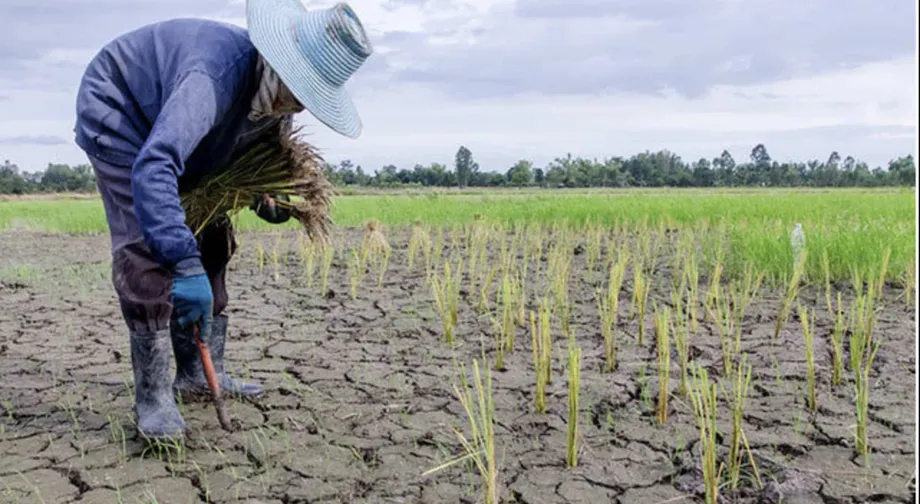
The Department of Agriculture estimated El Niño damage at P8.57 billion as of October 21, with more than 288,000 farmers affected. In its worst case estimate, around 4.6 million of the country's 10.4 million farmers and fisherfolk could be affected.
Those figures put the potential reach at about 44% of farmers and fisherfolk, or more than two in five. The estimate covers people exposed to rainfall shortages, heat and water stress, with consequences for both household earnings and food production.
The heat warning follows concerns about the country's limited public rice reserve. In October, National Food Authority Administrator Larry Lacson reported seven days of stocks in government warehouses, while industry estimates placed government holdings at around nine days. Both were below the 15 days required under the revised Rice Tariffication Law.
At that time, the agriculture department was preparing for a possible reduction of about 700,000 metric tons of palay, or unhusked rice, in the main harvest during the second half of 2026. A national rice supply held largely by households and businesses leaves emergency distribution dependent on stocks the government controls or can purchase and move quickly.
The UN assessment expects effects on food access to last into the second quarter of 2027. For farming households, that could mean coping with lost earnings while also paying for food, water and the next planting cycle.
Western Visayas begins a regional response
Western Visayas offers a detailed picture of preparations already underway. On October 26, the Regional Disaster Risk Reduction and Management Council convened an El Niño coordination meeting chaired by Office of Civil Defense regional director Raul E. Fernandez.
PAGASA projected Capiz entering drought in November, Guimaras joining in December, and the entire region experiencing drought from January to April 2027. The regional situation report listed 1,113 affected families, while Dueñas, Iloilo, had declared a state of calamity.
Agencies were required to submit weekly El Niño accomplishment reports to the Office of Civil Defense starting October 29. The Bureau of Fire Protection and local governments were assigned to prioritize water rationing for hospitals.
The council also agreed to secure emergency energy reserves through the oil sector and asked the Department of Agriculture to reconcile rice yield data with the Philippine Statistics Authority. Those steps address the linked risks to water, power and food supplies.
The Office of Civil Defense will seek funding for an estimated P300 million in repairs to the Aklan River Irrigation System's East and West dams. Both were described as operating at critically low levels, adding an infrastructure problem to the region's rainfall shortage.
Schools and health services are already adjusting
More than 100 public schools in Western Visayas suspended classes in person on November 3, when the forecast heat index reached 43°C in Iloilo City and 42°C in Roxas City, Capiz.
DepEd Memorandum No. 64, series of 2026, sets learning arrangements during El Niño. Under its heat response framework, heat index readings of 33°C to 41°C trigger suspension of classes in person and a shift to lighter activities at home. At 42°C or above, all academic activities, including learning at home, are suspended.
Hernani Escullar Jr., information officer for DepEd Western Visayas, said schools may adjust arrangements according to local conditions even without a blanket suspension from the local government. Private schools are also encouraged to follow safety guidelines.
The UN snapshot warned of a high alert for illness related to heat in the first quarter of 2027. Hospitals are preparing for a possible patient surge, with emergency visits and admissions potentially rising in the second quarter. Water shortages could also increase illness linked to contaminated food or water.
Children, older people and persons with disabilities face particular risks. For students, repeated class interruptions can combine with inadequate sanitation and falling household income, making attendance and continued learning harder.
Funding, oversight and rain during El Niño
The Department of Agriculture has outlined a response plan worth P61.99 billion, including an initial P6.2 billion release under UPLIFT for fuel, fertilizer and direct assistance to more than 310,000 farmers and fishermen. A P371 million funding gap was identified for interventions including cloud seeding and sugarcane pest control.
The department also sought P14.2 billion for unfunded projects in 2026 and 2027. Assistance described by the agency included P10.81 billion in production support and P569.95 million in crop insurance payments for 68,980 farmers.
The October 30 UN snapshot separately recorded $123.2 million allocated for government readiness and response and $117 million in agriculture interventions. It also counted 109 cities and municipalities under a state of calamity. These figures describe different budgets and packages at different stages of implementation, with delivery to affected communities central to the response.
Quezon Representative Wilfrido Mark Enverga, chairman of the House Committee on Agriculture and Food, said the committee would examine the response plan, coordination between agencies and the timely release of assistance.
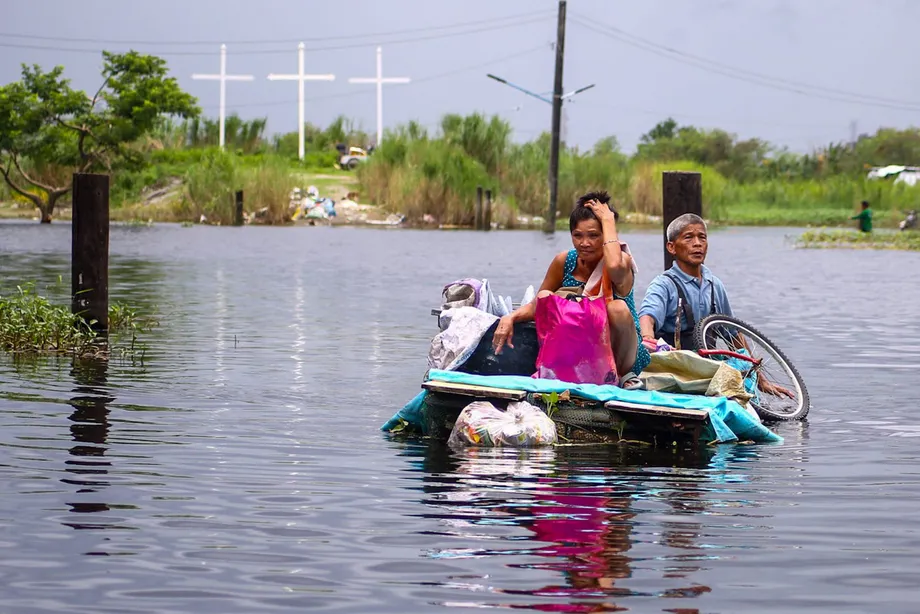
Rain will still occur during El Niño. PAGASA expects two to six tropical cyclones to develop within or enter the Philippine Area of Responsibility from November 2026 through April 2027, with one or two possible in November and December. The northeast monsoon and other weather systems can also bring rain.
Local preparations must therefore cover both prolonged shortages and individual storms. The next major forecast milestones are the projected spread of drought in January, the increase in heat from late February, and the possible nationwide drought conditions around March and April.
Key Points
- PAGASA warns that heat index readings could exceed 52°C in some areas from late February through June 2027.
- Actual air temperatures could reach new records during the March to May hot season.
- A very strong El Niño is expected to peak before the end of 2026, with effects potentially lasting through June 2027.
- Drought is projected to spread widely, threatening water supplies, agriculture, electricity services and public health.
- Agricultural damage reached P8.57 billion by October 21; up to 4.6 million farmers and fisherfolk could be affected under the agriculture department's worst case estimate.
- Western Visayas has begun weekly monitoring and hospital water preparations, while heat has already interrupted classes in more than 100 public schools.