Ministry asked to take control of property
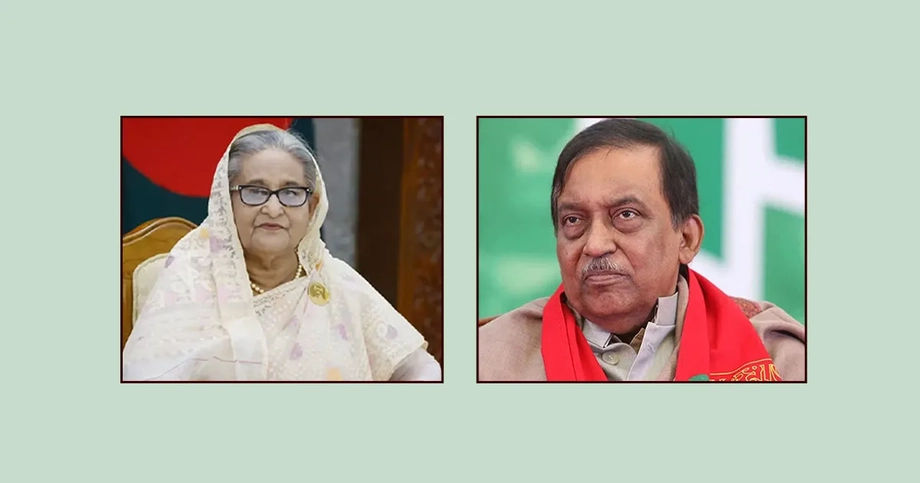
Bangladesh's tribunal prosecutors have asked the Home Ministry to take control of property belonging to former prime minister Sheikh Hasina and former home minister Asaduzzaman Khan Kamal, moving to enforce confiscation orders intended to compensate families of people killed in the July 2024 uprising and other victims.
Contents
- Ministry asked to take control of property
- What the letters ask officials to do
- Why prosecutors say enforcement can proceed
- All property or a 50 percent sale?
- What Hasina declared and what investigators found
- Ownership will shape the inventory
- Khan's assets face parallel scrutiny
- From the uprising to property enforcement
- Key Points
The letters seek implementation of the November 17, 2025 judgment of International Crimes Tribunal-1, which sentenced both former leaders to death for crimes against humanity. The memorandum concerning Hasina identifies the proceedings as ICT BD Case No. 02/2025 and asks the ministry's senior secretary to arrange a complete inventory of her property.
Prosecutors warned that delay could allow assets to be sold, transferred or otherwise used, frustrating the tribunal's order. Their immediate request is therefore to secure the property before arranging compensation.
The amounts involved remain uncertain. Hasina declared assets worth approximately Tk 4.34 crore in her affidavit for the 2024 parliamentary election. Khan declared approximately Tk 10.25 crore, excluding gold. A crore equals 10 million taka, putting those declarations at about Tk 43.4 million and Tk 102.5 million respectively.
Chief Prosecutor Md Aminul Islam said the assets would be seized and sold, with proceeds distributed to families of those killed. His description also raised an unresolved issue about the share to be sold: the letters seek control of all property, while he referred to selling 50 percent. The ministry must determine how to implement the orders within the applicable law.
What the letters ask officials to do
The Chief Prosecutor's Office has requested three practical steps: identify the property, bring it under state control and arrange its distribution as compensation under the tribunal's judgment. A similar memorandum was sent concerning Khan.
The request covers immovable property, such as land and buildings, and movable property, such as money, vehicles and investments. Taking control of these different assets requires officials to establish ownership and assemble an inventory before calculating their value.
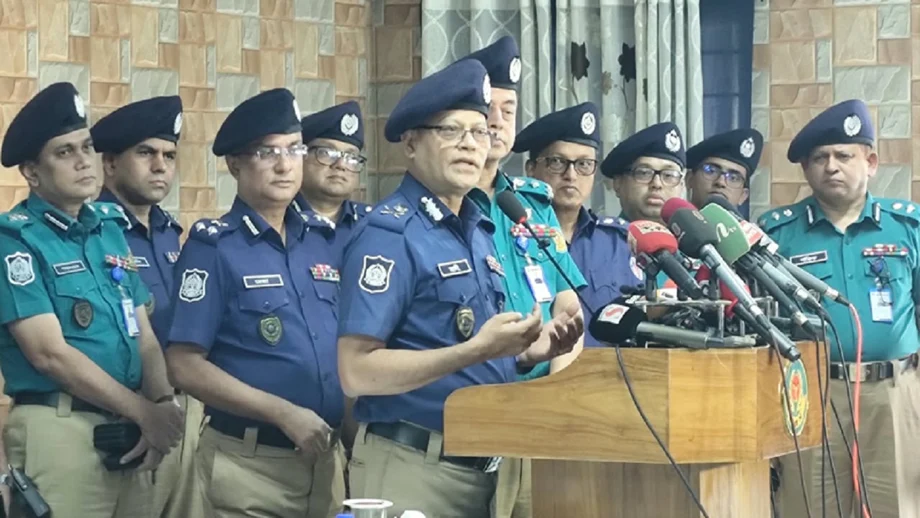
Islam announced the letters on November 3. He said the Home Ministry was responsible for implementing tribunal judgments and orders, and identified the Public Demands Recovery Act and Section 386 of the Code of Criminal Procedure as possible routes for enforcement. He also said separate rules would be preferable.
For victims and bereaved families, the proposed process would turn property held by convicted former officials into compensation. The prosecution has given no estimate of the proceeds, sale timetable or payment schedule. Valuation will follow identification of the assets.
Why prosecutors say enforcement can proceed
Islam said no appeal had been filed on Hasina's behalf within the 30 days allowed under Section 21 of the International Crimes (Tribunals) Act. The prosecution therefore considers that there is no legal barrier to enforcing the confiscation order.
Section 21 gives the government and an accused person a period in which to challenge a tribunal decision. Islam said subsections 21(1) and 21(2) provide 30 days, while subsection 21(3) bars appeals submitted after that deadline.
The chief prosecutor explained that an appeal involving another defendant would apply to that person's part of the case:
One person's appeal does not cover another's part. No appeal has been filed for [Hasina].
Islam said the prosecution's position was that the Limitation Act, which deals with legal deadlines, does not apply to this special law. He also said the Appellate Division had not yet settled a case involving an appeal filed after the deadline, and that prosecutors would raise the missed deadline in a pending appeal.
Hasina was convicted in her absence. Property enforcement and the execution of her criminal sentence involve different practical steps: officials can seek control of assets in Bangladesh while the government continues seeking her return from India.
All property or a 50 percent sale?
The memorandum concerning Hasina describes an order confiscating all her property for compensation to families of those killed and other victims. Islam, however, described the proposed sale in narrower terms.
The chief prosecutor said the government would carry out the sale and distribution:
The tribunal's verdict is to sell 50 percent of the accused's property and distribute the proceeds among July martyrs' families. The government will do this.
Asked why the earlier verdicts concerning Hasina and Khan did not explicitly specify confiscation of 50 percent, Islam referred to the Rome Statute, which he described as allowing confiscation orders covering up to 75 percent of assets. He said prosecutors would advise the ministry to implement the orders in accordance with the law.
The percentage matters directly to the compensation fund. Securing all identified property places it within the state's control; the portion ultimately sold determines how much of that property becomes money for recipients. The written implementation arrangements will need to resolve that issue.
What Hasina declared and what investigators found
Hasina's 2024 election affidavit listed approximately Tk 4.34 crore in assets in her own name. The declaration included about Tk 2.39 crore held in banks and financial institutions, alongside savings certificates, fixed deposits, vehicles, gold and furniture.
Her declared real estate included 15.3 bighas of agricultural land, a plot in Purbachal and a building with three floors and associated land in Tungipara. Bigha is a unit used to measure land in Bangladesh.
The Anti-Corruption Commission has also investigated her land holdings. According to the commission, Hasina understated the amount of land she owned in her affidavit for the 2008 election. Its verification identified more than 28 acres and 41 decimals of immovable property in her name. A decimal is one hundredth of an acre.
The commission is pursuing cases over allegations that six plots, each measuring 10 kathas, were allocated in Purbachal to Hasina and members of her family. Those proceedings concern the legality of the allocations, while the tribunal's confiscation order concerns property belonging to the convicted person.
Ownership will shape the inventory
Two prominent properties associated with Hasina's family have ownership arrangements that officials must account for. The house at Dhanmondi 32 belongs to the Bangabandhu Sheikh Mujibur Rahman Memorial Trust. Sudha Sadan is owned by Sajeeb Wazed and Saima Wazed.
A trust is an arrangement under which property is held and managed for a stated purpose. Officials preparing the inventory will therefore need to examine registered ownership, including whether an asset belongs personally to Hasina, to a trust or to another family member.
Election affidavits provide a starting list of declared holdings. A current inventory must also account for ownership records, subsequent transactions and present valuations. The amount declared in 2024 and the amount eventually recovered serve different purposes: one records a candidate's declaration, while the other will determine the resources available for compensation.
Khan's assets face parallel scrutiny
Khan's election affidavit listed cash, bank deposits, bonds and shares, savings certificates or fixed deposits, vehicles, business capital and gold. It also recorded agricultural and nonagricultural land, houses and apartments.
His declared assets, excluding gold, were worth about Tk 10.25 crore. That was approximately 2.4 times Hasina's declared Tk 4.34 crore, although the figures reflect their respective declarations rather than current sale prices.
The Anti-Corruption Commission has investigated Khan's wealth and brought a case. In court, it alleged that he acquired and held assets worth Tk 16.42 crore that were inconsistent with his known income.
The commission's allegation is about Tk 6.17 crore higher than his declared asset total excluding gold. Investigators and officials implementing confiscation will have to establish which assets are held by Khan and how the relevant proceedings apply to them.
For compensation recipients, the practical value will depend on the property recovered and the money obtained from any sale. Bank balances, investments, buildings and land each require different checks before they can be transferred or converted into payments.
From the uprising to property enforcement
The confiscation effort follows the prosecution of former leaders over the suppression of protests in July and August 2024. Hasina's government collapsed in August, and she fled to India.
The key developments span the uprising, the tribunal judgment and the current enforcement request:
- July and August 2024: Protests and the crackdown that became the subject of the crimes against humanity proceedings took place.
- August 2024: Hasina left Bangladesh for India after her government fell.
- November 17, 2025: International Crimes Tribunal-1 sentenced Hasina and Khan to death and ordered property confiscation for compensation.
- October 2026: Hasina renewed her pledge to return to Bangladesh, while disputing her conviction.
- November 3: Islam announced the letters seeking Home Ministry action on the confiscation orders.
The November 2025 death sentences followed findings concerning incitement, orders to kill and failures to prevent atrocities. Bangladesh subsequently sought the return of Hasina and Khan from India.
Hasina has rejected the conviction and accused the authorities of using criminal proceedings against her and her Awami League. During her October return pledge, she identified December 2026 as her intended return period; her son later said no date had been fixed.
Islam said confiscation orders also covered Awami League General Secretary Obaidul Quader and others. Prosecutors had identified around 11 to 12 people covered by such orders after verification. The immediate task for the ministry is to turn those orders into verified inventories and an operational compensation process.
Key Points
- Prosecutors have asked the Home Ministry to take control of assets belonging to Sheikh Hasina and Asaduzzaman Khan Kamal.
- The request follows the tribunal's November 17, 2025 judgment ordering confiscation for compensation to uprising victims and bereaved families.
- Hasina declared about Tk 4.34 crore in assets in 2024; Khan declared about Tk 10.25 crore excluding gold.
- Prosecutors say Hasina filed no appeal within the statutory 30 days and argue that enforcement can proceed.
- The letters seek control of all property, while the chief prosecutor referred to selling 50 percent. Implementation must resolve the share to be sold.
- No estimate of sale proceeds or timetable for compensation payments has been announced.