Tokyo weighs its words as security strategy revision nears
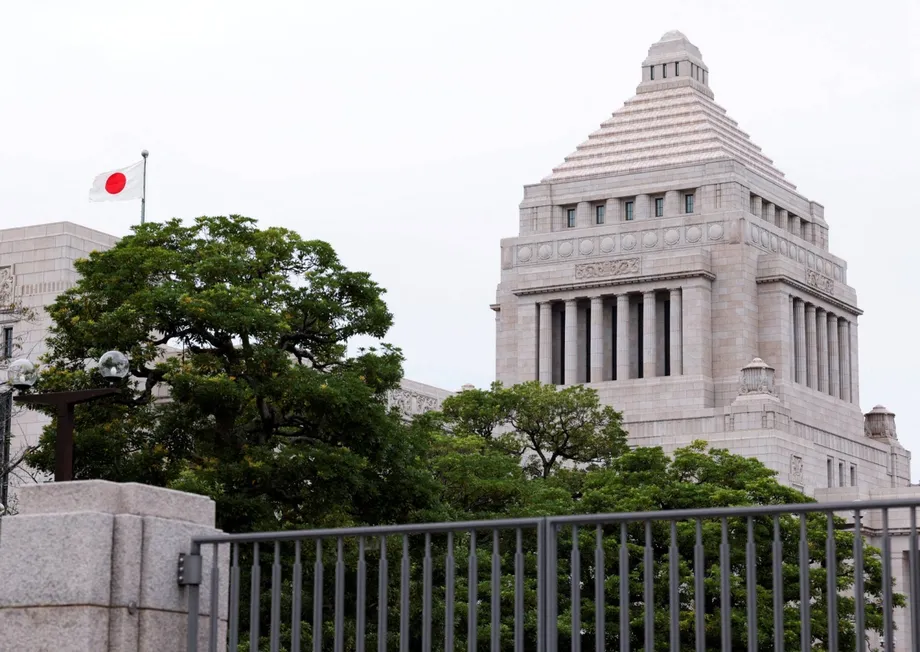
Japan is considering keeping China described as its "greatest strategic challenge" in a revised National Security Strategy due by the end of 2026, while avoiding the stronger label of "threat." The proposal emerged on October 30 as Tokyo faces Chinese military activity near its southwestern islands, pressure on industrial supplies and a United States administration seeking a more stable relationship with Beijing.
Contents
- Tokyo weighs its words as security strategy revision nears
- What the two descriptions mean
- Washington's approach shapes Tokyo's calculation
- Military activity keeps the debate concrete
- Japan's southwestern islands remain a focus
- Trade ties bring security concerns into factories
- Travel links show another part of the relationship
- The decisions and dates to watch
- Key Points
The wording remains under discussion. Consultations with Japan's ruling parties are expected to begin in mid-November, and the government will take those talks into account before making its final decision. The National Security Strategy is one of three security policy documents scheduled for revision by the end of the year.
Japan's current strategy identifies Chinese military expansion, economic coercion against other countries and attempts to change the status quo unilaterally in the East and South China Seas. It describes those developments as an unprecedented and greatest strategic challenge to strengthening an international order based on the rule of law.
Keeping that language would preserve a serious assessment of China's conduct while maintaining a distinction between Beijing and North Korea, which the strategy describes as an immediate threat. The choice also reflects China's position as Japan's largest trading partner and the Japanese government's desire to stay aligned with Washington.
What the two descriptions mean
The National Security Strategy sets out the government's broad view of the dangers Japan faces and the approach it intends to take. Its language gives ministries, military planners, allies and other governments a common statement of Tokyo's priorities.
A strategic challenge can cover several kinds of pressure at once: military deployments, disputes at sea and the use of economic ties to influence another government's choices. Japan's current description of China brings those concerns together. The word "threat," more often applied to hostile countries, would send a sharper diplomatic message.
North Korea's separate description shows how carefully Tokyo distinguishes its assessments. Japan can identify China as its greatest strategic challenge while using more immediate language for North Korea. Retaining that distinction would leave the existing hierarchy of terms in place.
The proposal therefore concerns how Japan states its assessment of China, with practical security concerns continuing in the background. Chinese ships and aircraft still require monitoring, while Japanese manufacturers still need access to materials and markets connected to China.
Washington's approach shapes Tokyo's calculation
The Trump administration's pursuit of a "constructive strategic stability relationship" with China is part of Japan's calculation. Tokyo wants its revised strategy to remain in step with the approach of its American ally, even as relations between Japan and China have cooled.
Strategic stability means trying to make relations between major powers more predictable and reduce the risk that confrontation turns into a larger crisis. For Japan, the immediate diplomatic issue is whether stronger language about China would complicate that effort or create friction while Washington is seeking steadier ties.
Japan's proposed wording would allow it to retain a firm assessment without moving to the more confrontational label under consideration. The government is weighing the language against both Chinese conduct and the direction of American diplomacy.
The final choice will also pass through domestic political discussions. Ruling party consultations expected in mid-November give the government another stage at which to test the proposal before completing the revisions by the end of December.
Military activity keeps the debate concrete
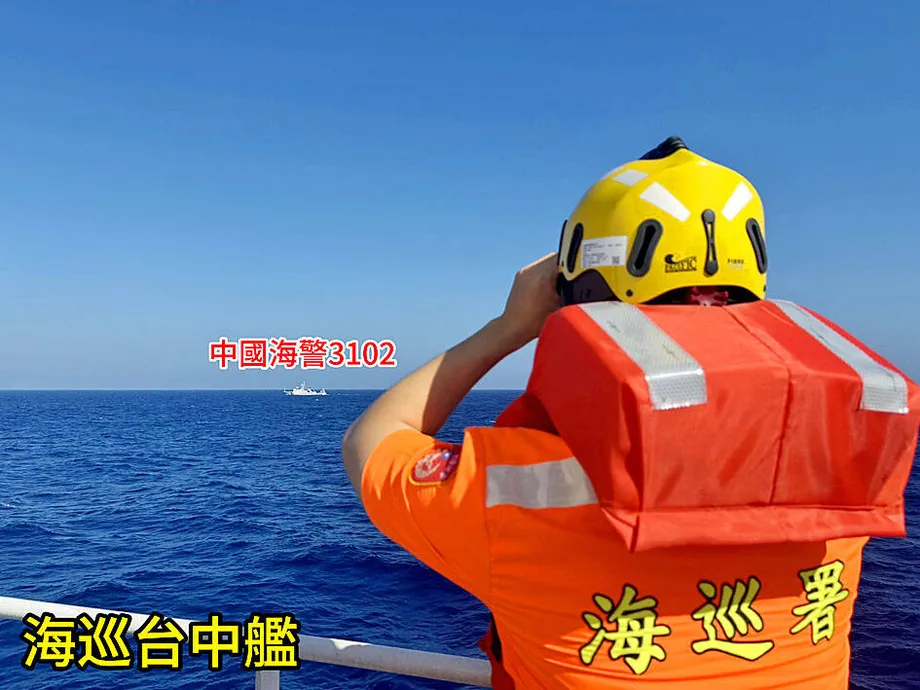
China's recent naval movements give the wording debate a visible regional setting. On October 28, Taiwan's National Security Council Secretary-General Joseph Wu published a map identifying 53 Chinese naval and other official vessels across waters from southern Japan to the east of the Philippines.
The vessels included 34 navy warships and 19 Coast Guard and other official ships. Warships therefore accounted for about 64 percent of the total. The distribution mattered as much as the number: the map placed formations near southern Japan, off Taiwan and farther south near the Philippines.
Wu, Taiwan's senior national security official, described the activity as a shared concern for the three places:
We're staying vigilant about their activities. The simultaneous threat to Taiwan, Japan and the Philippines is obvious.
Taiwan's warning about 53 Chinese vessels illustrates the different language governments use about the same regional security environment. Beijing had described the Liaoning aircraft carrier's operations earlier in October as routine training that was not directed at any particular country.
Japan's defense ministry also tracked three Chinese warships and a Coast Guard ship passing through the Osumi Strait into the Pacific on October 27. The strait lies off Kyushu, placing the movement close to the southernmost of Japan's four main islands.
Japan's southwestern islands remain a focus
The Liaoning carrier group had already drawn Japanese surveillance earlier in October. Japan confirmed aircraft taking off from and landing on the carrier about 250 kilometers south of Ishigaki Island on October 14, after the group sailed between Okinawa's main island and Miyako Island into the Pacific.
Japan's account of those Liaoning carrier flights placed the aircraft operations within its exclusive economic zone. An exclusive economic zone gives a coastal country rights over resources and certain economic activities at sea; it is different from territorial waters.
The Japanese defense ministry said it had detected no unusual behavior such as Chinese aircraft or ships approaching Japanese aircraft during that episode. Japan nevertheless sent the destroyer Yugiri, patrol aircraft and fighter jets to monitor the carrier group's activities.
China's navy said the deployment formed part of its annual training plan and was intended to test operations under realistic conditions. Japan's surveillance and China's training explanation show the two governments' immediate priorities: Tokyo follows military movements near its islands, while Beijing presents the deployments as routine exercises.
Trade ties bring security concerns into factories
China's role as Japan's largest trading partner is another reason government officials are cautious about the proposed label. A government official involved in the discussion said the revision needed to account for the close connections between the two economies and indicated that describing China as a threat would be difficult.
Those economic connections are already under strain. Japan sought American help in October over shrinking supplies of yttrium, a rare earth material used in jet engines and semiconductor manufacturing equipment. Japanese officials and trading executives warned that shortages could emerge as early as the end of 2026.
The dispute over yttrium export restrictions puts a specific industrial problem beside the strategy's reference to economic coercion. China tightened controls on Japanese companies in February, targeting firms it alleged were connected to military production. Beijing said the measures were intended to prevent Japanese remilitarization and attempts to acquire nuclear weapons.
Chinese Foreign Ministry spokesperson Mao Ning defended the controls at an October 21 briefing while also stating Beijing's position on global mineral supplies:
China's position on maintaining the stability and security of global critical mineral production and supply chains remains unchanged.
Japanese manufacturers face a more immediate question: whether they can obtain enough material to keep production running. Yttrium helps coatings withstand extreme conditions in engines and chipmaking equipment. A shortage can reach companies farther along a production chain that depend on those components.
Travel links show another part of the relationship
Japan's winter aviation schedule offers another measure of changing connections with China. Approved passenger services to China were set to fall 49 percent at the start of winter 2026, while services to South Korea were set to rise 18 percent and those to Taiwan 11 percent.
The transport ministry approved applications from 130 airlines on October 26 for the season running from October 25, 2026, to March 27, 2027. The opening passenger schedule was 3 percent smaller than a year earlier, with Kansai and Chubu airports facing particularly steep declines.
The winter flight reductions mean fewer scheduled options for people traveling between Japan and China, even as airlines expand elsewhere in Asia. Together with the mineral dispute, the figures show how the bilateral relationship reaches beyond security documents into business travel, tourism and factory planning.
The decisions and dates to watch
Japan's next formal step is the expected start of ruling party consultations in mid-November. The government has yet to settle the final wording, and the three revised security documents are due by the end of 2026.
The recent sequence brings military activity, economic pressure and diplomatic planning into the same period:
- October 14: Japan confirmed Liaoning carrier aircraft operations about 250 kilometers south of Ishigaki.
- October 21: China defended rare earth export controls as Japan sought American help over yttrium supplies.
- October 28: Taiwan published a map identifying 53 Chinese naval and other official vessels across the region.
- October 30: The proposal to retain Japan's greatest strategic challenge description emerged.
- Mid-November: Ruling party consultations are expected to begin.
- By the end of 2026: Japan plans to revise its three security policy documents.
The wording under consideration would keep Japan's existing assessment of China while leaving room for diplomacy and economic ties. The coming consultations will determine whether that balance survives into the final strategy.
Key Points
- Japan is considering retaining China as its greatest strategic challenge rather than describing it as a threat.
- The current strategy cites Chinese military expansion, economic coercion and activity in the East and South China Seas.
- Tokyo is weighing its American ally's approach alongside China's importance to Japan's economy.
- Recent Chinese naval activity and restrictions affecting industrial materials give the debate practical urgency.
- A final decision will follow ruling party consultations, with revisions due by the end of 2026.