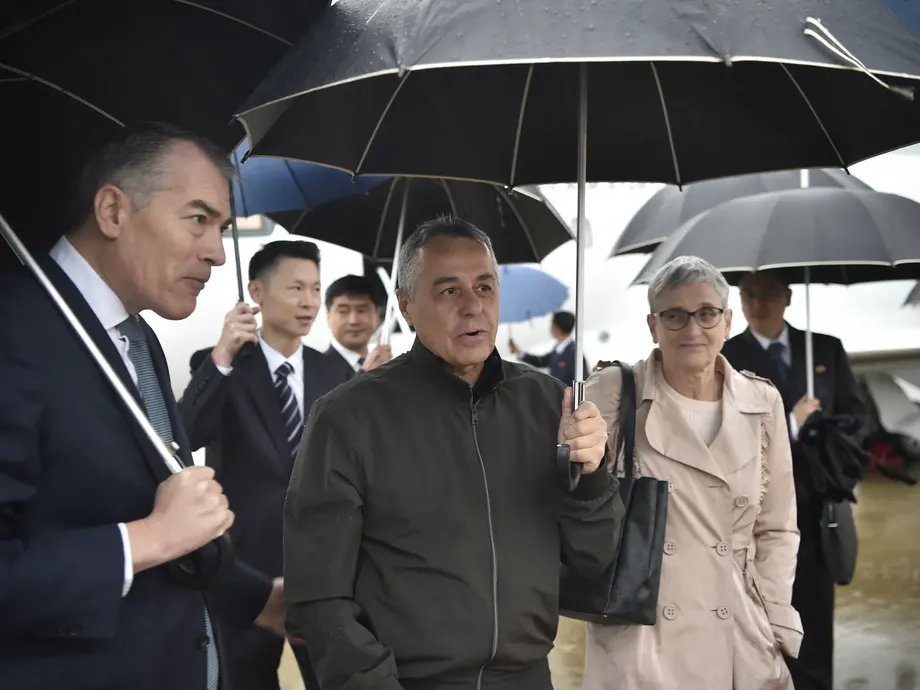
A Small Office Restores a Direct Channel
Switzerland has restored a diplomatic presence in Pyongyang after an absence of more than six years, with Foreign Minister Ignazio Cassis meeting senior North Korean officials before briefing South Korea on his visit. The new office began operating on October 19, ahead of a formal reopening ceremony during his regional trip.
Contents
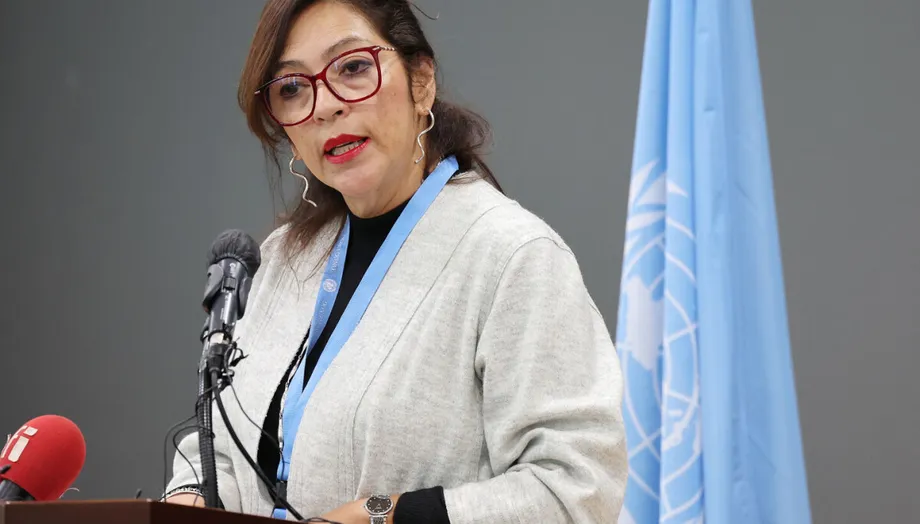
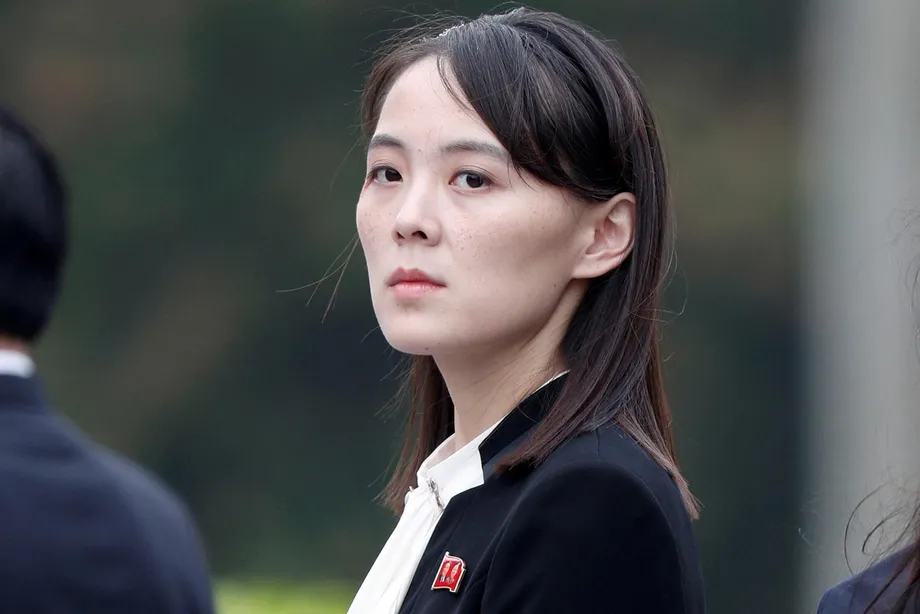
Cassis, who is also Switzerland's vice president, met North Korean Foreign Minister Choe Son Hui and Jo Yong Won, a secretary of the ruling Workers' Party Central Committee. He said their discussions covered restoring regular political dialogue, relations between the two countries, and security on the Korean Peninsula and across Eurasia.
South Korean officials said Cassis arrived in their country on October 30 and discussed his North Korea visit with National Security Adviser Wi Sung-lac and Jeong Yeon-doo, head of the Foreign Ministry's Office of Strategy and Intelligence. Their response was supportive: Seoul welcomed Switzerland's efforts to maintain and expand communication with Pyongyang.
The practical change is modest but concrete. Switzerland again has an official working inside North Korea who can maintain direct contact with its authorities. The Pyongyang office will have no ambassador and will remain under the Swiss embassy in Beijing, which retains responsibility for diplomatic and consular relations.
For Switzerland, the visit combines two tasks: rebuilding its own political relationship with North Korea and discussing regional security with officials on both sides of the peninsula. For South Korea, the reopened office provides another continuing point of contact with a neighbour whose international exchanges remain limited.
What Cassis Discussed in Pyongyang
Choe and Cassis discussed reopening the Swiss office in a new form and normalising political relations and dialogue. Here, normalising means making official contact more regular and predictable after the interruption caused by the COVID-19 pandemic.
Jo, widely described as a close aide to North Korean leader Kim Jong Un, also met Cassis. Their discussions concerned developments in North Korea and opportunities to strengthen relations between Bern and Pyongyang. Meeting both the foreign minister and a senior party official gave Cassis access to two important parts of North Korea's leadership structure.
Cassis said the exchanges extended to Korean Peninsula security and wider Eurasian security concerns. Eurasia covers Europe and Asia, making it a broad description of the discussion rather than a detailed agenda. The public account did not specify whether the talks addressed the war in Ukraine, possible negotiations between Washington and Pyongyang, or particular steps involving North and South Korea.
The immediate result was the restoration of a Swiss presence and an exchange of views at senior level. Cassis described the reopening as a new chapter in Switzerland's presence in Pyongyang and a concrete step towards stronger direct dialogue.
Seoul Welcomes Continued Communication
Wi Sung-lac heard Cassis's account of the visit during their October 30 meeting. According to South Korea's presidential office, Wi welcomed Switzerland maintaining and expanding communication channels with North Korea.
The two officials agreed on the importance of peace and stability on the peninsula, and on the need for dialogue and diplomatic efforts to support those goals. They also agreed to continue close communication on related issues.
Jeong Yeon-doo held separate dinner consultations with Cassis. South Korea's Foreign Ministry said their discussion covered relations between their countries, the Korean Peninsula, and other regional and international affairs. Jeong explained Seoul's policies and efforts aimed at peaceful coexistence with North Korea.
Jeong also expressed hope that the Swiss office would contribute positively to wider communication and engagement with Pyongyang. Cassis shared his impressions of the North Korea visit and agreed that Switzerland and South Korea should remain in close contact.
From Humanitarian Work to a Political Presence
The Swiss Agency for Development and Cooperation established an office in Pyongyang in 1997 to support humanitarian work. Its international staff withdrew in March 2020 after North Korea closed its borders during the pandemic. The return therefore restores a physical presence while changing the office's central role.
The new operation has a dedicated political purpose. As detailed when Switzerland announced the return to Pyongyang, it is planned around one resident Swiss diplomat and two local employees, using the premises of the former humanitarian cooperation office. Diplomatic relations between Switzerland and North Korea date to 1974.
Beijing remains responsible for the wider relationship. Consular work, meaning official assistance to Swiss citizens abroad, also stays with the embassy there. The arrangement gives Switzerland someone on the ground in Pyongyang without establishing a separate embassy headed by an ambassador.
The staffing plan helps explain the scale of the return: three people in Pyongyang, with support and responsibility retained in Beijing. The main immediate benefit is continuity. A resident diplomat can maintain contact between ministerial visits, follow local developments and raise issues directly with North Korean authorities.
Humanitarian Assistance Still Has Conditions
North Korean residents could eventually see practical benefits if the renewed presence helps Switzerland resume humanitarian programmes. The areas previously identified include health, drinking water and food security, all concerned with basic civilian needs.
Switzerland has set operational conditions for such work. Its specialists would need access to project locations, permission to bring in supplies, freedom to move where their work requires, and the ability to check how Swiss funding is used. Those conditions determine whether an aid programme can reach its intended recipients and be monitored properly.
The office therefore has two related responsibilities: maintaining political communication and examining whether humanitarian work can operate under Swiss requirements. Restoring diplomatic contact is already under way; arranging assistance requires agreements about access, supplies and oversight.
The Swiss Foreign Ministry has also said its position on North Korea's nuclear and missile programmes, and its implementation of international sanctions, remain unchanged. Switzerland is pursuing direct engagement while keeping those existing policies in place.
A Rare Visit Built on Decades of Contact
Cassis is the first Swiss government minister to visit North Korea since then Foreign Minister Micheline Calmy-Rey in 2003, a gap of more than two decades. His trip brings senior political attention to a relationship that has also involved humanitarian staff and Switzerland's longstanding security role on the peninsula.
Switzerland has participated for more than 70 years in the Neutral Nations Supervisory Commission, which monitors compliance with the armistice that stopped fighting in the Korean War. An armistice is an agreement to halt hostilities. Switzerland's commission role gives its involvement a history extending well beyond the Pyongyang office.
Kim Jong Un also studied in Switzerland. That personal connection sits alongside the formal relationship between the two countries. Switzerland previously hosted the Geneva agreement between the United States and North Korea during the first North Korean nuclear crisis.
Cassis's movement between Pyongyang and Seoul followed a similar regional journey by Singaporean Foreign Minister Vivian Balakrishnan in May. Such visits allow a minister to hear positions directly from officials in both capitals and discuss regional tensions during the same trip.
How the Return Unfolded
The reopening followed years of interrupted physical contact. The main milestones show how Switzerland moved from a humanitarian office to a renewed presence with an explicit political role:
- 1997: The Swiss Agency for Development and Cooperation established its Pyongyang office for humanitarian work.
- 2003: Micheline Calmy-Rey made the previous visit to North Korea by a Swiss government minister.
- March 2020: Swiss international staff withdrew during North Korea's pandemic border closure.
- October 19: The restored Swiss office began operating in Pyongyang.
- October 26: Switzerland announced a regional visit by Cassis scheduled for October 29 to 31.
- October 29: South Korean officials' chronology places Cassis in Pyongyang for the office's reopening ceremony and meetings.
- October 30: South Korean authorities recorded his arrival and consultations with Wi Sung-lac and Jeong Yeon-doo.
The initial account placed the ceremony on Thursday and Cassis's departure for South Korea on Friday, while South Korean authorities gave October 29 and October 30 respectively. The dated South Korean account provides the chronology for the Seoul meetings.
Switzerland's next practical task is to turn the restored presence into sustained contact. Seoul has welcomed that effort and agreed to keep communicating with Bern. For civilians, the separate question of renewed humanitarian assistance depends on the working conditions Switzerland has set for its programmes.
Key Points
- Switzerland's Pyongyang office resumed operations on October 19 after international staff withdrew in March 2020.
- Ignazio Cassis met North Korean Foreign Minister Choe Son Hui and senior Workers' Party official Jo Yong Won.
- The talks covered bilateral political dialogue and Korean Peninsula and Eurasian security.
- South Korean officials welcomed Swiss communication with Pyongyang during October 30 consultations.
- The office will have no ambassador and will report to the Swiss embassy in Beijing.
- Renewed humanitarian programmes depend on access, supplies, staff movement and financial oversight.