New rules take effect with only three heirs eligible
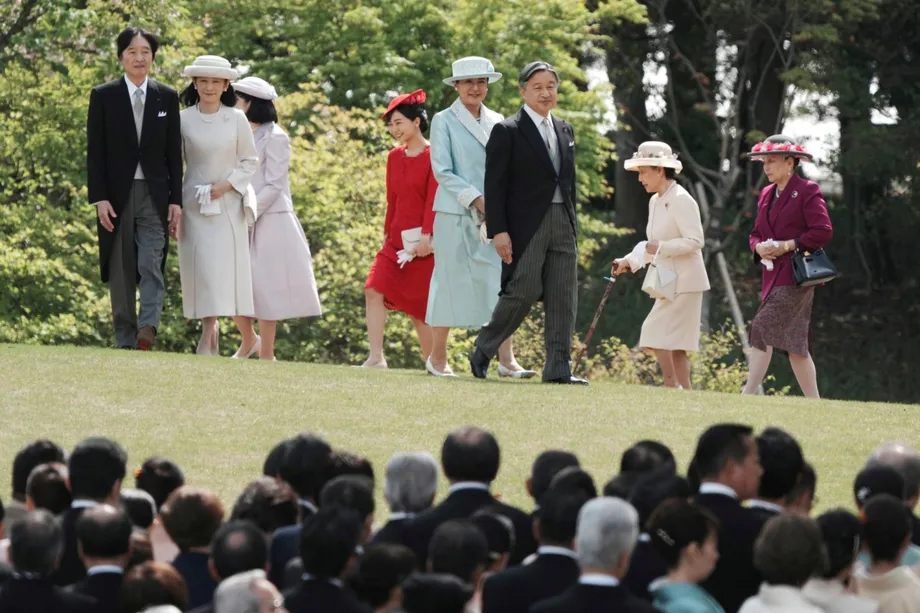
Japan's revised Imperial House Law took effect on October 24, 2026, allowing princesses to remain in the imperial family after marriage and opening a route for men from former imperial branches to join through adoption. The changes address a household with just 16 members, including Emperor Naruhito, while preserving succession through the paternal male line.
Contents
- New rules take effect with only three heirs eligible
- What the government wants to preserve
- Princesses gain a choice, with council oversight
- One family, different legal positions
- Weddings and allowances need new arrangements
- Who can enter through adoption?
- Adoption changes future succession, not today's heirs
- How the legislation reached implementation
- Consent and further reform remain central
- Key Points
The Cabinet Secretariat's official amendment summary identifies the legislation as Act No. 66 of 2026, promulgated on July 24. It sets strict conditions for adoption: candidates must be at least 15, have neither a spouse nor children, and descend through an eligible paternal line. An adopted man cannot become emperor, although male descendants may qualify under the revised system.
Princesses who marry outside the imperial family can now retain their status and continue public duties. Their husbands and children, however, remain ordinary citizens. This creates a household arrangement in which a mother may have imperial responsibilities and restrictions while her immediate family has different legal rights.
Only three men currently qualify to succeed Naruhito: his younger brother, Crown Prince Fumihito, also known as Akishino; Fumihito's son, Prince Hisahito; and the emperor's uncle, Prince Hitachi. Princess Aiko, the emperor's only child, remains excluded.
Prime Minister Sanae Takaichi visited the Imperial Palace on October 23 to brief Naruhito. The next stage belongs largely to the Imperial Household Agency, which must turn the legislation into practical arrangements for marriages, residences, security and adoptions.
What the government wants to preserve
The Cabinet Secretariat explains the amendment in terms of the work imperial relatives perform. Family members can serve as regent, temporarily carry out the emperor's constitutional state acts and sit on the Imperial House Council. A regent acts for an emperor who cannot perform his duties, while the council considers specified matters involving the imperial family.
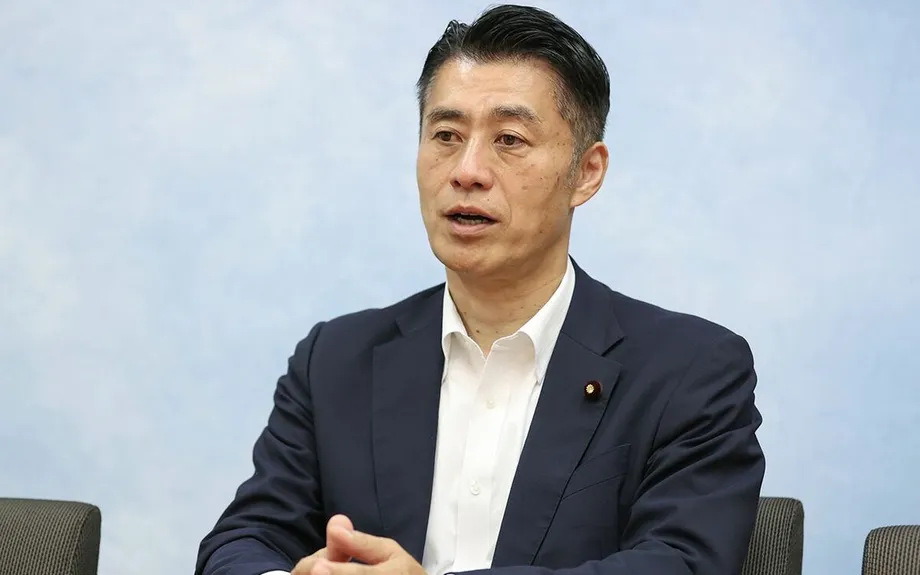
Chief Cabinet Secretary Minoru Kihara described keeping women in the household after marriage as a way to slow its decline. He presented adoption as the other essential part of the government's response:
Adoption into the Imperial Family is an indispensable measure for increasing its membership and is also meaningful in securing male royal family members who cannot be obtained simply by allowing female members to retain their status.
The two measures work differently. Retaining princesses preserves the contribution of people already carrying out engagements. Adoption can bring additional members into the household and create a route through which future generations of men could qualify for succession.
The amendment is the first substantive revision of the law's main provisions since 1947, although smaller changes and special legislation have been adopted before, including the 2017 arrangements enabling the former emperor's abdication.
Princesses gain a choice, with council oversight
Female imperial members previously had to leave the family when they married someone outside it. Princess Mako followed that rule in 2021. The revision removes that automatic consequence, allowing women to remain imperial members while married.
The official summary adds two important conditions. Marriages under the new arrangement require consideration by the Imperial House Council. Women who are imperial members when the law takes effect also receive a transitional choice: they may leave the family at marriage if they wish.
Princess Aiko and Princess Kako could therefore continue their imperial roles after marrying, while retaining a choice under the transitional provision. No marriage or decision by either princess has been announced in connection with the law.
Public attention may make such decisions difficult. A choice about marriage and family life will also affect the number of people available for imperial duties, putting personal wishes alongside institutional expectations.
One family, different legal positions
A princess who remains in the imperial family will have a different legal position from her husband and children. Female imperial members have no voting rights or right to stand for election. Their spouses and children, as ordinary citizens, retain those rights, along with constitutional freedoms involving residence, work and political activity.
The Imperial Household Agency expects to explain the demands of imperial life to those family members. Living in an imperial residence is considered a practical option because a princess may receive foreign visitors or perform other official duties at home. Security and the use of imperial property would also affect daily arrangements.
Administrative records will reflect the mixed status. A princess remaining in the family will be entered in both the imperial genealogy and the resident registration system. Because she has no surname, her resident record will carry her given name alone.
Officials are still working out whether husbands or children will accompany princesses on public duties, how far security protection will extend and how associated expenses will be paid. The unresolved arrangements concern everyday matters: where a family lives, which events it attends and who pays when a spouse joins an official engagement.
Weddings and allowances need new arrangements
The Imperial Household Agency is considering whether a princess who remains imperial after marriage should have a wedding ceremony inside the palace, similar to arrangements when a male imperial member marries, or outside it, as has traditionally happened when a princess leaves.
Previous ceremonies were built around departure. A princess would worship at the palace sanctuaries and formally address the emperor and empress before a wedding held at a venue such as a hotel. Retaining her status changes the purpose and sequence of those events.
Isao Tokoro, professor emeritus at Kyoto Sangyo University and a specialist in imperial institutional history, has identified practical questions about wedding costs, ceremonial positions and expenses incurred when a husband accompanies his wife on public duties. He supports a permanent body to examine the imperial family's future and further revisions.
Related financial changes are more specific. Women maintaining independent households will receive the same imperial allowance as men of the corresponding rank. Princess Akiko's annual allowance rises from 10.675 million yen to 21.35 million yen, an increase of 10.675 million yen, or 100 percent.
Princess Aiko or Princess Kako would receive 30.5 million yen annually if she remained imperial after marriage and maintained an independent household. Their amount differs from Akiko's because the law distinguishes between ranks of princes and princesses.
Who can enter through adoption?
The adoption route is limited to eligible men descended through the paternal line from former imperial branches. Eleven branches lost imperial status in 1947. About 10 men across four of those families, Kaya, Kuni, Higashikuni and Takeda, are considered potential candidates.
The Cabinet Secretariat specifies that candidates must descend through the legally defined legitimate male line, be at least 15 and have no spouse or children. Adoption requires consideration by the Imperial House Council. Eligible imperial princes, princesses and certain spouses can adopt, but the crown prince and crown princess are excluded.
Four households are considered possible receiving families: Hitachi, Mikasa, the household of the widow of Prince Tomohito of Mikasa, and Takamado. Adoption would preserve the man's legal relationship with his birth parents, following the approach of ordinary adoption under civil law.
The former branches share distant paternal ancestry with the emperor. Their lines separated about 600 years ago, during the Muromachi period, and the relationship is described as 36 to 38 degrees of kinship. That distance has become part of the political debate over inviting descendants raised as ordinary citizens into the imperial family.
The agency is considering ceremonies to mark an adoptee's new status, drawing on precedents from before imperial adoption was prohibited under the Meiji era law. It will keep candidate identities and contacts private to protect personal choice; no completed adoption or timetable has been announced.
Adoption changes future succession, not today's heirs
An adopted man will become an imperial member without acquiring the right to the throne. His future wife and children may become imperial members, and qualifying male descendants may enter the succession. His place in the order for serving as regent will come after imperial princesses, according to the government's summary.
The official rules also state that the imperial position of the adoptee and his descendants follows his birth lineage. Adoption therefore brings a man into an existing household while preserving the ancestral line through which he qualifies.
The treatment of a princess's children is different. They remain ordinary citizens and gain no succession rights through her. Aiko's continued imperial membership after marriage would let her keep performing duties, while the throne would continue to pass only through eligible men descended through fathers from the imperial line.
Japan has historically had eight women sovereigns, accounting for 10 reigns because two reigned twice. The present debate involves two distinct possibilities: allowing a woman to become emperor, and allowing succession through a mother. The revision introduces neither.
Hisahito, 20, is the only current heir of his generation. His father, Fumihito, is 60, and Hitachi is 90. Adoption could broaden the pool in a later generation, while the current list of three eligible successors stays unchanged.
How the legislation reached implementation
The revision followed discussions led by the speakers and vice speakers of both parliamentary chambers, who consulted all 13 parliamentary parties and groups. The Liberal Democratic Party and its coalition partner, the Japan Innovation Party, had included revision of the Imperial House Law in their October 2025 agreement.
The Upper House approved the bill with support from those two parties and the Democratic Party for the People, Komeito and Sanseito. After the July parliamentary approval, attention shifted from the principle of expanding membership to the arrangements needed to make it work.
- October 2025: The governing coalition included revision of the Imperial House Law in its agreement.
- June 10, 2026: Parliamentary leaders completed their summary of cross party discussions.
- July 2026: Parliament enacted the revision; the Cabinet Secretariat records promulgation on July 24.
- October 22: An Imperial Household Agency official described continuing preparations for implementation.
- October 23: Takaichi briefed Naruhito, and Kihara addressed implementation and further succession discussions.
- October 24: The revised rules took effect.
Opposition criticism focused on the decision to give succession rights to male descendants of adoptees, a provision outside the original proposal developed through the parliamentary talks. Critics also objected to roughly eight hours of parliamentary deliberation. Although the law won support across several parties, its approach to succession remains contested.
Consent and further reform remain central
Kihara said implementation should respect the free will of the people involved. Speaking as chief cabinet secretary, he pledged:
We will take appropriate steps in implementing the system, with due consideration for those involved.
The Imperial Household Agency's decision to withhold information about adoption contacts reflects that concern. Public identification could expose a candidate to pressure before he or a receiving household has made a decision.
Parliamentary committees in both chambers adopted supplementary resolutions calling for continued consideration of measures to secure stable succession. Opposition parties have sought an expert panel to examine options including women emperors and succession through women. On October 23, Kihara said the government was not considering immediately establishing such a panel.
The revised system may be reviewed at intervals of 30 years if necessary. Tokoro's call for a permanent forum offers a different approach: continuing examination as practical problems emerge, rather than leaving the discussion mainly to occasional major revisions.
The immediate task is concrete. Officials must make it possible for princesses to combine imperial service with family life and for willing eligible men to enter through adoption. The longer debate concerns who may inherit the throne, a question the new membership arrangements leave centered on the paternal male line.
Key Points
- The revised Imperial House Law took effect on October 24, 2026, following promulgation on July 24.
- Princesses can retain imperial status after marriage. Women already in the family receive a transitional choice to leave.
- Their husbands and children remain ordinary citizens, requiring new arrangements for residences, duties, expenses and security.
- Eligible adoption candidates must be at least 15, have no spouse or children, and belong to specified paternal lines of former imperial branches.
- Adopted men cannot become emperor, but qualifying male descendants may inherit.
- Japan still has three eligible heirs: Crown Prince Fumihito, Prince Hisahito and Prince Hitachi.
- Women emperors and succession through the maternal line remain outside the revised system.